COGNITIVE BIAS: Negativity V. Pessimism

By Staff Reporters

***

***

Negativity bias is not totally separate from pessimism bias, but it is subtly and importantly distinct. In fact, it works according to similar mechanics as the sunk cost fallacy in that it reflects our profound aversion to losing. We like to win, but we hate to lose even more.

And so, according to cognitive scientist Mackenzie Marcinko PhD, when we make a decision, we generally think in terms of outcomes—either positive or negative. The bias comes into play when we irrationally weigh the potential for a negative outcome as more important than that of a positive outcome.

***

***

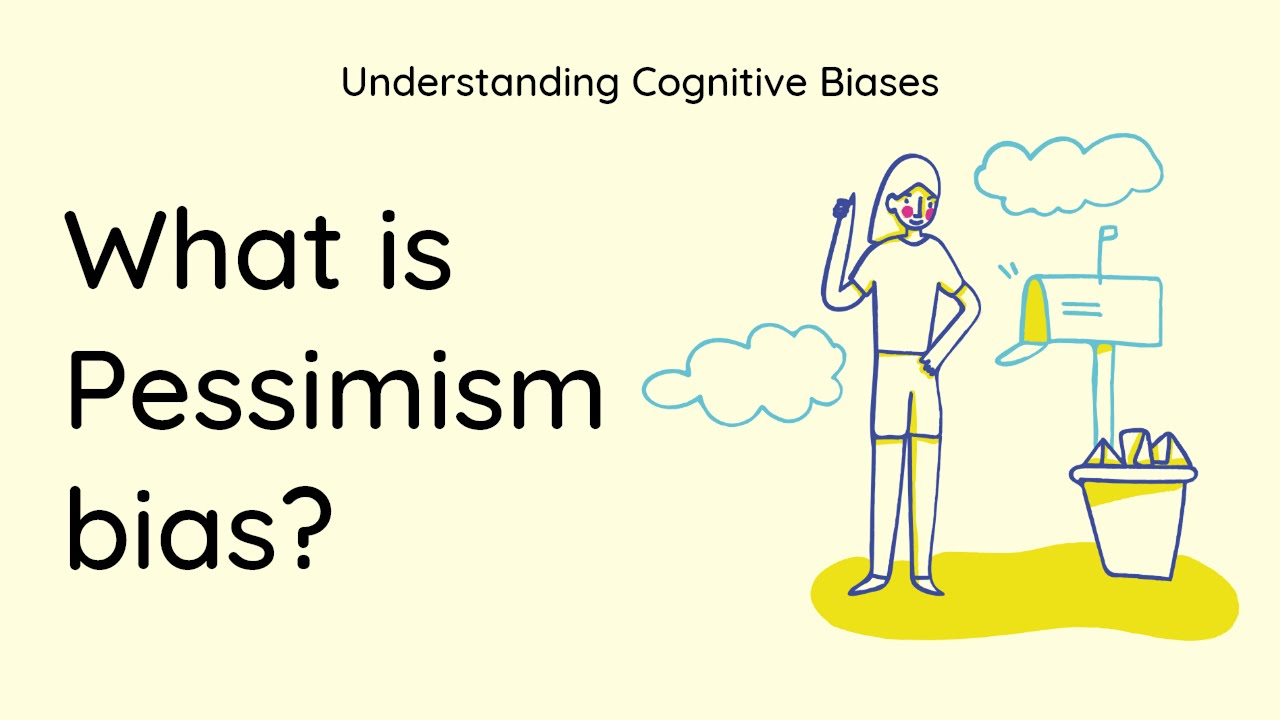
Pessimism bias on the other hand, is a cognitive bias that causes people to overestimate the likelihood of negative things and underestimate the likelihood of positive things, especially when it comes to assuming that future events will have a bad outcome.

For example, the pessimism bias could cause someone to believe that they’re going to fail an exam, even though they’re well-prepared and are likely to get a good grade.

According to colleague Dan Ariely PhD, The pessimism bias can distort people’s thinking, including your own, in a way that leads to irrational decision-making, as well as to various issues with your mental health and emotional well being.

COMMENTS APPRECIATED

Subscribe Today!

***

***

PREMATURE CLOSURE: Cognitive Bias

By Staff Reporters

***

***

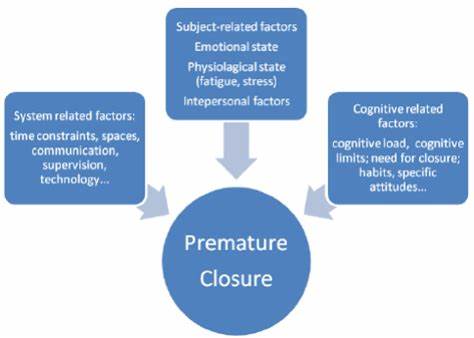
Premature Closure is the tendency to make quick, decisive judgments without considering all the evidence. It’s like jumping to conclusions on a trampoline – fast and often wrong. Our brains crave certainty and dislike ambiguity, leading us to close the case prematurely. This can save time but often results in mistakes and oversights. To avoid premature closure, take a step back, gather more information, and keep an open mind about this cognitive bias.

And so, colleague Dan Ariely PhD suggests that we remember: haste makes waste, especially in decision-making.

COMMENTS APPRECIATED

Like and Subscribe

***

***

BIAS: In-Group Favoritism

By Staff Reporters

***

***

In-group bias refers to the unfair favoring of someone from one’s own group. You might think that you’re unbiased, impartial, and fair, but we all succumb to this bias, having evolved to be this way.

That is, according to colleague Dan Ariely PhD, from an evolutionary perspective, this bias can be considered an advantage—favoring and protecting those similar to you, particularly with respect to kinship and the promotion of one’s own line.

COMMENTS APPRECIATED

Refer and Subscribe

***

***

PROPORTIONALITY: Cognitive Bias

By Staff Reporters

***

***

The proportionality bias, also known as major event/major cause heuristic, is the tendency to assume that big events have big causes. It is a type of cognitive bias and plays an important role in people’s tendency to accept conspiracy theories. Academic psychologist Rob Brotherton summarized it as “When something big happens, we tend to assume that something big must have caused it”.

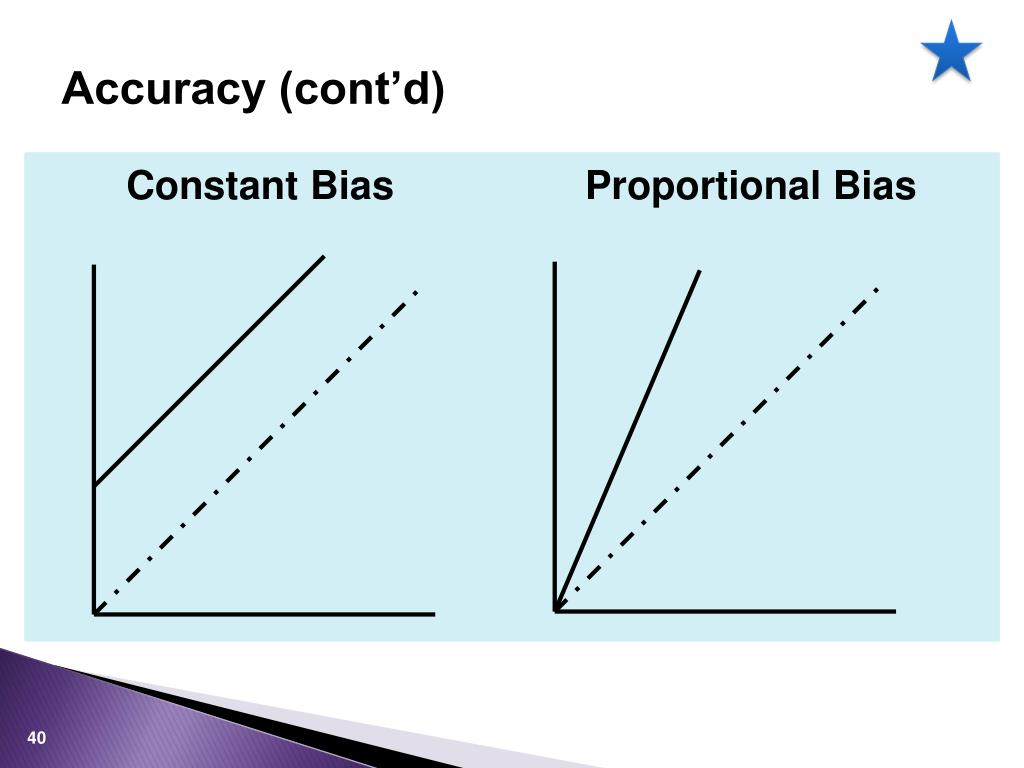
IOW: Proportionality Bias is the inclination to believe that the magnitude of an event’s cause must be proportional to the event’s outcome. It’s like thinking a huge disaster must have a huge cause. This bias simplifies our understanding of complex situations but often leads to misconceptions. In reality, small causes can have large effects, and vice versa.

Related: https://medicalexecutivepost.com/2022/09/09/accuracy-versus-precision/

And so, to overcome proportionality bias according to colleague Dan Ariely Phd, consider all possible explanations, regardless of their size. Remember: sometimes big things happen for small reasons.

COMMENTS APPRECIATED

Subscribe, Like and Refer Today!

***

***

BACKFIRE: Mind Effect

By Staff Reporters

SPONSOR: http://www.MarcinkoAssociates.com

***

***

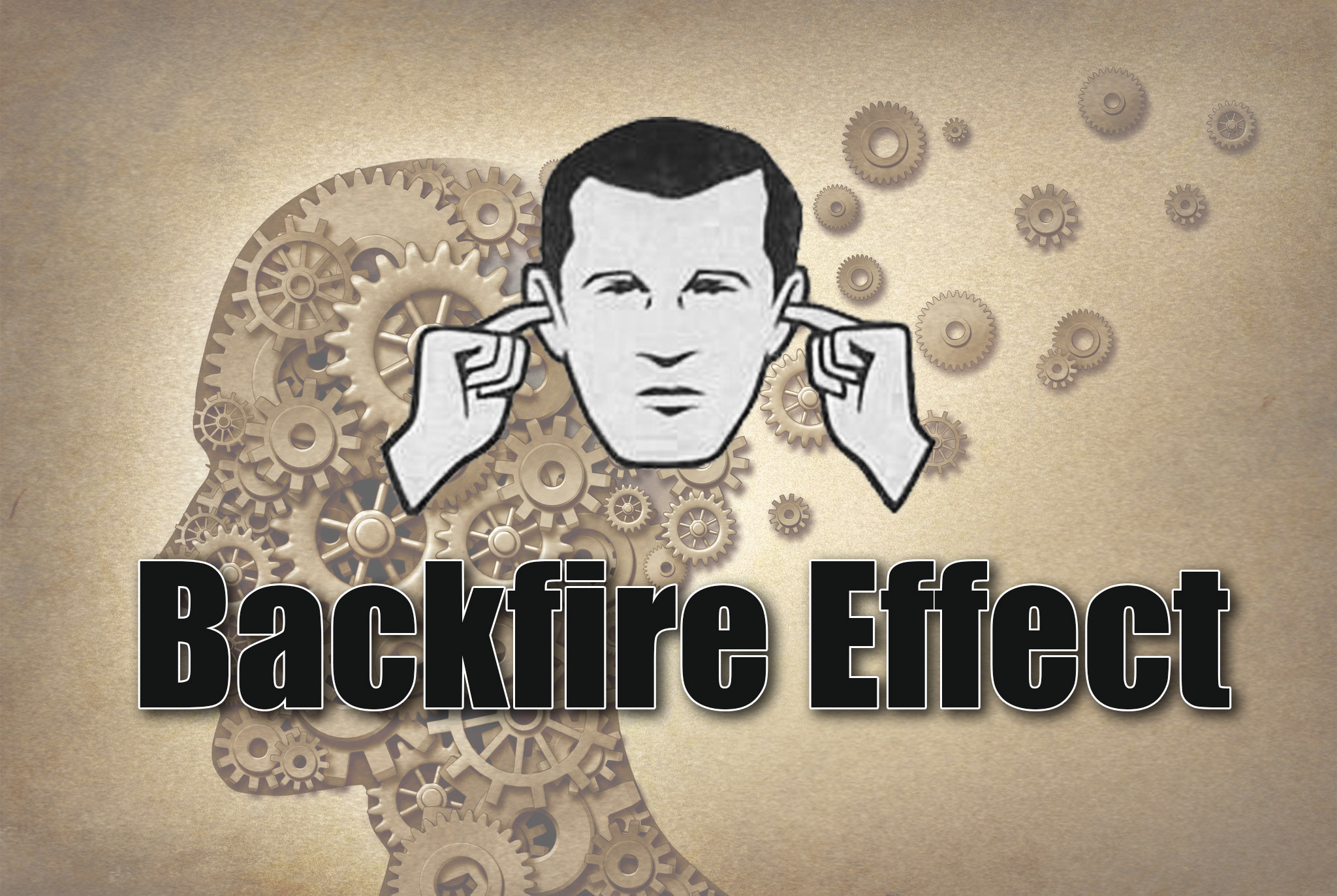
The Backfire Effect refers to the strengthening of a belief even after it has been challenged.

Cook and Lewandowsky (2011) explain it very well in the context of changing people’s minds in their Debunking Handbook. The backfire effect may work based on the same foundation as Declinism, in that we do not like change. It is also similar to negativity bias, in that we wish to avoid losing and other negative outcomes—in this case, one’s idea is being challenged or rejected (i.e. perceived as being made out to be “wrong”) and thus, they may hold on tighter to the idea than they had before.

However, according to colleague Dan Ariely PhD, there are caveats to the backfire effect—for example, we also tend to abandon a belief if there’s enough evidence against it with regard to specific facts.

***

COMMENTS APPRECIATED

Subscribe and Refer

***

MYOPIA: Prime Financial Earning Years

COGNITIVE BIAS

SPONSOR: http://www.MarcinkoAssociates.com

By Staff Reporters

***

***

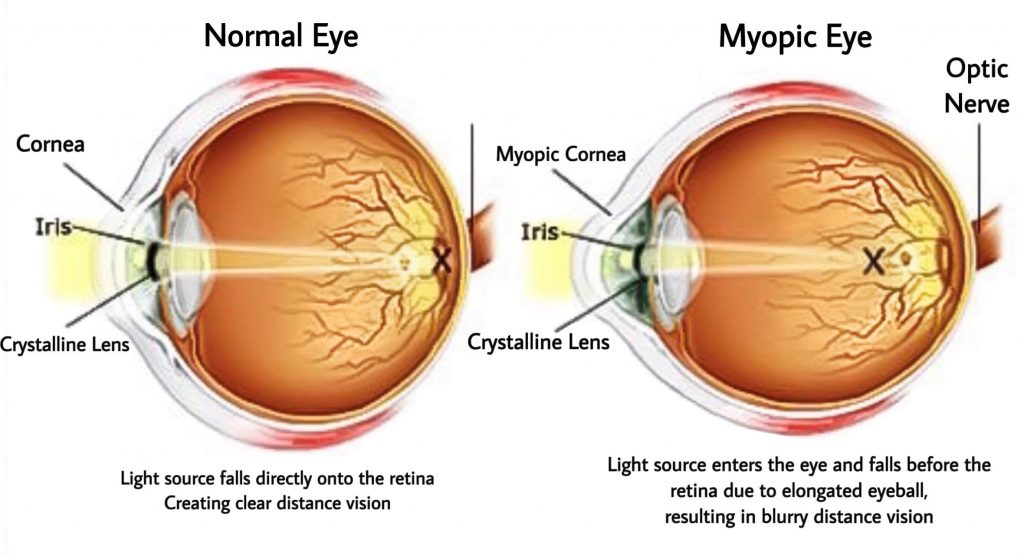
Myopia makes it hard for us to imagine what our lives might be like in the future.

For example, because we are young, healthy, and in our prime earning years now, it may be hard for us to picture what life will be like when our health depletes and we know longer have the earnings necessary to support our standard of living.

According to colleague Dan Ariely PhD, this short sighted cognitivebias makes it hard to save adequately when we are young, when saving does the most good.

COMMENTS APPRECIATED

Subscribe and Refer

***

***

“FREE STUFF”: Powerfully Irrational

BEWARE THE PSYCHOLOGY OF HOLIDAY SHOPPING!

[Online -OR- Onground]

By Staff Reporters

***

***

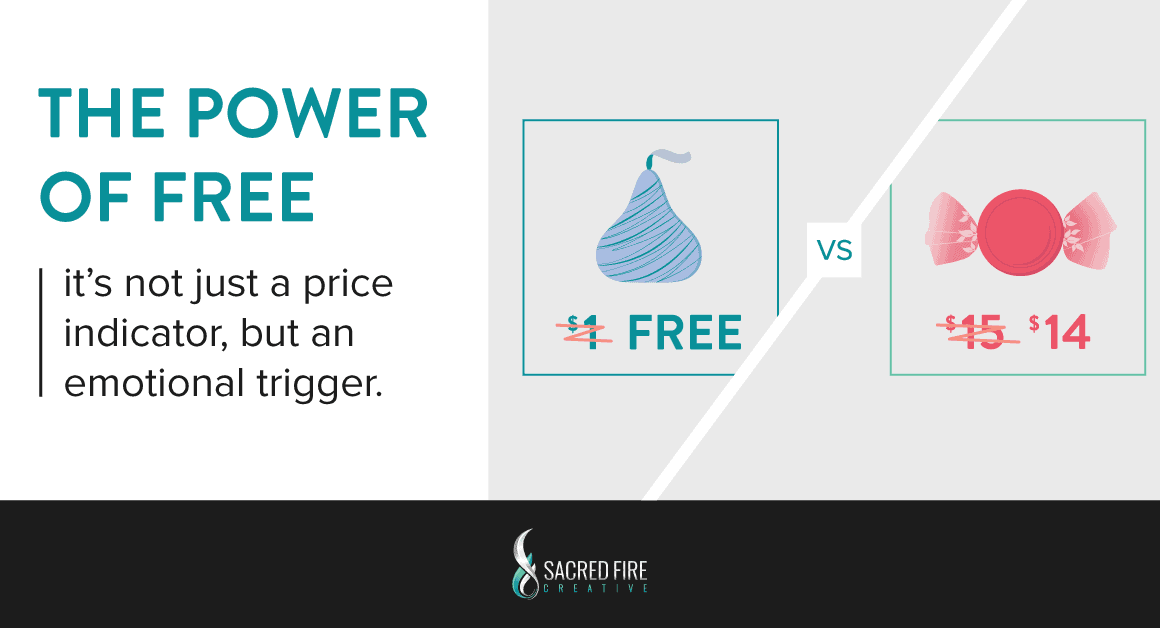
Power of Free

Who doesn’t love free stuff? The word “free” is like a magic spell that makes our rational minds go on vacation.

According to colleague Dan Ariely PhD, the power of free compels us to grab things we don’t need and make questionable choices. Why buy one and get one free when you can get two for the price of one? It’s the same deal, but free feels better.

IOW: Like other heuristics, the Power of Free is a mental shortcut that allows us to bypass rational thought and save effort to make quick decisions. Studies of the Power of Free have shown it to be closely linked to the Affect Heuristic. Specifically, it is linked to emotional and social thinking rather than transactional thinking. People become influenced by emotion and obligated to socially acceptable behaviors.

CITE: https://www.r2library.com/Resource/Title/0826102549

For example, say, a yoga studio charges extra to use their mats. This leads more people to pay the fee and use their mats for convenience. Then, say, the same yoga studio removed the extra fee more people would bring their mats from home instead of feeling guilty about borrowing one for class.

Removing a dollar value increases its inherent value and makes it more desirable. The type of product matters too. People are more likely to opt for a free product that is fun rather than functional. This is because emotion is more powerful than rational thinking under the influence of the Power of Free.

In another example, people are more likely to say “yes” to a free piece of cake or sample size of perfume than furniture polish or a bag of white flour.

So, next time you find yourself going to a free financial planning or retirement seminar with free dinner, or a free medical screening test, or free stock market portfolio review, just blame it on the irresistible and irrational power of free.

SPONSOR [not free]: http://www.MarcinkoAssociates.com

COMMENTS APPRECIATED

Refer – Like – Subscribe!

***

***

CONTRAST EFFECT: Cognitive Bias

FOR FINANCIAL ADVISORS

By Dr. David Edward Marcinko MBA MEd CMP

SPONSOR: http://www.CertifiedMedicalPlanner.org

***

***

Sensation, emotion and cognition work by Contrast Effect [cognitive bias]. 

Now, such perception is not only on an absolute scale, it also functions relative to prior stimuli.  This is why room temperature water feels hot when experienced after being exposed to the cold.  It is also why the cessation of negative emotions “feels” so good. 

Cognitive bias functioning also works on this principle.  So one’s ability to analyze information and draw conclusions is very much related to the context with in which the analysis takes place, and to what information was originally available.  This is why it is so important to manage one’s own expectations as well as those of a financial advisor’s or stock broker’s clients. 

For example, a client is much more likely to be satisfied with a 10% portfolio return if they were expecting 7% than if they were hoping for 15%.

COMMENTS APPRECIATED

Subscribe, Like and Refer Today!

***

***

CURSE of the “Stereotype”

By Dr. David Edward Marcinko MBA MEd

***

***

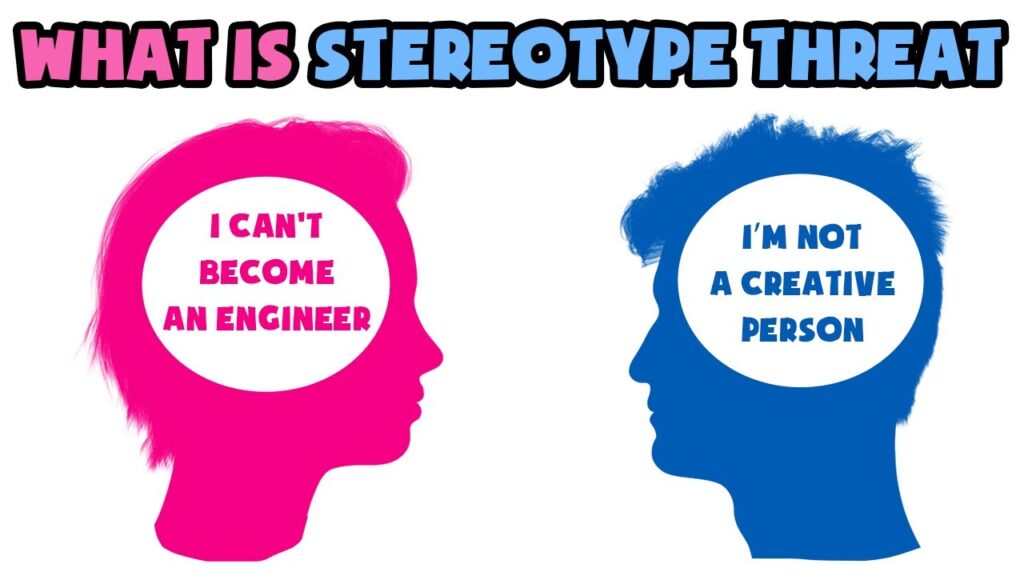
The Stereotype Curse is the negative impact of stereotypes on an individual’s performance or behavior. It’s like a self-fulfilling prophecy where being aware of a stereotype makes you more likely to conform to it.

For example, if you’re told you’re bad at math because of your gender, that stress can affect your performance. Breaking free from stereotypes requires awareness and effort.

So, next time you feel boxed in by a stereotype, remind yourself: you’re more than a cliché.

COMMENTS APPRECIATED

Subscribe Today!

***

***

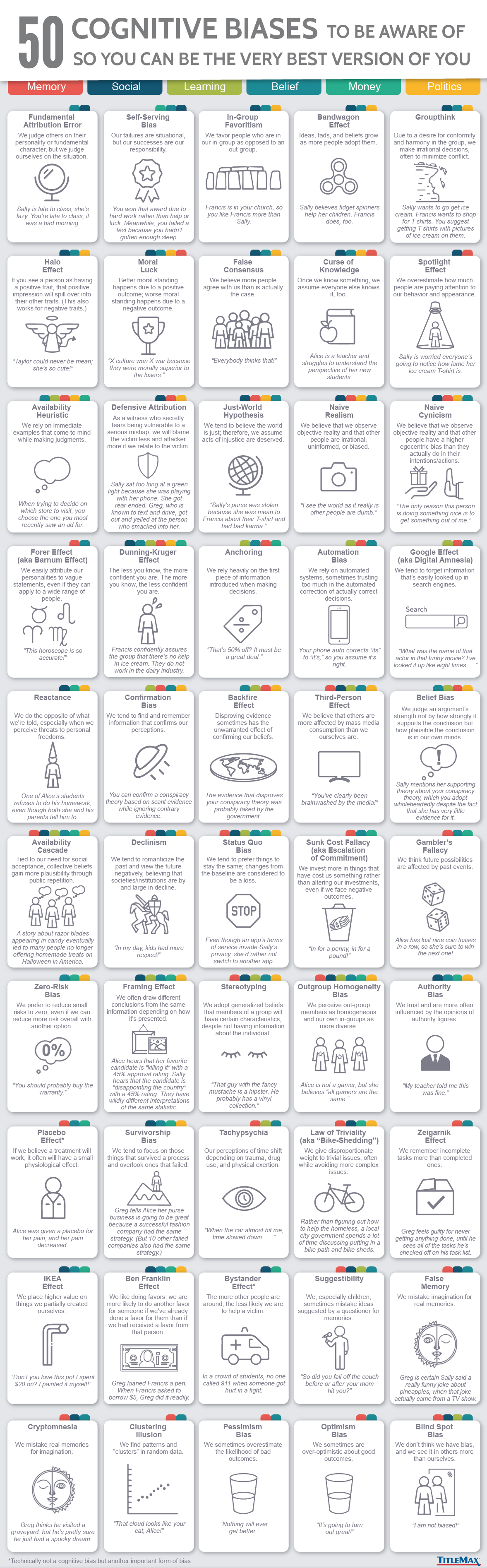
Be Aware of Your Cognitive Biases!

Top Fifty [50] to Know

[By staff reporters]

***

***

Assessment: Your thoughts are appreciated.

THANK YOU

***

Product DetailsProduct Details

***

More on Cognitive Bias

In the “Mind of the Beholder”

By Dr. David Edward Marcinko MBA MEd CMP™

http://www.HealthDictionarySeries.org

Definition

A cognitive bias refers to a systematic pattern of deviation from norm or rationality in judgment, whereby inferences about other people and situations may be drawn in an illogical fashion. Individuals create their own “subjective social reality” from their perception of the input.
***
It is a  re-emerging topic in investing and financial planning, today! Here are some examples.
***

Conclusion

Your thoughts and comments on this ME-P are appreciated. Feel free to review our top-left column, and top-right sidebar materials, links, URLs and related websites, too. Then, subscribe to the ME-P. It is fast, free and secure. 

Speaker: If you need a moderator or speaker for an upcoming event, Dr. David E. Marcinko; MBA – Publisher-in-Chief of the Medical Executive-Post – is available for seminar or speaking engagements. https://medicalexecutivepost.com/dr-david-marcinkos-bookings/ 

Contact: MarcinkoAdvisors@msn.com

***

Risk Management, Liability Insurance, and Asset Protection Strategies for Doctors and Advisors: Best Practices from Leading Consultants and Certified Medical Planners™8Comprehensive Financial Planning Strategies for Doctors and Advisors: Best Practices from Leading Consultants and Certified Medical Planners™