







 Support our online development, and advance our onground research initiatives in free market economics, as we seek to showcase the brightest Next-Gen minds.
THE ME-P DISCLAIMER: Posts, comments and opinions do not necessarily represent iMBA, Inc., but become our property after submission. Copyright © 2006 to-date. iMBA, Inc allows colleges, universities, medical and financial professionals and related clinics, hospitals and non-profit healthcare organizations to distribute our proprietary essays, photos, videos, audios and other documents; etc. However, please review copyright and usage information for each individual asset before submission to us, and/or placement on your publication or web site. Attestation references, citations and/or back-links are required. All other assets are property of the individual copyright holder.
Support our online development, and advance our onground research initiatives in free market economics, as we seek to showcase the brightest Next-Gen minds.
THE ME-P DISCLAIMER: Posts, comments and opinions do not necessarily represent iMBA, Inc., but become our property after submission. Copyright © 2006 to-date. iMBA, Inc allows colleges, universities, medical and financial professionals and related clinics, hospitals and non-profit healthcare organizations to distribute our proprietary essays, photos, videos, audios and other documents; etc. However, please review copyright and usage information for each individual asset before submission to us, and/or placement on your publication or web site. Attestation references, citations and/or back-links are required. All other assets are property of the individual copyright holder.


By Dr. David Edward Marcinko MBA MEd
***

***
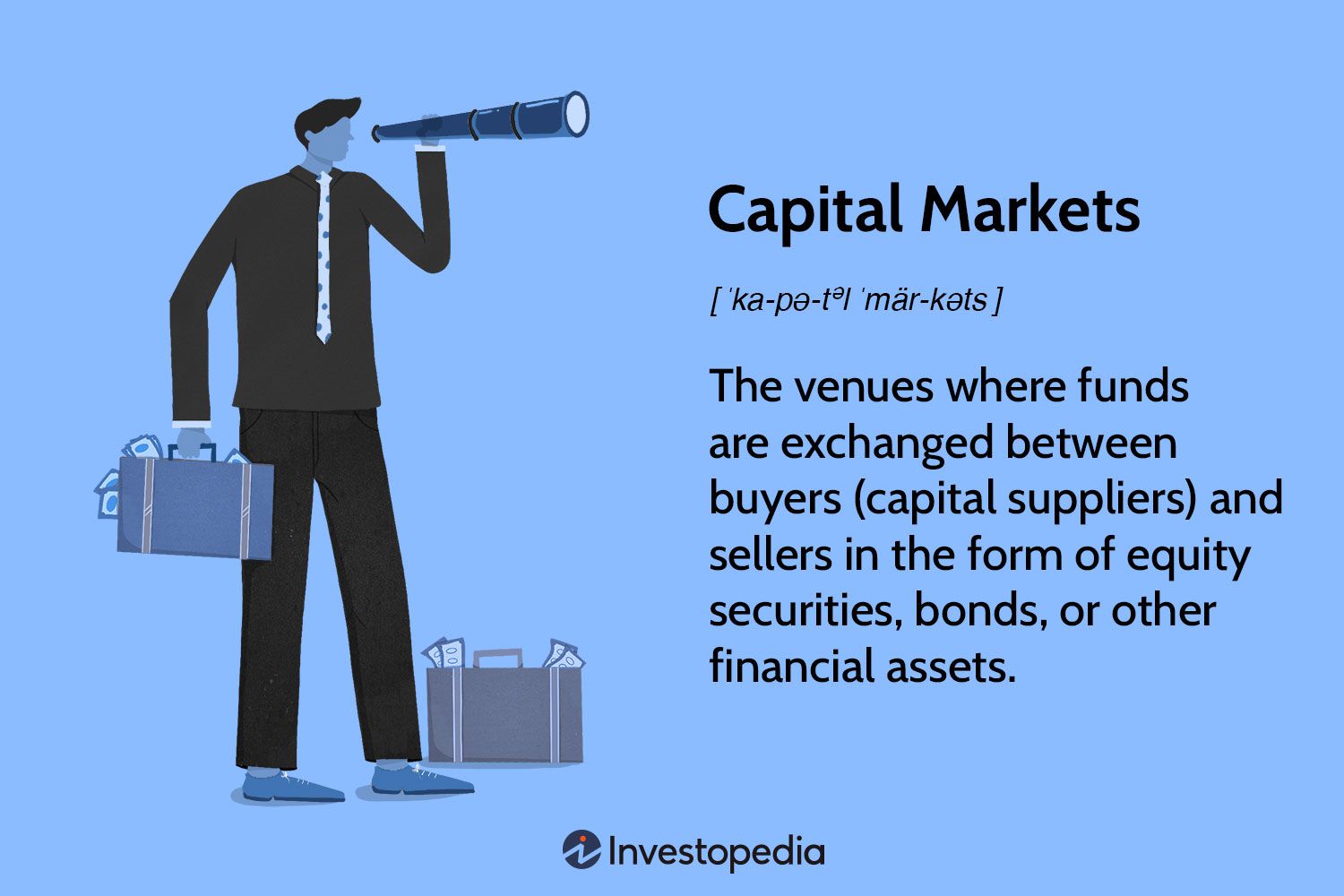
A brokerage company serves as a vital intermediary in the financial markets, bridging the gap between investors and the securities they wish to buy or sell. At its core, the brokerage firm provides access to markets that would otherwise be difficult for individuals to navigate on their own. Whether dealing in stocks, bonds, commodities, or more complex financial instruments, the brokerage company simplifies transactions, ensures compliance with regulations, and offers guidance to clients seeking to grow their wealth.
The traditional brokerage model was built on personal relationships. Investors relied on brokers to provide advice, execute trades, and manage portfolios. These brokers often had deep knowledge of specific industries and cultivated trust with their clients over years of service. In this model, the brokerage company earned commissions on trades and fees for advisory services. The emphasis was on expertise and personalized attention, with brokers acting as both financial advisors and gatekeepers to the markets.
Over time, however, the industry underwent significant transformation. The rise of technology and the internet democratized access to financial markets. Online brokerage platforms emerged, offering investors the ability to trade directly from their computers or smartphones. This shift reduced the reliance on traditional brokers and lowered transaction costs. Brokerage companies adapted by creating user-friendly platforms, offering educational resources, and expanding their services to include research tools, real-time data, and automated trading options. The modern brokerage company thus became not only a facilitator of trades but also a provider of technology-driven solutions.
Despite these changes, the essence of a brokerage company remains the same: enabling investors to participate in financial markets. The firm must balance accessibility with responsibility. It ensures that trades are executed efficiently and in compliance with regulations, protecting both the investor and the integrity of the market. Brokerage companies also play a role in investor education, helping clients understand risks, diversify portfolios, and make informed decisions. In this way, they contribute to the overall stability and growth of the financial system.
Another important aspect of brokerage companies is their adaptability. As new asset classes emerge, such as cryptocurrencies or environmental credits, brokerage firms expand their offerings to meet demand. This flexibility allows them to remain relevant in a constantly evolving financial landscape. At the same time, they must manage risks associated with innovation, ensuring that clients are protected from volatility and fraud. The ability to innovate while maintaining trust is a hallmark of successful brokerage companies.
The competitive nature of the industry has also shaped brokerage strategies. With numerous firms vying for clients, differentiation becomes essential. Some companies focus on low-cost trading, appealing to price-sensitive investors. Others emphasize premium advisory services, targeting clients who value personalized guidance. Still others invest heavily in technology, offering advanced platforms with sophisticated analytics and automation. This diversity of approaches reflects the varied needs of investors and highlights the brokerage company’s role as a versatile service provider.
Looking ahead, brokerage companies face both opportunities and challenges. The continued integration of artificial intelligence and machine learning promises to enhance trading strategies, risk management, and customer service. At the same time, regulatory scrutiny is likely to increase, particularly as new financial products gain popularity. Brokerage firms must navigate these dynamics carefully, balancing innovation with compliance. Their success will depend on their ability to remain trusted intermediaries while embracing the tools of the future.
In conclusion, a brokerage company is more than just a facilitator of trades. It is an institution that embodies trust, expertise, and adaptability. From traditional broker-client relationships to modern digital platforms, the brokerage firm has evolved to meet the changing needs of investors. Its role in connecting individuals to financial markets, educating clients, and safeguarding transactions ensures its continued relevance. As the financial world grows more complex, the brokerage company will remain a cornerstone of investment activity, guiding investors through both opportunities and uncertainties.
COMMENTS APPRECIATED
SPEAKING: Dr. Marcinko will be speaking and lecturing, signing and opining, teaching and preaching, storming and performing at many locations throughout the USA this year! His tour of witty and serious pontifications may be scheduled on a planned or ad-hoc basis; for public or private meetings and gatherings; formally, informally, or over lunch or dinner. All medical societies, financial advisory firms or Broker-Dealers are encouraged to submit an RFP for speaking engagements: CONTACT: Ann Miller RN MHA at MarcinkoAdvisors@outlook.com -OR- http://www.MarcinkoAssociates.com
Like, Refer and Subscribe
***
***
Share this:

Filed under: "Advisors Only", finance, Financial Planning, Funding Basics, Glossary Terms, Investing, Portfolio Management, Touring with Marcinko | Tagged: brokerage account, brokerage company, david marcinko, financial advisors, financial planners, imvestors, investment advisors, portfolios, securities, writing-blogging | Leave a comment »





 The Leading Business Education Network for Doctors, Financial Advisors and Health Industry Consultants