







 Support our online development, and advance our onground research initiatives in free market economics, as we seek to showcase the brightest Next-Gen minds.
THE ME-P DISCLAIMER: Posts, comments and opinions do not necessarily represent iMBA, Inc., but become our property after submission. Copyright © 2006 to-date. iMBA, Inc allows colleges, universities, medical and financial professionals and related clinics, hospitals and non-profit healthcare organizations to distribute our proprietary essays, photos, videos, audios and other documents; etc. However, please review copyright and usage information for each individual asset before submission to us, and/or placement on your publication or web site. Attestation references, citations and/or back-links are required. All other assets are property of the individual copyright holder.
Support our online development, and advance our onground research initiatives in free market economics, as we seek to showcase the brightest Next-Gen minds.
THE ME-P DISCLAIMER: Posts, comments and opinions do not necessarily represent iMBA, Inc., but become our property after submission. Copyright © 2006 to-date. iMBA, Inc allows colleges, universities, medical and financial professionals and related clinics, hospitals and non-profit healthcare organizations to distribute our proprietary essays, photos, videos, audios and other documents; etc. However, please review copyright and usage information for each individual asset before submission to us, and/or placement on your publication or web site. Attestation references, citations and/or back-links are required. All other assets are property of the individual copyright holder.


Beneficial Ownership Information
By Staff Reporters
***

***
Small business owners face severe penalties if they don’t report to the federal government by year’s end. And, thousands of businesses may not realize they are subject to a new reporting process mandated under the Corporate Transparency Act, which went into effect in January 2024. Even lawyers, doctors, financial advisors and accountants are affected; along with “mom and pop”business owners.
For most eligible businesses, the filing deadline is Jan. 1, 2025, according to the U.S. Chamber of Commerce. “Those who fail to file by this deadline — or fail to update this information if needed — could face up to two years imprisonment and fines up to $10,000, in addition to civil penalties of up to $591 per day,” the U.S. Chamber of Commerce website reads.
Businesses that meet the reporting criteria must submit a Beneficial Ownership Information Report to the U.S. Department of Treasury’s Financial Crimes Enforcement Network (FinCEN), according to the U.S. Chamber of Commerce.
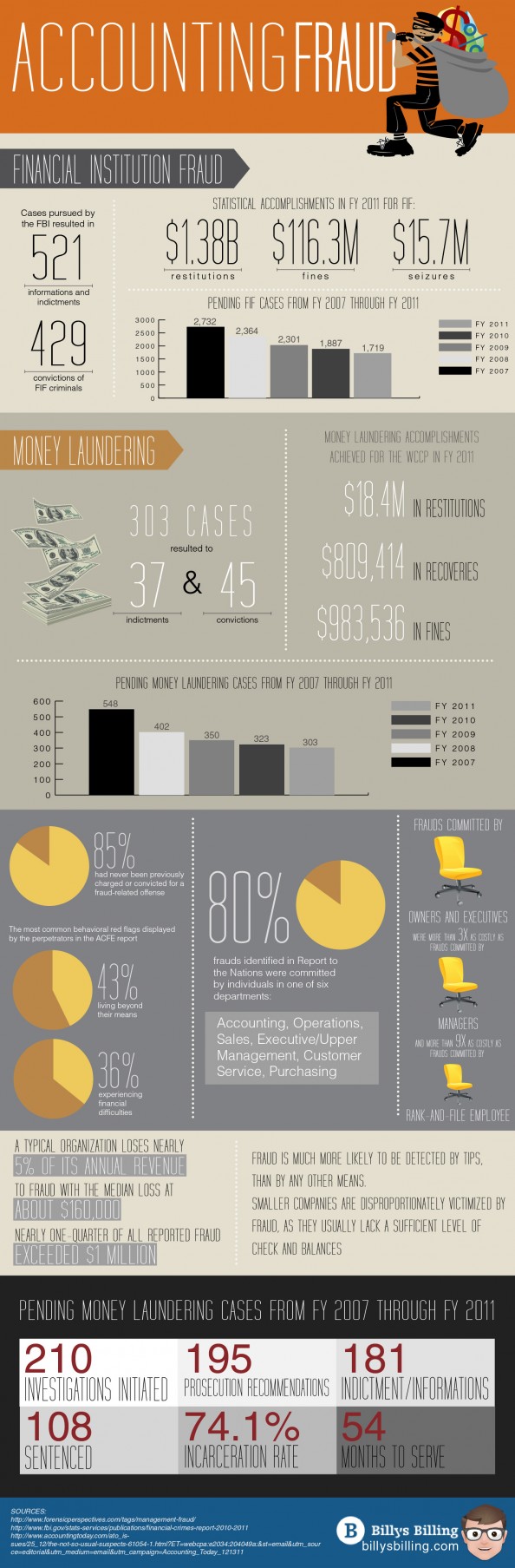
The law was created “to combat illicit activity including tax fraud, money laundering and financing for terrorism by capturing more ownership information for specific U.S. businesses operating in or accessing the country’s market,” the chamber website explained.
COMMENTS APPRECIATED
BREAKING NEWS
A federal court has ruled that the beneficial ownership information (BOI) reporting requirements established by the Corporate Transparency Act (CTA) are unconstitutional123. The decision is currently under appeal1.
Subscribe and Refer Today
***
***
Share this:

Filed under: "Ask-an-Advisor", Accounting, Experts Invited, Funding Basics, iMBA, Inc., Taxation | Tagged: Accounting, Beneficial Ownership Information Report, BOI, BOI reporting, business, CFP, Corporate Transparency Act, CTA, DC, DO, DPM, finance, financial advisor, financial planner, FinCEN, money laundering, small business, small-business, tax, tax fraud, US Chamber Commerce, US Department Treasury | Leave a comment »







 The Leading Business Education Network for Doctors, Financial Advisors and Health Industry Consultants