A Doctor – Economist’s Solution for Health Reform

My Laundry Wish List for all US Healthcare Stakeholders

By Dr. David Edward Marcinko; MBA, CMP™

[Publisher-in-Chief]Fox News

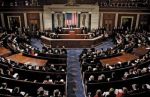
As President Obama spoke, prodded and cajoled for Congress to pass HR 3200-3400 in 2008, I believe that for any healthcare reform effort to work successfully for the American people – for the long term – we need to consider the following in no particular prioritized order:

  • Insurance portability uncoupled from patient employment
  • Health insurance regional exchanges with inter-state purchase competition
  • Doctor, drug, DME and hospital pricing and payment transparency for HSAs, and all of us
  • Modifying or eliminating AMA owned CPT Codes®; a huge money maker for them
  • Abandoning ala’ carte medicine for values-based outcomes
  • Reduce JCAHO influence; encourage competition from Norwegian Det Norske Veritas [DNV]
  • Reduce big-pharma influence thru-out the entire medical education, career and care pipeline
  • End DTC advertising from big-pharma
  • Promote wholesale drug purchase competition, MC bidding and generic drugs
  • Encourage evidence-based medicine, not expert-based medicine
  • Less pay for medical specialists with a  re-evaluation of the hospitalist concept
  • Advance the dying art of physical diagnosis, teach and embrace Paretto’s 80/20 rule for clinic issues
  • Reduce lab test, diagnostic imaging and testing
  • Encourage private 24/7/365 medical offices and clinics; and on-site and retail clinics
  • Abandon P4P, medical homes and disease management ideas
  • Give more economic skin-in-game to patients relative to health benchmarks
  • Concretize the “never-event” prohibitions and include a list of patient health responsibilities
  • More pay for primary care docs and internists
  • Adopt digital records and cloud computing for patients
  • Phase in true eHRs incrementally; and abandon CCHIT for open source SaaS
  • Promote Health 2.0 social media.
  • Augmented scope of practice, numbers and pay for NPs and DNPs, etc
  • Reduce pay for CRNAs and increase it for staff RNs
  • Develop step down triage and treatment units to reduce the number of full service ERs
  • Increase medical, osteopathic, dental, optometric and podiatric medical school classes
  • Increased practice scope for dentists, podiatrists and optometrists
  • Make some sort of catastrophic HI mandatory, much like auto insurance for all
  • End pre-existing conditon health insurance contract clauses
  • More choice  and end of life control for the terminally ill patient
  • Increase marketplace competition with fewer political and financial “externalities”.
  • Teach basic healthcare topics in school and encourage physical exercise
  • Health and insurance education should be, but is not, the “answer” for Americans
  • Protect borders and discourage undocumented illegals
  • Adopt medical malpractice tort reform
  • Make all stakeholders fiduciaries
  • No public “option” unless you like food stamps, Section 8 housing, public transportation and schools
  • Budget deficit neutrality
  • Slow down!

Assessment

Recently, while in the Baltimore/Washing area, I was asked by several reporters to opine on the healthcare debate; which I did so freely having never been known as the shy type. And, regular readers will note that many of these items have been used as posts or comments on this ME-P. Unfortunately, my “laundry list” interview was pre-empted by two local but boisterous town-hall meetings with respective passionate politicians. It was redacted no doubt, but never broadcast. Thus, I missed the potential for my “five minutes” of fame. C’est la vive!

Conclusion

There you have it; direct and straight forward. And so, your thoughts and comments on this Medical Executive-Post are appreciated. Feel free to review our top-left column, and top-right sidebar materials, links, URLs and related websites, too. Then, be sure to subscribe to the ME-P. It is fast, free and secure.

Link: http://feeds.feedburner.com/HealthcareFinancialsthePostForcxos

Speaker: If you need a moderator or speaker for an upcoming event, Dr. David E. Marcinko; MBA – Publisher-in-Chief of the Executive-Post – is available for seminar or speaking engagements. Contact: MarcinkoAdvisors@msn.com

Our Other Print Books and Related Information Sources:

Practice Management: http://www.springerpub.com/prod.aspx?prod_id=23759

Physician Financial Planning: http://www.jbpub.com/catalog/0763745790

Medical Risk Management: http://www.jbpub.com/catalog/9780763733421

Healthcare Organizations: www.HealthcareFinancials.com

Health Administration Terms: www.HealthDictionarySeries.com

Physician Advisors: www.CertifiedMedicalPlanner.com

THANK YOU

ReThinking Medical Professional Autonomy in the Era of Obama Care

Eying Contemporary Medical Ethics in Healthcare Reform

By Render S. Davis; MSA, CHE

And, Staff Reportersbiz-book

Not so long ago, a physician’s clinical judgment was virtually unquestioned. Now with the advent of clinical pathways and case management protocols, many aspects of treatment are outlined in algorithm-based plans that allied health professionals may follow with only minimal direct input from a physician. Much about this change has been good. Physicians have been freed from much tedious routine and are better able to watch more closely for unexpected responses to treatments or unusual outcomes and then utilize their knowledge to chart an appropriate response.  

Restrictive Protocols

What is of special concern, though, is the restrictive nature of protocols in some managed care plans that may unduly limit a physician’s clinical prerogatives to address a patient’s specific needs. Such managed care plans may prove to be the ultimate bad examples of “cook book” medicine. While some may find health care and the practice of medicine an increasingly stressful and unrewarding field, others are continuing to search for ways to assure that caring, compassionate, and ethically rewarding medicine remain at the heart of our health care system.

Assessment

Link: For another opinion: http://healthcareorganizationalethics.blogspot.com/2009/09/obamas-speech-good-ethics-and-good.html

Conclusion

And so, your thoughts and comments on this Medical Executive-Post are appreciated. How does the specter of HR 3200-3400 in the healthcare reform debate impact the concept of medical autonomy and professional ethics? Feel free to review our top-left column, and top-right sidebar materials, links, URLs and related websites, too. Then, be sure to subscribe to the ME-P. It is fast, free and secure.

Link: http://feeds.feedburner.com/HealthcareFinancialsthePostForcxos

Speaker: If you need a moderator or speaker for an upcoming event, Dr. David E. Marcinko; MBA – Publisher-in-Chief of the Executive-Post – is available for seminar or speaking engagements. Contact: MarcinkoAdvisors@msn.com 

Get our Widget: Get this widget!

Our Other Print Books and Related Information Sources:

Practice Management: http://www.springerpub.com/prod.aspx?prod_id=23759

Physician Financial Planning: http://www.jbpub.com/catalog/0763745790

Medical Risk Management: http://www.jbpub.com/catalog/9780763733421

Healthcare Organizations: www.HealthcareFinancials.com

Health Administration Terms: www.HealthDictionarySeries.com

Physician Advisors: www.CertifiedMedicalPlanner.com

About Docs4PatientCare

Politically Involved Physicians

By Staff ReportersUS Senate

Docs4PatientCare is a grassroots organization of concerned physicians committed to the establishment of a health care system that preserves the sanctity of the doctor-patient relationship, promotes quality of care, supports affordable access to all Americans, and protects patients’ freedom of choice.

Mission

According to their website, Docs4PatientCare urges patients and physicians to get involved in the current healthcare debates in order to preserve the good qualities of our healthcare system, address the problems, while preventing their bureaucratic destruction.

Board Members

President: Hal Scherz, MD
Vice President: Fred Shessel, MD
Secretary: Tod Rubin, MD
Treasurer: Joanne Thurston CPA

Board of Directors

Scott Barbour, MD
Carl Capelouto, MD
Ron Anglade, MD
Terry Murphy, MD
Mike Koriwchak, MD
Barry Zisholtz, MD

Assessment

D4PC is a group of practicing physicians uniting to represent the interests and concerns of both patients and doctors in the healthcare reform debate.  D4PC endorses the concept of needed healthcare reform, but recognizes it can only be accomplished by proceeding in a cautious and responsible manner. Their recommendations seek to enable them to reach this goal without requiring the nationalization of the entire American healthcare system.

But, should medical professionals be involved in such political organizations?

Link: http://docs4patientcare.org

Conclusion

And so, your thoughts and comments on this Medical Executive-Post are appreciated. Are these sorts of organizations a form of self-aggrandizement; or not? Can you cite any others? Feel free to review our top-left column, and top-right sidebar materials, links, URLs and related websites, too. Then, be sure to subscribe to the ME-P. It is fast, free and secure.

Link: http://feeds.feedburner.com/HealthcareFinancialsthePostForcxos

Speaker: If you need a moderator or speaker for an upcoming event, Dr. David E. Marcinko; MBA – Publisher-in-Chief of the Executive-Post – is available for seminar or speaking engagements. Contact: MarcinkoAdvisors@msn.com 

Get our Widget: Get this widget!

Our Other Print Books and Related Information Sources:

Practice Management: http://www.springerpub.com/prod.aspx?prod_id=23759

Physician Financial Planning: http://www.jbpub.com/catalog/0763745790

Medical Risk Management: http://www.jbpub.com/catalog/9780763733421

Healthcare Organizations: www.HealthcareFinancials.com

Health Administration Terms: www.HealthDictionarySeries.com

Physician Advisors: www.CertifiedMedicalPlanner.com

The Largest Purchaser of Domestic Healthcare?

Join Our Mailing List

It’s the Government – Silly

By Ann Miller; RN, MHA

[Executive Director]ERT Prison Healthcare

By far, our federal government is the largest purchaser of healthcare services, according to Robert James Cimasi MHA, AVA, CMP™ of Health Capital Consultants, in St. Louis, MO; and many others.

Obama Care

Although the government faces immense pressure to control healthcare costs, especially during the current HR 3200-3400 debates, it also faces pressure to expend additional funds in order to achieve its ostensible primary mission in its involvement in healthcare, i.e., to expand and improve public health.

Federal Payment Schemes

In many ways the government has led the way for cost control through its development of resource-based reimbursement, prospective payment systems, budget limitations and other payment schemes. However, its conflicting goals have led it to approach these controls in a hesitant and piecemeal manner rather than effecting bold, comprehensive reforms.

Consider, for example, the lack of government intervention in the face of mounting pressure to remove some of the barriers preventing a reduction in US pharmaceutical costs.

Assessment

Today, most experts agree that Uncle Sam pays for at least 51% of domestic healthcare when Medicare, Medicaid, SHIPS, the VA, Indian and Prison Healthcare Systems are considered. In fact, according to our Publisher-in-Chief, Dr. David Edward Marcinko; MBA:

‘We already have a single payer health system in this country, but most folks just don’t realize it.”

Conclusion

Your thoughts and comments on this ME-P are appreciated. Feel free to review our top-left column, and top-right sidebar materials, links, URLs and related websites, too. Then, subscribe to the ME-P. It is fast, free and secure.

Link: http://feeds.feedburner.com/HealthcareFinancialsthePostForcxos

Speaker: If you need a moderator or speaker for an upcoming event, Dr. David E. Marcinko; MBA – Publisher-in-Chief of the Medical Executive-Post – is available for seminar or speaking engagements. Contact: MarcinkoAdvisors@msn.com

OUR OTHER PRINT BOOKS AND RELATED INFORMATION SOURCES:

DICTIONARIES: http://www.springerpub.com/Search/marcinko
PHYSICIANS: www.MedicalBusinessAdvisors.com
PRACTICES: www.BusinessofMedicalPractice.com
HOSPITALS: http://www.crcpress.com/product/isbn/9781466558731
CLINICS: http://www.crcpress.com/product/isbn/9781439879900
BLOG: www.MedicalExecutivePost.com
FINANCE: Financial Planning for Physicians and Advisors
INSURANCE: Risk Management and Insurance Strategies for Physicians and Advisors

Product DetailsProduct DetailsProduct Details

Off-Road Touring with Dr. Marcinko [Part VIII]

Interview with David B. Lumsden; MD

By Dr. David Edward Marcinko; MBA, CMP™

[Publisher-in-Chief]

Dateline: Baltimore Maryland,Dr. Lumsden Formal August 10, 2009.

About David B. Lumsden MD

Dr. David Lumsden; MS, MA practices general orthopedic surgery and trauma as a board certified surgeon and partner with Orthopedic and Hand Surgery Associates in Baltimore, Maryland. He completed his training in community health at Towson State University, earned Master’s Degree in Anatomy / Neuroanatomy at University of Maryland/Baltimore and Exercise Physiology at University of Maryland, College Park. He is a graduate of Penn State University School of Medicine. Dr. Lumsden completed his internship and residency at Union Memorial Hospital with associative residency training at Johns Hopkins and the world renowned Shock Trauma Center at the University of Maryland, Baltimore City. 

Our Brief Interview

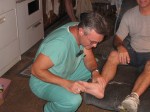
When I caught up with David during a recent house-call visit, we discussed many things; especially the American Affordable Health Choices Act [HR-3200]. Unfortunately; I did not have my audio-recorder with me. So, here are a few points of interest about him that I jotted down, from memory, in my ever-present reporter’s notebook. No doubt, I missed many more:

  • He became a physician as a career change in mid-life.
  • He has read HR 3200 in its’ entirety.
  • He hired an attorney for HR 3200 interpretation and review.
  • He is for healthcare reform, but against HR 3200.
  • He is against a public health care plan.
  • He is against individual insurance mandates.
  • He does 10-12 house-calls every month.
  • He does not charge MC, MD or VA house-call patients; rarely bills them and/or accepts assignment without balance billing.
  • He regularly operates on same, under similar terms.
  • He does other pro-bono work.
  • He practices defensive medicine.
  • He is for tort reform.
  • He is not a member of the AMA with no plans to join.

Assessment

Review and vote for -or- against HR 3200 here: http://www.opencongress.org/bill/111-h3200/text

About Off Road with Dr. MarcinkoDavid Lumsden; MD

These sporadic off-road segments will continue through-out my 2009 summer promotional tour. Formal attendance increased toward the later part of the summer as the Obama Administration’s healthcare debates heated up. Our many local book stores and sponsors noted a spike in our CD and book sales, as well as interest in our online www.CertifiedMedicalPlanner.com program and premier quarterly guide: Healthcare Organizations [Journal of Financial Management Strategies] www.HealthcareFinancials.com

Part VII: https://healthcarefinancials.wordpress.com/2009/09/01/off-road-touring-with-dr-marcinko-part-vii/

Conclusion

And so, your thoughts and comments on this Medical Executive-Post are appreciated. Feel free to review our top-left column, and top-right sidebar materials, links, URLs and related websites, too. Then, be sure to subscribe to the ME-P. It is fast, free and secure.

Link: http://feeds.feedburner.com/HealthcareFinancialsthePostForcxos

Speaker: If you need a moderator or speaker for an upcoming event, Dr. David E. Marcinko; MBA – Publisher-in-Chief of the Executive-Post – is available for seminar or speaking engagements. Contact: MarcinkoAdvisors@msn.com 

Get our Widget: Get this widget!

Our Other Print Books and Related Information Sources:

Practice Management: http://www.springerpub.com/prod.aspx?prod_id=23759

Physician Financial Planning: http://www.jbpub.com/catalog/0763745790

Medical Risk Management: http://www.jbpub.com/catalog/9780763733421

Healthcare Organizations: www.HealthcareFinancials.com

Health Administration Terms: www.HealthDictionarySeries.com

Physician Advisors: www.CertifiedMedicalPlanner.com

Subscribe Now: Did you like this Medical Executive-Post, or find it helpful, interesting and informative? Want to get the latest ME-Ps delivered to your email box each morning? Just subscribe using the link below. You can unsubscribe at any time. Security is assured.

Link: http://feeds.feedburner.com/HealthcareFinancialsthePostForcxos

Sponsors Welcomed

And, credible sponsors and like-minded advertisers are always welcomed.

Link: https://healthcarefinancials.wordpress.com/2007/11/11/advertise

On Regional Extension Centers [RECs]

Join Our Mailing List

Another New Governmental Machination?

[By Staff Reporters]

A Regional (health information) Extension Center [REC] is similar to a Health Information Organization [HIO] that brings together healthcare stakeholders within a defined geographic area and governs Health Information Exchange [HIE] among them for the purpose of improving health and care in that community.

Fundamental to this definition is the meaning of Health Information Exchange and Health Information Organization. A Health Information Organization (HIO) is an organization that oversees and governs the exchange of health-related information among organizations according to nationally recognized standards.

Thus, the goal of an REC is to act as a local support organization to help doctors install electronic health records and use them to achieve improved quality, efficiency, and continuity of care.

Past and Present

The RECs are based on the example of agricultural extension offices, established over 100 years ago by Congress, which offered rural outreach and educational services across the country.

Today, the HITECH Act amends Title XXX of the Public Health Service Act by adding Section 3012, Health Information Technology Implementation Assistance. This section provides supportive services for the rest of the HITECH Act. Section 3012 (a) establishes the Health Information Technology Extension Program (Extension Program). The Extension Program provides grants for the establishment of Health Information Technology 

Assessment

Link: Regional Extension Center

Link: http://www.chhs.ca.gov/initiatives/HealthInfoEx/Documents/SUMMIT%20DOCUMENTS/RECSummitSlides_FinalDraft-7-15.pdf

Link: HIT Extension Program – Regional Centers Cooperative Agreement Program

Conclusion

Your thoughts and comments on this ME-P are appreciated. Feel free to review our top-left column, and top-right sidebar materials, links, URLs and related websites, too. Then, subscribe to the ME-P. It is fast, free and secure.

Link: http://feeds.feedburner.com/HealthcareFinancialsthePostForcxos

Speaker: If you need a moderator or speaker for an upcoming event, Dr. David E. Marcinko; MBA – Publisher-in-Chief of the Medical Executive-Post – is available for seminar or speaking engagements. Contact: MarcinkoAdvisors@msn.com

OUR OTHER PRINT BOOKS AND RELATED INFORMATION SOURCES:

Product DetailsProduct Details

Product Details