Understanding the Boomerang Effect in Psychology and Medicine

DEFINITION

By Staff Reporters

***

***

Classic Definition: The Boomerang[ing] paradox is a feedback loop or cycle where events come back positively or negatively. It is an interconnection between people that looks like an ecosystem.

Modern Circumstance: When our thoughts and words energetically go out into the world, it has the same effect as the boomerang. It will go all the way out and come back around. That part of the creation model is our thinking and speaking. We’re unconscious and co-creating our reality. The Boomerang effect is everywhere: politics, business, relationships, economics, environment, marketing, psychology and healthcare, etc.

PSYCHOLOGY

Paradox Example: Research has found that teaching people and patients about psychological biases can help counteract biased behavior. On the other hand, due to the innate need for preservation of a positive self-image, it is likely that teaching people about biases they hold, may cause a boomerang paradoxical effect in cases where being associated with a specific bias implies negative social connotations

MEDICINE

Paradox Example: Recent examples of a boomerang paradoxical drug effects is with osteoporosis medications such as Actonel, Boniva and Fosamax. These all belong to a class of drugs called bisphosphonates. They are supposed to strengthen bones, but some doctors report that long-term use of these drugs may actually pose a risk of certain unusual fractures.

ECONOMICS

Paradox Example: A characteristic of advanced economies like Australia is continual growth in household income and plunging costs of electric appliances, resulting in rapid growth in peak demand. The power grid in turn requires substantial incremental generating and network capacity, which is utilized momentarily at best. The result is the Boomerang Paradox, in which the nation’s rising wealth has created the pre-conditions for fuel poverty.

***

The Medical Executive-Post is a  news and information aggregator and social media professional network for medical and financial service professionals. Feel free to submit education content to the site as well as links, text posts, images, opinions and videos which are then voted up or down by other members. Comments and dialog are especially welcomed. Daily posts are organized by subject. ME-P administrators moderate the activity. Moderation may also conducted by community-specific moderators who are unpaid volunteers.

COMMENTS APPRECIATED

***

***

Like and Refer

HEALTH: Public V. Population

By Dr. David Edward Marcinko MBA MEd

SPONSOR: http://www.CertifiedMedicalPlanner.org

***

***

Population health and public health are two interrelated disciplines that strive to enhance the health outcomes of communities. While they share a common mission—to reduce health disparities and promote wellness—their approaches, target populations, and operational frameworks differ significantly.

***

***

Public health is traditionally defined as the science and art of preventing disease, prolonging life, and promoting health through organized efforts and informed choices of society, organizations, public and private sectors, communities, and individuals. It focuses on the health of the general population and emphasizes broad interventions such as vaccination programs, sanitation, health education, and policy advocacy. Public health professionals often work in government agencies, nonprofit organizations, and academic institutions to implement community-wide initiatives that prevent disease and promote healthy behaviors.

***

***

In contrast, population health takes a more targeted approach. It refers to the health outcomes of a specific group of individuals, including the distribution of such outcomes within the group. This field is particularly concerned with the social determinants of health—factors like income, education, environment, and access to care—that influence health disparities. Population health strategies often involve data-driven interventions tailored to the needs of defined groups, such as rural communities, ethnic minorities, or patients with chronic conditions.

One key distinction lies in scope and granularity. Public health initiatives are typically designed for the entire population, aiming to create systemic change. For example, anti-smoking campaigns or water fluoridation programs benefit everyone regardless of individual risk. Population health, however, might focus on reducing diabetes rates among Hispanic adults in a specific urban area, using targeted outreach and culturally sensitive care models.

Another difference is in data utilization. Population health relies heavily on health informatics and analytics to identify trends, allocate resources, and evaluate outcomes. This evidence-based approach supports precision in addressing health inequities. Public health also uses data, but often at a broader level to guide policy and monitor general health indicators like life expectancy or disease prevalence.

Despite these differences, the two fields are complementary. Public health lays the foundation for healthy societies through preventive infrastructure, while population health builds on this by addressing nuanced needs within subgroups. Together, they form a holistic framework for improving health outcomes across diverse communities.

In today’s healthcare landscape, the integration of public and population health is increasingly vital. The COVID-19 pandemic underscored the importance of both approaches: public health measures like mask mandates and vaccination campaigns were essential, while population health efforts ensured vulnerable groups received targeted support.

In conclusion, while public health and population health differ in focus and methodology, they are united by a shared goal: to foster healthier communities. Understanding their distinctions enables more effective collaboration and innovation in health policy, care delivery, and community engagement.

COMMENTS APPRECIATED

EDUCATION: Books

SPEAKING: ME-P Editor Dr. David Edward Marcinko MBA MEd will be speaking and lecturing, signing and opining, teaching and preaching, storming and performing at many locations throughout the USA this year! His tour of witty and serious pontifications may be scheduled on a planned or ad-hoc basis; for public or private meetings and gatherings; formally, informally, or over lunch or dinner. All medical societies, financial advisory firms or Broker-Dealers are encouraged to submit an RFP for speaking engagements: CONTACT: Ann Miller RN MHA at MarcinkoAdvisors@outlook.com -OR- http://www.MarcinkoAssociates.com

Like, Refer and Subscribe

***

***

Essential Investing Tips for New Physicians

HOW TO COMMENCE THE FINE ART OF MONEY

***

By Dr. David Edward Marcinko MBA MEd CMP

SPONSOR: http://www.CertifiedMedicalPlanner.org

Investing may seem complicated, but today there are many ways for the newly minted physician [MD, DO, DPM, DMD or DDS] to begin, even with minimal knowledge and only a small amount to invest. Starting as soon as possible will help you get closer to the retirement you deserve.

***


Why is investing important?

Investing often feels like a luxury reserved for the already wealthy physician. Many of us find it difficult to think about investing for the future when there are so many things we need that money for right now; medical school loans, auto, home and children; etc. But, at some point, we’re going to want to stop working and enjoy retirement. And simply put, retirement is expensive.

Most calculations advise that you aim for enough savings to give you 70% to 80% of your pre-retirement income for 20 years or more. Depending on your goals for retirement, that means you could need between $500,000 and $1 million in savings by the time you retire. That may not sound attainable, but with the power of compounding growth, it’s not as hard to achieve as you think. The key is starting as soon as possible and making smart choices.

INVESTMENT TYPES: https://medicalexecutivepost.com/2025/08/26/

When should you start investing?

The short answer is “now,” no matter what your age. Due to the way the gains in investments can compound, the earlier you start the better. Money invested in your 20s could very easily grow over 20 times before you retire, without you having to do much. That is powerful. Even if you’re in your 50s or older, you can still make significant progress toward meeting your goals in retirement.

How much should you invest per month?

Most financial experts say you should invest 10% to 15% of your annual income for retirement. That’s the goal, but you don’t have to get there immediately. Whatever you can start investing today is going to help you down the road.

So, if 10% to 15% is too much right now, start small and build toward that goal over time. You can actually start investing with $5 if you want. And you should. Some investment products require a minimum investment, but there are plenty that don’t, and a lot of online brokerage accounts can be started for free.

BROKE DOCTORS: https://medicalexecutivepost.com/2025/08/02/doctors-going-broke-and-living-paycheck-to-paycheck/

Good beginner investments.

The best investments for you are going to depend on your age, goals, and strategy. The important thing is to get started. You’ll learn as you go. If you have questions, a dedicated DIYer or investment advisor can help give you the guidance and options you need.

ALTERNATIVE INVESTMENTS: https://medicalexecutivepost.com/2022/06/06/risk-aversion-and-investment-alternatives/

COMMENTS APPRECIATED

EDUCATION: Books

SPEAKING: Dr. Marcinko will be speaking and lecturing, signing and opining, teaching and preaching, storming and performing at many locations throughout the USA this year! His tour of witty and serious pontifications may be scheduled on a planned or ad-hoc basis; for public or private meetings and gatherings; formally, informally, or over lunch or dinner. All medical societies, financial advisory firms or Broker-Dealers are encouraged to submit an RFP for speaking engagements: CONTACT: Ann Miller RN MHA at MarcinkoAdvisors@outlook.com -OR- http://www.MarcinkoAssociates.com

Like and Subscribe

***

***

STOCK MARKET INDEX OPTIONS: Puts and Calls

By Dr. David Edward Marcinko MBA MEd

SPONSOR: http://www.MarcinkoAssociates.com

***

***

Understanding Stock Market Options: A Strategic Investment Tool

Stock market options are financial instruments that offer investors a versatile way to participate in the equity markets. Unlike traditional stock trading, options provide the right—but not the obligation—to buy or sell an underlying asset at a predetermined price within a specified time frame. This flexibility makes options a powerful tool for hedging, speculation, and income generation.

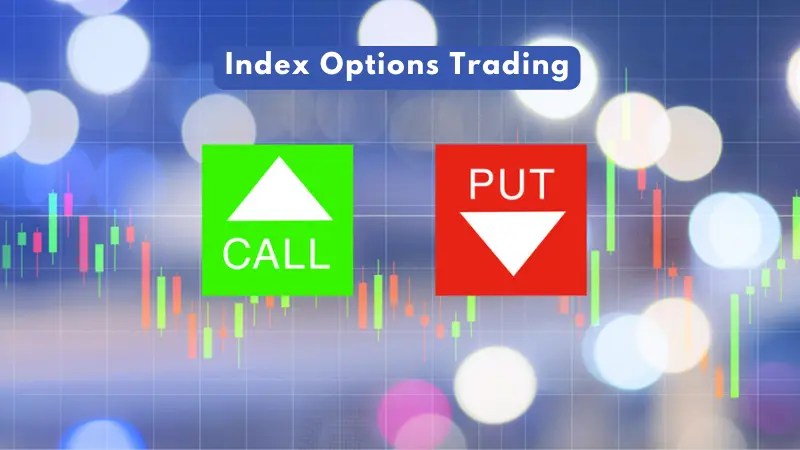
There are two primary types of options: calls and puts. A call option gives the holder the right to buy a stock at a specific price, known as the strike price, before the option expires. Investors typically purchase call options when they anticipate a rise in the stock’s price. Conversely, a put option grants the right to sell a stock at the strike price, and is used when an investor expects the stock to decline. Each option contract typically represents 100 shares of the underlying stock.

Options are traded on regulated exchanges such as the Chicago Board Options Exchange (CBOE), and their prices are influenced by several factors. These include the underlying stock’s price, the strike price, time until expiration, volatility, and prevailing interest rates. The premium, or cost of the option, reflects these variables and represents the maximum loss for the buyer.

***

***

One of the most compelling uses of options is hedging. Investors can use options to protect their portfolios against adverse price movements. For example, owning put options on a stock can offset potential losses if the stock’s value drops. This strategy is akin to purchasing insurance and is especially valuable during periods of market uncertainty.

Options also enable speculative strategies with limited capital. Traders can leverage options to bet on price movements without owning the underlying asset. While this can lead to significant gains, it also carries substantial risk, particularly if the market moves against the position. Therefore, understanding the mechanics and risks of options is crucial before engaging in such trades.

Another popular strategy involves writing options, or selling them to collect premiums. Covered call writing, for instance, involves holding a stock and selling call options against it. This generates income but caps potential upside if the stock surges beyond the strike price. Similarly, cash-secured puts allow investors to earn premiums while potentially acquiring stocks at a discount.

Despite their advantages, options are not suitable for all investors. Their complexity and potential for rapid loss require a solid grasp of financial concepts and disciplined risk management. Regulatory bodies and brokerages often require investors to pass suitability assessments before granting access to options trading.

In conclusion, stock market options are dynamic instruments that offer a range of strategic possibilities. Whether used for hedging, speculation, or income, they provide flexibility that traditional stock trading cannot match. However, their effective use demands education, experience, and a clear understanding of market behavior. For informed investors, options can be a valuable addition to a diversified financial toolkit.

COMMENTS APPRECIATED

EDUCATION: Books

SPEAKING: Dr. Marcinko will be speaking and lecturing, signing and opining, teaching and preaching, storming and performing at many locations throughout the USA this year! His tour of witty and serious pontifications may be scheduled on a planned or ad-hoc basis; for public or private meetings and gatherings; formally, informally, or over lunch or dinner. All medical societies, financial advisory firms or Broker-Dealers are encouraged to submit an RFP for speaking engagements: CONTACT: Ann Miller RN MHA at MarcinkoAdvisors@outlook.com -OR- http://www.MarcinkoAssociates.com

Like, Refer and Subscribe

***

***