

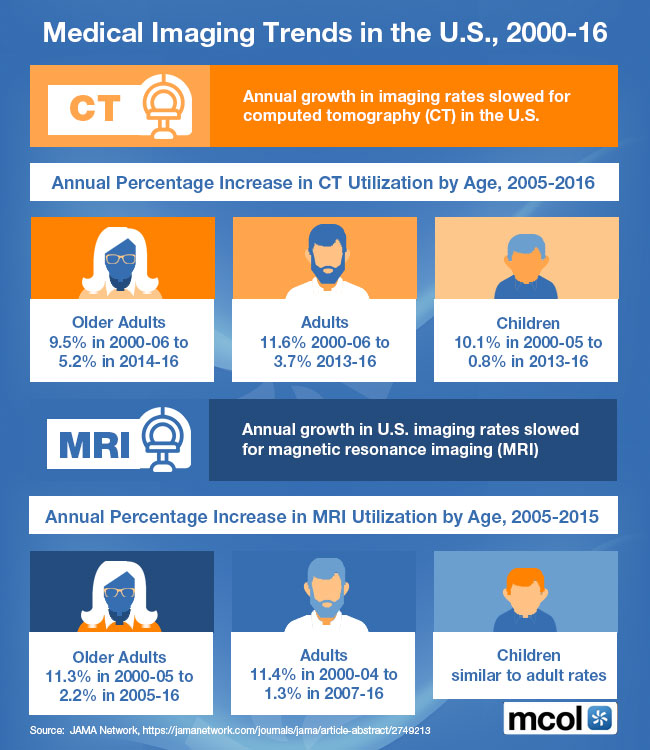
Circa 2000-2016
***
***
Assessment: Your thoughts are appreciated.
BUSINESS, FINANCE AND ECONOMICS TEXTS FOR DOCTORS:
THANK YOU
***
Share this:

Filed under: Quality Initiatives | Tagged: medical imaging trends | Leave a comment »
ME-P SYNDICATIONS:
WSJ.com,
CNN.com,
Forbes.com,
WashingtonPost.com,
BusinessWeek.com,
USNews.com, Reuters.com,
TimeWarnerCable.com,
e-How.com,
News Alloy.com,
and Congress.org


BOARD CERTIFICATION EXAM STUDY GUIDES
Lower Extremity Trauma
[Click on Image to Enlarge]
The “Medical Executive-Post” is about connecting doctors, health care executives and modern consulting advisors. It’s about free-enterprise, business, practice, policy, personal financial planning and wealth building capitalism. We have an attitude that’s independent, outspoken, intelligent and so Next-Gen; often edgy, usually controversial. And, our consultants “got fly”, just like U. Read it! Write it! Post it! “Medical Executive-Post”. Call or email us for your FREE advertising and sales consultation TODAY [678.779.8597] Email: MarcinkoAdvisors@outlook.com



 ePodiatryConsentForms.com
 “Providing Management, Financial and Business Solutions for Modernity”
 Support our online development, and advance our onground research initiatives in free market economics, as we seek to showcase the brightest Next-Gen minds.
THE ME-P DISCLAIMER: Posts, comments and opinions do not necessarily represent iMBA, Inc., but become our property after submission. Copyright © 2006 to-date. iMBA, Inc allows colleges, universities, medical and financial professionals and related clinics, hospitals and non-profit healthcare organizations to distribute our proprietary essays, photos, videos, audios and other documents; etc. However, please review copyright and usage information for each individual asset before submission to us, and/or placement on your publication or web site. Attestation references, citations and/or back-links are required. All other assets are property of the individual copyright holder.
Support our online development, and advance our onground research initiatives in free market economics, as we seek to showcase the brightest Next-Gen minds.
THE ME-P DISCLAIMER: Posts, comments and opinions do not necessarily represent iMBA, Inc., but become our property after submission. Copyright © 2006 to-date. iMBA, Inc allows colleges, universities, medical and financial professionals and related clinics, hospitals and non-profit healthcare organizations to distribute our proprietary essays, photos, videos, audios and other documents; etc. However, please review copyright and usage information for each individual asset before submission to us, and/or placement on your publication or web site. Attestation references, citations and/or back-links are required. All other assets are property of the individual copyright holder.


Circa 2000-2016
***
***
Assessment: Your thoughts are appreciated.
BUSINESS, FINANCE AND ECONOMICS TEXTS FOR DOCTORS:
THANK YOU
***
Filed under: Quality Initiatives | Tagged: medical imaging trends | Leave a comment »
Understand and Know the Difference
[By staff reporters]
Efficient – Performing or functioning in the best possible manner with the least waste of time and effort. The difference between effectiveness and efficiency can be summed up shortly, sweetly and succinctly right.
Effective – Produces the results you want. And that’s a very appropriate way to define effective, because we get the adjective from the noun effect—a result. It’s not too hard to remember the difference between affective and effective. You just have to use a small upside-down mnemonic device—when it comes to affective and effective, a is for emotion, and e is for action.
AFFECTIVE – Relating to moods, feelings, and attitudes.
MORE: https://www.grammarly.com/blog/affective-vs-effective/
***

***
Assessment – In taking into consideration resource consumption furthermore, Effectiveness is only about the output while Efficiency is about the outcome. In other words, to be effective is to “do the right things” while to be efficient is to “do things right.”.
Conclusion
Your thoughts and comments on this ME-P are appreciated. Feel free to review our top-left column, and top-right sidebar materials, links, URLs and related websites, too. Then, subscribe to the ME-P. It is fast, free and secure.
Link: http://feeds.feedburner.com/HealthcareFinancialsthePostForcxos
***


***
Filed under: Glossary Terms | Tagged: Efficient V. Effective V. Affective | Leave a comment »
***
***
***
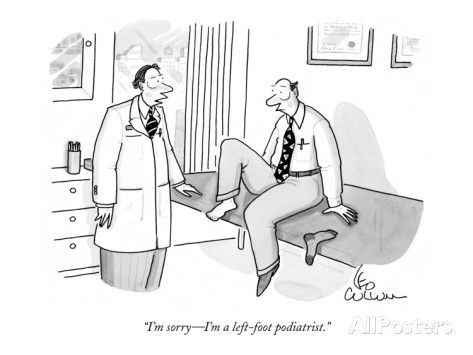
Filed under: Jokes and Puns | Tagged: Medical Specialty Specificty, Podiatry jokes | 1 Comment »
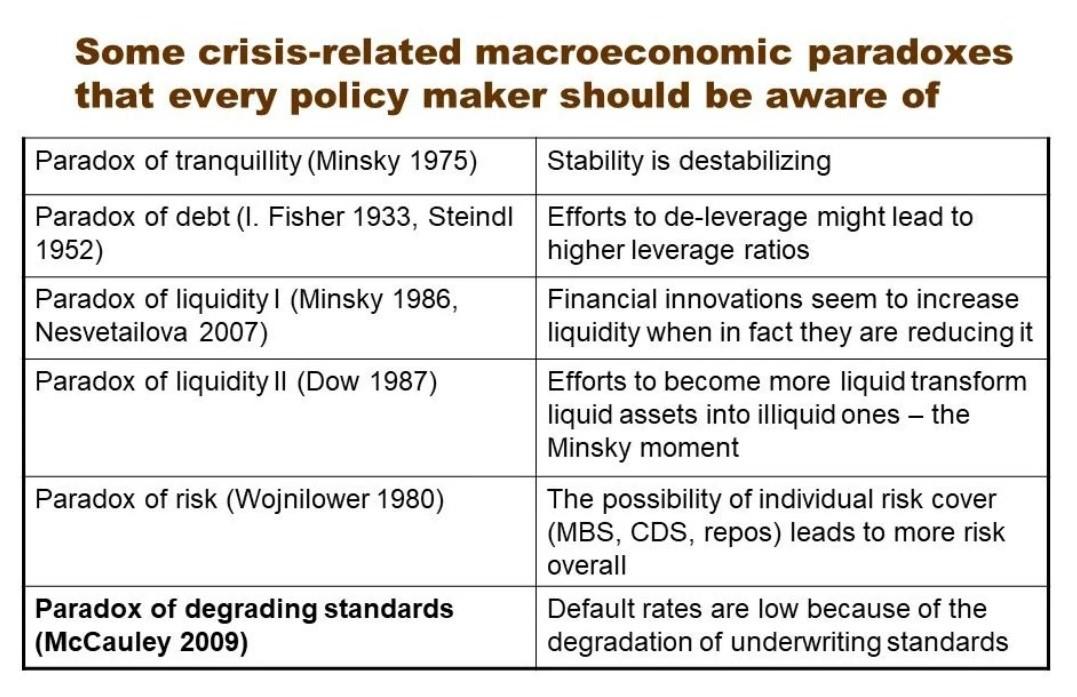
DECISION-MAKING AND THE “ANALYSIS OF PARALYSIS”
Courtesy: www.CertifiedMedicalPlanner.org
Analysis paralysis or paralysis by analysis is an anti-pattern, the state of over-analyzing (or over-thinking) a situation so that a decision or action is never taken, in effect paralyzing the outcome. A decision can be treated as over-complicated, with too many detailed options, so that a choice is not made.

ESSAY: https://medicalexecutivepost.com/2019/09/18/the-buridans-ass-paradox/
VIDEO: https://www.youtube.com/watch?v=9PhnHQQYprA
Your thoughts and comments are appreciated.
BUSINESS, FINANCE AND INSURANCE TEXTS FOR DOCTORS:
THANK YOU
***
Filed under: Career Development, Ethics | Tagged: Analysis of Paralysis, decision-making | Leave a comment »
Bonds an Investment Class Worth Some Excitement, Today?

By Rick Kahler CFP®
| “One thing I definitely don’t want in my portfolio is bonds,” a prospective client told me a few weeks ago. “Bonds are boring and don’t give good returns.”
Her confidence in her money script that bonds had no place in her portfolio was palpable. However, her understanding of the role bonds play in a portfolio was incomplete. I restrained myself from launching into a lecture on the importance of bonds and simply replied, “While it is true bonds can be boring, sometimes they can be phenomenally exciting.” Certainly stocks, commodities, and real estate investments are generally much more exciting. They are many times more volatile than bonds; in just a year it’s possible they might even gain or decline 50% in value. Meanwhile, individually held bonds and their mutual funds can crank out predictable coupon yields quarter after quarter after quarter, with one-third of the volatility of stocks. The cost of the lower volatility is that the long-term returns on bonds tend to be half to a third that of stocks. However, the bond market right now is anything but boring. So far this year, while stocks are back to prices roughly where they were in early 2018, a sharp fall in interest rates has caused bond investors to reap some significant capital gains. Bonds have an inverse relationship with interest rates. The value of most bonds increases when interest rates decline and go down when interest rates rise. ***
*** How significant are the gains in bonds? Since the beginning of 2019, investors in the 30-year Treasury bond have seen gains (interest plus price appreciation) of 26.4%. That would be an outstanding full year’s return for stocks. According to the Bloomberg Barclay’s U.S. Aggregate Bond Index, long-term bonds overall have generated a 23.5% return. Investment grade corporate bonds have returned 14.1%, while the 10-year Treasury note has gained 12.6%. Market observers have predicted for the last decade or so that bond rates have nowhere to go but up. What we’re seeing currently is a yield on the ten-year Treasury note of just under 1.47%. At the end of 2018 it was more than 3%. Will we see more of the same? It’s very hard to imagine that same 10-year Treasury falling another 1.5%—to zero yield. So the smart money says that most of the gains have already been taken, and anybody looking for 20-plus percent returns in long bonds going forward is just chasing them after the fact when returns are dropping. But how smart is smart? Just in case you agree and think interest rates have nowhere to go but up, consider that many countries in Europe actually have negative interest rates, where the investor or depositor pays to loan their money to organizations or banks. Another 1.5% fall to 0% interest rates could deliver similar 20% bond returns. Lessons Learned The lesson here is that even if you think of bonds as the boring part of your portfolio, there are times when they can add a little more kick to your returns than you might have expected. And in times of falling equity markets, they are an invaluable buffer against big losses. Still, with the long term probability that bonds produce a return half that of equities, there is a significant chance that they won’t sustain the 20-plus percent returns as rates stabilize and increase at some point in the future. Unlike the misinformed prospect I visited with, most investors over the age of 40 can benefit by having a substantial slice of their investment portfolio in bonds. Whether their returns are typically boring or occasionally exciting, bonds are an important asset class for diversified investors. Assessment: Your thoughts are appreciated. ***
*** |
Filed under: Investing | Tagged: bonds, Rick Kahler CFP | 1 Comment »
“POST HOC – ERGO PROPTER HOC”
Courtesy: https://lnkd.in/eBf-4vY
Post hoc ergo propter hoc (Latin: “after this, therefore because of this”) is an informal fallacy that states: “Since event Y followed event X, event Y must have been caused by event X.” It is often shortened simply to the post hoc fallacy.
Now, graduate student Paul Henne explains more in this video.
VIDEO: https://lnkd.in/eYnBVvq
MORE: https://lnkd.in/edgVes7
Your thoughts are appreciated.
BUSINESS, ECONOMICS, FINANCE AND INSURANCE TEXTS 4 DOCTORS:
***
THANK YOU
***
Filed under: Ethics | Tagged: "POST HOC - ERGO PROPTER HOC" | Leave a comment »
SOME COMMON RISK FACTORS FOR PHYSICIANS
Courtesy: https://lnkd.in/eBf-4vY
• Do you and or family members drive a vehicle?
• Do you have employees?
• Do you have professional malpractice exposure?
• Do you protect medical and/or financial data?
• Are you married?
• Do you have assets not protected by a PNA?
• Do you have a current tax obligation?
• Do you have children?
• Do you own a business?
• Are you a board member, officer or corporate director?
• Do you engage in activities like hunting, flying, boating, etc?
• Do you have partners who create joint and several liabilities?
• Do you have personal guarantees on other loans?
• Do you have tail liability for professional services in the past?
• Have you made specific legal or financial representations that others have relied upon in a business context?
Assessment
Now – What kind and what dollar amount of insurance and risk management planning have you implemented against these exposures?
TEXT: https://lnkd.in/ebWtzGg
FORWORD: https://lnkd.in/ewthS3b
MORE: https://lnkd.in/esEcDAS
Your thoughts are appreciated.
BUSINESS, RISK MANAGEMENT AND INSURANCE & FINANCIAL PLANNING BOOKS FOR DOCTORS:
 8
8
THANK YOU
***
Filed under: iMBA, Inc. | Leave a comment »
Binary Test Errors
[By staff reporters]
In medical testing, and more generally in binary classification, a false positive is an error in data reporting in which a test result improperly indicates presence of a condition, such as a disease (the result is positive), when in reality it is not present, while a false negative is an error in which a test result improperly indicates no presence of a condition (the result is negative), when in reality it is present.

Assessment
These are the two kinds of errors in a binary test (and are contrasted with a correct result, either a true positive or a true negative.) They are also known in medicine as a false positive (respectively negative) diagnosis, and in statistical classification as a false positive (respectively negative) error.
A false positive is distinct from overdiagnosis, and is also different from overtesting.
Conclusion: Your thoughts are appreciated.
***
Filed under: iMBA, Inc., Quality Initiatives | Tagged: false negative, false positive | 3 Comments »
ON “PRIME”, “COMPOSITE” AND “TWIN” NUMBERS
Courtesy: https://lnkd.in/eBf-4vY
[By staff reporters]
***
A “PRIME” number is greater than 1 and has no positive divisors other than 1; and itself.
A natural number greater than 1, that is not a prime number, is a “COMPOSITE” number. For example, 5 is prime because 1 and 5 are its only positive integer factors, whereas 6 is composite because it has the divisors 2 and 3 in addition to 1 and 6. ESSAY: https://lnkd.in/gJNcgad
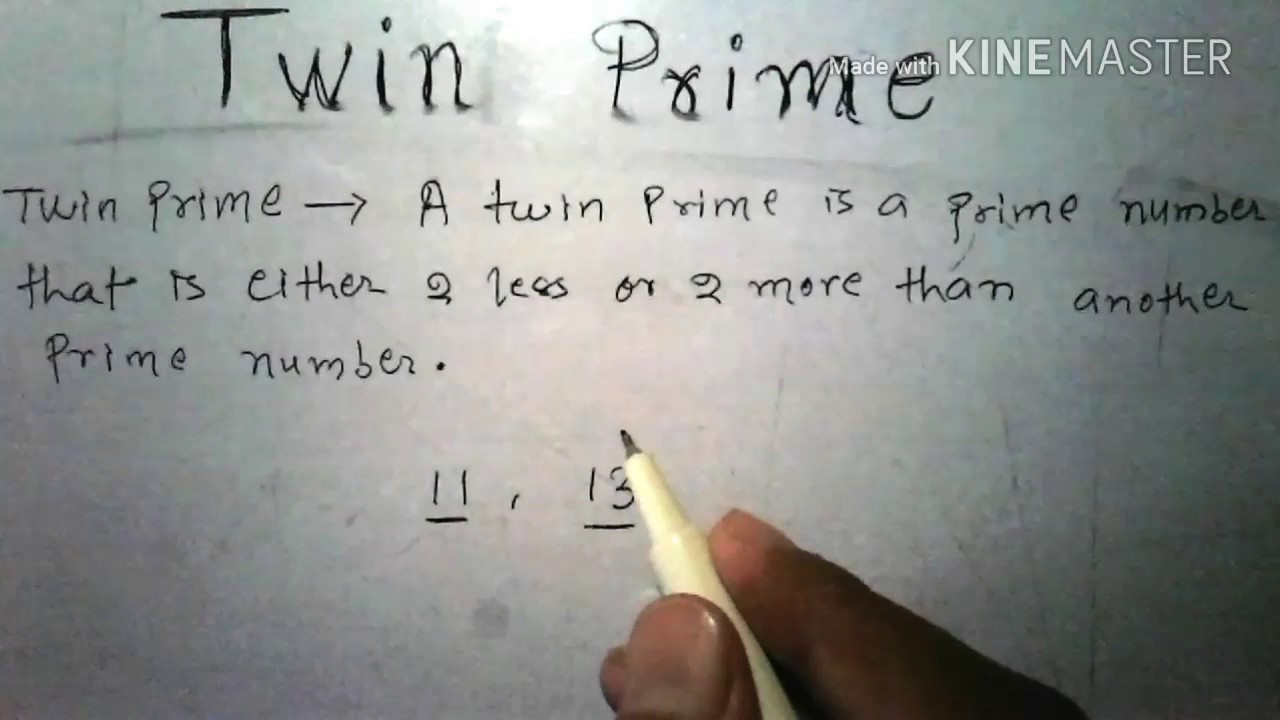
Now, a “TWIN PRIME” is a prime that is either 2 less or 2 more than another prime number [either member of the twin prime pair [41, 43]. In other words, a twin prime is a prime that has a prime gap of two.
***
***
LINK: https://lnkd.in/eJNz355
UTILITY: Prime numbers are used in cyphers and codes – including credit card numbers because prime factorization is unique.
An example is Gödel’s theorem which is used to argue that a computer can never be as smart as a human being because the extent of its knowledge is limited by a fixed set of axioms, whereas people can discover unexpected truths.
LINK: https://www.scientificamerican.com/article/what-is-godels-theorem/
It also plays a part in modern linguistic theories which emphasize the power of language to find new ways to express ideas. Your thoughts are appreciated.
Assessment: Your thoughts are appreciated.
***
8
***
Filed under: Health Economics | Tagged: composite numbers, Gödel's theorem, prime numbers, twin prime numbers | Leave a comment »
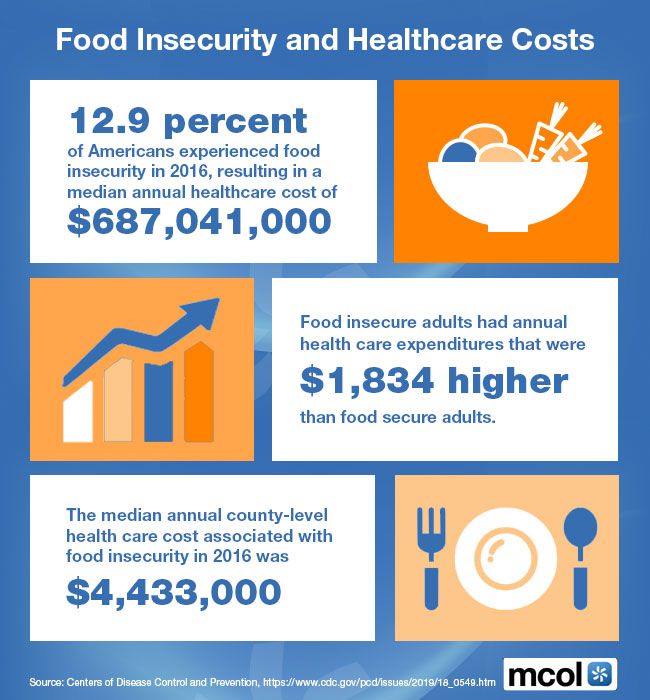
InfoGraphic
***
***
***
Filed under: Health Economics, Healthcare Finance | Tagged: food insecurity, healthcare costs | Leave a comment »
Trust with Caution
By Rick Kahler CFP
Early this year, dozens of expatriate Americans living in San Miguel de Allende, Mexico, found out that an employee of Monex Bank had emptied up to 158 accounts of some $40,000,000. Many of the customers lost their entire retirement savings. The employee had worked for the bank for 20 years. Apparently she had been siphoning off money from accounts for months and sending the depositors fake statements to cover the disappearing funds.
According to an article by David Welch that appeared in Bloomberg Businessweek on May 23, 2019, the banker had promised these depositors “fat returns” in investments that would be immune to the peso’s fluctuations. Such promises are common to many fraudulent schemes where investors are duped out of their money.
“Too good to be true”
In this case, the all too familiar scam of promising returns “too good to be true” was promulgated by an employee of an international bank with assets of $5.2 billion. Even more unusual is that while the bank said they would make their customers whole again, only one of the 158 had received all of his funds back at the time the Bloomberg article was published. A bank employee admitted that was a mistake and asked the depositor to send back a portion of the check.
One of the defrauded investors was quoted as saying, “Part of this is my fault. I wasn’t even remotely suspicious.”
Such trust is exactly what scammers and con artists rely on. The most important vulnerability they exploit is ignorance. We tend to think of financial predators taking advantage of the poor, the elderly, and the uneducated. To some extent, this is certainly true. But the poor have no monopoly on financial ignorance.
***

***
In order to make money from their schemes, scammers need to target people with enough money to be worth preying on. The ability to earn a lot of money and the ability to manage money wisely do not necessarily go together. The infamous Bernie Madoff, remember, cheated some wealthy and sophisticated investors out of million.
Some of the qualities that make us vulnerable to financial predators come from our own human flaws. We’d all like to believe those promises of faster, easier ways to make a lot of money or save a lot of money.
Some of our vulnerability, though, comes from our best selves. Scammers exploit our willingness to trust and even the integrity that can lead us to assume others are as honest as we are.
***

***
Taking action
Protecting yourself from financial predators requires being honest with yourself about the qualities that make you vulnerable. It also requires a willingness to take action to protect yourself, in several ways.
1. Acknowledge what you don’t know and ask for advice—from someone who has nothing to gain from whatever decision you make.
2. Educate yourself from neutral, reputable sources. There are countless websites, books, and classes to help you learn about investing and managing money.
3. Listen to your own feelings. If anything seems too good to be true, you probably know at some level that something isn’t right and the wise choice would be to say no.
4. Channel your inner skeptic. Any time someone offers you an incredible opportunity to make a lot of money, ask yourself what’s in it for them. Chances are they are working for themselves, not for you.
5. Pay attention. Read the fine print. Read account statements. Ask questions. If your queries are brushed aside, be willing to be that “difficult” customer who keeps asking.
Assessment
Finally, don’t be your own worst enemy. Don’t trust blindly. Don’t assume someone else will look out for your best interests. That responsibility is always up to you.
Conclusion: Your thoughts are appreciated.
8
***
Filed under: Information Technology | Tagged: hackers, online scams, Protect Yourself From Scammers | Leave a comment »
In 2020 and 2021
By Health Capital Consultants, LLC
***


Filed under: iMBA, Inc. | 4 Comments »
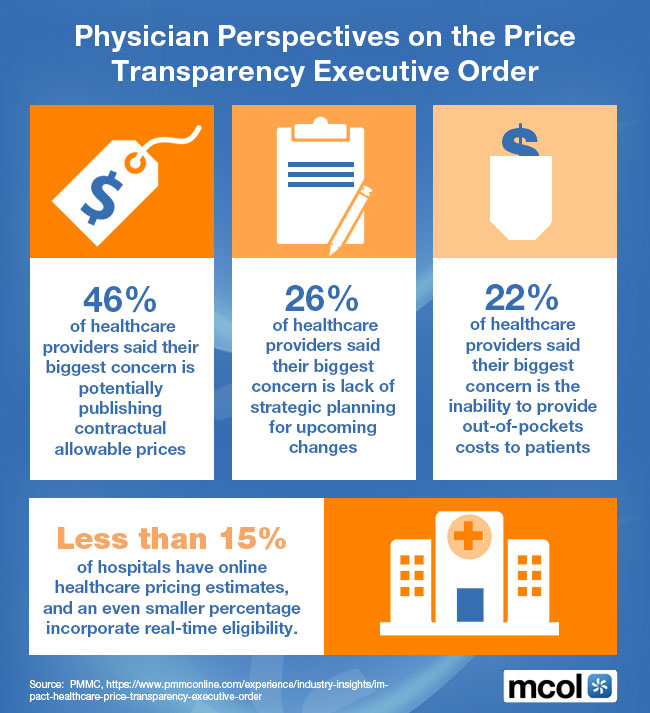
The “Executive” Order
***
***
***
Filed under: Health Economics, Health Insurance, Healthcare Finance | Tagged: Drug Price Transparency, healthcare price transparency, medical price transparency | Leave a comment »
Please – Do Not Do This!
By Francisco Gutiérrez, MD., Lucio Leon, M.D. at: nejm.org
***
Submitted for your consideration. Just In case you ever wondered what injecting 10 ml of elemental mercury would do to you?
Case report: A 21 yo woman attempted suicide by injecting 10 ml (135 g) of elemental mercury (quicksilver) intravenously.
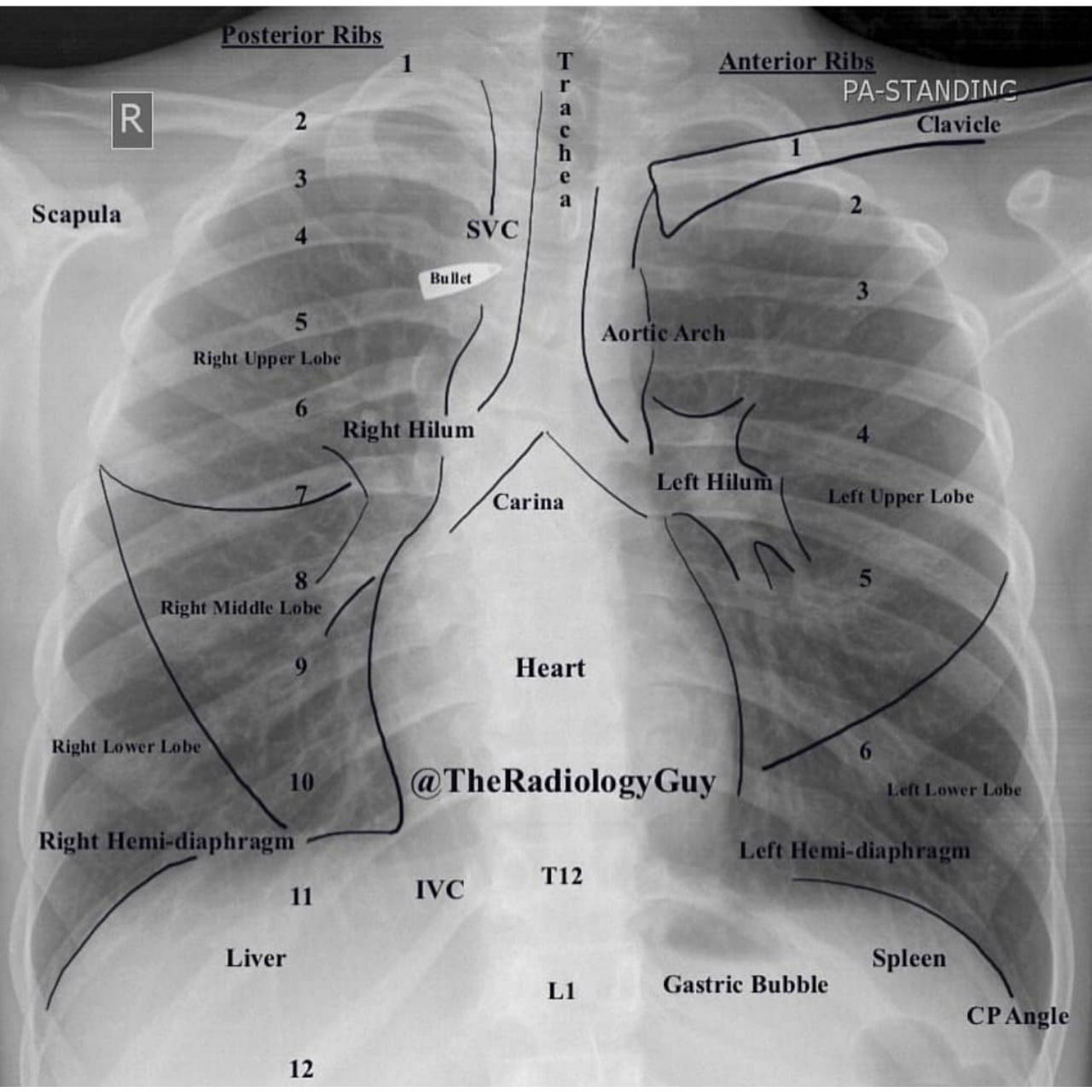
Normal AP Chest X-Ray
***
***
Case: She presented to the emergency room with tachypnea, a dry cough, and bloody sputum. While breathing room air, she had a partial pressure of oxygen of 86 mm Hg.
***
Assessment
The patient was discharged after one week, with improvement in her pulmonary symptoms. Oral chelation therapy with dimercaprol was given for nine months. At follow-up at 10 months she was healthy, with no serious consequences. The abnormalities on the chest radiograph were still apparent.
Your thoughts are appreciated.
***
***
Filed under: Career Development, Experts Invited, Risk Management | Tagged: mercury poisoning | Leave a comment »

 |
|
Alfredo Morabia, MD, PhD Editor-in-chief, AJPH *** Invite Dr. Marcinko*** |
Filed under: Health Economics, Health Insurance | Tagged: Alfredo Morabia, American Journal Public Health, MD, PhD, public health | 1 Comment »
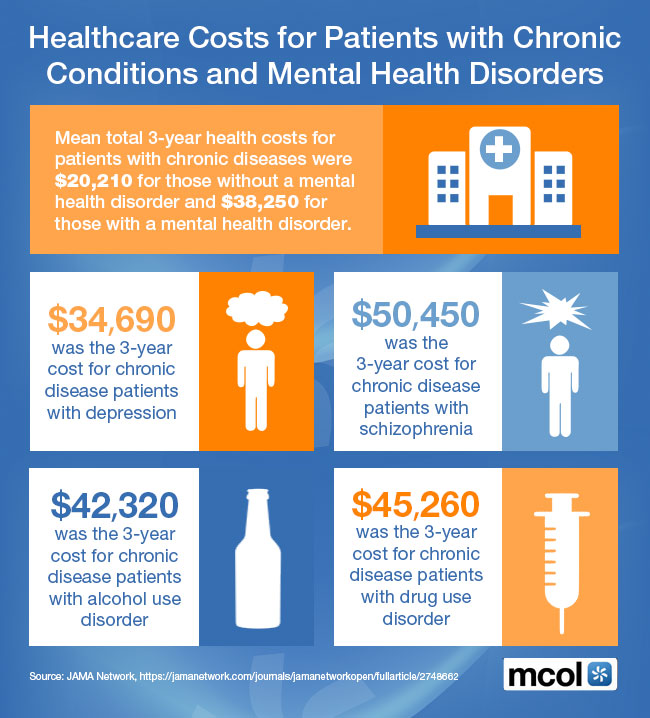
And, Mental Health Disorders
***
***
8
***
Filed under: Health Economics, Health Insurance, Healthcare Finance | Tagged: chronic care costs, mental health costs | 1 Comment »
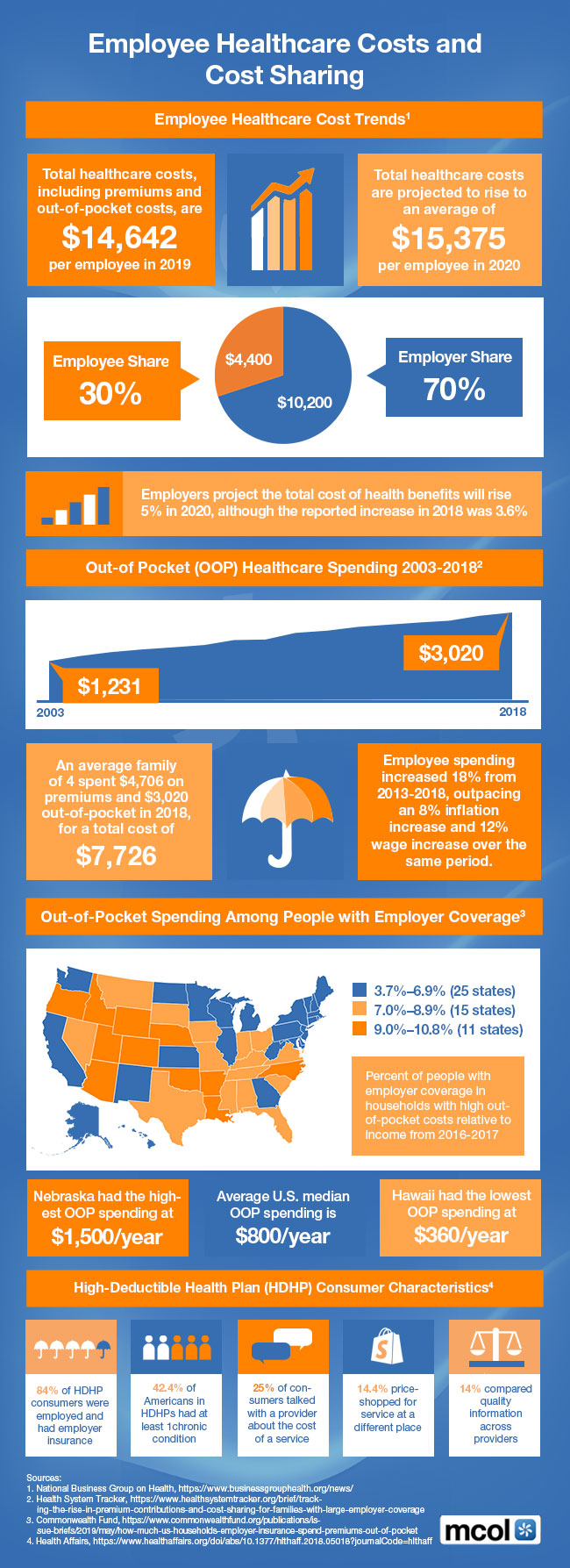
And, Cost Sharing
***
***
***
***
Filed under: Health Economics, Health Insurance, Healthcare Finance | Tagged: Employee Healthcare Cost Sharing, Employee Healthcare Costs | 1 Comment »
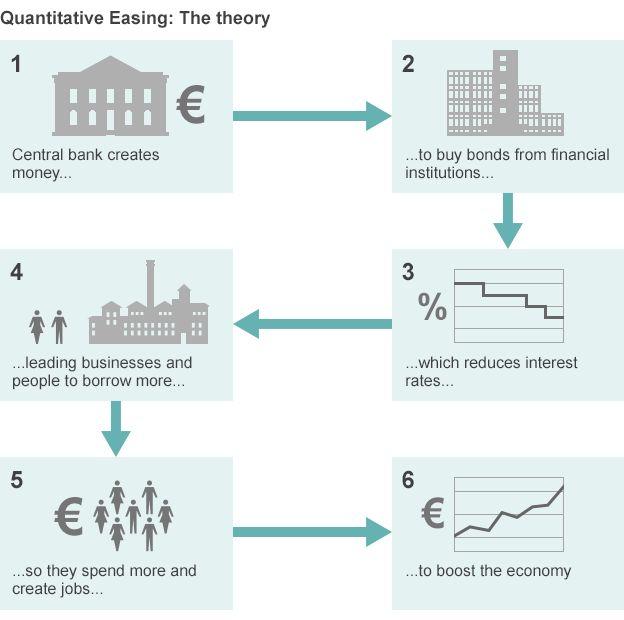
The Theory
[By Staff Reporters]
Quantitative easing (QE) is a monetary policy used by central banks to stimulate the economy when standard monetary policy has become ineffective.
***
***
Quantitative tightening (QT) is a contractionary monetary policy applied by a central bank to decrease the amount of liquidity within the economy. The policy is the reverse of quantitative easing aimed to increase money supply in order to “stimulate” the economy.
Assessment: Your thoughts are appreciated.
***
8
***
Filed under: Glossary Terms, Health Economics | Tagged: Quantitative Easing, Quantitative tightening | 1 Comment »

But, Don’t be Obsessive
By Dr. David Edward Marcinko MBA with Nalley Collision Center, GA.
 Some automobile owners, like me and other medical professionals, take pride in their cars. Regardless of whether you bought a new car from the showroom or bought your car used, you want to keep your vehicle looking like new for a long time.
Unfortunately, modern life is the enemy of a great-looking car. Tar and stones from roadways can wreak havoc on beautiful finishes. Other drivers can carelessly dent your car in hospital or mall parking lots, and refuse to accept responsibility for the damage. Debris flying out of trucks, birds, and other problems add to the long list of threats to your car.
The Steps
Rather than accepting dings, scrapes and grime on your car as a fact of life, follow these five steps to keep the exterior of your car looking fabulous.
1. Get Covered
Rain, snow, and sunshine can all adversely affect the exterior of your car. You can do little about the weather while driving your car, but when you get home, you can cover your car to protect its beautiful finish. Although garages offer the best protection against outside forces for your car, you might find out that you can get similar results by using a car port or a portable garage. A portable garage is a flexible cover that you can put over your vehicle to protect its exterior while not in use.
2. Paint Protection Film
Special products exist that help protect the finish of your car at all times, even while you drive. Paint protection film creates a layer of protection between the exterior surfaces of your car and the environment, so your car can withstand an array of road hazards. This type of product eliminates expensive trips to your dealer’s body shop for touchup work and preserves the resale value of your car.
3. Wash Your Car
Although a carwash can put the exterior of your car in jeopardy, it can help prevent harmful grime build up. If you care a lot for your car, you will give it a loving hand-wash, detail and wax periodically to keep its finish looking great. While you wash, you can look for new scrapes and dents that either you or your dealer can quickly repair before they become ugly and embarrassing.
4. Cautious Parking
Parking lots pose some of the most severe threats to auto exteriors. It is my pet peeve. Regardless of how carefully you park, someone else will come along and park too close to your car, giving your car a free dent. Although often minor, parking-lot damage can cost a lot to repair. Motorists these days live with the fear that a claim will cause their insurance premiums to rise, so they might not take responsibility for denting or scraping your car.
It’s time to take parking into your own hands. You can try taking up two spots when you park, making it impossible for other car doors to reach your vehicle. Also, you can park far away from other cars where most people will never park. The long walk will give you valuable health benefits, and the remote parking spot can help prevent damage to your car.
5. Common Sense
Your best defense against scrapes, dents, and grime might reside under your own hat. Common sense should tell you to avoid roads while they undergo paving line-painting work. Avoid attempting to enter narrow alleys and resist the temptation to drive up to your mailbox when you get home at the end of the day. Never drive your car near trees and bushes. Always avoid dirt or gravel roads. Also, keep your garage and carport clear of tools and other objects that can easily fall and damage your car.
###

###

###

###

###
More
Conclusion
Your thoughts and comments on this ME-P are appreciated. Feel free to review our top-left column, and top-right sidebar materials, links, URLs and related websites, too. Then, subscribe to the ME-P. It is fast, free and secure.
Link: http://feeds.feedburner.com/HealthcareFinancialsthePostForcxos
Speaker: If you need a moderator or speaker for an upcoming event, Dr. David E. Marcinko; MBA – Publisher-in-Chief of the Medical Executive-Post – is available for seminar or speaking engagements. Contact: MarcinkoAdvisors@msn.com
OUR OTHER PRINT BOOKS AND RELATED INFORMATION SOURCES:
DICTIONARIES: http://www.springerpub.com/Search/marcinko
PHYSICIANS: www.MedicalBusinessAdvisors.com
PRACTICES: www.BusinessofMedicalPractice.com
HOSPITALS: http://www.crcpress.com/product/isbn/9781466558731
CLINICS: http://www.crcpress.com/product/isbn/9781439879900
BLOG: www.MedicalExecutivePost.com
FINANCE: Financial Planning for Physicians and Advisors
INSURANCE: Risk Management and Insurance Strategies for Physicians and Advisors


Filed under: Insurance Matters, LifeStyle, Risk Management | Tagged: david marcinko, Jaguar, jaguar XJ-V8-L | 3 Comments »





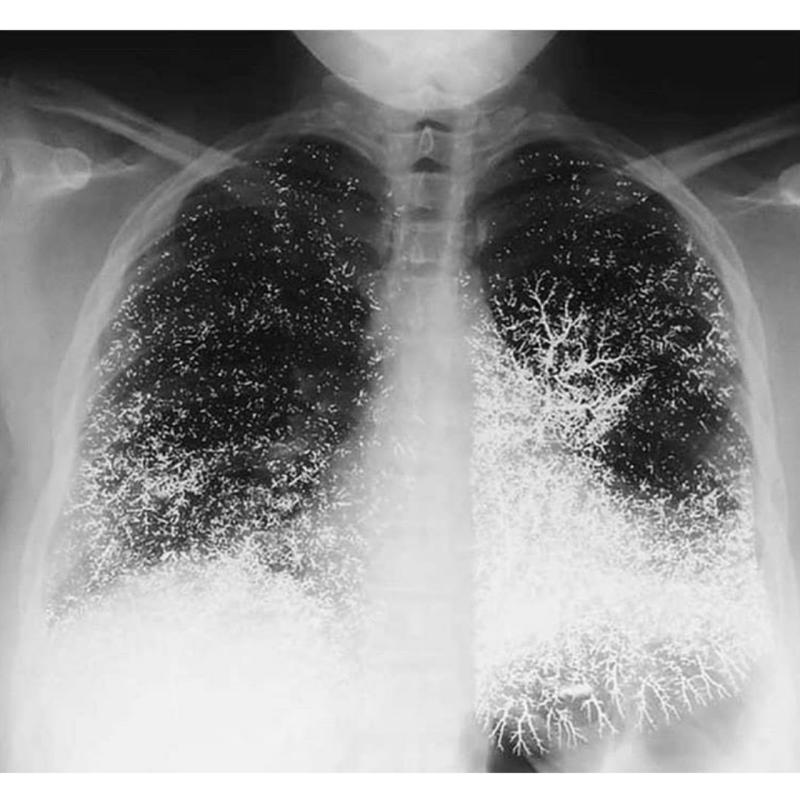 A chest radiograph showed that the mercury was distributed in the lungs in a vascular pattern that was more pronounced at the bases.


 The Leading Business Education Network for Doctors, Financial Advisors and Health Industry Consultants