







 Support our online development, and advance our onground research initiatives in free market economics, as we seek to showcase the brightest Next-Gen minds.
THE ME-P DISCLAIMER: Posts, comments and opinions do not necessarily represent iMBA, Inc., but become our property after submission. Copyright © 2006 to-date. iMBA, Inc allows colleges, universities, medical and financial professionals and related clinics, hospitals and non-profit healthcare organizations to distribute our proprietary essays, photos, videos, audios and other documents; etc. However, please review copyright and usage information for each individual asset before submission to us, and/or placement on your publication or web site. Attestation references, citations and/or back-links are required. All other assets are property of the individual copyright holder.
Support our online development, and advance our onground research initiatives in free market economics, as we seek to showcase the brightest Next-Gen minds.
THE ME-P DISCLAIMER: Posts, comments and opinions do not necessarily represent iMBA, Inc., but become our property after submission. Copyright © 2006 to-date. iMBA, Inc allows colleges, universities, medical and financial professionals and related clinics, hospitals and non-profit healthcare organizations to distribute our proprietary essays, photos, videos, audios and other documents; etc. However, please review copyright and usage information for each individual asset before submission to us, and/or placement on your publication or web site. Attestation references, citations and/or back-links are required. All other assets are property of the individual copyright holder.


By Dr. David Edward Marcinko MBA MEd and Copilot A.I.
***

***
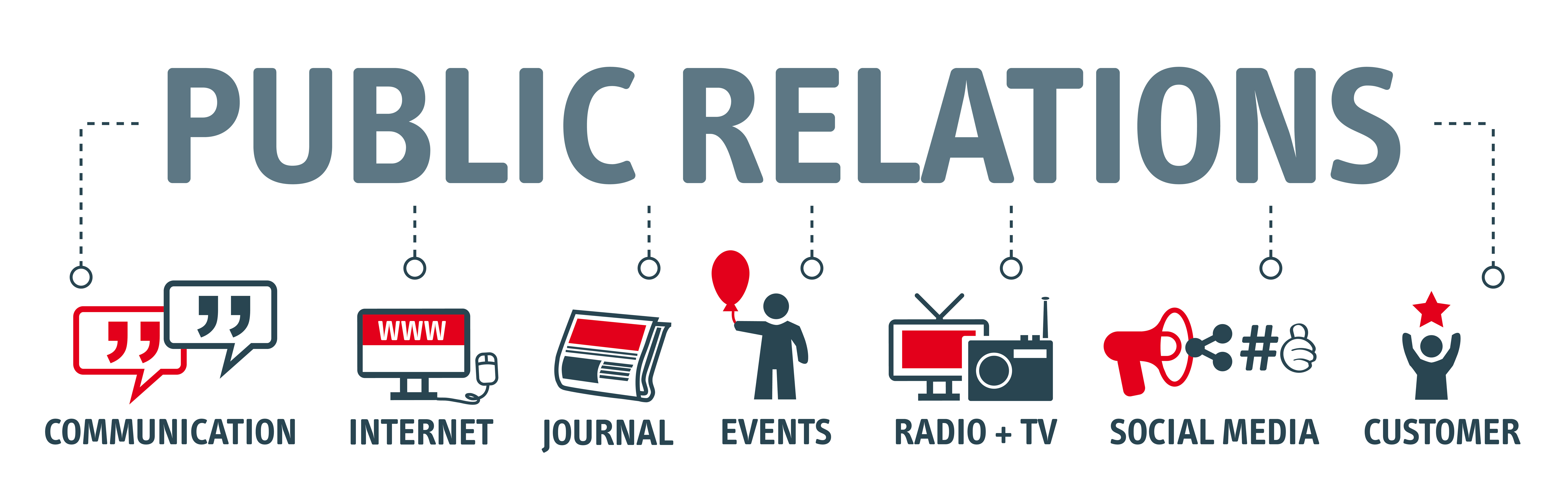
Public relations (PR) in medicine is a specialized field that focuses on managing communication between healthcare organizations, medical professionals, and the public. Unlike traditional marketing, which emphasizes selling services, PR in medicine emphasizes trust, credibility, and education. In a sector where lives and well-being are at stake, effective communication is not optional—it is essential.
1. Building Trust and Reputation
Healthcare institutions rely heavily on public trust. Patients must feel confident in the competence and integrity of hospitals, clinics, and medical professionals. PR strategies such as press releases, community outreach, and media engagement help establish credibility. For example, when hospitals share success stories of medical breakthroughs or highlight patient-centered initiatives, they reinforce their reputation as reliable and compassionate providers.
2. Health Education and Awareness
One of the most important functions of PR in medicine is educating the public. Medical jargon can be complex, and PR professionals translate it into accessible language. Campaigns about preventive care, vaccination, or chronic disease management empower communities to make informed health decisions. By bridging the knowledge gap, PR ensures that medical information is not confined to professionals but reaches the wider population in a clear and actionable way.
3. Crisis Communication
Healthcare organizations often face crises—ranging from disease outbreaks to medical errors. In such moments, PR becomes the frontline defense. Transparent communication, timely updates, and empathy are crucial in maintaining public confidence. For instance, during the COVID-19 pandemic, hospitals and health agencies relied on PR to disseminate accurate information, counter misinformation, and reassure anxious populations. Effective crisis communication can prevent panic and sustain trust even in challenging times.
4. Advocacy and Community Engagement
PR in medicine also involves advocacy for public health policies and community engagement. Hospitals and medical associations often use PR campaigns to support initiatives such as mental health awareness, anti-smoking drives, or nutrition education. By engaging with communities through events, seminars, and social media, healthcare organizations position themselves as partners in public well-being rather than distant institutions.
5. Digital Transformation in Medical PR
The rise of digital media has transformed healthcare PR. Social media platforms, blogs, and online forums allow medical institutions to communicate directly with patients. This immediacy enhances transparency but also requires careful management to avoid misinformation. Digital PR strategies now include online reputation management, patient testimonials, and interactive health campaigns. In this way, PR adapts to modern communication channels while maintaining its core mission of trust and education.
6. Ethical Responsibility
Unlike other industries, PR in medicine carries a profound ethical responsibility. Misleading information can have life-threatening consequences. Therefore, PR professionals in healthcare must prioritize accuracy, sensitivity, and compassion. Their role is not only to protect the image of institutions but also to safeguard public health.
Conclusion
Public relations in medicine is more than a communication tool—it is a bridge between science and society. By fostering trust, educating communities, managing crises, and advocating for health, PR ensures that medical institutions remain credible and compassionate. In an era of rapid medical advancements and global health challenges, the importance of PR in medicine continues to grow, making it an indispensable part of modern healthcare.
COMMENTS APPRECIATED
SPEAKING: Dr. Marcinko will be speaking and lecturing, signing and opining, teaching and preaching, storming and performing at many locations throughout the USA this year! His tour of witty and serious pontifications may be scheduled on a planned or ad-hoc basis; for public or private meetings and gatherings; formally, informally, or over lunch or dinner. All medical societies, financial advisory firms or Broker-Dealers are encouraged to submit an RFP for speaking engagements: CONTACT: Ann Miller RN MHA at MarcinkoAdvisors@outlook.com
Like, Refer and Subscribe
***
***
Share this:

Filed under: "Ask-an-Advisor", "Doctors Only", Glossary Terms, Management, Marcinko Associates | Tagged: AI, communication crisis, community engagement, crisis, david marcinko, Ethics, marketing, medical trust, philosophy, PR, public relations, public relations in medicine | Leave a comment »














 The Leading Business Education Network for Doctors, Financial Advisors and Health Industry Consultants