What it is – How it Works
By Staff Reporters

In the past, according to Robert James Cimasi MHA AVA CMP™ of Health Capital Consultants LLC in St. Louis MO, many employers had defined retirement benefits for employees. Today, most retirement benefits are in the form of 401K plans where companies make defined contributions, effectively shifting the financial risk of paying for retirement to employees.
Defined Health Contributions
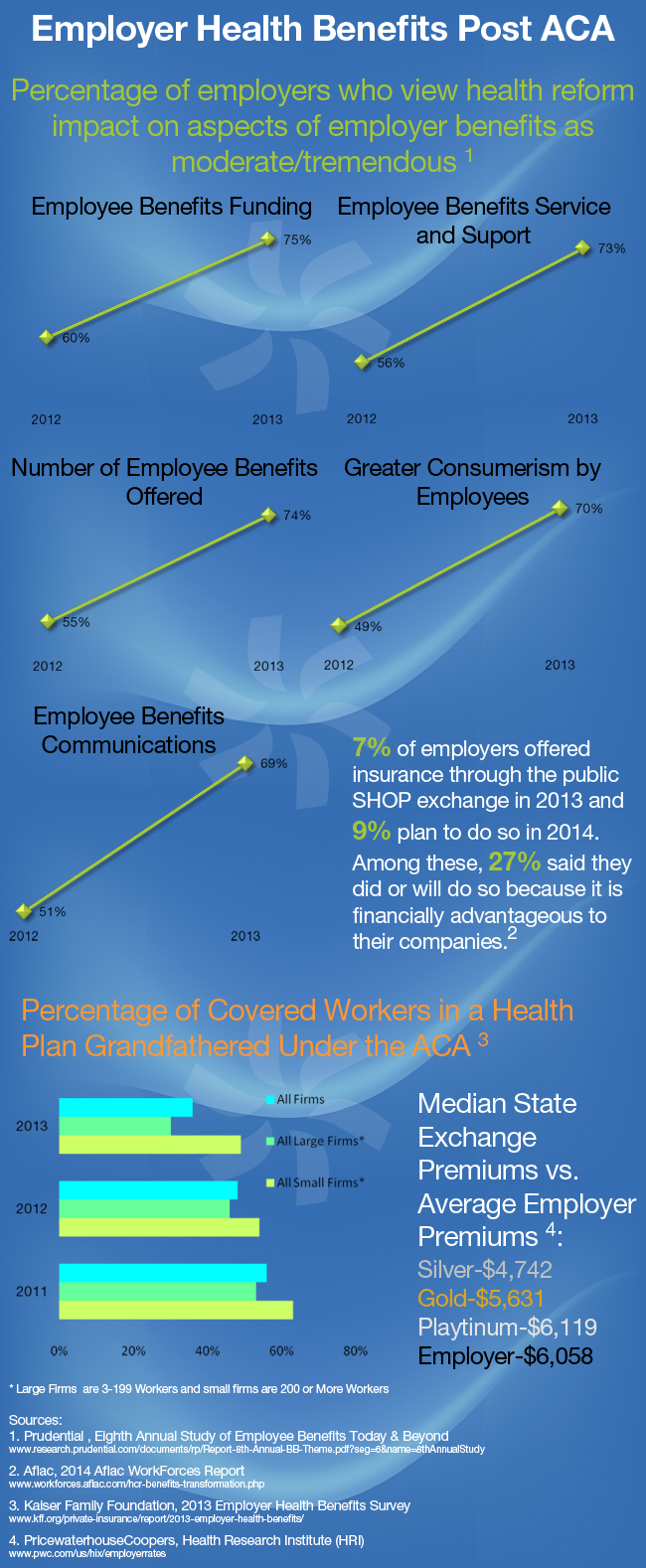
Defined health contributions are similar to employer-funded defined retirement contributions like 401K plans. Currently, employers pay for some portion of about half of Americans’ health insurance. Traditional employer-funded plans are those for which the employee simply fills out a form; that is, an employer will offer one or possibly two health insurance plans, and the employee fills out application paperwork. The employer administers the plan and may charge the employee a portion of the monthly premium or pay the entire premium themselves. A defined contribution plan allows companies to shift the financial risk of paying for rising health insurance costs.
Defined Health Benefits
Although part of the “benefit” of a health benefit plan is that the employer also takes care of all the administrative paperwork related to the insurance, companies are increasingly uninvolved in the administration process, opting instead to let the employee decide which plan out of many choices suits them best. For example, if an employer typically spends about $5,000 per employee per year on health benefits, the employer would use that money as a “defined contribution.” The employee then has $5,000 to spend per year on benefits, but instead of using the employer-defined health plan, the employee may choose from a variety of HMOs, preferred provider organizations PPOs, or other health plans. If the insurance premiums rise above this amount, the employee must make up the difference.
 Defined Contribution Package
Many employers are currently offering a defined contribution package to their employees. The definition of “defined contributions,” however, can range from one in which employers are completely uninvolved in the administration of benefits and simply give their employees cash or vouchers for the amount contributed that they can use to buy coverage, to a more “defined choice model” where employers offer a variety of health options at differing price levels along with a premium dollar contribution, and a variety of other options in between.
Risk Shifting
Thus, defined contributions shift the financial risk from the employer to the employee. Defined care is not a replacement for managed care, but will probably cause managed care to adapt under these new systems. That is, HMOs, PPOs and other managed care plans still appear to be the main choices in a defined care environment, so they are in fact a part of the system.
Assessment
Another challenge with a defined health benefit program is that the concept of risk-pooling becomes more difficult. In traditional employer-sponsored plans, rates are usually based on the pool of employees; a chronically ill employee who tries to find insurance independently may face rates drastically higher than if they had participated in an employer-sponsored plan.
MORE: www.CertifiedMedicalPlanner.org
Conclusion
Your thoughts and comments on this ME-P are appreciated. Feel free to review our top-left column, and top-right sidebar materials, links, URLs and related websites, too. Then, subscribe to the ME-P. It is fast, free and secure.
Link: http://feeds.feedburner.com/HealthcareFinancialsthePostForcxos
Speaker: If you need a moderator or speaker for an upcoming event, Dr. David E. Marcinko; MBA – Publisher-in-Chief of the Medical Executive-Post – is available for seminar or speaking engagements. Contact: MarcinkoAdvisors@msn.com
OUR OTHER PRINT BOOKS AND RELATED INFORMATION SOURCES:
DICTIONARIES: http://www.springerpub.com/Search/marcinko
PHYSICIANS: www.MedicalBusinessAdvisors.com
PRACTICES: www.BusinessofMedicalPractice.com
HOSPITALS: http://www.crcpress.com/product/isbn/9781466558731
CLINICS: http://www.crcpress.com/product/isbn/9781439879900
BLOG: www.MedicalExecutivePost.com
FINANCE: Financial Planning for Physicians and Advisors
INSURANCE: Risk Management and Insurance Strategies for Physicians and Advisors



Filed under: Book Reviews, Financial Planning, Glossary Terms, Investing, Retirement and Benefits, Sponsors | Tagged: 401-k, 403-b, david marcinko, defined contribution plan, defined denefits plan, employee benefits, employee funding, employer funding, health benefits, Health Capital Consultants, HMO, hope hetico, IRA, legacy plan, PPO, retirement benefits, retirement planning, robert james cimasi, www.healthcarefinancials.com, www.healthdictionaryseries.com | 1 Comment »





 Support our online development, and advance our onground research initiatives in free market economics, as we seek to showcase the brightest Next-Gen minds.
THE ME-P DISCLAIMER: Posts, comments and opinions do not necessarily represent iMBA, Inc., but become our property after submission. Copyright © 2006 to-date. iMBA, Inc allows colleges, universities, medical and financial professionals and related clinics, hospitals and non-profit healthcare organizations to distribute our proprietary essays, photos, videos, audios and other documents; etc. However, please review copyright and usage information for each individual asset before submission to us, and/or placement on your publication or web site. Attestation references, citations and/or back-links are required. All other assets are property of the individual copyright holder.
Support our online development, and advance our onground research initiatives in free market economics, as we seek to showcase the brightest Next-Gen minds.
THE ME-P DISCLAIMER: Posts, comments and opinions do not necessarily represent iMBA, Inc., but become our property after submission. Copyright © 2006 to-date. iMBA, Inc allows colleges, universities, medical and financial professionals and related clinics, hospitals and non-profit healthcare organizations to distribute our proprietary essays, photos, videos, audios and other documents; etc. However, please review copyright and usage information for each individual asset before submission to us, and/or placement on your publication or web site. Attestation references, citations and/or back-links are required. All other assets are property of the individual copyright holder.







 The Leading Business Education Network for Doctors, Financial Advisors and Health Industry Consultants