







 Support our online development, and advance our onground research initiatives in free market economics, as we seek to showcase the brightest Next-Gen minds.
THE ME-P DISCLAIMER: Posts, comments and opinions do not necessarily represent iMBA, Inc., but become our property after submission. Copyright © 2006 to-date. iMBA, Inc allows colleges, universities, medical and financial professionals and related clinics, hospitals and non-profit healthcare organizations to distribute our proprietary essays, photos, videos, audios and other documents; etc. However, please review copyright and usage information for each individual asset before submission to us, and/or placement on your publication or web site. Attestation references, citations and/or back-links are required. All other assets are property of the individual copyright holder.
Support our online development, and advance our onground research initiatives in free market economics, as we seek to showcase the brightest Next-Gen minds.
THE ME-P DISCLAIMER: Posts, comments and opinions do not necessarily represent iMBA, Inc., but become our property after submission. Copyright © 2006 to-date. iMBA, Inc allows colleges, universities, medical and financial professionals and related clinics, hospitals and non-profit healthcare organizations to distribute our proprietary essays, photos, videos, audios and other documents; etc. However, please review copyright and usage information for each individual asset before submission to us, and/or placement on your publication or web site. Attestation references, citations and/or back-links are required. All other assets are property of the individual copyright holder.


By Staff Reporters
***
***
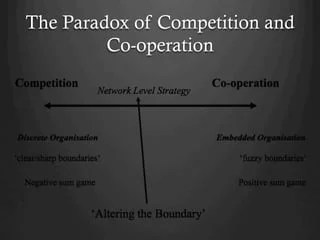
Definition of the Paradox of Competition
The Paradox of Competition refers to the complex and often counterintuitive effects competitive behaviors can have within markets and industries. Generally, competition is seen as a positive force that drives innovation, lowers prices, and improves quality and choice for consumers. However, the paradox lies in the fact that intense competition can sometimes lead to negative outcomes, such as diminished profitability for companies, reduced incentives to innovate, and the potential for a race to the bottom in terms of quality and sustainability.
According to colleague Dan Ariely PhD, understanding the nuances of the Paradox of Competition reveals the complexity of market dynamics and the importance of strategic, informed approaches to competition, both from businesses and regulators.
This paradox challenges the conventional wisdom that competition is universally beneficial, highlighting the need for a more nuanced view of how competitive forces shape markets and societies.
COMMENTS APPRECIATED
Refer, Like and Subscribe
***
***
Share this:

Filed under: Ethics, Glossary Terms, iMBA, Inc., LifeStyle, mental health | Tagged: co-operation, competition, Dan Ariely, life, mental health, paradox, paradox competition, philosophy | Leave a comment »



 The Leading Business Education Network for Doctors, Financial Advisors and Health Industry Consultants