







 Support our online development, and advance our onground research initiatives in free market economics, as we seek to showcase the brightest Next-Gen minds.
THE ME-P DISCLAIMER: Posts, comments and opinions do not necessarily represent iMBA, Inc., but become our property after submission. Copyright © 2006 to-date. iMBA, Inc allows colleges, universities, medical and financial professionals and related clinics, hospitals and non-profit healthcare organizations to distribute our proprietary essays, photos, videos, audios and other documents; etc. However, please review copyright and usage information for each individual asset before submission to us, and/or placement on your publication or web site. Attestation references, citations and/or back-links are required. All other assets are property of the individual copyright holder.
Support our online development, and advance our onground research initiatives in free market economics, as we seek to showcase the brightest Next-Gen minds.
THE ME-P DISCLAIMER: Posts, comments and opinions do not necessarily represent iMBA, Inc., but become our property after submission. Copyright © 2006 to-date. iMBA, Inc allows colleges, universities, medical and financial professionals and related clinics, hospitals and non-profit healthcare organizations to distribute our proprietary essays, photos, videos, audios and other documents; etc. However, please review copyright and usage information for each individual asset before submission to us, and/or placement on your publication or web site. Attestation references, citations and/or back-links are required. All other assets are property of the individual copyright holder.


By Dr. David Edward Marcinko MBA MEd and Copilot A.I.
SPONSOR: http://www.MarcinkoAssociates.com
***
***
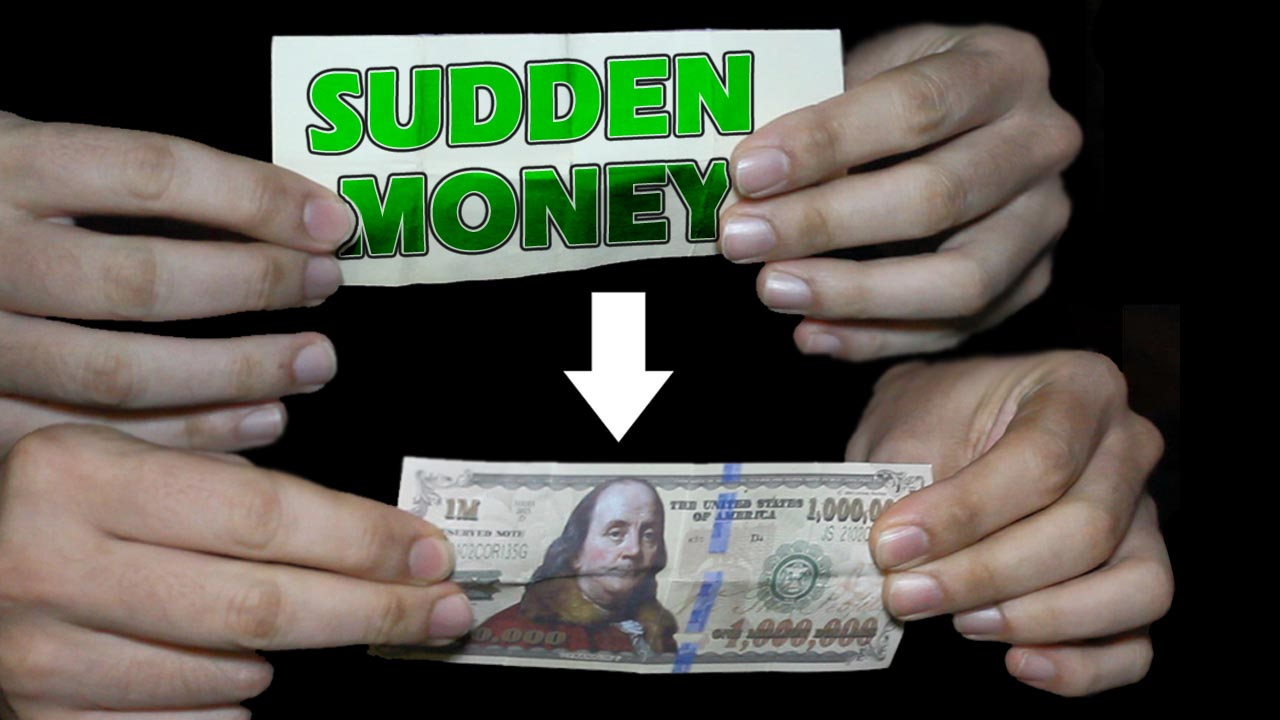
The Sudden Money Paradox: When Wealth Disrupts Instead of Liberates
The “Sudden Money Paradox” refers to the counterintuitive reality that receiving a large financial windfall—whether through inheritance, lottery winnings, business sales, or legal settlements—can lead to emotional turmoil, poor decision-making, and even financial ruin. While most people assume that sudden wealth guarantees security and happiness, the paradox reveals that it often destabilizes lives instead.
At the heart of this paradox is the psychological shock that accompanies a dramatic change in financial status. Sudden wealth can trigger a cascade of emotions: excitement, guilt, anxiety, and confusion. Recipients may feel overwhelmed by the responsibility of managing their newfound resources, especially if they lack financial literacy or a support system. The windfall can also disrupt one’s sense of identity. Someone who previously lived modestly may struggle to reconcile their new status with their values, relationships, and lifestyle. This identity dissonance can lead to impulsive decisions, such as extravagant spending, quitting a job prematurely, or giving away money without boundaries.
Financial mismanagement is a common consequence of sudden wealth. Without a plan, recipients may fall prey to scams, make poor investments, or underestimate tax obligations. The phenomenon known as “Sudden Wealth Syndrome” describes the psychological stress and behavioral pitfalls that often follow a windfall. Studies show that lottery winners and professional athletes frequently go bankrupt within a few years of receiving large sums. The paradox lies in the fact that the very thing meant to provide freedom—money—can instead create chaos.
***
***
Relationships also suffer under the weight of sudden wealth. Friends and family may treat the recipient differently, leading to feelings of isolation or mistrust. Requests for financial help can strain bonds, and recipients may struggle to set boundaries. The paradox deepens when generosity becomes a source of conflict rather than connection.
Experts like Susan Bradley, founder of the Sudden Money® Institute, emphasize that financial transitions require more than technical advice—they demand emotional intelligence and structured support. Her work highlights the importance of pausing before making major decisions, assembling a transition team of advisors, and creating a personal vision for the money. These steps help recipients align their financial choices with their values and long-term goals.
Ultimately, the Sudden Money Paradox teaches that wealth is not just a numerical asset—it’s a psychological and relational force. Navigating it successfully requires self-awareness, education, and guidance. When approached thoughtfully, sudden money can be a catalyst for growth and purpose. But without preparation, it risks becoming a burden disguised as a blessing.
This paradox challenges society’s assumptions about wealth and reminds us that financial well-being is as much about mindset and meaning as it is about money itself.
COMMENTS APPRECIATED
SPEAKING: Dr. Marcinko will be speaking and lecturing, signing and opining, teaching and preaching, storming and performing at many locations throughout the USA this year! His tour of witty and serious pontifications may be scheduled on a planned or ad-hoc basis; for public or private meetings and gatherings; formally, informally, or over lunch or dinner. All medical societies, financial advisory firms or Broker-Dealers are encouraged to submit an RFP for speaking engagements: CONTACT: Ann Miller RN MHA at MarcinkoAdvisors@outlook.com -OR- http://www.MarcinkoAssociates.com
Like, Refer and Subscribe
***
***
Share this:

Filed under: "Ask-an-Advisor", Financial Planning, Funding Basics, Glossary Terms, Investing, LifeStyle, Taxation, Touring with Marcinko | Tagged: Accounting, CPA, david marcinko, finance, financial windfall, Investing, lottery, money, personal-finance, sudden money, sudden money paradox, sudden wealth, Susan Bradley, tax, Wealth | Leave a comment »





 The Leading Business Education Network for Doctors, Financial Advisors and Health Industry Consultants