Five [5] Essential Tips for Doctors to Remember During an Auto Accident

Join Our Mailing List 

In My Dual Experience

[By Dr. David Edward Marcinko MBA CMP™]

[By Nalley Lexus, Roswell GA]

Dr. Marcinko 1972 VetteYou can’t be sure how you will react in a car accident until you have experienced one.

I should know – I’ve been in accidents, am a doctor who covered the ER, and was a licensed property-casualty insurance agent for a decade.

The Event

Even if you aren’t physically hurt, the trauma during any accident can cause shock or fuzzy thinking at a time when you need to keep your wits. If you ever find yourself in an accident, insurance protection is vital, but it’s also important to remember these five tips:

The Five Tips:

  1. Assess for accident injuries

If possible, assess yourself and any passengers for injuries and immediately call for medical assistance if necessary. Should anyone be seriously injured or unable to move, try not to move them unless there is threat of a fire or they are on the road where they could be hit by another car.  Act as a physician, if needed. OR, recall good Samaritan laws in your state?

  1. Safety first

For minor accidents, move both vehicles off the road for protection against moving traffic. If the damage to your vehicle is severe, keep it where it is until the police arrive. Turn on your emergency flashers to alert oncoming traffic.

  1. Stay calm and ask questions

This should not be difficult for physicians. No matter who is at fault during an accident, this is not the time to freak out or become overly emotional. Remain calm and with a clear head assess what happened and be ready to ask questions. Know exactly where your insurance information is located and other identification you’ll need to meet your legal requirements. Write down the names and contact information for all witnesses. If you are not at fault, and the accident wasn’t serious enough to involve a police report, do not let the other driver talk you into letting them mail you a check for the damage to your car. If they claim they don’t have insurance, ask questions about their car registration, name, and contact information, and give them your insurance information. Tell them you will be contacting your own agent to report the accident. If possible, take a photo of both cars showing the damage and license plates.

  1. Admit no fault

Answer no questions about fault with anyone except a police officer or your insurance company. Give no statements to the other driver’s insurance company or your words might be twisted and used against you. You also shouldn’t sign any legal documents from the other insurance company, especially if you feel they are pressuring you for an early settlement that you feel isn’t sufficient to cover your damage.

  1. Immediately report the accident to your insurance company

This is the moment when you’ll finally understand why you pay monthly premiums for insurance protection. Carry your agent’s name and phone number in our car and make the call as soon as possible. The sooner you contact them, the sooner they can help you with your claim. Keep a folder in your car with all your insurance contact information and this tip list. This way you’ll have all the information you need to help you think more clearly if you’re stressed during an accident.

***
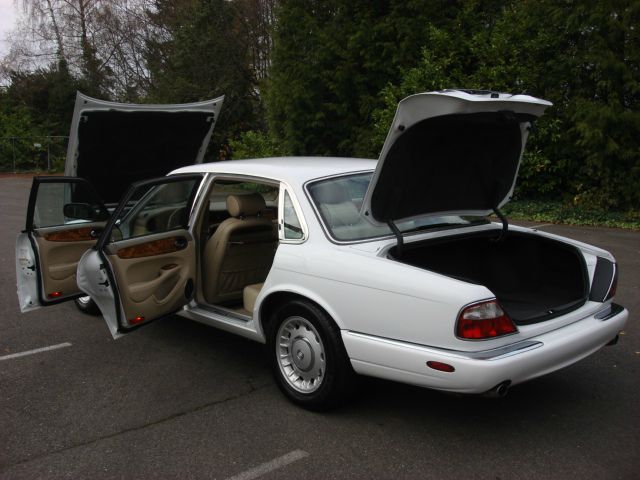
2000

***

2000 Jag

***

More:

Assessment

The summer of 2014 is almost over – be careful out there.

Conclusion

Your thoughts and comments on this ME-P are appreciated. Feel free to review our top-left column, and top-right sidebar materials, links, URLs and related websites, too. Then, subscribe to the ME-P. It is fast, free and secure.

Speaker: If you need a moderator or speaker for an upcoming event, Dr. David E. Marcinko; MBA – Publisher-in-Chief of the Medical Executive-Post – is available for seminar or speaking engagements. Contact: MarcinkoAdvisors@msn.com

OUR OTHER PRINT BOOKS AND RELATED INFORMATION SOURCES:

Product DetailsProduct Details

How to Protect Your Interests in Insurance Claims

Join Our Mailing List

Don’t Be a Victim Twice

By Rick Kahler MS CFP® ChFC CCIM http://www.KahlerFinancial.com

Rick Kahler CFPHurricane Sandy attacked the East Coast, did her worst, and disappeared. Yet cleaning up the mess she left behind will take months and even years.

When Disaster Strikes

Even dealing with damage from much smaller disasters can take a long time. As an example, in July 2011 a severe storm with baseball-sized hail moved through southern Rapid City. It only took nature a few minutes to flatten gardens, beat up vehicles, and damage buildings. It will probably take until the second anniversary of the storm to repair all the damage to our house.

Such a delay isn’t unusual. The most common reasons are finding a contractor and negotiating with your insurance company.

Rapid Response

Moving quickly to report a claim after a disaster is important. In fact, you should probably call a contractor even before you call your insurance agent. Insurance companies are fast to respond to disasters and easily move adjusters in from other areas. Local, credible contractors, on the other hand, fill their schedules fast. We spent hours on the phone to get bids from beleaguered roofers, painters, and carpenters.

Low Balls

These bids were worth our time, because they showed us that the initial repair estimates from our insurance company were low—usually by 50% to 66%.

For example, our roof had cedar shake shingles. The company’s replacement estimate was for much cheaper asphalt shingles. Estimates to repair our siding and deck were also low. It took us 15 months to come to an agreement on the cost of replacing the deck. The work probably won’t be done until summer of 2013.

Switching Gears

Does this difficulty in getting a full settlement mean it’s time to switch insurance companies? Certainly, I thought so more than once during the negotiating process. However, that isn’t necessarily the case. It’s important to remember that getting compensation from an insurance company is just business. And good business means not necessarily accepting the first offer. Negotiating will take time and effort, but it eventually should get you full compensation.

Competing Claims Interests

When you file a claim, you and your insurance company have competing interests. The company is not your advocate. You want as much money as possible from them for repairs, while they want to repair your damage for the lowest cost. There’s nothing out of place with either motivation.

Once I understood that the insurance company and I were natural adversaries, not friends, it helped me feel less victimized and more empowered. While getting the money we needed to make the repairs certainly took time and perseverance, the company readily acquiesced when we presented the facts. After all, their best interest also included keeping us as customers. We did not have to threaten a lawsuit or go to court.

###

policy insurance

Assessment

Certainly, when it’s time to renew my home insurance I will ask my agent to investigate other companies. That’s just business. However, I won’t change companies just because I had to argue with this one.

Understanding your role in negotiating an insurance claim helps bring a healthy perspective to your relationship with any service provider. Unless they are a fiduciary to you (like an attorney or doctor, or some a fee-only financial advisors], they have no responsibility to look out for you. Someone selling you something has no duty to put your interests before theirs. Protecting your interests is your duty and yours alone.

More:

Conclusion

When a natural disaster strikes, whether it’s a hail storm or a hurricane, we are certainly victims of nature’s whims. When it’s time to clean up the mess, though, we’re not victims. We’re our own advocates, with the responsibility and ability to look out for our own best interests.

Your thoughts and comments on this ME-P are appreciated. Feel free to review our top-left column, and top-right sidebar materials, links, URLs and related websites, too. Then, subscribe to the ME-P. It is fast, free and secure.

Link: http://feeds.feedburner.com/HealthcareFinancialsthePostForcxos

Speaker: If you need a moderator or speaker for an upcoming event, Dr. David E. Marcinko; MBA – Publisher-in-Chief of the Medical Executive-Post – is available for seminar or speaking engagements. Contact: MarcinkoAdvisors@msn.com

OUR OTHER PRINT BOOKS AND RELATED INFORMATION SOURCES:

DICTIONARIES: http://www.springerpub.com/Search/marcinko
PHYSICIANS: www.MedicalBusinessAdvisors.com
PRACTICES: www.BusinessofMedicalPractice.com
HOSPITALS: http://www.crcpress.com/product/isbn/9781466558731
CLINICS: http://www.crcpress.com/product/isbn/9781439879900
BLOG: www.MedicalExecutivePost.com
FINANCE: Financial Planning for Physicians and Advisors
INSURANCE: Risk Management and Insurance Strategies for Physicians and Advisors

Product Details  Product Details


Another Property-Casualty Insurance Claims Experience

Join Our Mailing List

A Personal Scenario

By Rick Kahler MS CFP® ChFC CCIM www.KahlerFinancial.com

Rick Kahler CFPHurricane Sandy attacked the East Coast, did her worst, and disappeared. Yet cleaning up the mess she left behind will take months and even years. And, even dealing with damage from much smaller disasters can take a long time.

As an example, in July 2011 a severe storm with baseball-sized hail moved through southern Rapid City. It only took nature a few minutes to flatten gardens, beat up vehicles, and damage buildings. It will probably take until the second anniversary of the storm to repair all the damage to our house.

Such a delay isn’t unusual. The most common reasons are finding a contractor and negotiating with your insurance company.

Reporting Claims

Moving quickly to report a claim after a disaster is important. In fact, you should probably call a contractor even before you call your insurance agent. Insurance companies are fast to respond to disasters and easily move adjusters in from other areas. Local, credible contractors, on the other hand, fill their schedules fast. We spent hours on the phone to get bids from beleaguered roofers, painters, and carpenters.

These bids were worth our time, because they showed us that the initial repair estimates from our insurance company were low—usually by 50% to 66%.

For example, our roof had cedar shake shingles. The company’s replacement estimate was for much cheaper asphalt shingles. Estimates to repair our siding and deck were also low. It took us 15 months to come to an agreement on the cost of replacing the deck. The work probably won’t be done until summer of 2013.

Switching Companies?

Does this difficulty in getting a full settlement mean it’s time to switch insurance companies?  Certainly, I thought so more than once during the negotiating process. However, that isn’t necessarily the case. It’s important to remember that getting compensation from an insurance company is just business. And good business means not necessarily accepting the first offer. Negotiating will take time and effort, but it eventually should get you full compensation.

When you file a claim, you and your insurance company have competing interests. The company is not your advocate. You want as much money as possible from them for repairs, while they want to repair your damage for the lowest cost. There’s nothing out of place with either motivation.

Once I understood that the insurance company and I were natural adversaries, not friends, it helped me feel less victimized and more empowered. While getting the money we needed to make the repairs certainly took time and perseverance, the company readily acquiesced when we presented the facts. After all, their best interest also included keeping us as customers. We did not have to threaten a lawsuit or go to court.

Certainly, when it’s time to renew my home insurance I will ask my agent to investigate other companies. That’s just business. However, I won’t change companies just because I had to argue with this one.

policy insurance

The [Doctor’s] Claimant Role

Understanding your role in negotiating an insurance claim helps bring a healthy perspective to your relationship with any service provider. Unless they are a fiduciary to you (like an attorney, a doctor, or a fee-only financial planner), they have no responsibility to look out for you. Someone selling you something has no duty to put your interests before theirs. Protecting your interests is your duty and yours alone.

Assessment

When a natural disaster strikes, whether it’s a hail storm or a hurricane, we are certainly victims of nature’s whims. When it’s time to clean up the mess, though, we’re not victims. We’re our own advocates, with the responsibility and ability to look out for our own best interests.

Related: Dr. Marcinko Invites Mr. Wilson [CEO Allstate] to Debate

Related: As an Ex Agent – Why I’m Still Protesting My Open Allstate Home Owner’s Insurance Claim

Conclusion

Your thoughts and comments on this ME-P are appreciated. Feel free to review our top-left column, and top-right sidebar materials, links, URLs and related websites, too. Then, subscribe to the ME-P. It is fast, free and secure.

Link: http://feeds.feedburner.com/HealthcareFinancialsthePostForcxos

Speaker: If you need a moderator or speaker for an upcoming event, Dr. David E. Marcinko; MBA – Publisher-in-Chief of the Medical Executive-Post – is available for seminar or speaking engagements. Contact: MarcinkoAdvisors@msn.com

Our Other Print Books and Related Information Sources:

Health Dictionary Series: http://www.springerpub.com/Search/marcinko

Practice Management: http://www.springerpub.com/product/9780826105752

Physician Financial Planning: http://www.jbpub.com/catalog/0763745790

Medical Risk Management: http://www.jbpub.com/catalog/9780763733421

Hospitals: http://www.crcpress.com/product/isbn/9781439879900

Physician Advisors: www.CertifiedMedicalPlanner.org

Product Details  Product Details

Ask an Advisor – Must an Insurance Claim CramDown be Accepted?

Calling on Insurance Professionals to Expose the “Wizard” Behind the Curtain

By ME-P Staff ReportersOp-Ed

We received the following request recently. Apparently, this ME-P reader-nurse sustained a covered loss with valid home insurance property-casuality claim. It resulted in disagreement with her insurance adjuster [a common occurrence]. The adjuster cited his/her supervisor’s insistence on claim settlement and closure.  The nurse’s general contractor thinks the monetary amount is significant [$50,000 range after three independent estimates]. The insurance company wants to settle for about half that amount. 

What say you about this scenario?   

INSURED

Dear Big Insurance Company Adjuster

”Many thanks for reaching out to us by phone yesterday. Please be aware that we did not agree to partial payment or supplements and are sorry for any confusion. 

We would however, be pleased to assist by informing your management of our declination of same. Thus, there is no need to issue any payments at this time.

It seems to make far more sense to get all the numbers together with our general contractor and then arrive at a consensus before moving forward. As you know, this was our original plan. We appreciate your deeper understanding of these very complex issues.”

Your Small Client 

INSURANCE ADJUSTER

Dear Client

“This email will serve as a follow up to our telephone call yesterday. I am sorry we were disconnected but I attempted to call you several times and I was unable to leave a message. I am attaching a copy of the updated Big Insurance Company estimate which reflects those changes made due to additional information gathered during my second inspection of your property on September 8th.  Also you will find an updated Replacement Cost Letter.

As discussed, due to the fact we know we owe you the value of the attached estimate, I am processing the actual cash value payment in the amount of $ XYZ. Any additional payments will be handled as supplements. Please feel free to contact me with any questions.

Your Big Insurance Company Adjuster

MANAGEMENT

Dear Client

Also, my management told me I need to proceed with issuing payment based on the amount I know I owe you [insured] as of now, and that I should handle any further negotiations as supplements. I have already discussed this with your husband.

Your Big Insurance Company Adjuster

Assessment

After some internet research, our RN reader discovered that abut 85% of all folks accept inadequate PC insurance payments after being strong-armed by their insurance company in various ways. She is determined to be made whole and indemnified. She also understands that future negotiations and “supplements” after acceptance are typically not favorable to her, and she wishes to maintain her leverage by not accepting them. Can she refuse to cash the check, if sent to her, until satisfied? She is not feeling in good hands, at the moment!

Industry Indignation Index: 85%

Audio Razz: Click to play :

Conclusion

And so, your thoughts and comments on this Medical Executive-Post are appreciated. Must our reader “accept assignment” in the form of this under payment cram-down? How can she expose the Wizard of Oz manager behind the curtain? Will she be the “squeaky wheel” of informed insureds who “get the economic grease” they deserve. Should our Industry Indignation Index percentage be higher, or lower? Is the audio razz deserved, or not. What can she do? Insurance agent and attorney input is appreciated.

Feel free to review our top-left column, and top-right sidebar materials, links, URLs and related websites, too. Then, be sure to subscribe to the ME-P. It is fast, free and secure.

Link: http://feeds.feedburner.com/HealthcareFinancialsthePostForcxos

Speaker: If you need a moderator or speaker for an upcoming event, Dr. David E. Marcinko; MBA – Publisher-in-Chief of the Executive-Post – is available for seminar or speaking engagements. Contact: MarcinkoAdvisors@msn.com 

Get our Widget: Get this widget!

Our Other Print Books and Related Information Sources:

Practice Management: http://www.springerpub.com/prod.aspx?prod_id=23759

Physician Financial Planning: http://www.jbpub.com/catalog/0763745790

Medical Risk Management: http://www.jbpub.com/catalog/9780763733421

Healthcare Organizations: www.HealthcareFinancials.com

Health Administration Terms: www.HealthDictionarySeries.com

Physician Advisors: www.CertifiedMedicalPlanner.com

den window

Securing Medical Professional Liability Insurance Coverage

Tips for Doctors Looking for Malpractice Insurance

By Dr. David Edward Marcinko; MBA, CMP™

[Publisher-in-Chief]

dem2The following are buying tips for healthcare professionals who are shopping for medical professional liability insurance coverage:

** Shop well in advance of your renewal or expiration date. Your agent should have all of the necessary information to the insurer at least six to eight weeks before your coverage expires.  See below for more tips and  the type of information your agent will need.

** If you do not know an agent who can place your coverage, the Bureau of Insurance has a list of agencies that are licensed and appointed with at least one of the insurers on the Bureau’s list of “Insurers Writing New Business for Physicians and Surgeons.”

  • Contact one or two agents and be sure to ask each agent which insurer will be contacted for a quote. Ask the agent if an application will also be submitted to a surplus lines broker.  If so, ask for the name of the surplus lines broker and ask which surplus lines insurers will be contacted.  Provide this information to the other agent to avoid multiple applications being submitted to one insurer from different agents.  If the application is being submitted to a surplus lines broker, be sure to ask the agent for information on the coverage provided and specifically request information on exclusions.
  • If the agent recommends coverage through an unlicensed company (such as a surplus lines insurer or a risk retention group), be aware that, in the case of insolvency, the insured will not have coverage through the [State] Property and Casualty Insurance Guaranty Association.  However, if the healthcare professional has had several claims or an open claim, they may only be able to obtain coverage through a company not licensed in their state.
  • Ask the agent for information on the financial rating of the company and if the surplus lines insurer has its own guaranty fund.  Also, if shopping, the medical professional should feel free to check with the Insurance Bureau of their respective state to see if the company and agent are licensed or authorized to do business.
  • The agent should fully understand the healthcare professional’s business.  If incorporated, ask the agent what coverage is needed to protect the corporation as well as any individual doctors.
  • Ask the agent about the availability of “tail coverage” or if the new insurer will provide coverage for “prior acts.”  If coverage is offered with two insurers, ask the agent what each insurer charges for “tail coverage.”  This information may help in deciding which insurer has the most competitive price.
  • Complete the application for coverage in its entirety.  Don’t omit any information and be sure to provide as much detail as possible, especially about prior claims.  Many insurance companies want 10 years of information.  They may also request information about any risk management practices and procedures.
  • Discuss deductible options with your agent.  These may help lower your premium.
  • Find out if the insurance company offers any risk management or loss prevention programs.  Such programs may lower the premium and help reduce exposure to losses.

insurance-book

Assessment

The author has been an expert medical witness in both state and federal court. He is a former licensed insurance agent and certified financial planner, advisor and consultant.

Conclusion

And so, your thoughts and comments on this Medical Executive-Post are appreciated. Have you ever considered a more modern liability coverage method, such as an RRG, etc?

Speaker: If you need a moderator or speaker for an upcoming event, Dr. David E. Marcinko; MBA – Publisher-in-Chief of the Executive-Post – is available for seminar or speaking engagements. Contact: MarcinkoAdvisors@msn.com

Our Other Print Books and Related Information Sources:

Practice Management: http://www.springerpub.com/prod.aspx?prod_id=23759

Physician Financial Planning: http://www.jbpub.com/catalog/0763745790

Medical Risk Management: http://www.jbpub.com/catalog/9780763733421

Healthcare Organizations: www.HealthcareFinancials.com

Health Administration Terms: www.HealthDictionarySeries.com

Physician Advisors: www.CertifiedMedicalPlanner.org

Subscribe Now: Did you like this Medical Executive-Post, or find it helpful, interesting and informative? Want to get the latest E-Ps delivered to your email box each morning? Just subscribe using the link below. You can unsubscribe at any time. Security is assured.

Link: http://feeds.feedburner.com/HealthcareFinancialsthePostForcxos

Product Details  Product Details

Physician Property, Casualty and Liability Protection

Essentials of Risk Management

By Gary A Cook; MSFS, CLU, ChFC, RHU, CFP® CMP™ (Hon)

Medical professionals may not be familiar with the unique differences between the terms – property, casualty and liability.  Property insurance is coverage for the loss of, or damage to, real and personal property caused by fire, theft, explosion, riot, vandalism and a host of other risks.  Casualty and liability are generally interchangeable terms for the coverage of legal liability due to injury to others or damage to their property.

dhimc-book1

Personal Liability Coverage

One of the most common of all personal liability coverages is the Homeowner’s policy. This is not one policy, but several policy declarations (what is insured – the location), forms, endorsements, and “floaters,” which protect the structure of the home against loss, as well as the personal property (contents) to various degrees. Risks for homeowners need not be consistent across the country and the rates generally reflect the differences. For example, homes in the Midwest need protection from tornados, while homes along the East, West and Southern coasts need coverage for hurricanes and flood risks. 

Policy Form

The Home Owners Policy Form contains five categories of coverage for property:

  • The dwelling
  • Other structures
  • Personal property
  • Loss of use
  • Additional coverages, such as debris removal, trees, shrubs, and plants, or now, electronic theft (credit card, checking account theft).

The Contract

The contract contains three areas of Liability Coverage:

  • Personal liability
  • Medical payments to others
  • Miscellaneous liability benefits.

The Endorsements

Endorsements are an important aspect of the Homeowners coverage because they permit the customization of the coverage to the unique requirements of the individual. Two examples:

We noted that the West coast does not have tornados, however, they do have earthquakes and therefore, an endorsement can be added which will transfer the risk for earthquakes – or even volcanic eruptions. If the individual doctor has a home business, the business property can be protected against such perils as loss of business records due to fire or water damage. There is, however, no coverage for liability for providing poor professional services.

The Floaters

Finally, the Homeowners policy may contain “floaters” (named because the articles covered are moveable, thus “float around.”). The use of floaters can be very beneficial for coverage of unique or expensive electronic equipment and most commonly, jewelry. The other common personal coverage is Automobile Insurance. Forty-two states have compulsory insurance laws that require insurance on automobiles before it is registered. Various states have unique laws pertaining to:

  • Financial Responsibility, or proof of responsibility, by carrying insurance, a cash deposit, bond or security for future liability effective after an accident, which is the major criticism of these laws. 
  • Unsatisfied Judgment Funds that compensate individuals who are unable to collect from a judgment resulting from an automobile accident.
  • Uninsured Motorist Coverage is required in most states as mandated by state insurance regulators.  In essence, the insured’s own insurance company acts as the insurance company for the uninsured motorist.
  • No-fault Automobile Insurance stems from the problems associated with today’s tort law.  These policy forms, however, vary dramatically by state and a full discussion is not possible here.  Information and advice from a professional insurance agent is always recommended.

Conclusion

And so, your thoughts and comments on this Medical Executive-Post are appreciated.

Speaker: If you need a moderator or speaker for an upcoming event, Dr. David E. Marcinko; MBA – Publisher-in-Chief of the Executive-Post – is available for seminar or speaking engagements. Contact: MarcinkoAdvisors@msn.com  or Bio: www.stpub.com/pubs/authors/MARCINKO.htm

Our Other Print Books and Related Information Sources:

Practice Management: http://www.springerpub.com/prod.aspx?prod_id=23759

Physician Financial Planning: http://www.jbpub.com/catalog/0763745790

Medical Risk Management: http://www.jbpub.com/catalog/9780763733421

Healthcare Organizations: www.HealthcareFinancials.com

Health Administration Terms: www.HealthDictionarySeries.com

Physician Advisors: www.CertifiedMedicalPlanner.com

Subscribe Now: Did you like this Medical Executive-Post, or find it helpful, interesting and informative? Want to get the latest E-Ps delivered to your email box each morning? Just subscribe using the link below. You can unsubscribe at any time. Security is assured.

Link: http://feeds.feedburner.com/HealthcareFinancialsthePostForcxos

Product Details