AVOIDANT BEHAVIOR: Disease and Illness

COMMON SENSE PUBLIC AND POPULATION HEALTH

By Staff Reporters

***

***

According to colleague Dan Ariely PhD, Disease Avoidant Behavior are the actions we take to avoid illness, often driven by instinctive or learned responses. It’s why we wash our hands obsessively during flu season, wear a balaclava mask and/or avoid people who are sneezing or coughing.

Note: A balaclava is a form of cloth headgear designed to expose only part of the face, usually the eyes and mouth. Depending on style and how it is worn, only the eyes, mouth and nose, or just the front of the face are unprotected. Versions with enough of a full face opening may be rolled into a hat to cover the crown of the head or folded down as a collar around the neck.

This behavior is rooted in our evolutionary survival instincts, helping us steer clear of contagious health threats like RSV, COVID and the winter flu. While it’s usually a good thing, excessive disease avoidant behavior can lead to anxiety and social isolation.

So, balance caution with common sense and public/population health directives to stay healthy and sane.

COMMENTS APPRECIATED

Thank You

***

***

COVID VACCINE NEWS: The Companies

By Staff Reporters

***

***

Stocks started the week on an upswing as technology companies rallied—including Nvidia, whose earnings report investors eagerly await tomorrow—helping the NASDAQ snap a four-day losing streak.

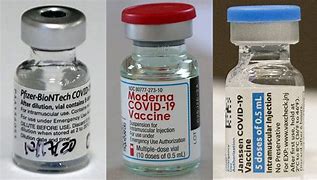
But, a new Covid variants are helping to push up the value of companies that make vaccines. Novavax, Moderna, BioNTech, and Pfizer rose yesterday as fall is likely to bring demand for boosters.

CITE: https://www.r2library.com/Resource

And, Atlanta-based Morris Brown College has announced that the school is reinstating its Covid mask mandate for the next two weeks as a result of positive cases at the Atlanta University Center.

The historically black college posted a note on its official Instagram account noting that the protocols would be in effect for the next 14 days. This includes a requirement for mask-wearing by students and employees, physical distancing, contact tracing, and other significant efforts to reduce the spread of Covid-19 among the population on the Atlanta campus. 

***

COMMENTS APPRECIATED

Thank You

***

***

PODCAST: A Conversation with Deborah Birx MD

THE COMMON BRIDGE

By Richard Helppie

***

20 years ago, as HIV and AIDS threatened vast populations in sub-Saharan Africa, Haiti, Guyana and Vietnam, the US Government made the largest investment in battling a pandemic. Known as the President’s Emergency Plan for AIDS Relief (PEPFAR). May 27th marked the 20th anniversary of the creation of this bipartisan program which coordinated the work of government agencies and local governments to reduce the infections. Dr. Deborah Birx, who had a significant role in the program visits The Common Bridge to talk about PEPFAR’s renewal. Don’t be surprised when the discussion takes a turn to more current events.

In part 2, Dr. Birx responds to Rich’s questions about the decline in scientific credibility.

LINK: https://thecommonbridge.substack.com/p/watch-listen-or-read-information?utm_source=substack&utm_medium=email#play

HERE: https://podcasts.apple.com/us/podcast/richard-helppies-common-bridge/id1485396596

COMMENTS APPRECIATED

Thank You

***

***

HEALTH INSURANCE: Impact of Insurance on Lower ExtremityAmputations

By Staff Reporters

***

***

A significant study recently published in the Annals of Vascular Surgery has uncovered a troubling correlation between loss of health insurance coverage and increased risk of amputation. Led by Dr. Tze Woei Tan, a vascular surgeon and associate professor, the research team from the University of Arizona and Keck School of Medicine of USC, which includes co-senior author Dr. David G. Armstrong, a podiatric surgeon and professor of surgery, brings attention to this important issue. Titled “The Impact of Health Insurance Loss on Amputation Rates in the United States,” the study highlights the consequences of losing insurance coverage. 

CITE: https://www.r2library.com/Resource/Title/0826102549

Researchers examined a large cohort of patients at risk of peripheral artery disease (PAD) and diabetic foot complications, noting that those without insurance were more likely to experience amputation. The study found that individuals who lost their insurance coverage were 2.5 times more likely to undergo a major amputation compared to those with continuous coverage. This striking difference emphasizes the importance of consistent access to healthcare and the potential consequences of gaps in insurance.

***

COMMENTS APPRECIATED

Thank You

***

ORDER: https://www.amazon.com/Infections-Foot-David-Edward-Marcinko/dp/0801670187/ref=sr_1_8?crid=33JOZEBQ5OXIQ&keywords=david+marcinko&qid=1681335246&sprefix=david+marcinko%2Caps%2C90&sr=8-8

***

***

High-Tech Infection Tracking

The Hershey Experience or High-Tech Gamble?

Staff Reporters

gambling

At Hershey Medical Center, in Pennsylvania, a sophisticated computer program now serves as a watchdog for infection outbreaks.


Internet Enabled Health 2.0

According to the Associated Press, December 30 2008, with a few mouse clicks on a Web browser, the hospital’s infection-control staffers can quickly generate reports with charts and graphs illustrating how many patients within a particular unit are infected, and which lab specimen contained the germs; etc.

Assessment

Some Pennsylvania health officials view the nascent technology as a critical tool for helping hospitals reduce health care costs by identifying potential systemic infection-control problems sooner than is possible by reviewing paper records by hand. Other pundits may not agree!

Conclusion

And so, your thoughts and comments on this Medical Executive-Post are appreciated. Will the data be reported for hospital quality improvement initiatives; or cloistered from stakeholders? And, will infection tracking and rate reporting finally become something more than a high-tech gamble?

Speaker: If you need a moderator or speaker for an upcoming event, Dr. David E. Marcinko; MBA – Publisher-in-Chief of the Executive-Post – is available for seminar or speaking engagements. Contact: MarcinkoAdvisors@msn.com  or Bio: www.stpub.com/pubs/authors/MARCINKO.htm

Our Print Books and Related Information Sources:

Practice Management: http://www.springerpub.com/prod.aspx?prod_id=23759

Physician Financial Planning: http://www.jbpub.com/catalog/0763745790

Medical Risk Management: http://www.jbpub.com/catalog/9780763733421

Healthcare Organizations: www.HealthcareFinancials.com

Health Administration Terms: www.HealthDictionarySeries.com

Physician Advisors: www.CertifiedMedicalPlanner.com

Subscribe Now: Did you like this Medical Executive-Post, or find it helpful, interesting and informative? Want to get the latest E-Ps delivered to your email box each morning? Just subscribe using the link below. It’s free. You can unsubscribe at any time. Security is assured.

Link: http://feeds.feedburner.com/HealthcareFinancialsthePostForcxos