BOARD CERTIFICATION EXAM STUDY GUIDES Lower Extremity Trauma
[Click on Image to Enlarge]
ME-P Free Advertising Consultation
The “Medical Executive-Post” is about connecting doctors, health care executives and modern consulting advisors. It’s about free-enterprise, business, practice, policy, personal financial planning and wealth building capitalism. We have an attitude that’s independent, outspoken, intelligent and so Next-Gen; often edgy, usually controversial. And, our consultants “got fly”, just like U. Read it! Write it! Post it! “Medical Executive-Post”. Call or email us for your FREE advertising and sales consultation TODAY [678.779.8597] Email: MarcinkoAdvisors@outlook.com
Medical & Surgical e-Consent Forms
ePodiatryConsentForms.com
iMBA Inc., OFFICES
Suite #5901 Wilbanks Drive, Norcross, Georgia, 30092 USA [1.678.779.8597]. Our location is real and we are now virtually enabled to assist new long distance clients and out-of-town colleagues.
ME-P Publishing
SEEKING INDUSTRY INFO PARTNERS?
If you want the opportunity to work with leading health care industry insiders, innovators and watchers, the “ME-P” may be right for you? We are unbiased and operate at the nexus of theoretical and applied R&D. Collaborate with us and you’ll put your brand in front of a smart & tightly focused demographic; one at the forefront of our emerging healthcare free marketplace of informed and professional “movers and shakers.” Our Ad Rate Card is available upon request [678-779-8597].
Posted on February 11, 2025 by Dr. David Edward Marcinko MBA MEd CMP™
By Staff Reporters
***
***
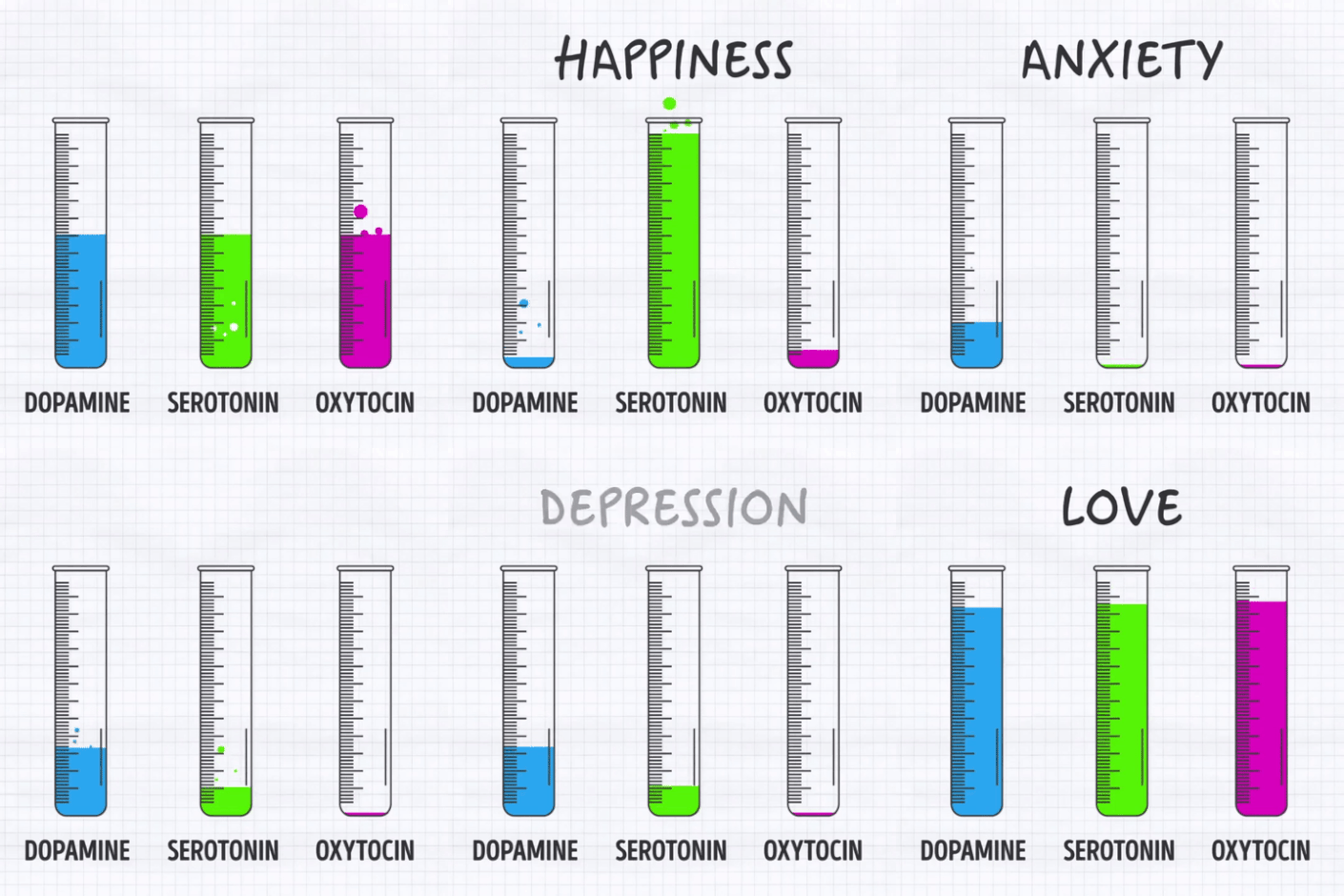
The Paradox of Progress explores the tension between societal progress and individual well-being.
According to colleague Eugene Schmuckler PhD MBA MEd, it questions whether advancements in technology, economy, and society truly lead to greater happiness and fulfillment for individuals, or if they create new forms of dissatisfaction or inequality.
Posted on December 11, 2024 by Dr. David Edward Marcinko MBA MEd CMP™
By Staff Reporters
***
***
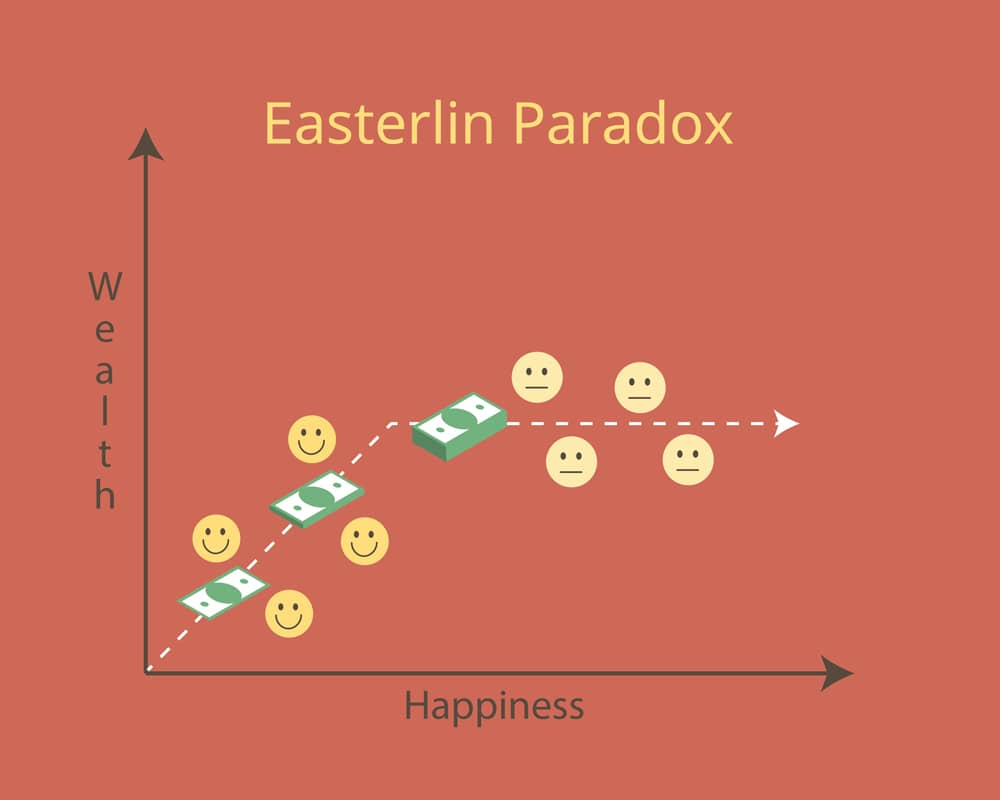
Richard Easterlin PhD, Paradox: For countries with income sufficient to meet basic needs, the reported level of happiness does not correlate with national income per person.
According to colleague Dan Ariely PhD, one explanation is that my happiness depends on a comparison between my income and my perceptions of the average standard of living. If everyone’s income increases, my increased income gives a short boost to my happiness, since I do not realize that the average standard of living has gone up. Some time later, I realize that the average standard of living has also gone up, so the happiness boost produced by my increased income disappears. It is the contradiction between the point-of-time and time series findings that is the root of the paradox: while there is a correlation at a fixed point, there is no trend over multiple points.
That is, in the short run, everyone perceives increases in income to be correlated with happiness and tries to increase their incomes. However, in the long run, this proves to be an illusion, since everyone’s efforts to raise standards of living lead to increasing averages, leaving everyone in the same place in terms of relative income.
Various theories have been advanced to explain the paradox, but the paradox itself is solely an empirical generalization. The existence of the paradox has been strongly disputed by other researchers.
Posted on November 27, 2024 by Dr. David Edward Marcinko MBA MEd CMP™
By Staff Reporters
***
***
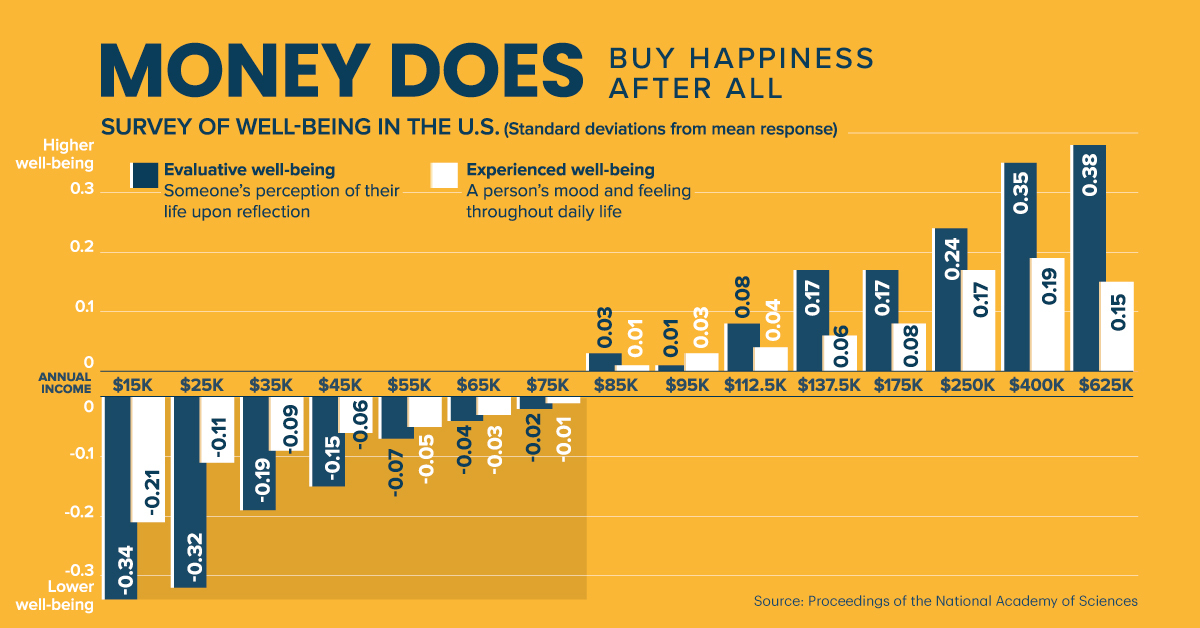
According to HVL from Morning Brew, a new survey from financial services company Empower ignited a conversation about what monetary success means. Turns out, it depends on who you ask. Boomers believe that success means having an annual salary of about $100,000. Gen Z thinks your mom can’t brag about you to her dentist until you earn $600k/year. On average, respondents said success is making $270,000 annually.
Additionally, less than 40% of respondents said they considered themselves financially successful. Almost 50% don’t believe they will achieve the level of success they desire.
But there was some good news: Forty-three percent said their idea of success didn’t depend on a specific sum of money. And almost 60% said happiness is most important, as long as happiness is defined as “being able to spend money on the things and experiences that bring the most joy.”
Your thoughts and comments on this ME-P are appreciated. Feel free to review our top-left column, and top-right sidebar materials, links, URLs and related websites, too. Then, subscribe to the ME-P. It is fast, free and secure.
Speaker: If you need a moderator or speaker for an upcoming event, Dr. David E. Marcinko; MBA – Publisher-in-Chief of the Medical Executive-Post – is available for seminar or speaking engagements.







 Support our online development, and advance our onground research initiatives in free market economics, as we seek to showcase the brightest Next-Gen minds.
THE ME-P DISCLAIMER: Posts, comments and opinions do not necessarily represent iMBA, Inc., but become our property after submission. Copyright © 2006 to-date. iMBA, Inc allows colleges, universities, medical and financial professionals and related clinics, hospitals and non-profit healthcare organizations to distribute our proprietary essays, photos, videos, audios and other documents; etc. However, please review copyright and usage information for each individual asset before submission to us, and/or placement on your publication or web site. Attestation references, citations and/or back-links are required. All other assets are property of the individual copyright holder.
Support our online development, and advance our onground research initiatives in free market economics, as we seek to showcase the brightest Next-Gen minds.
THE ME-P DISCLAIMER: Posts, comments and opinions do not necessarily represent iMBA, Inc., but become our property after submission. Copyright © 2006 to-date. iMBA, Inc allows colleges, universities, medical and financial professionals and related clinics, hospitals and non-profit healthcare organizations to distribute our proprietary essays, photos, videos, audios and other documents; etc. However, please review copyright and usage information for each individual asset before submission to us, and/or placement on your publication or web site. Attestation references, citations and/or back-links are required. All other assets are property of the individual copyright holder.














 The Leading Business Education Network for Doctors, Financial Advisors and Health Industry Consultants