Contribute to a Roth 401k WHILE Working in a High Tax State?

How and Why?

By Josh @HeritageWealthPlanning.com

I’ve attached a quick / short analysis that pits a Roth retirement approach versus a pre-tax 401 approach. I’m a bit surprised at the outcome.

Here are the assumptions.

1. Married employee in both cases.
2. An employee who is 55 years old invests $25,000 into the company’s retirement account.
a. $19,000 limit, plus
b. $6,000 over 50 catch-up
3. One employee pays the taxes up-front and invests the net of $16,088 into a Roth.
4. Another employee avoids / defers the taxes and invests the entire $25,000 into a 401.
5. Both investments earn the same return.
6. After 10 years the 401 will be converted over to a Roth.
c. This conversion signals the retirement of the individual in a non-income tax state which is one difference between the two approaches. Their working career was in an income taxed state while they both retire in a non-taxed state.
7. The analysis is taxing the 401 at the same tax-rate level minus any state income tax. If you execute your conversions at a lower tax rate, say 12% the results could even be more divergent.(emphasis mine).

d. Also, the reason I’ve taxed the entire Roth amount at 22% Federal is because that is the bracket the employee’s income tops out at. For the retiree when any Roth conversions is likely to take place the taxes would be on a stepped approach topping out at possible 12%.

Assessment

What am I missing here? If this analysis is correct it seems advantageous to invest in the 401 and convert to a Roth when you are either in a lower tax bracket, in a non-income tax state or both.

LINK: https://heritagewealthplanning.com/contribute-to-a-roth-401k-while-working-in-a-high-tax-state/

***

Conclusion: Your thoughts are appreciated.

***

Risk Management, Liability Insurance, and Asset Protection Strategies for Doctors and Advisors: Best Practices from Leading Consultants and Certified Medical Planners™8Comprehensive Financial Planning Strategies for Doctors and Advisors: Best Practices from Leading Consultants and Certified Medical Planners™

***

Child Health Measures and Rankings

For FY 2017

By http://www.MCOL.com

***

***

Product DetailsProduct DetailsProduct Details

***

Playing with the FIRE Movement

“What do you think of the FIRE movement?”

[By Rick Kahler CFP]

“What do you think of the FIRE movement?” a reporter asked me recently. I told her I was ambivalent about it.

The FIRE acronym in this context stands for “Financial Independence, Retire Early.” While a Harris poll done in late 2018 found most people over 45 had never heard of the FIRE movement, it apparently has caught fire among millennials.

The focus of FIRE adherents is lifestyle more than finances. Two books are the foundation of the FIRE movement: Your Money or Your Life, written in 1992 by Vicki Robin and Joe Dominguez, and Early Retirement Extreme, written in 2010 by Jacob Lund Fisker. The concept was popularized in 2011 by blogger Peter Adeney (Mr. Money Mustache), who lives in Longmont, CO. At the age of 30, Adeney and his wife retired with a retirement fund of $600,000 and a paid-for home.

According to the reporter who interviewed me, many advisors have strong opinions against the FIRE movement. This may seem odd. After all, financial independence and retiring early is often a goal of those seeking financial planning. That was certainly one of my goals when I was the age of today’s millennials.

I find very little to criticize about adopting a frugal lifestyle and saving as much as possible. For decades I have suggested living on half of what you make, with a goal of reaching financial freedom as soon as possible. Some FIRE proponents do save up to 50% of their income, which is five times more than their peers, according to a January 21, 2019, InvestmentNews article by Greg Iacurci, “Advisors throw cold water on FIRE Movement.”

What makes many financial planners uncomfortable is the definition of “early.” In my day, early was age 50, not 30. In terms of FIRE, Adeney promotes a lifestyle of aggressive frugality with the goal of retiring as soon as possible, using a 4% withdrawal rate as a guideline to determine the nest egg you need to accumulate.

***

***

This raises two obvious issues that need clarification.

First, you need to earn enough to be able to live on 50 percent of your income. Relatively few young adults make that much. There is no magic income number, since the cost of living varies so much across the country.

One’s definition of frugality is also important. To some that may mean setting the thermostat at 68 all winter or driving a small fuel-efficient vehicle. For  others it may mean chopping your own wood to heat your living space only with a wood-burning stove or doing without a car altogether. As with many things, the wisdom is knowing when frugality crosses the line to dangerous deprivation.

Finally, the earlier you retires the longer your retirement nest egg must last. With a 4% withdrawal rate, someone retiring at age 70 has a much higher probability of seeing their investment portfolio last for their lifetime than someone retiring at age 30. Also, the rate of return on the portfolio is critical. The higher the rate of return the longer the funds will last. If there is any potential problem with the FIRE formula it’s probably this.

Since the average 30 year old may live another 60 years, and assuming a 4% return net of mutual fund and advisor fees, I would make a strong argument for a 2 percent withdrawal rate. Someone age 50 could reasonably withdraw 3%, while someone age 60 or above could probably be safe at 4%.

Assessment:

As with any conflagration, playing with FIRE irresponsibly can end up burning down the house. But used wisely, it can sustain life and make living much more rewarding.

Risk Management, Liability Insurance, and Asset Protection Strategies for Doctors and Advisors: Best Practices from Leading Consultants and Certified Medical Planners™8Comprehensive Financial Planning Strategies for Doctors and Advisors: Best Practices from Leading Consultants and Certified Medical Planners™

***

What is a Portmanteau?

Word Play, Anyone?

[By staff reporters]

***

A portmanteau or portmanteau word is a linguistic blend of words, in which parts of multiple words, or their phones (sounds), and their meanings are combined into a new word.
***
***
Originally, the word “portmanteau” refers to a suitcase that opens into two equal sections.
***
***
***
Assessment: Can you think of any others; or construct de-novo?
***
Product DetailsProduct DetailsProduct Details
***

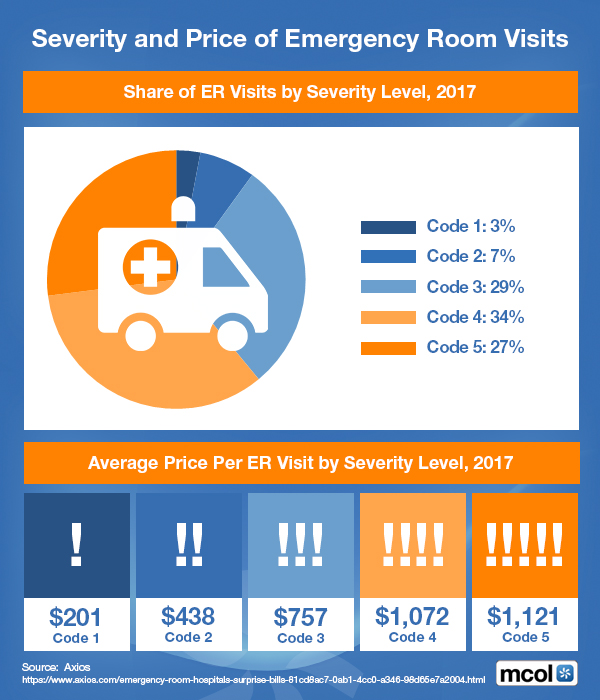
Severity and Price of ER Visits

Severity Level – 2017

By http://www.MCOL.com

***

***

Conclusion: Your thoughts are appreciated.

***

Product DetailsProduct Details

***

What is Doxxing?

Can You Avoid It?

[By staff reporters]

Doxing (from dox, abbreviation of documents), or doxxing, is the Internet-based practice of researching and broadcasting personally identifiable information about an individual.

The methods employed to acquire this information include searching publicly available databases and social media websites (like Facebook), hacking, and social engineering.

***

***

Doxing is therefore a standard tactic of online harassment and has been used by people associated with 4chan and in the Gamergate and vaccine controversies.

The ethics of doxing by journalists, on matters that they assert are issues of public interest, is an area of much controversy. Many authors have argued that doxing in journalism blurs the line between revealing information in the interest of the public and releasing information about an individual’s private life against their wishes.

MORE: https://www.gohacking.com/what-is-doxing-and-how-it-is-done/

THINK: HIPAA

Conclusion: Your thoughts are appreciated.

**

Risk Management, Liability Insurance, and Asset Protection Strategies for Doctors and Advisors: Best Practices from Leading Consultants and Certified Medical Planners™

***


What is Cryonics?

Cryonics: Using low temperatures to care for the critically ill

By Aschwin de Wolf

Introduction

In contemporary medicine terminally ill patients can be declared legally dead using two different criteria: whole brain death or cardiorespiratory arrest. Although many people would agree that a human being without any functional brain activity, or even without higher brain function, has ceased to exist as a person, not many people realize that most patients who are currently declared legally dead by cardiorespiratory criteria have not yet died as a person. Or to use conventional biomedical language, although the organism has ceased to exist as a functional, integrated whole, the neuroanatomy of the person is still intact when a patient is declared legally dead using cardiorespiratory criteria.

It might seem odd that contemporary medicine allows deliberate destruction of the properties that make us uniquely human (our capacity for consciousness) unless one considers the significant challenge of keeping a brain alive in a body that has ceased to function as an integrated whole. But what if we could put the brain “on pause” until a time when medical science has become advanced enough to treat the rest of the body, reverse aging, and restore the patient to health?

Myths: https://www.alcor.org/cryomyths.html#myth6

MORE: https://www.alcor.org/

Assessment

Your thoughts are appreciated.

Risk Management, Liability Insurance, and Asset Protection Strategies for Doctors and Advisors: Best Practices from Leading Consultants and Certified Medical Planners™8Comprehensive Financial Planning Strategies for Doctors and Advisors: Best Practices from Leading Consultants and Certified Medical Planners™

***


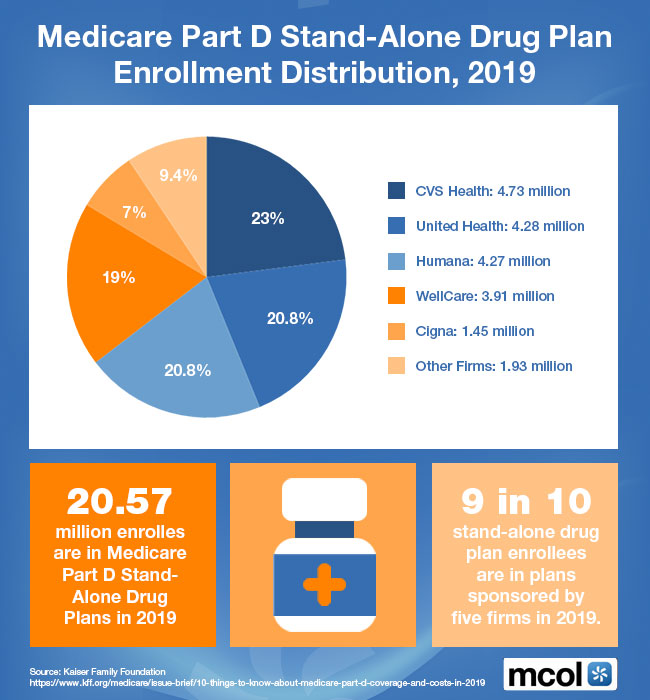
Medicare Part D – Drug Plan Enrollment

Distribution 2019

By http://www.MCOL.com

***

***

Product DetailsProduct Details

***

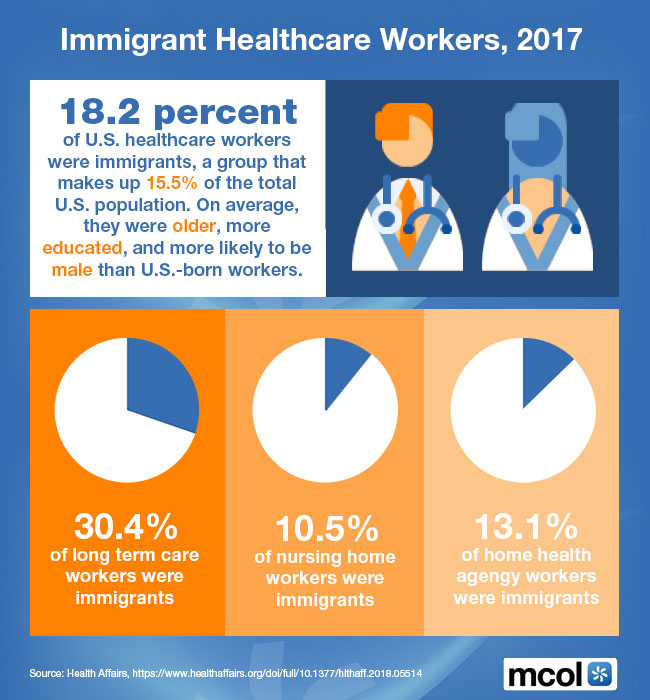
On Immigrant Health Care Workers

CIRCA – 2017

By http://www.MCOL.com

***

***

Assessment

Your thoughts are appreciated.

Product DetailsProduct Details

***

Is Value Investing Dead?


Vitaliy Katsenelson CFA

Is Value Investing Dead?

***

MORE: http://www.msn.com/en-us/money/topstocks/value-stocks-are-trading-at-the-steepest-discount-in-history/ar-AACuYES?li=BBnbfcN

***

Risk Management, Liability Insurance, and Asset Protection Strategies for Doctors and Advisors: Best Practices from Leading Consultants and Certified Medical Planners™8Comprehensive Financial Planning Strategies for Doctors and Advisors: Best Practices from Leading Consultants and Certified Medical Planners™

***

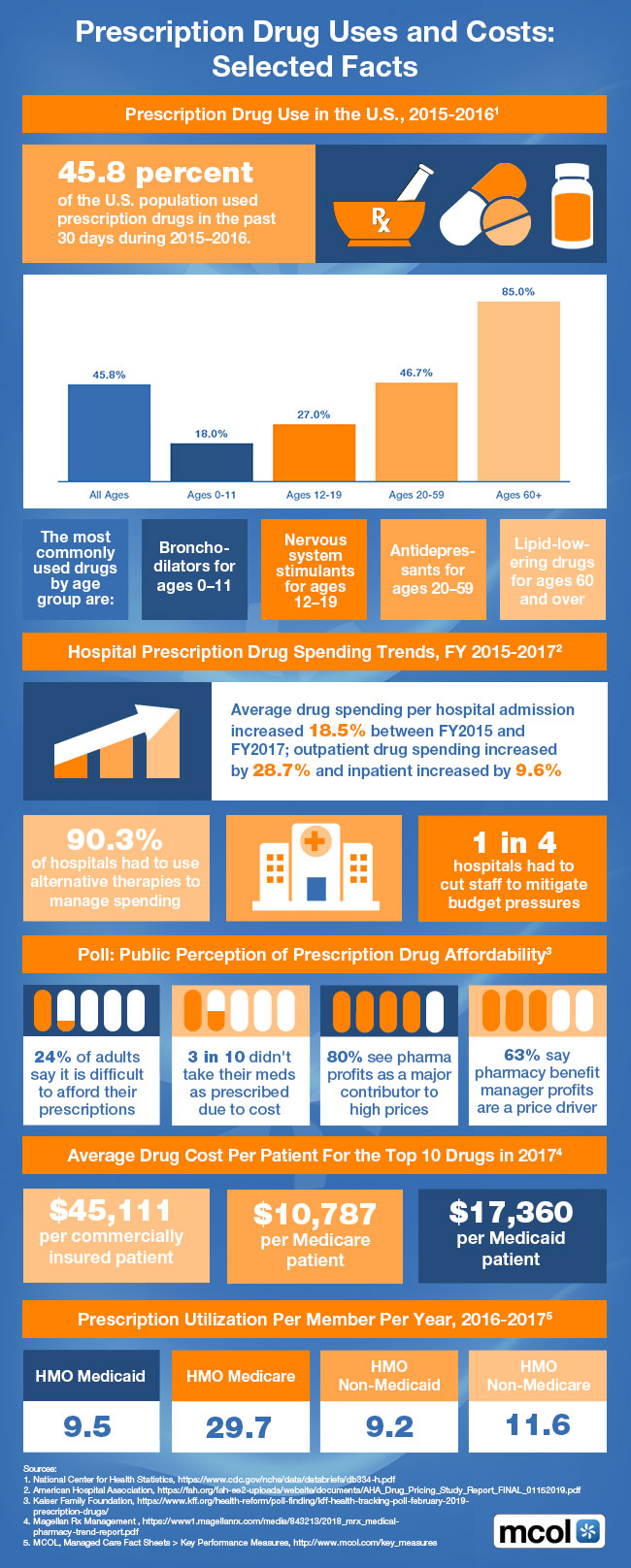
Prescription Drug Uses and Costs

Seclected Facts: 2015-2016

***

***

Product DetailsProduct Details

***

Out-Of-Pocket Spending Among People with Employer Health Insurance Coverage

Circa 2016-2017

By http://www.MCOL.com

***

***

Risk Management, Liability Insurance, and Asset Protection Strategies for Doctors and Advisors: Best Practices from Leading Consultants and Certified Medical Planners™8Comprehensive Financial Planning Strategies for Doctors and Advisors: Best Practices from Leading Consultants and Certified Medical Planners™

***

Ten “Unusual” ICD-11 Codes

You May not Have Known

By http://www.MCOL.com

***

***

Product DetailsProduct Details

MORE:

https://www.medicaleconomics.com/health-law-policy/20-bizarre-new-icd-10-codes

***