My [Jaguar] Mechanic V. Doctor Story

Join Our Mailing List

Everyone wants to be a doctor – or get paid like one!

dem21[By Dr. David Edward Marcinko MBA CMP™]

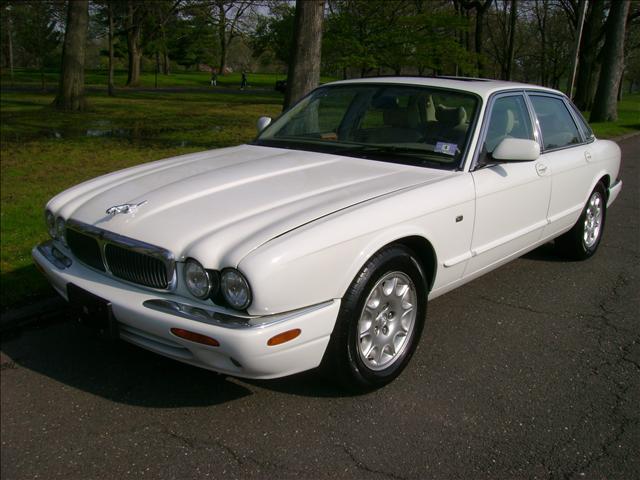
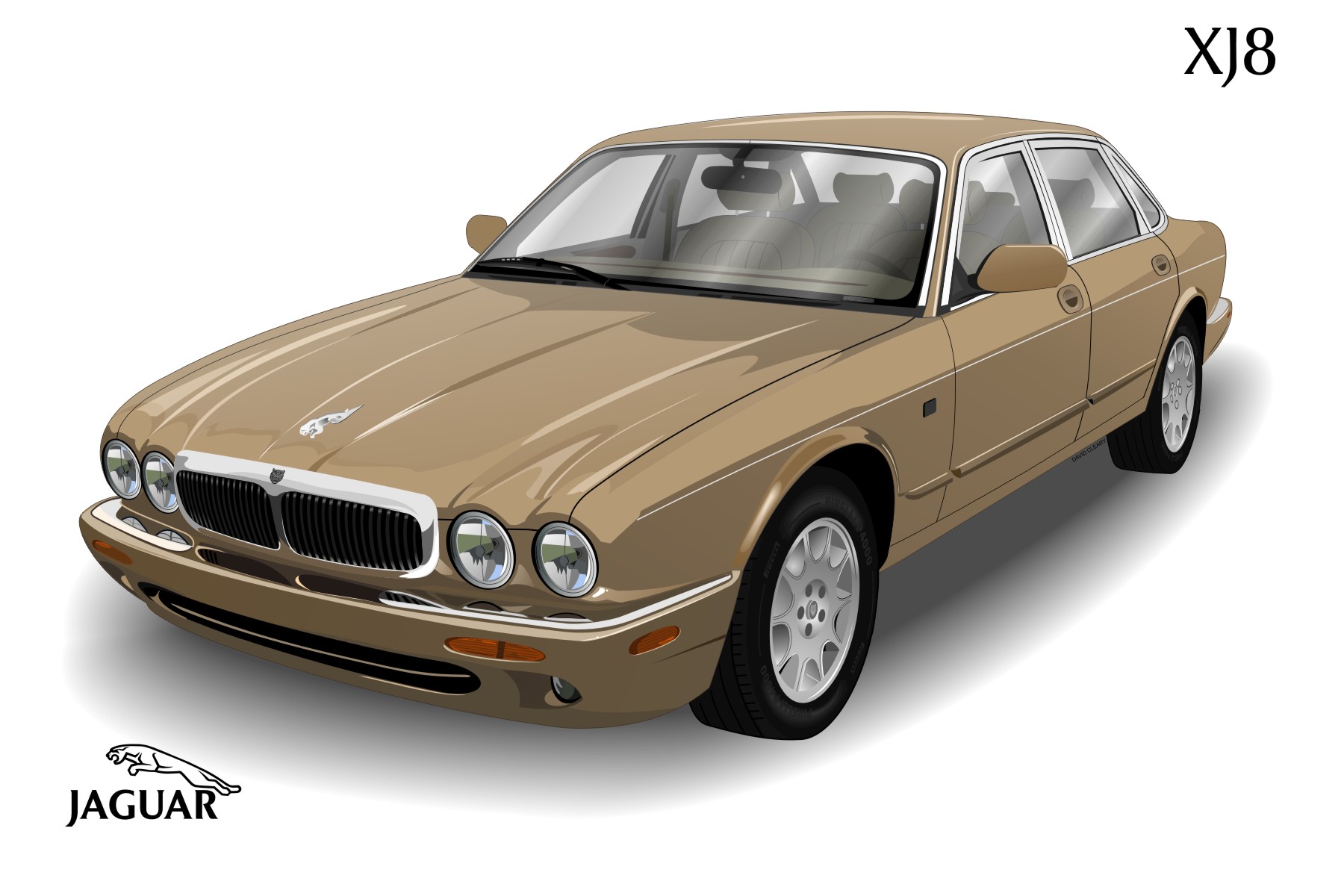
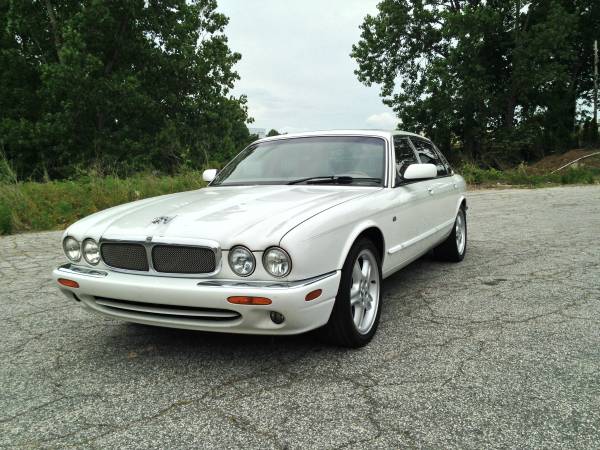
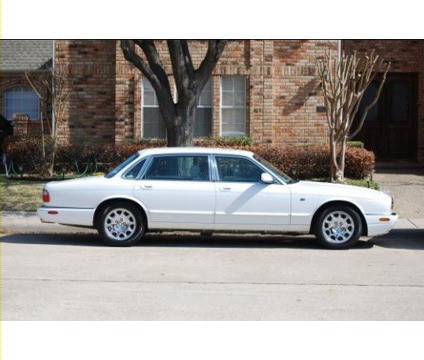
Most regular ME-P readers and subscribers know that I am a Jaguar automobile fan. Except perhaps for a Bentley or Rolls Royce, I think that Jags are the finest mass produced luxury vehicles on the planet.

Backstory

My regular car guy, Jimmie the mechanic, was removing a cylinder head from a late model Jaguar sedan when he spotted a world-famous heart surgeon in his garage; we have many such dignitaries on this side of town.

In fact, it is called “pill-hill” around here, for the many hospitals, medical clinics and physician offices. The heart surgeon was waiting for the service manager to come and take a look at his car.

The Query

Jimmie shouted across the garage, ‘Hey Doc can I ask you a question?’

The famous surgeon, a bit surprised, walked over to him.  Jimmie straightened up, wiped his hands on a rag and asked, ‘So Doc, look at this engine. I also can open hearts, take valves out, fix’em, put in new parts and when I finish this Jaguar will work just like a new one.’

Salary Comparisons

“So how come I work for a pittance and you get the really big money, when you and I are doing basically the same work?”

The MD’s Answer

The surgeon paused, smiled and leaned over and whispered into Jimmie’s ear: ‘Try doing it with the engine running.’

***

Jag sedan

ME-P Jag

***

Assessment

Of course this story is a classic; oft repeated ad nauseam.

Conclusion

Your thoughts and comments on this ME-P are appreciated. Feel free to review our top-left column, and top-right sidebar materials, links, URLs and related websites, too. Then, subscribe to the ME-P. It is fast, free and secure.

Speaker: If you need a moderator or speaker for an upcoming event, Dr. David E. Marcinko; MBA – Publisher-in-Chief of the Medical Executive-Post – is available for seminar or speaking engagements. Contact: MarcinkoAdvisors@msn.com

OUR OTHER PRINT BOOKS AND RELATED INFORMATION SOURCES:

Product Details  Product DetailsProduct Details


Does the Summer Sun Damage your Luxury Vehicle’s Paint Job?

Join Our Mailing List 

Protecting your vehicle from the effects of sunlight

[By Dr. David Edward Marcinko MBA CMP™]

[By Nalley Lexus Roswell, GA]

Dr. DEMSunlight is dynamic. It keeps us warm, allows plants to grow, and can even be converted into electricity.

Unfortunately, sunlight has an equally harmful side on human skin. As a result, the ultraviolet rays in sunlight, also known as UV rays, can burn unprotected skin and blister it. This is well known by doctors, especially plastic surgeons, dermatologists, you and me.

UV Damage

But, did you know that UV rays can seriously damage the paint on your luxury car or truck, too? Yes – it’s true.

During the warm weather seasons, exposure to UV rays actually breaks down the molecules that give your vehicle’s paint its color and shine. Though modern automobile paint includes additives to resist these effects, the paint’s effectiveness only lasts for a limited time period. So, when a car spends much of its life entrenched in sunlight, its paint will gradually fade and become dull.

Temperature too!

While sunlight is harmful, temperature can be a problem, as well. When a car sits out in the fierce midday sun, it gets hot and its body panels expand. Such expansion causes the paint to contract at a microscopic level, which may ultimately crack your car’s paint or dry out and crack leather seats. Over time, the gradual effects of the sun’s heat diminish your car’s gleaming showroom finish. As the sun is ubiquitous, it may seem as though sun damage is inescapable.

However, it is possible to extend the life of your car’s paint job by following these tips.

***

My Jaguar

***

Tips and Pearls

Seek shade

Whenever possible, keep your ride out of sunlight. Park in a covered garage or use a car cover for an immediate solution. You may also park your car under the shade of a tree for a short period of time, but it is important to remember that tree sap and bird droppings can also damage your paint finish.

Wax

Modern vehicles are finished with a layer of “clear coat” over the actual paint color. This gives the paint its deep gloss and helps protect the pigment from UV rays, however it doesn’t last forever. Regular waxing provides additional protection for your car, filling in cracks that form as a result of sunlight exposure.

A simple way to see if your car needs waxing is by performing the water beading test. To perform this test, drip water onto your paint. If the water forms beads on the paint surface, your car is perfectly waxed. However, if the water spreads on the paint surface, your car is in need of a new wax job.

***

My Jaguar XJ-V8

***

Assessment

As a classic British Jaguar XJ-V8-L sedan aficionado; can you think of any more ways to protect my car, and your car, from the sun?

More:

Conclusion

Your thoughts and comments on this ME-P are appreciated. Feel free to review our top-left column, and top-right sidebar materials, links, URLs and related websites, too. Then, subscribe to the ME-P. It is fast, free and secure.

Speaker: If you need a moderator or speaker for an upcoming event, Dr. David E. Marcinko; MBA – Publisher-in-Chief of the Medical Executive-Post – is available for seminar or speaking engagements. Contact: MarcinkoAdvisors@msn.com

OUR OTHER PRINT BOOKS AND RELATED INFORMATION SOURCES:

Product DetailsProduct DetailsProduct Details

Product Details  Product Details

Product Details

Reasons Why Doctors Should Get New Automobile Tires

Join Our Mailing List

My Diatribe on Saving Lives

By Dr. David Edward Marcinko MBA

[Editor-in-Chief]

Even though the price of crude oil, and hence gasoline is down of late, we’ve had an excellent response from doctor readers regarding our recent ME-Ps on automobiles, car insurance, driving costs, and fuel efficiency, etc. So, while not a forum for auto enthusiasts –  it is Memorial Day weekend after all – I’ll try to give our readers what they want with this personal essay.

Tires

Regardless of how well you care for your tires, the time will come when you must replace them. Safety as well as convenience is at stake. You don’t want a flat tire, but driving with worn tires also makes your car more difficult to control, especially in bad weather. Although many doctors get so busy they forget to check their tires, others do not know how to tell when they need to replace their tires. The following pointers will help you learn how:

Tread Depth

As tires roll over highways, the friction between them and the road wear down their treads. When tires have inadequate tread depth, they will not grip the road well and can lead to unsafe driving conditions, especially in the rain. The National Highway Transportation Safety Administration says the minimum safe depth of a tread is 1/32 of an inch. You may not have a ruler handy to measure your tread, but a simple technique makes checking your treads easy.

Take a penny and insert it into the tread groove with Lincoln’s head pointed downward toward the center of the wheel, facing outward. If you can see Lincoln’s forehead, the tire still has useful life. If you can see Lincoln’s hair on top of his head, you will soon need a replacement. Finally, if you can see the top of Lincoln’s head or the empty space above it, you should replace the tire as soon as possible.

Tire Inflation

tires

Wear Indicators

In the United States, tires have wear bars that provide a visual signal when they need replacement. Wear bars are shorter than healthy treads, so they are not noticeable to most drivers. When treads wear, the wear bars become visible and look like bridges across the tread grooves. When this happens, you need to buy new tires. Some doctors have trouble identifying wear bars at first, so if you can’t see them on your tires, ask a service technician or your local mechanic to show you.

***
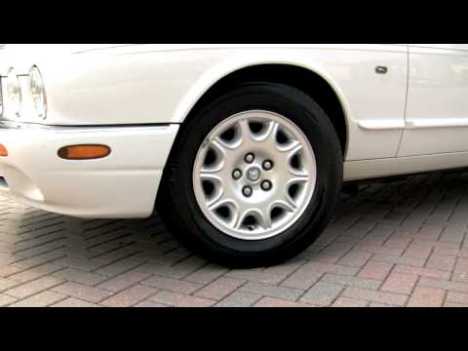
tires

***

Age

Tires lose their integrity with age. Heat, sunlight, chemicals from the road, and gases from the air cause tires to corrode and oxidize, making them unsafe for use. This problem can especially affect spare tires which often sit in trunks unnoticed and unused for prolonged periods. Develop a replacement plan for any cars you own that get little use and for your spare tires. Tires wear at different rates depending on how often the car is driven and how many miles are put on it each year, so there is no exact time frame for tire replacement.

Other Signs of Wear

Not all tires wear evenly, so all medical professionals should periodically inspect every part of their tires. Look for uneven wear and flat spots on the edge of the tread. Replace tires that bulge on the sides. Visible wires signal that a tire has gone too far. The wires you see come from the metal belts that strengthen tires; manufacturers do not intend for this part of a tire to contact the road.

To avoid problems with your tires, inspect them regularly or have your mechanic or dealership inspect them anytime you go in for service or an appointment. Try adding a reminder to your task list, calendar, or schedule to make sure your tires never leave you stranded or put you or your car in danger.
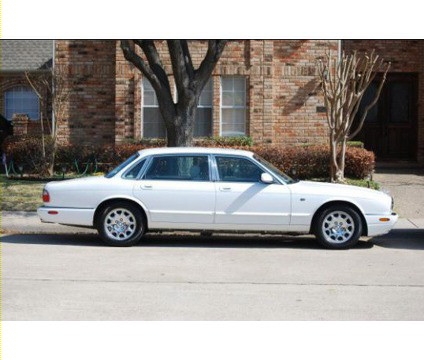
My Tires

My own luxury weekend “fun” vehicle is a vintage European, pearl white, touring Jaguar XJ -V8- LWB. I love the control, precision and feel of my high-performance Pirelli P6 tires. It’s how I roll.

GOMER [Get Out of My Emergency Room]

I covered the emergency room for more than a decade; auto accidents due to poor tire tread are endemic especially at night and in the rain. So, please check your tires, and replace them if needed; today. We want our ME-P readership to grow. The life you save may be your own.

Assessment

This ME-P is a follow-up, by reader request, of a prior popular essay of mine. How Smart Doctors Can Save Big at the Pump I appreciate your interest.

More photos: https://medicalexecutivepost.com/wp-content/uploads/2012/04/dems-jaguar.pdf

Conclusion

Your thoughts and comments on this ME-P are appreciated. Feel free to review our top-left column, and top-right sidebar materials, links, URLs and related websites, too. Then, subscribe to the ME-P. It is fast, free and secure.

Link: http://feeds.feedburner.com/HealthcareFinancialsthePostForcxos

Speaker: If you need a moderator or speaker for an upcoming event, Dr. David E. Marcinko; MBA – Publisher-in-Chief of the Medical Executive-Post – is available for seminar or speaking engagements. Contact: MarcinkoAdvisors@msn.com

OUR OTHER PRINT BOOKS AND RELATED INFORMATION SOURCES:

DICTIONARIES: http://www.springerpub.com/Search/marcinko
PHYSICIANS: www.MedicalBusinessAdvisors.com
PRACTICES: www.BusinessofMedicalPractice.com
HOSPITALS: http://www.crcpress.com/product/isbn/9781466558731
CLINICS: http://www.crcpress.com/product/isbn/9781439879900
BLOG: www.MedicalExecutivePost.com
FINANCE: Financial Planning for Physicians and Advisors
INSURANCE: Risk Management and Insurance Strategies for Physicians and Advisors

Product Details  Product Details

Tips from a Doctor for Optimizing Automobile Fuel Efficiency to Save Money

Join Our Mailing List

Here’s How I Can Afford Gasoline for My Vintage Jaguar XJ-8-LWB

Dr. Dr. David Edward Marcinko MBA CMP

[Editor-in-Chief]

Dammit Spock! I’m a doctor – not an auto mechanic!

But, as the cost of fuel increases, more and more physician drivers are thinking about ways to maximize their gas mileage. As well as reducing the cost of fuel in the doctor’s pocket, optimizing fuel efficiency helps reduce the environmental impact of driving and conserves a resource that is only getting scarcer. This is especially true when you drive a luxury European touring sedan that has been said to be one of the finest in the world – like me!

There are a number of different ways drivers can increase their gas mileage. Advice and tips on fuel efficiency fall into a number of key categories.

My Tips and Pearls 

1. The car that you drive can make a big difference when it comes to fuel efficiency. Clearly, the larger and more powerful the vehicle is, the lower its gas mileage is likely to be. Car manufacturers are increasingly looking to new technology to help improve fuel efficiency, and if your car is quite old then it might be time to consider switching to a new model. Fuel efficiency statistics are now commonly published and compared on driving websites, and you should consider this before buying a new, or used, car.

2. Ensuring that your car is well-maintained is also a significant factor in the fuel efficiency that you will experience. Something as small and innocuous as spark plugs, for example, can reduce your gas mileage by as much as 12%. Over the course a year, the cost of the gas you waste is likely to be far more than the cost of replacing the part. If you are in doubt, talk to a trusted mechanic about maintenance, and alway have your car serviced at the recommended intervals.

3. Tire pressure can also have a significant impact on fuel efficiency. Low tire pressure can affect the vehicle’s performance, reducing gas mileage markedly. At the same time, it is also worth remembering that having the pressure too high can also have a negative effect. Ensure that you check your tire pressure on a regular basis. Talk to your mechanic if you are unsure about the optimum pressure value for your tires.

4. The way you drive your car also impacts your overall gas mileage. The official U.S. government website for fuel economy recommends that you always observe the speed limit, noting that for each 5 mph that you drive over a 60-mph speed limit, you are likely to paying an additional $0.29 per gallon of gas. Aggressive driving can reduce your gas mileage by as much as 33% on the highway. Carrying unnecessary weight in your car also uses more fuel, and you should always turn off your engine when the car is idle.

5. By changing the way in which you use your car, you can also save money. By combining multiple short trips into single, multi-purpose outings, you can prevent wasted mileage. Commuters can consider car sharing schemes, whereby drivers take it in turns to provide transport for fellow workers, reducing the number of cars on the road. You may even choose to switch to public transport on certain days of the week, to reduce the burden on your car.

6. You can even improve gas mileage by being careful about where and when you purchase fuel. Gas is at its densest during the coolest times of day. That means that by purchasing fuel early in the morning, or after dark, the volume of gas that the pump dispenses per unit will be moderately higher than at other, warmer times of day. Be savvy about prices in your local area too, keeping an eye out for the cheapest gas stations, but don’t go out of your way to purchase fuel. The money that you save at the pump is likely to be wasted on the additional mileage spent driving to the station.

7. As the cost of gas fluctuates on such a frequent basis, learning to optimize your fuel efficiency is a great way to ensure that you get the most out of the money you spend on fuel. Ensure that your vehicle is as efficient as possible, moderate your driving behavior, and moderate the amount of driving that you do to see the biggest improvements in your gas mileage.

Assessment

This ME-P is a follow-up, by reader request, of a prior popular essay of mine. How Smart Doctors Can Save Big at the Pump I appreciate your interest.

More photos: https://medicalexecutivepost.com/wp-content/uploads/2012/04/dems-jaguar.pdf

Conclusion

Your thoughts and comments on this ME-P are appreciated. Feel free to review our top-left column, and top-right sidebar materials, links, URLs and related websites, too. Then, subscribe to the ME-P. It is fast, free and secure.

Speaker: If you need a moderator or speaker for an upcoming event, Dr. David E. Marcinko; MBA – Publisher-in-Chief of the Medical Executive-Post – is available for seminar or speaking engagements. Contact: MarcinkoAdvisors@msn.com

OUR OTHER PRINT BOOKS AND RELATED INFORMATION SOURCES:

Product Details  Product Details