EQ: Emotional Intelligence Defined

LEADERSHIP versus MANAGEMENT

***

***

By Dr. David Edward Marcinko MBA MEd

By Professor Gary A. Cook PhD

By Professor Eugene Schmuckler PhD MBA MEd CTS

Many of us have encountered a person who may intellectually be at upper levels, but whose ability to interact with others appears to that of one who is highly immature. This is the individual who is prone to becoming angry easily, verbally attacks co-workers, is perceived as lacking in compassion and empathy, and cannot understand why it is difficult to get others to cooperate with them and their agendas.

THINK: Sheldon Cooper PhD D.Sc MA BA of the The Big Bank Theory TV show.

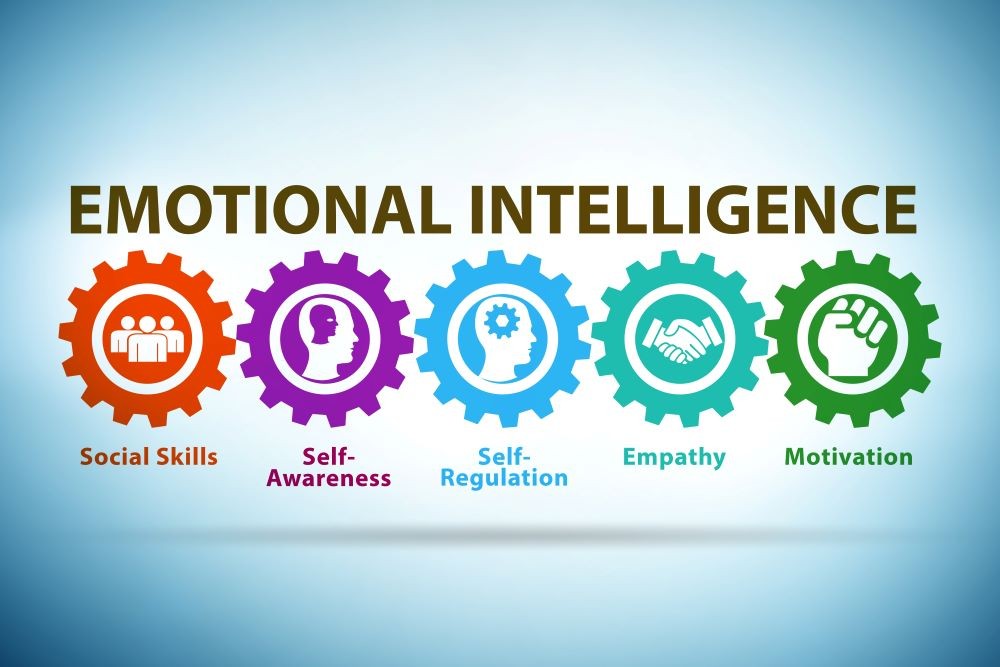
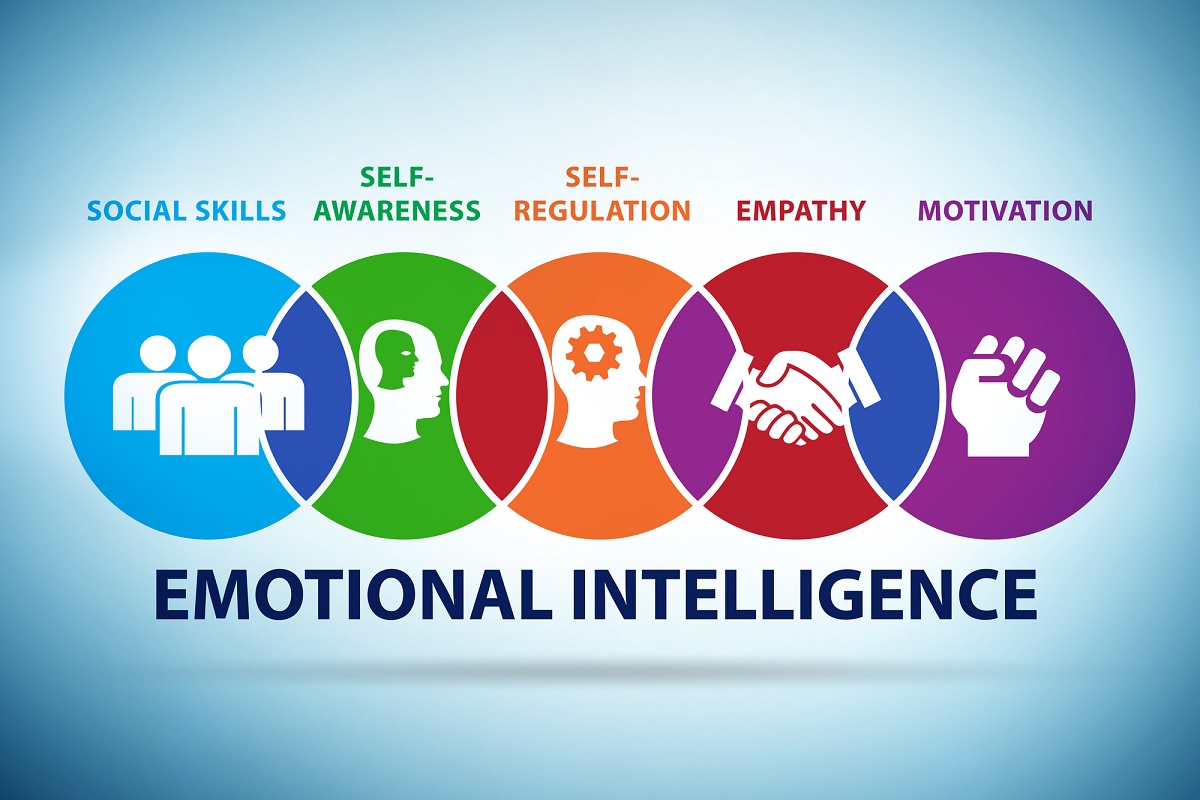
The concept of Emotional Intelligence [EQ] was brought into the public domain when Daniel Goleman authored a book entitled, Emotional Intelligence.” According to Goleman, emotional intelligence consists of four basic non-cognitive competencies: self awareness, social awareness, self management and social skills. These are skills which influence the manner in which people handle themselves and their relationships with others.  Goleman’s position was that these competencies play a bigger role than cognitive intelligence in determining success in life and in the workplace.  He and others contend that emotional intelligence involves abilities that may be categorized into five domains:

  1. Self awareness: Observing and recognizing a feeling as it happens.
  2. Managing emotions: Handling feelings so that they are appropriate; realizing what is behind a feeling; finding ways to handle fears and anxieties, anger and sadness.
  3. Motivating oneself; Channeling emotions in the service of a goal; emotional self control; delaying gratification and stifling impulses.
  4. Empathy: Sensitivity to others’ feelings and concerns and taking their perspective appreciating the differences in how people feel about things.
  5. Handling relationships: Managing emotions in others; social competence & social skills. 

In 1995, Goleman then expanded on the works of Howard Gardner, Peter Salovey and John Mayer. He further defined Emotional Intelligence as a set of competencies demonstrating the ability one has to recognize his or her behaviors, moods and impulses and to manage them best, according to the situation. Mike Poskey, in “The Importance of Emotional Intelligence in the Workplace.” continued this definition by stating that emotional intelligence is considered to involve emotional empathy; attention to, and discrimination of one’s emotions; accurate recognition of one’s own and others’ moods; mood management or control over emotions; response with appropriate emotions and behaviors in various life situations (especially to stress and difficult situations); and balancing of honest expression of emotions against courtesy, consideration, and respect. 

Source: Emotional Intelligence: what is and why it matters” – Cary Cherniss, PhD, presented at the annual conference of the Society of Industrial and Organizational Psychology, April 2000.

EQ differs from what has generally been considered intelligence which is described in terms of one’s IQ.

Traditional views of intelligence focused on cognition, memory and problem solving. Even today individuals are evaluated on the basis of cognitive skills. Entrance tests for medical, law, business, undergraduate and graduate schools base admissions in large part on the scores of the SAT, GMAT, LSAT, MCAT, etc. Without question, cognitive ability is critical but has been demonstrated, it is not a very good predictor of future direct job performance and indirect liability management. In fact, in 1940, David Wechsler the developer of a widely used intelligence test made reference to “non-intellective” elements. By this Wechsler meant affective, personal and social factors.

Source: Non-Intellective factors in intelligence. Psychological Bulletin, 37, 444-445.  

Goleman became aware of the work of Salovey and Mayer having trained under David McClelland and was influenced by McClelland’s concern with how little traditional tests of cognitive intelligence predicted success in life. In fact, a study of 80 PhDs in science underwent a battery of personality tests, IQ tests and interviews in the 1950s while they were graduate students at Berkeley. Forty years later they were re-evaluated and it turned out that social and emotional abilities were four times more important than IQ in determining professional success and prestige.

Source: Feist & Barron: Emotional Intelligence and academic intelligence in career and life success. Paper presented at the Annual Convention of the American Psychological Society, San Francisco, 1996.

Undoubtedly, we want to have individuals work with us who have persistence which enables to them have the energy, drive, and thick skin to develop and close new business, or to work with the patients and other members of the staff. It is important to note that working alongside one with a “good” personality may be fun, energetic, and outgoing.

However, a “good personality does not necessarily equate to success. An individual with a high EQ can manage his or her own impulses, communicate effectively, manage change well, solve problems, and use humor to build rapport in tense situations. This clarity in thinking and composure in stressful and chaotic situations is what separates top performers from weak performers. 

INVESTOR’S EQ: https://medicalexecutivepost.com/2025/04/06/emotional-intelligence-how-eq-can-make-you-a-better-investor/

Poskey outlined a set of five emotional intelligence competencies that have proven to contribute more to workplace achievement than technical skills, cognitive ability, and standard personality traits combined.

***

***

A. Social Competencies: Competencies that Determine How We Handle Relationships

Intuition and Empathy – Our awareness of others’ feelings, needs, and concern. He suggested that this competency is important in the workplace for the following reasons:

  1. Understanding others: an intuitive sense of others’ feelings and perspectives, and showing an active interest in their concerns and interests
  2. Patient service orientation: the ability to anticipate, recognize and meet customer’s’ (patients) needs
  3. People development: ability to sense what others need in order to grow, develop, and master their strengths
  4. Leveraging diversity: cultivating opportunities through diverse people.

B. Political Acumen and Social Skills: Our adeptness at inducing desirable responses in others. This competency is important for the following reasons:

  1. Influencing: using effective tactics and techniques for persuasion and desired results.
  2. Communication: sending clear and convincing messages that are understood by others
  3. Leadership: inspiring and guiding groups of people
  4. Change catalyst: initiating and/or managing change in the workplace
  5. Conflict resolution: negotiating and resolving disagreements with people
  6. Collaboration and cooperation: working with coworkers and business partners toward shared goals
  7. Team capabilities: creating group synergy in pursuing collective goals.

C. Personal Competencies: Competencies that determine how we manage ourselves

D. Self Awareness: Knowing out internal states, preferences, resources, and intuitions. This competency is important for the following reasons.

  1. Emotional awareness: recognizing one’s emotions and their effects and impact on those around us
  2. Accurate self-assessment: knowing one’s strengths and limits
  3. Self-confidence: certainty about one’s self worth and capabilities
  4. Self-Regulation: managing one’s internal states, impulses, and resources. This competency is important in  the workplace for the following reasons.
  5. Self-control: managing disruptive emotions and impulses
  6. Trustworthiness: maintaining standards of honesty and integrity
  7. Conscientiousness: taking responsibility and being accountable for personal performance
  8. Adaptability: flexibility in handling change
  9. Innovation: being comfortable with an openness to novel ideas, approaches, and new information.

E. Self-Expectations and Motivation: Emotional tendencies that guide or facilitate reaching goals. This competency is important in the workplace for the following reasons.

  1. Achievement drive: striving to improve or meet a standard of excellence we impose on ourselves
  2. Commitment: aligning with the goals of the group or the organization
  3. Initiative: readiness to act on opportunities without having to be told
  4. Optimism: Persistence in pursuing goals despite obstacles and setbacks

A note of caution is necessary. Goleman and Salovey both stated that emotional intelligence on its own is not a strong predictor of job performance. Instead they contend that it provides the bedrock for competencies that are predictors. 

Obviously, EQ is an important attribute and it behooves each of us to promote emotional intelligence in the workplace. A number of guidelines have been developed for the Consortium for Research on Emotional Intelligence in Organizations by Goleman and Cherniss. The guidelines cover 21 phases which include preparation, training, transfer and evaluation.

  1. Assess the organization’s needs: Determine the competencies that are most critical for effective job performance in a particular type of job. In doing so, us a valid method, such as the comparison of the behavioral interviews of superior performs and average performers. Also make sure the competencies to be developed are congruent with the organization’s culture and overall strategy.
  2.  Assess the individual: This assessment should be based on the key competencies needed for a particular job, and the data should come from multiple sources using multiple methods to maximize credibility and validity.
  3.  Deliver assessments with care: Give the individual information on his/her strengths and weaknesses. In doing so, try to be accurate and clear. Also, allow plenty of time for the person to digest and integrate the information.  Provide feedback in a safe and supportive environment in order to minimize resistance and defensiveness. Avoid making excuses or downplaying the seriousness of deficiencies.
  4.  Maximize choice: People are motivated to change when they freely choose to do so. As much as possible, allow people to decide whether or not they will participate in the development process, and have them change goals themselves.
  5.  Encourage people to participate: People will be more likely to participate in development efforts if they perceive them to be worthwhile and effective. Organizational policies and procedures should encourage people to participate in development activity, and supervisors should provide encouragement and the necessary support. Motivation will be enhanced if people trust the credibility of those who encourage them to undertake the training.
  6.  Link learning goals to personal values: People are most motivated to pursue change that fits with their values and hopes. If a change matters little to people, they won’t pursue it. Help people understand whether a given change fits with what matters most to them.
  7.  Adjust expectations: Builds positive expectations by showing learners that social and emotional competence can be improved and that such improvement will lead to valued outcomes. Also, make sure that the learner has a realistic expectation of what the training process will involve.
  8.  Gauge readiness: Assess whether the individual is ready for training. If the person is not ready because of insufficient motivation or other reasons, make readiness the focus of intervention efforts.
  9.  Foster a positive relationship between the trainers and learners: Trainers who are warm, genuine, and empathic our best able to engage the learners in the change process. Select trainers who have these qualities, and make sure that they use them when working with the learners.
  10.  Make change self-directed: Learning is more effective when people direct their own learning program, tailoring it to their unique needs and circumstances. In addition to allowing people to set their own learning goals, let them continue to be in charge of their learning throughout the program, and tailor the training approach to the individual’s learning style.
  11.  Set clear goals: People need to be clear about what the competence is, how to acquire it, and how to show it on the job. Spell out the specific behaviors and skills that make up the target competence. Make sure that the goals are clear, specific, and optimally challenging.
  12.  Break goals into manageable steps: change. That is more likely to occur if the change process is divided into manageable steps. Encourage both trainers and trainees to avoid being overly ambitious.
  13.  Provide opportunities to practice: Lasting change requires sustained practice on the job and elsewhere in life. An automatic habit is being unlearned and different responses are replacing it. Use naturally occurring opportunities for practice at work, and in life. Encourage the trainees to try the new behaviors repeatedly and consistently over a period of months.
  14.  Give performance feedback: Ongoing feedback encourages people and direct change. Provide focused and sustained feedback as the learners practice new behaviors. Make sure that supervisors, peers, friends, family members-or some combination of these- give periodic feedback on progress.
  15.  Rely on experiential methods: Active, concrete, experiential methods tend to work best for learning social and emotional competencies. Development activities that engage all the senses and our dramatic and powerful can be especially effective.
  16.  Build in support: Change is facilitated through ongoing support of others who are going through similar changes. Programs should encourage the formation of groups where people give each other support, throughout the change effort. Coaches and mentors also can be valuable in helping support the desired change.
  17.  Use models: Use modern webinars, patient portals, live or videotaped models that clearly show how the competency can be used in realistic situations. Encourage learners to study, analyze, and emulate the models.
  18.  Enhance insight: Self-Awareness is the cornerstone of emotional and social competence. Help learners acquire greater understanding about how their thoughts, feelings, and behavior affect themselves and others.
  19.  Prevent relapse: Use relapse prevention, which helps people use lapses and mistakes as lessons to prepare themselves for further efforts.

Moreover:

  • Encourage use of skills on the job: Supervisors, peers and subordinates should reinforce and reward learners for using their new skills on the job. Coaches and mentors also can serve this function. Also, provide prompts and cues, such as through periodic follow-ups. Change also is more likely to indoor. When high status persons, such as supervisors and upper-level management model it.
  •  Develop an organizational culture that supports learning: Change will be more enduring if the organization’s culture and tone support the change and offer a safe atmosphere for experimentation.

Finally, see if the development effort has lasting effects evaluated. When possible, find a true set of measures of the competence or skill, as shown on the job, before and after training, and also at least two months later. One-year follow-ups also are highly desirable. In addition to charting progress on the acquisition of competencies, also assess the impact on important job related outcomes, such as performance measures, and indicators of adjustments such as absenteeism, grievances, health status, etc.

Managers V. Leaders

These abilities are important for one to be successful as a manager and even more so as a leader, or physician executive. But, before we begin an examination of strategic leadership, it is necessary to make a deeper distinction between a manager and a leader. There are many different definitions as well as descriptions regarding leadership and management.

BRAND MANAGEMENT: https://medicalexecutivepost.com/2025/07/07/brand-management-7-approaches-for-doctors-and-financial-advisors/

Many people talk as though leadership and management is the same thing. Fundamentally, they are quite different. Management focuses on work. We manage work activities such as money, time, paperwork, materials, equipment, and personnel, among other things.  As can be found in any basic book on management, management focuses on planning, organizing, controlling, coordinating, budgeting, finance and money management as well as decision making. In effect, managers are generally those individuals who have been given their authority by virtue of their role. It is the function of a manager to ensure that the work gets done as well as to oversee the activities of others. In many healthcare organizations we find that those individuals elevated to a managerial position occur as a result of being a high performer on their previous assignment. A manager receives authority on the basis of role; while a leader’ authority is more innate in nature.

HEALTHCARE LEADERSHIP: https://medicalexecutivepost.com/2025/05/01/healthcare-leadership-on-the-brink-executives-eyeing-the-exits/

COMMENTS APPRECIATED

***

***

EDUCATION: Books

SPEAKING: Dr. Marcinko will be speaking and lecturing, signing and opining, teaching and preaching, storming and performing at many locations throughout the USA this year! His tour of witty and serious pontifications may be scheduled on a planned or ad-hoc basis; for public or private meetings and gatherings; formally, informally, or over lunch or dinner. All medical societies, financial advisory firms or Broker-Dealers are encouraged to submit an RFP for speaking engagements: CONTACT: Ann Miller RN MHA at MarcinkoAdvisors@outlook.com -OR- http://www.MarcinkoAssociates.com

Like, Subscribe and Refer

***

EMOTIONAL INTELLIGENCE & ORGANIZATIONAL BEHAVIOR: Economic Risk Management Classification for Medical Professionals

BY DR. DAVID EDWARD MARCINKO, MBA MEd CMP®

***

SPONSOR: http://www.MarcinkoAssociates.com

ORGANIZATIONAL BEHAVIOR AND CLASSIFICATION OF RISKS

DEFINITION EMOTIONAL INTELLIGENCE: Emotional intelligence [EI] refers to the ability to identify and manage one’s own emotions, as well as the emotions of others. Emotional intelligence is generally said to include a few skills: namely emotional awareness, or the ability to identify and name one’s own emotions; the ability to harness those emotions and apply them to tasks like thinking and problem solving; and the ability to manage emotions, which includes both regulating one’s own emotions when necessary and helping others to do the same.

DEFINITIONAL ORGANIZATIONAL BEHAVIOR: Organizational behavior (OB) is the study of how individuals, groups, and organizations interact and influence one another. Though it is largely used within the field of business management as means to understand–and more effectively manage–groups of people. The reason businesses look to OB is because it can help organizations increase employee performance, while also creating a positive working environment.

CITE: Eugene Schmuckler; PhD MBA MEd CTS®

***

***

And so, as we review the concept of Emotional Intelligence and Organizational Behavior, it is possible to set up five EI/OB risk classes, based on the economic consequences of the occurrence of specific individual risks:

1. Prevented risks: Risks whose cost of occurrence is higher than their cost of management and whose occurrence may invoke additional legal sanctions. This class would include intentional torts and injuries caused by gross negligence.

2. Normally prevented risks: Risks whose cost of occurrence is greater than the cost of their management but whose occurrence will be considered only as negligent. This class includes most negligent injuries
and most types of product liability actions.

3. Managed risks: Risks whose cost of occurrence is only slightly greater than their cost of management. The plaintiff usually has the burden of showing that the defendant owed the plaintiff a special duty to recover for one of these risks.

4. Un-Prevented risks: Risks whose cost of occurrence is less than their cost of management. The classic example of this class is the cost of railroad crossing barriers compared to the cost of people being hit by
trains.

5. Un-Preventable risks: Risks whose occurrence is unmanageable. The assignment of a risk to one of these classes is a major problem in medical and healthcare quality control, because the class of a risk determines how much effort must be expended to prevent the risk. The misclassification of a prevented or normally prevented risk as a managed or un-prevented risk can result in large financial losses.

***

For example: A medical clinic that does not update obsolete equipment, such as inaccurate oxygen monitors, would be liable for any injuries attributable to the obsolete equipment. The classifications of risk must be reviewed periodically to determine if the cost of the risk-taking behavior has changed, thereby altering the classification.

***

***

For example: A small hospital in a rural area would not be expected to have the sophisticated equipment as a major hospital in a city. If an accident victim is brought into the rural facility, the hospital’s duty may be to transfer the patient to a better-equipped facility. The patient will face the risk of dying because of the delay in treatment, but the risk of insufficient treatments outweighs the risk of transfer. If the same victim were brought into a hospital in a major metropolitan center, the duty would be to treat the patient without a transfer. The risk of transfer has not changed, but the risk of insufficient treatment has disappeared.

COMMENTS APPRECIATED

EDUCATION: Books

SPEAKING: Dr. Marcinko will be speaking and lecturing, signing and opining, teaching and preaching, storming and performing at many locations throughout the USA this year! His tour of witty and serious pontifications may be scheduled on a planned or ad-hoc basis; for public or private meetings and gatherings; formally, informally, or over lunch or dinner. All medical societies, financial advisory firms or Broker-Dealers are encouraged to submit an RFP for speaking engagements: CONTACT: Ann Miller RN MHA at MarcinkoAdvisors@outlook.com -OR- http://www.MarcinkoAssociates.com

Like, Refer and Subscribe

***

***

EMOTIONAL INTELLIGENCE: How EQ Can Make You a Better Investor

By Vitaliy Katsenelson CFA

***

***

How Emotional Intelligence Can Make You a Better Investor. You can also listen to a professional narration of this article on iTunes & online.
Your knee hurts, so you pay a visit to your favorite orthopedist. He smiles, maybe even gives you a hug, and then tells you: “I feel your pain. Really, I do. But I don’t treat left knees, only right ones. I find I am so much better with the right ones. Last time I worked on a left knee, I didn’t do so well.”

Though many professionals — doctors as well as lawyers, architects and engineers — get to choose their specializations, they rarely get to choose the problems they solve. Problems choose them. Investors enjoy the unique luxury of choosing problems that let them maximize the use of not just their IQ but also their EQ — emotional intelligence.

Let’s start with IQ. Our intellectual capacity to analyze problems will vary with the problem in front of us. Just as we breezed through some subjects in college and struggled with others, our ability to understand the current and future dynamics of various companies and industries will fluctuate as well. This is why we buy stocks that fall within our sphere of competence. We tend to stick with ones where our IQ is the highest.

Though we usually think about our capacity to analyze problems as being dependable and stable over time, it isn’t. It might be if we were characters from Star Trek, with complete control over our emotions, like Mr. Spock, or who lacked emotions, like Lieutenant Commander Data. This is where our EQ comes in.

I am not a licensed psychologist, but I have huge experience treating a very difficult patient: me. And what I have found is that emotions have two troublesome effects on me. First, they distort probabilities; so even if my intellectual capacity to analyze a problem is not impacted, my brain may be solving a distorted problem. Second, my IQ is not constant, and my ability to process information effectively declines under stress. I either lose the big picture or overlook important details. This dilemma is not unique to me; I’m sure it affects all of us to various degrees.

The higher my EQ with regard to a particular company, the more likely that my IQ will not degrade when things go wrong (or even when they go right). There is a good reason why doctors don’t treat their own children: Their ability to be rational (properly weighing probabilities) may be severely compromised by their emotions.

A friend of mine who is a terrific investor, and who will remain nameless though his name is George, once told me that he never invests in grocery store stocks because he can’t be rational when he holds them. If we spent some Freudian time with him, we’d probably discover that he had a traumatic childhood event at the grocery store (he may have been caught shoplifting a candy bar when he was eight), or he may have had a bad experience with a grocery stock early in his career. The reason for his problem is irrelevant; what is important is that he has realized that his high IQ will be impaired by his low EQ if he owns grocery stocks.

There is no cure for emotions, but we can dramatically minimize the impact they have on us as investors by adjusting our investment process. First and foremost, investors have the incredible advantage of picking domains where they can remain rational.

To be a successful investor, you don’t need Albert Einstein’s IQ (though sometimes I wish I had Spock’s EQ). Warren Buffett undoubtedly has a very high IQ, but even the Oracle of Omaha chooses carefully his battles; for instance, he doesn’t invest in technology stocks.

Investors have the luxury of investing only in stocks for which both their IQ and EQ are maximized, because there are tens of thousands of stocks out there to choose from, and they need just a few dozen.

Meanwhile, I hope when I go see the doctor, he will tell me, “I don’t do left knees,” because the best result will come from a doctor who while treating me will utilize both IQ and EQ.

COMMENTS APPRECIATED

Refer and Subscribe

***

***

Our Brain, Computer Operating Systems and Financial Decision Making

Join Our Mailing List

Our default brain operating system is programmed to make poor financial decisions?

Rick Kahler MS CFPBy Rick Kahler MS CFP® http://www.KahlerFinancial.com

If you’ve ever struggled to learn new software or unravel a computer problem, you know that part of the frustration of dealing with technology is its logic. Computers respond according to their default operating systems. If we want them to do something different, they need to be reprogrammed.

In the same way, the default operating systems of our brains are actually programmed to make poor financial decisions. This is normal. Making good financial decisions actually takes a deliberate reprogramming of your internal operating system. Here is why.

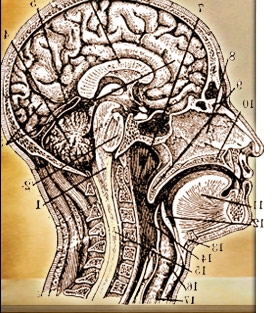
Our brains are divided into three sections: the reptilian brain, the mammalian brain, and the prefrontal cortex.

The reptilian brain is the oldest, most primitive part. In a talk at the Financial Therapy Association’s annual conference in July 2015 in San Jose del Cabo, Mexico, Dr. Ted Klontz explained that the reptilian brain continually scans for threats. It is waiting for death to come walking through the doorway, so it lives in anxiety. Since anything positive is not a threat, it’s oblivious to the positive. It also doesn’t understand the concept of the future, but lives only in this moment.

Left to its own programming, then, of course the reptilian brain might have a problem making monthly contributions to a retirement account. Saving for the future isn’t a concept it even understands. Further, it sees taking money out of the checkbook as a threat because that leaves fewer resources to battle death when it comes through the doorway. Making things even worse, the reptilian brain is nearly impossible to change. The best most of us can do is manage it.

***

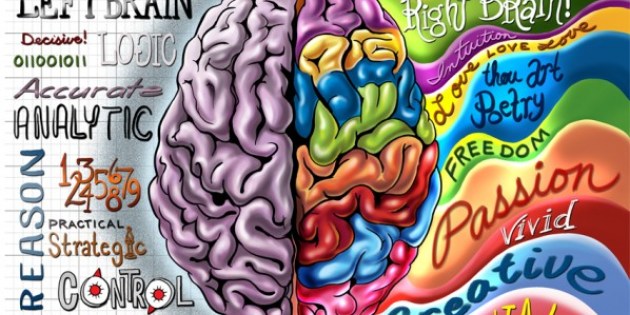
Brain view

***

This brings us to the mammalian brain, whose only job is to manage the anxiety of the reptilian brain. It does so in three ways:

  1. Remove the threat (fight),
  2. Run away from the threat (flight),
  3. Get small and disappear to hide from the threat (freeze).

Most of us favor one of these three responses to threats, and according to Dr. Klontz we select our preferred response by the age of six. When the mammalian brain responds, it processes exponentially faster than the thinking part of our brain, the prefrontal cortex. Because of the ease with which the mammalian brain responds to threats, 90% of all decisions—including financial ones—are made here.

With the mammalian brain managing the anxiety of the reptilian brain, we have a more sophisticated response to our potential retirement plan contribution. Some of us will verbally fight and defeat any messenger (article, employer, financial advisor, spouse) that suggests we drain our current resources to send money into a black hole. Others will simply flee the messenger by diverting our attention to the Monday night football game or any task at hand. A portion of us will just freeze into a glassy-eyed stare. Nobody is home.

That leaves us with our only hope, the understanding and thinking part of the brain, the prefrontal cortex. This part of our brain doesn’t fully come on line until the mid-twenties. It functions as the parent of the other two brains, but unfortunately it processes information very slowly and with great effort.

***

brain

***

More:

Assessment

Fortunately, this is the brain that is easiest to change. By training it to become aware when the lower parts of the brain are about to make a hair-trigger decision, we can stop the ensuing action long enough to add logic as well as emotion to the process.

More:

Reprogramming the brain takes time, practice, and using resources like education, mentors, advisors, and counseling. Eventually, wise financial choices like saving for retirement can become the new default programming, even in spite of the reptilian brain.

Conclusion

Your thoughts and comments on this ME-P are appreciated. Feel free to review our top-left column, and top-right sidebar materials, links, URLs and related websites, too. Then, subscribe to the ME-P. It is fast, free and secure.

Speaker: If you need a moderator or speaker for an upcoming event, Dr. David E. Marcinko; MBA – Publisher-in-Chief of the Medical Executive-Post – is available for seminar or speaking engagements. Contact: MarcinkoAdvisors@msn.com

OUR OTHER PRINT BOOKS AND RELATED INFORMATION SOURCES:

***

Comprehensive Financial Planning Strategies for Doctors and Advisors: Best Practices from Leading Consultants and Certified Medical Planners(TM)

***

How Emotional Intelligence Can Make You a Better Investor

Join Our Mailing List

IQ versus EQ

vitaly

By Vitaliy Katsenelson CFA

Your knee hurts, so you pay a visit to your favorite orthopedist. He smiles, maybe even gives you a hug, and then tells you: “I feel your pain. Really, I do. But I don’t treat left knees, only right ones. I find I am so much better with the right ones. Last time I worked on a left knee, I didn’t do so well.”

Though many professionals — doctors as well as lawyers, architects and engineers — get to choose their specializations, they rarely get to choose the problems they solve. Problems choose them. Investors enjoy the unique luxury of choosing problems that let them maximize the use of not just their IQ but also their EQ — emotional intelligence.

Let’s start with IQ

Our intellectual capacity to analyze problems will vary with the problem in front of us. Just as we breezed through some subjects in college and struggled with others, our ability to understand the current and future dynamics of various companies and industries will fluctuate as well. This is why we buy stocks that fall within our sphere of competence. We tend to stick with ones where our IQ is the highest.

Though we usually think about our capacity to analyze problems as being dependable and stable over time, it isn’t. It might be if we were characters from Star Trek, with complete control over our emotions, like Mr. Spock, or who lacked emotions, like Lieutenant Commander Data. This is where our EQ comes in.

I am not a licensed psychologist, but I have huge experience treating a very difficult patient: me. And what I have found is that emotions have two troublesome effects on me.

First, they distort probabilities; so even if my intellectual capacity to analyze a problem is not impacted, my brain may be solving a distorted problem.

Second, my IQ is not constant, and my ability to process information effectively declines under stress. I either lose the big picture or overlook important details. This dilemma is not unique to me; I’m sure it affects all of us to various degrees.

The higher my EQ with regard to a particular company, the more likely that my IQ will not degrade when things go wrong (or even when they go right). There is a good reason why doctors don’t treat their own children: Their ability to be rational (properly weighing probabilities) may be severely compromised by their emotions.

Example:

A friend of mine who is a terrific investor, and who will remain nameless though his name is George, once told me that he never invests in grocery store stocks because he can’t be rational when he holds them. If we spent some Freudian time with him, we’d probably discover that he had a traumatic childhood event at the grocery store (he may have been caught shoplifting a candy bar when he was eight), or he may have had a bad experience with a grocery stock early in his career. The reason for his problem is irrelevant; what is important is that he has realized that his high IQ will be impaired by his low EQ if he owns grocery stocks.

There is no cure for emotions, but we can dramatically minimize the impact they have on us as investors by adjusting our investment process. First and foremost, investors have the incredible advantage of picking domains where they can remain rational.

For instance, I would not be able to keep a cool head if I owned gold. I can recite the arguments for and against gold (lately, with negative interest rates in certain European countries, the “for” arguments have started to make even more sense). But, intellectually, I cannot reconcile the fact that gold is an asset that generates no cash flows, and thus to me it has no financial center of gravity. I have no idea what it is worth. The very idea of owning gold bothers me, and therefore I know that if I did own it, my EQ would be low. I’d be buying high and selling low.

Now, as a value investor, when I buy a stock and it declines 30 percent, I want to buy more of it (assuming its business has not changed). I wouldn’t trust that I could do this in the gold market.

To be a successful investor, you don’t need Albert Einstein’s IQ (though sometimes I wish I had Spock’s EQ). Warren Buffett undoubtedly has a very high IQ, but even the Oracle of Omaha chooses carefully his battles; for instance, he doesn’t invest in technology stocks.

***

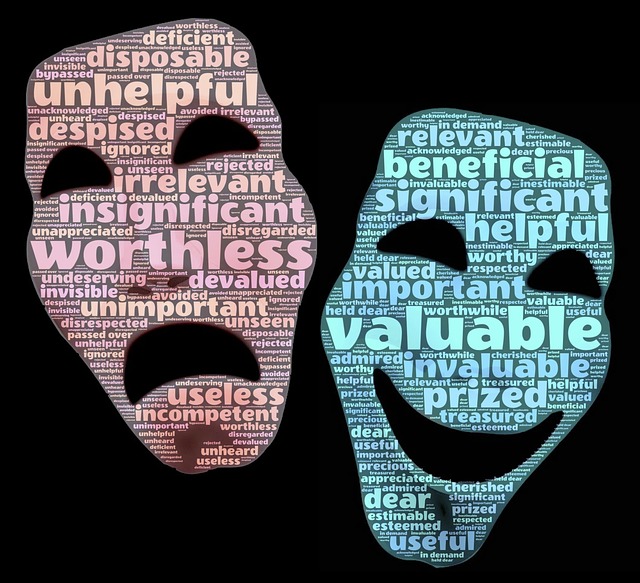
masks

Our Luxury

Investors have the luxury of investing only in stocks for which both their IQ and EQ are maximized, because there are tens of thousands of stocks out there to choose from, and they need just a few dozen.

Assessment

Meanwhile, I hope when I go see the doctor, he will tell me, “I don’t do left knees,” because the best result will come from a doctor who while treating me will utilize both IQ and EQ.

ABOUT

Vitaliy N. Katsenelson, CFA, is Chief Investment Officer at Investment Management Associates in Denver, Colo.

Conclusion

Your thoughts and comments on this ME-P are appreciated. Feel free to review our top-left column, and top-right sidebar materials, links, URLs and related websites, too. Then, subscribe to the ME-P. It is fast, free and secure.

Speaker: If you need a moderator or speaker for an upcoming event, Dr. David E. Marcinko; MBA – Publisher-in-Chief of the Medical Executive-Post – is available for seminar or speaking engagements. Contact: MarcinkoAdvisors@msn.com

OUR OTHER PRINT BOOKS AND RELATED INFORMATION SOURCES:

Comprehensive Financial Planning Strategies for Doctors and Advisors: Best Practices from Leading Consultants and Certified Medical Planners™

Risk Management, Liability Insurance, and Asset Protection Strategies for Doctors and Advisors: Best Practices from Leading Consultants and Certified Medical Planners™

Written by doctors and healthcare professionals, this textbook should be mandatory reading for all medical school students—highly recommended for both young and veteran physicians—and an eliminating factor for any financial advisor who has not read it.

The book uses jargon like ‘innovative,’ ‘transformational,’ and ‘disruptive’—all rightly so!

It is the type of definitive financial lifestyle planning book we often seek, but seldom find.

LeRoy Howard MA CMPTM [Candidate and Financial Advisor, Fayetteville, North Carolina]

http://www.CertifiedMedicalPlanner.org

As With Medical Decisions – Human Emotions Play a Role in Investment Advice

Join Our Mailing List

Appreciating Transferrable Applications in Behavioral Finance

By Sidney A. Blum CFP® CPA/PFS ChFC

By Dr. David E. Marcinko MBA

Whether making medical decisions or financial decisions, both are influenced by emotions. The role of emotions, when making financial decisions, has transferable application in the world of medical decisions.

What Role Should Emotion Play in Financial Advice?

Financial advisors know that one of the most important components of providing financial advice is discussing client goals. Inherently your goals are tied to how you see yourself and in what ways you see your money and net worth as a reflection of yourself. This aspect of your financial life is usually tied to emotions based on perceived positive or negative experiences in your life.

Financial advisors find that they expend considerable time and energy addressing emotions and negative reactions to events in clients’ lives. The goal is to move the focus toward positive steps for reaching client goals. As with other aspects in your life, emotional reactions can distract you from well reasoned actions that benefit in the long run. This is the reason it is beneficial to engage a financial professional to guide you through your financial life circumstances with advice driven by goals rather than emotional negative reactions.

Emotional Intelligence

The use of Emotional Intelligence is a learned skill set. Financial Advisors who are skilled in understanding the four basic emotions that guide them and their clients will find they are more successful in their chosen work!

The Four Basic Emotions

The four emotions are: Glad, Sad, Mad and Scared. These four basic emotions are neither good nor bad – they just “are”!

It is one or more of these emotions that help determine just how “risk adverse” a client will be. It is absolutely necessary for a financial advisor to be aware of the client’s emotional state, whether the client is aware or not. People react emotionally to market downturns. They are probably scared first, but also mad and sad as the market changes. They may get caught up in the market’s emotional swings and lose sight of their own goals and strategy. They think it will always stay that way. Or in an upturn, they believe the market will always stay up. They get caught up in the euphoria of “glad” and again lose sight of their goals and strategy. Many people get caught up in the high market frenzy and end up buying shares that are overpriced; even doctors.

Examples:

Pulling out of the market to protect temporary downside losses in value also means not participating in the upside, which eventually occurs. From the major downturn in the spring of 2009 to the fall of 2009, the market recovered better than 35%. Those who pulled out of the market and stayed out missed out on that portion of their own portfolio’s recovery. Due to reacting emotionally, people buy in up market and sell in a down market – the opposite of what garners them a good return.

Another difficulty is that people lose sight of the fact that a fund investment is in actual companies – some of which survive and some don’t. The nature of the investment market is that there are no guarantees on return of investment. A certain amount of volatility is normal. It is the price you pay for the opportunity of garnering a higher return than with “safe” investments.

And, how safe are “safe” investments? If your “safe” investments are earning 1% while inflation is running at 3% as is the case in 2012, you are losing purchasing power. If the bucket is leaking slowly, it can still end up empty!

So when you feel “glad” about a safe investment, what may be a good feeling may turn out to be a bad investment.

How Advisors Help Clients

How does an advisor help to keep their clients’ focus on the positive steps that can be taken to meet goals instead of reacting solely to current market conditions? How does advisor keep from getting involved in the client’s negative and unproductive emotional reactions?

Financial advisors have seen these situations before, but clients may not be aware that financial markets tend to return to the norm and provide a positive return in the long run. By helping provide a perspective on how the market normally behaves; the focus can be shifted from how the market currently stands, a temporary fluid condition, to the longer range behavior of markets. This provides a sense of stable emotions that allows the client and the advisor to make better financial decisions.

Non-Monetary Goals?

A financial advisor can also help you realize that financial planning is more than investments and that some goals are not solely monetary. It is less stressful and far more productive for people to keep their eyes on their goals, not on the dollar value of their portfolio. In the end, your net worth is not the same as your self‐worth.

Assessment

Because emotions play a significant role in all decisions we make, a major part of an advisor’s job is to help the client keep their focus on the positive steps that can be taken to meet those goals instead of reacting based solely on emotions!

About the Author

Sid graduated from the University of Illinois with a degree in accounting and has been practicing as a CPA since 1975 and financial advisor since 1987. Sid received the CERTIFIED FINANCIAL PLANNER certification in 1987 and in 1988, received the AICPA Certificate of Education Achievement in Personal Financial Planning. In 1989, Sid received the designation of Chartered Financial Consultant (ChFC) and in 1991 the AICPA specialty designation of Personal Financial Specialist (CPA/PFS).

Channel Surfing the ME-P

Have you visited our other topic channels? Established to facilitate idea exchange and link our community together, the value of these topics is dependent upon your input. Please take a minute to visit. And, to prevent that annoying spam, we ask that you register. It is fast, free and secure.

Conclusion

Your thoughts and comments on this ME-P are appreciated. Feel free to review our top-left column, and top-right sidebar materials, links, URLs and related websites, too. Then, subscribe to the ME-P. It is fast, free and secure.

Speaker: If you need a moderator or speaker for an upcoming event, Dr. David E. Marcinko; MBA – Publisher-in-Chief of the Medical Executive-Post – is available for seminar or speaking engagements. Contact: MarcinkoAdvisors@msn.com

OUR OTHER PRINT BOOKS AND RELATED INFORMATION SOURCES:

Product DetailsProduct DetailsProduct Details

  Risk Management, Liability Insurance, and Asset Protection Strategies for Doctors and Advisors: Best Practices from Leading Consultants and Certified Medical Planners™8Comprehensive Financial Planning Strategies for Doctors and Advisors: Best Practices from Leading Consultants and Certified Medical Planners™

Product Details