







 Support our online development, and advance our onground research initiatives in free market economics, as we seek to showcase the brightest Next-Gen minds.
THE ME-P DISCLAIMER: Posts, comments and opinions do not necessarily represent iMBA, Inc., but become our property after submission. Copyright © 2006 to-date. iMBA, Inc allows colleges, universities, medical and financial professionals and related clinics, hospitals and non-profit healthcare organizations to distribute our proprietary essays, photos, videos, audios and other documents; etc. However, please review copyright and usage information for each individual asset before submission to us, and/or placement on your publication or web site. Attestation references, citations and/or back-links are required. All other assets are property of the individual copyright holder.
Support our online development, and advance our onground research initiatives in free market economics, as we seek to showcase the brightest Next-Gen minds.
THE ME-P DISCLAIMER: Posts, comments and opinions do not necessarily represent iMBA, Inc., but become our property after submission. Copyright © 2006 to-date. iMBA, Inc allows colleges, universities, medical and financial professionals and related clinics, hospitals and non-profit healthcare organizations to distribute our proprietary essays, photos, videos, audios and other documents; etc. However, please review copyright and usage information for each individual asset before submission to us, and/or placement on your publication or web site. Attestation references, citations and/or back-links are required. All other assets are property of the individual copyright holder.


By Dr. David Edward Marcinko MBA MEd
***
***
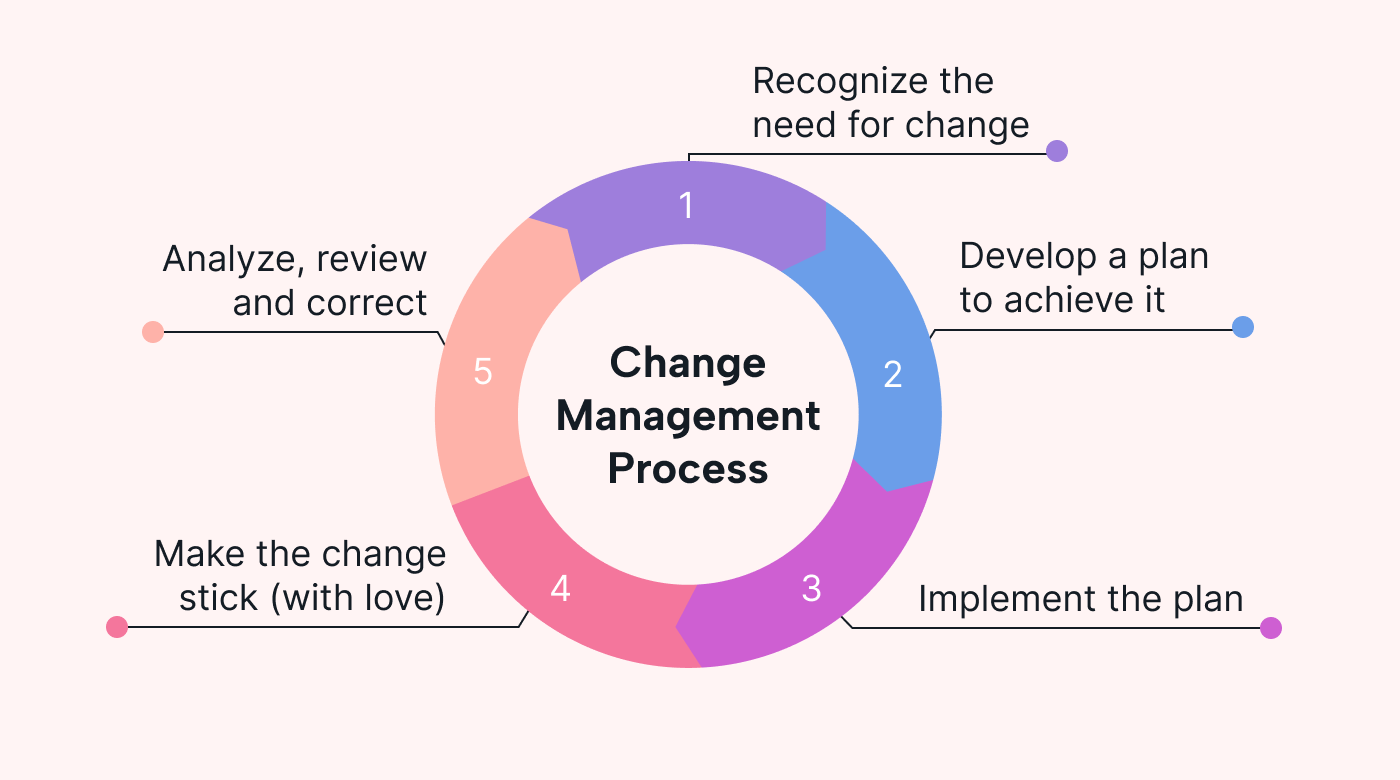
Change is an inevitable force in healthcare, driven by evolving patient needs, technological innovation, regulatory requirements, and the pursuit of improved outcomes. Effective change management—the structured approach to transitioning individuals, teams, and organizations from a current state to a desired future state—is essential in medical practice. Without it, even the most promising reforms risk failure due to resistance, miscommunication, or lack of alignment.
🌐 Drivers of Change in Healthcare
Several factors necessitate change in medical practice:
- Technological Advancements: Electronic health records (EHRs), telemedicine, and artificial intelligence are reshaping how care is delivered.
- Policy and Regulation: Compliance with new laws, such as HIPAA updates or value-based care initiatives, requires adaptation.
- Patient Expectations: Modern patients demand accessible, personalized, and efficient care.
- Workforce Dynamics: Staffing shortages, burnout, and the need for interdisciplinary collaboration push organizations to rethink workflows.
🔑 Principles of Change Management
Successful change management in healthcare rests on a few core principles:
- Clear Vision and Leadership: Leaders must articulate why change is necessary and how it aligns with organizational goals.
- Stakeholder Engagement: Physicians, nurses, administrators, and patients should be involved early to foster buy-in.
- Communication: Transparent, consistent messaging reduces uncertainty and builds trust.
- Training and Support: Staff must be equipped with the skills and resources to adapt to new systems or processes.
- Measurement and Feedback: Continuous evaluation ensures that changes achieve intended outcomes and allows for course correction.
⚙️ Models of Change Management
Healthcare organizations often rely on established frameworks:
- Kotter’s 8-Step Model: Emphasizes urgency, coalition-building, and embedding change into culture.
- Lewin’s Change Theory: Focuses on unfreezing current practices, implementing change, and refreezing new behaviors.
- ADKAR Model: Highlights individual adoption through awareness, desire, knowledge, ability, and reinforcement.
These models provide structured pathways to manage complex transitions, such as implementing new clinical guidelines or adopting digital health platforms.
💡 Challenges in Healthcare Change
Despite best efforts, change in medical practice faces obstacles:
- Resistance from Staff: Clinicians may fear loss of autonomy or increased workload.
- Resource Constraints: Financial limitations can hinder technology adoption or training programs.
- Cultural Barriers: Long-standing traditions in medical practice can slow acceptance of new methods.
- Patient Impact: Poorly managed change may disrupt continuity of care or erode trust.
Addressing these challenges requires empathy, flexibility, and strong leadership.
🌱 The Importance of Adaptability
Healthcare is uniquely sensitive because it directly affects human lives. Effective change management ensures that transitions improve patient safety, enhance efficiency, and support staff well-being. By fostering a culture of adaptability, medical practices can respond to crises—such as pandemics—while continuing to deliver high-quality care.
✅ Conclusion
Change management in healthcare is not merely about implementing new systems; it is about guiding people through transformation. When leaders communicate clearly, engage stakeholders, and provide support, change becomes an opportunity rather than a threat. In a field where innovation and patient-centered care are paramount, mastering change management is essential for sustainable success.
COMMENTS APPRECIATED
SPEAKING: Dr. Marcinko will be speaking and lecturing, signing and opining, teaching and preaching, storming and performing at many locations throughout the USA this year! His tour of witty and serious pontifications may be scheduled on a planned or ad-hoc basis; for public or private meetings and gatherings; formally, informally, or over lunch or dinner. All medical societies, financial advisory firms or Broker-Dealers are encouraged to submit an RFP for speaking engagements: CONTACT: Ann Miller RN MHA at MarcinkoAdvisors@outlook.com
Like, Refer and Subscribe
***
***
Share this:

Filed under: "Ask-an-Advisor", "Doctors Only", Ethics, Management, Marcinko Associates, Touring with Marcinko | Tagged: ADKAR, AI, artificial intelligence, change management, change management healthcare, change management medicine, culture, david marcinko, DDS, DO, Ethics, Kotter, patients, Technology | Leave a comment »






 The Leading Business Education Network for Doctors, Financial Advisors and Health Industry Consultants