CRYPTO-CURRENCY: Crisis Risks

By Staff Reporters and A.I.

SPONSOR: http://www.CertifiedMedialPlanner.org

***

***

The Looming Cryptocurrency Crisis: Risks on the Horizon

Cryptocurrency has revolutionized the financial landscape, offering decentralized alternatives to traditional banking and investment systems. However, as digital assets become more integrated into global markets, concerns about a potential future cryptocurrency crisis are mounting. From regulatory uncertainty to systemic vulnerabilities, the risks associated with crypto are increasingly being scrutinized by economists, governments, and investors.

One of the most pressing concerns is regulatory instability. Cryptocurrencies operate in a fragmented legal environment, with different countries adopting varying stances—from full embrace to outright bans. The lack of unified global regulation creates loopholes that can be exploited for money laundering, tax evasion, and fraud. If major economies suddenly impose strict regulations or sanctions, it could trigger a rapid devaluation of crypto assets and erode investor confidence.

Another risk stems from market volatility and speculative behavior. Unlike traditional assets backed by tangible value or government guarantees, cryptocurrencies are often driven by hype, social media trends, and speculative trading. This creates a fragile ecosystem where prices can swing wildly. A sudden crash—similar to the 2022 Terra/Luna collapse—could wipe out billions in investor wealth and destabilize related financial institutions.

***

***

Technological vulnerabilities also pose a threat. While blockchain is considered secure, the platforms built on it are not immune to hacks, bugs, or exploitation. High-profile breaches of exchanges and wallets have already resulted in massive losses. As crypto adoption grows, so does the incentive for cybercriminals to target these systems. A coordinated attack on a major exchange or blockchain network could have cascading effects across the entire crypto economy. Geopolitical tensions may also catalyze a crisis. For instance, recent reports suggest that aggressive trade policies—such as the U.S. imposing 100% tariffs on Chinese imports—can indirectly impact crypto markets by shaking investor sentiment and triggering sell-offs.

The interconnection with traditional finance is another area of concern. As banks and hedge funds increasingly invest in crypto, the line between decentralized finance and conventional markets blurs. This integration means that a crypto collapse could spill over into broader financial systems, potentially triggering a global crisis. The 2023 banking collapses, which were partially linked to crypto exposure, serve as a warning of how intertwined these systems have become.

Geopolitical tensions may also catalyze a crisis. For instance, recent reports suggest that aggressive trade policies—such as the U.S. imposing 100% tariffs on Chinese imports—can indirectly impact crypto markets by shaking investor sentiment and triggering sell-offs. In such scenarios, cryptocurrencies may not serve as the safe haven they were once believed to be.

Lastly, overreliance on stablecoins and algorithmic assets introduces systemic risk. Many investors use stablecoins to hedge volatility, but these assets are only as stable as their underlying reserves and governance. If a major stablecoin fails, it could lead to a liquidity crunch and panic across exchanges and DeFi platforms.

In conclusion, while cryptocurrency offers transformative potential, it also carries significant risks that could culminate in a future crisis. To mitigate these dangers, stakeholders must push for clearer regulations, stronger technological safeguards, and more transparent financial practices. Without proactive measures, the next financial meltdown may not come from Wall Street—but from the blockchain.

NOTE: A crypto mogul has been found dead inside his luxury car in Ukraine after the digital currency market nosedived. Konstantin Galich, 32, also known as Kostya Kudo, has died after one of the worst turmoils shook the cryptocurrency market. The entrepreneur, who became a well-known figure in the crypto industry, was reportedly found with a gunshot wound to his head in his black Lamborghini parked up in Kyiv’s Obolonskyi neighbourhood. His death was later confirmed on his Telegram channel in a post saying ‘Konstantin Kudo tragically passed away. The causes are being investigated. We will keep you posted on any further news.’

COMMENTS APPRECIATED

EDUCATION: Books

Like, Refer and Subscribe

***

***

BITCOIN: “Halving”

BITCOIN MINER HALVING

By Staff Reporters

***

***

DEFINITION: After the network mines 210,000 blocks—roughly every four years—the block chain reward given to Bitcoin miners for processing transactions is cut in half. This event is called halving because it cuts the rate at which new bitcoins are released into circulation in half. This rewards system will continue until about 2140, when the proposed limit of 21 million coins is reached. At that point, miners will be rewarded with fees for processing transactions, which network users will pay. These fees ensure miners are still incentivized to participate and keep the network going.

CITE: https://www.r2library.com/Resource

***

And, so, the total value of the world’s most popular cryptocurrency surpassed $1 trillion yesterday for the first time since 2021. The overall crypto market, meanwhile, broke $2 trillion in market cap, fueled by investor confidence. If crypto were a publicly traded company, it would be the fourth-largest in the world behind Microsoft, Apple, and Saudi Aramco.

***

***

HALVING – The quadrennial event, expected to take place today or tomorrow, was built into bitcoin’s original code to cut the amount of new coins going into circulation in half every four years. The purpose is to thwart inflation and increase the currency’s value. Bitcoin’s mysterious creator, Satoshi Nakamoto, designed the crypto so that only 21 million bitcoins would ever exist. It will take about a century to hit that number, but as it approaches the cutoff, the crypto hose slowly constricts. No one’s sure what happens next

Historically, halvings have coincided with big jumps in price—the coin’s first halving in 2012 saw the price jump from $12.35 to $127 within five months, according to Time. But critics argue that the narrative around halving is much stronger than the actual event. Even bitcoin experts aren’t sure what will happen with the volatile asset. It already hit a record high of over $73,750 in March, thanks to the spot bitcoin ETF approval. And, lest we forget, the whole FTX thing happened since the last halving.

COMMENTS APPRECIATED

Thank You

***

***

TRANSACTIONAL STOCK ANALYSIS: What Is It?

Versus Technical Analysis

By Staff Reporters

***

***

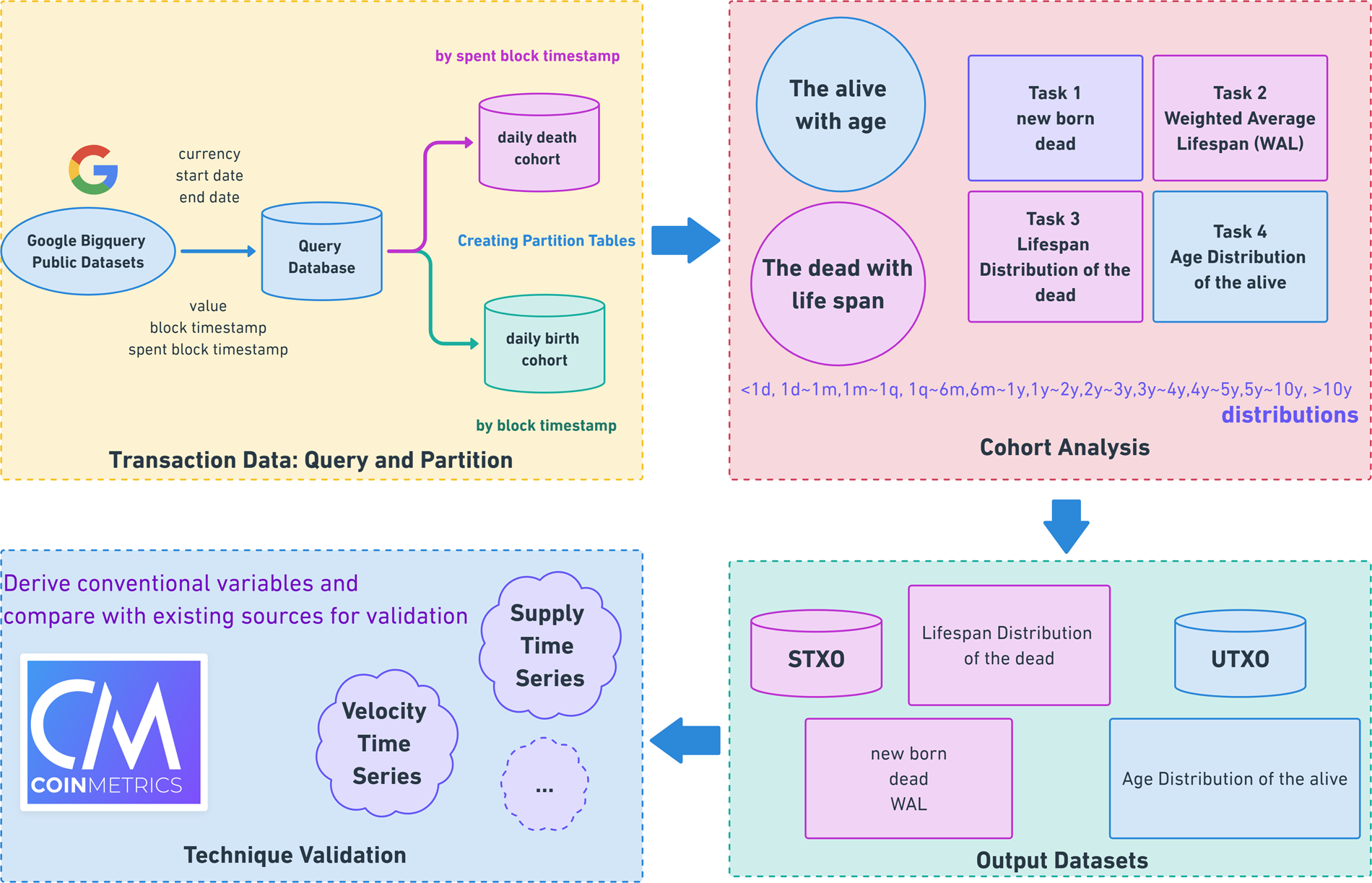
In traditional finance transaction data is guarded by exchanges, brokers, banks and regulators. It’s not accessible to everyone and big players pay a fortune for it.

But, in crypto, Transaction Data is public and on-chain – but it’s not usable by everyone. So, manually making sense of raw blockchain data is practically impossible. The data needs to be processed and analyzed to be made useful. That’s what sophisticated blockchain analytics tools are doing.

The combination of on-chain data and transaction analysis is something that hasn’t been before – in crypto or traditional finance. Getting access to transaction data and tools for searching and analyzing it will unlock a goldmine of potential insight.

People who have been on the inside of projects and see how the sausage is made know that the explanations for price movements are often simple and based on key players buying and selling. When the biggest holders are dumping the price is likely to go down. When a major new buyer takes a position prices are likely to go up.

That’s insight traditional Technical Analysis cannot provide, because it’s limited to looking at price movements. Transaction data, instead, is the underlying activity that generates prices in crypto.

CITE: https://www.r2library.com/Resource/Title/0826102549

Technical Analysis: https://medicalexecutivepost.com/2022/06/23/the-technicians/

Related: https://medicalexecutivepost.com/2022/09/25/what-is-sentimental-stock-market-analysis/

***

ORDER: https://www.amazon.com/Dictionary-Health-Information-Technology-Security/dp/0826149952/ref=sr_1_5?ie=UTF8&s=books&qid=1254413315&sr=1-5

ORDER MORE: : https://www.amazon.com/Financial-Management-Strategies-Healthcare-Organizations/dp/1466558733/ref=sr_1_3?ie=UTF8&qid=1380743521&sr=8-3&keywords=david+marcinko

***

COMMENTS APPRECIATED

Thank You

****

Financial-Tech [Entrepreneurial Start-Ups] Falling

By Staff Reporters

***

***

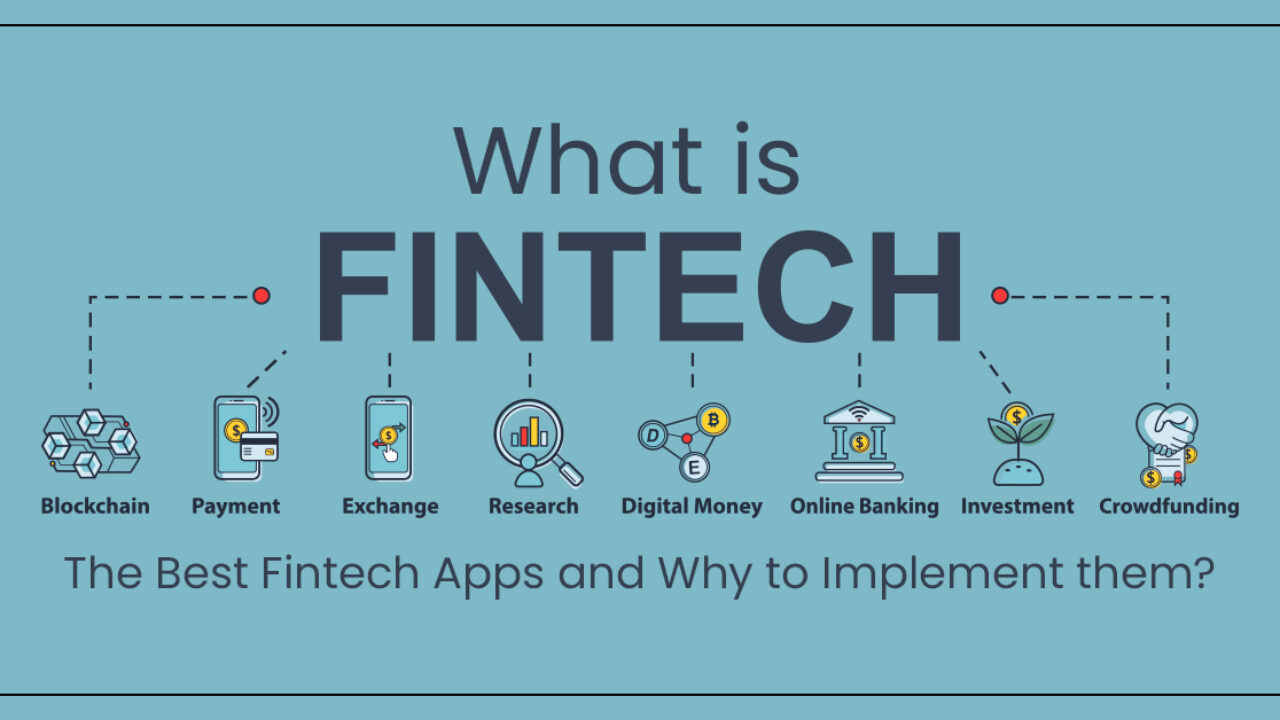
DEFINITION: Financial technology (abbreviated fintech or FinTech) is the technology and innovation that aims to compete with traditional financial methods in the delivery of financial services. Artificial intelligence, Blockchain, Cloud computing, and big Data are regarded as the “ABCD” (four key areas) of FinTech. The Fintech industry is an emerging industry that uses technology to improve activities in finance. The use of smartphones for mobile banking, investing, borrowing services, and cryptocurrency are examples of technologies aiming to make financial services more accessible to the general public.

***

Financial technology companies consist of both startups and established financial institutions and technology companies trying to replace or enhance the usage of financial services provided by existing financial companies.

CITE: https://www.r2library.com/Resource/Title/082610254

A subset of fintech companies that focus on the insurance industry are collectively known as insurtech or insuretech

READ: https://tinyurl.com/yrx2kxy4

***

INVESTING: https://www.amazon.com/Comprehensive-Financial-Planning-Strategies-Advisors/dp/1482240289/ref=sr_1_1?ie=UTF8&qid=1418580820&sr=8-1&keywords=david+marcinko

***

COMMENTS APPRECIATED

Thank You

***

TRANSACTIONAL STOCK ANALYSIS: What it is?

Versus Technical Analysis

By Staff Reporters

***

***

In traditional finance transaction data is guarded by exchanges, brokers, banks and regulators. It’s not accessible to everyone and big players pay a fortune for it.

But, in crypto, Transaction Data is public and on-chain – but it’s not usable by everyone. So, manually making sense of raw blockchain data is practically impossible. The data needs to be processed and analyzed to be made useful. That’s what sophisticated blockchain analytics tools are doing.

The combination of on-chain data and transaction analysis is something that hasn’t been before – in crypto or traditional finance. Getting access to transaction data and tools for searching and analyzing it will unlock a goldmine of potential insight.

People who have been on the inside of projects and see how the sausage is made know that the explanations for price movements are often simple and based on key players buying and selling. When the biggest holders are dumping the price is likely to go down. When a major new buyer takes a position prices are likely to go up.

That’s insight traditional Technical Analysis cannot provide, because it’s limited to looking at price movements. Transaction data, instead, is the underlying activity that generates prices in crypto.

CITE: https://www.r2library.com/Resource/Title/0826102549

Technical Analysis: https://medicalexecutivepost.com/2022/06/23/the-technicians/

Related: https://medicalexecutivepost.com/2022/09/25/what-is-sentimental-stock-market-analysis/

***

ORDER: https://www.amazon.com/Dictionary-Health-Information-Technology-Security/dp/0826149952/ref=sr_1_5?ie=UTF8&s=books&qid=1254413315&sr=1-5

ORDER MORE: : https://www.amazon.com/Financial-Management-Strategies-Healthcare-Organizations/dp/1466558733/ref=sr_1_3?ie=UTF8&qid=1380743521&sr=8-3&keywords=david+marcinko

***

COMMENTS APPRECIATED

Thank You

****

PODCAST: A Block Chain Video

What it is – How it works

***

***

PODCAST: http://www.realitysharesadvisors.com/indexes/blockchain-index/

Conclusion

Your thoughts and comments on this ME-P are appreciated. Feel free to review our top-left column, and top-right sidebar materials, links, urls and related websites, too. Then, subscribe to the ME-P. It is fast, free and secure.

Speaker: If you need a moderator or speaker for an upcoming event, Dr. David E. Marcinko; MBA – Publisher-in-Chief of the Medical Executive-Post – is available for seminar or speaking engagements.

Book Marcinko: https://medicalexecutivepost.com/dr-david-marcinkos-bookings/

Subscribe: MEDICAL EXECUTIVE POST for curated news, essays, opinions and analysis from the public health, economics, finance, marketing, I.T, business and policy management ecosystem.

***

What is a DAO [not DOA] in Health Care?

Decentralized Autonomous Organizations in Health Care?

By Staff Reporters

****

DEFINITION: A decentralized autonomous organization (DAO), sometimes called a decentralized autonomous corporation (DAC), is an organization represented by rules encoded as a computer program that is transparent, controlled by the organization members and not influenced by a central government. A DAO’s financial transaction record and program rules are maintained on a blockchain.

CITE: https://www.r2library.com/Resource/Title/082610254

****

Overview of Decentralized Autonomous Organization (DAO) | by IOSG | IOSG  Ventures | Medium

BLOCKCHAIN HEALTH: https://medicalexecutivepost.com/2018/11/02/on-blockchain-in-healthcare/

The precise legal status of this type of business organization is unclear. But, in healthcare, today?

DAOs in HEALTH CARE: https://thehealthcareblog.com/blog/2022/01/19/daos-may-rescue-healthcare/?utm_campaign=THCB%20Reader&utm_medium=email&utm_source=Revue%20newsletter

***
COMMENTS APPRECIATED

Thank You

Subscribe to the Medical Executive-Post

***

***

***