
Doctors Facing a Bleak Future Business and Financial Planning Model
By Dr. David Edward Marcinko; MBA, CMP™
[Publisher-in-Chief]
According to Physicians News, on March 19, 2009, the demand for family physicians is growing. Proposals for health system reform focus on increasing the number of primary care physicians in America. Yet, despite these trends, the number of future physicians who chose family medicine dipped this year, according to the 2009 National Resident Matching Program. What gives?
NRMP
The National Resident Matching Program [NRMP] recently announced that a total of 2,329 graduating medical students matched to family medicine training programs. This is a decrease in total student matches from 2008, when 2,404 family medicine residency positions were filled.
Primary Care Demand Explodes
Meanwhile, demand for primary care physicians continues to skyrocket. For example, in its most recent recruitment survey, Merritt Hawkins, a national physician recruiting company, reported primary care physician search assignments had more than doubled from 341 in 2003 to 848 last year.
The Decline of Solo Medical Practitioners
Regular readers and subscribers to this Medical Executive- Post are aware of the declining number of solo medical practitioners; we have been sounding the alarm here, in our books, journal, speaking engagements and elsewhere for years now.
In fact, the statistic that we often cite is that more than 40% of the nation’s physicians are employed doctors; not employers as in the past. This business model shift has occurred over the past decade or so, and has accelerated of late. The decline in solo and independent doctors has occurred elsewhere as well, but much more slowly [i.e., dentistry, podiatry and osteopathy] as these specialties have been somewhat isolated from the traditional allopathic mainstream.
Going forward, this solitary model seems to be a good thing, and a fortunate result of the un-intended consequence of previously keeping these folks out of the healthcare mainstream.
The Decline of Independent Medical Practitioners
Now, in the March 2009 issue of Healthcare Finance News, we learn that the number of hospital owned physician practices has been climbing over the last four years, according to the Medical Group Management Association [MGMA]. Think: PHOs back-in-the-day. 
And, while this trend only marginally affects patients and patient care, it is quite disruptive to physicians, their families, personal wealth accumulation, retirement and estate planning endeavors.
For example, according to Professor Hope Rachel Hetico, RN, MHA, CMP™ of our firm www.MedicalBusinessAdvisors.com
“The professional good-will valuation component of a medical practice is being decimated. Today, some practices are being bought and sold for tangible asset value, only.
Assessment
Therefore, allow me to identify this emerging trend which suggests independent medical practice as reflective of solo primary medical care. In other words, as independence goes the way of the “dodo-bird”, so goes primary care practitioners precisely at a time when the later is needed more than the former.
Why? Employed doctors stay that way by making money for their employer and hospital-bosses. Specialists make more money than primary care doctors. So, if you want to stay an employed doctor; which specialty would you pursue?
Answer: The NRMP class this year spoke out loud and clear. Any specialty but primary care!
Channel Surfing the ME-P
Have you visited our other topic channels? Established to facilitate idea exchange and link our community together, the value of these topics is dependent upon your input. Please take a minute to visit. And, to prevent that annoying spam, we ask that you register. It is fast, free and secure.
Conclusion
Your thoughts and comments on this ME-P are appreciated. Feel free to review our top-left column, and top-right sidebar materials, links, URLs and related websites, too. Then, subscribe to the ME-P. It is fast, free and secure.
Speaker: If you need a moderator or speaker for an upcoming event, Dr. David E. Marcinko; MBA – Publisher-in-Chief of the Medical Executive-Post – is available for seminar or speaking engagements. Contact: MarcinkoAdvisors@msn.com
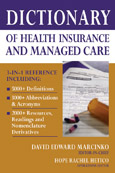
OUR OTHER PRINT BOOKS AND RELATED INFORMATION SOURCES:



Filed under: "Doctors Only", Career Development, Estate Planning, Financial Planning, iMBA, Inc., Managed Care, Op-Editorials, Practice Management, Practice Worth, Retirement and Benefits | Tagged: ADA, allopath, AMA, APMA, david marcinko, DDS, dentist, DO, doctor, DPM, family practitioner, hope hetico, iMBA, Inc., internist, MD, National Resident Matching Program, OD, optometrist, osteopath, pho, physician, podiatrist, primary care, residency match, www.healthcarefinancials.com, www.healthdictionaryseries.com, www.medicalbusinessadvisors.com | 15 Comments »





 Support our online development, and advance our onground research initiatives in free market economics, as we seek to showcase the brightest Next-Gen minds.
THE ME-P DISCLAIMER: Posts, comments and opinions do not necessarily represent iMBA, Inc., but become our property after submission. Copyright © 2006 to-date. iMBA, Inc allows colleges, universities, medical and financial professionals and related clinics, hospitals and non-profit healthcare organizations to distribute our proprietary essays, photos, videos, audios and other documents; etc. However, please review copyright and usage information for each individual asset before submission to us, and/or placement on your publication or web site. Attestation references, citations and/or back-links are required. All other assets are property of the individual copyright holder.
Support our online development, and advance our onground research initiatives in free market economics, as we seek to showcase the brightest Next-Gen minds.
THE ME-P DISCLAIMER: Posts, comments and opinions do not necessarily represent iMBA, Inc., but become our property after submission. Copyright © 2006 to-date. iMBA, Inc allows colleges, universities, medical and financial professionals and related clinics, hospitals and non-profit healthcare organizations to distribute our proprietary essays, photos, videos, audios and other documents; etc. However, please review copyright and usage information for each individual asset before submission to us, and/or placement on your publication or web site. Attestation references, citations and/or back-links are required. All other assets are property of the individual copyright holder.






 The Leading Business Education Network for Doctors, Financial Advisors and Health Industry Consultants