The Cost of Business Embezzlement

Nothing Typical

By Rick Kahler CFP

As a fan of our local ECHL hockey team, the Rapid City Rush, I was sorry to learn recently that the team’s new owners had uncovered evidence of some $500,000 worth of embezzlement over the past several years.

Other embezzlement arrests or convictions in our area in 2019 have included a priest, an accountant for a nonprofit, a former chief of a volunteer fire department, and a former secretary of a tribal office. Amounts stolen ranged from $9,100 to $250,000.

Few things strike more fear and disbelief into the heart of an employer than learning a trusted employee has embezzled thousands of dollars. Employers that have gone through this tell me their feelings range from disbelief, violation, anger both at the employee and at themselves, sadness, and fear over the loss of capital and ensuing financial problems the embezzlement often causes.

The study

According to the 2018 Hiscox Embezzlement Study, most instances of embezzlement are serious, long-term crimes. The average case lasted over two years, and the average loss was $357,650. The vast majority of cases involved more than one person. Nearly a third of employee theft cases persisted for more than five years. The average loss for cases that continued for five years or more was $2.2 million and for cases lasting 10 years or more was $5.4 million.

The study found that there is no “typical” embezzler. However, it did find that the median age of embezzlers is 48, slightly more women than men commit this type of crime, and embezzlers’ most common job functions are finance and accounting.

Embezzlers may target organizations of all sizes and types. Four of the five local cases I cited were non-profits. Large organizations experience fewer instances of embezzlement than small and mid-sized organizations. According to the study, financial services continues to account for the highest number of cases of employee theft of any industry examined.

Many business owners, executive directors, and board members blame themselves for allowing theft to happen under their watch, but in all fairness the warning signs are often subtle.

Hiscox has identified five common characteristics to watch for:

 Intelligence and curiosity: Embezzlers are often eager to know how everything in the office works. Once they learn the processes, they manipulate them for their own gain.

• Extravagance: Watch for employees who are living a lifestyle that is out of proportion to their salary.

 Egotistical risk-taking. Embezzlers often break rules, from traffic laws to company policies to social norms, both at work and in their personal lives.

 Diligence and ambition. Embezzlers may work long hours or refuse to take time off—not out of dedication to the job but in an attempt to avoid being caught.

• Disgruntlement. Employees who feel they are being treated unfairly may be tempted to get even by stealing.

In my experience, most people are honest and trustworthy. But there are some whose past trauma contributes to a pattern of poor financial decisions and behaviors. Embezzlement, which to some degree can be a crime of opportunity, might even seem to be a way to avoid the consequences of previous poor money choices.

The study noted that more than half of the organizations recovered less than a third of what was taken. It also pointed out that embezzlement costs companies far more than money. Business partners may be lost. The damage to an organization’s reputation results in lost customers or donors and difficulty attracting new ones. It can take years to recover. Yet three-quarters of respondents said their current employers did not have insurance to cover embezzlement losses.

Assessment: Embezzlement is a serious crime with serious consequences.

Conclusion

Your thoughts and comments on this ME-P are appreciated. Feel free to review our top-left column, and top-right sidebar materials, links, URLs and related websites, too. Then, subscribe to the ME-P. It is fast, free and secure.

Link: http://feeds.feedburner.com/HealthcareFinancialsthePostForcxos

Speaker: If you need a moderator or speaker for an upcoming event, Dr. David E. Marcinko; MBA – Publisher-in-Chief of the Medical Executive-Post – is available for seminar or speaking engagements. Contact: MarcinkoAdvisors@msn.com

Risk Management, Liability Insurance, and Asset Protection Strategies for Doctors and Advisors: Best Practices from Leading Consultants and Certified Medical Planners™8Comprehensive Financial Planning Strategies for Doctors and Advisors: Best Practices from Leading Consultants and Certified Medical Planners™

***

The “Lucifer Effect”

Understanding How Good People Turn Evil

[By staff reporters]

This is a 2007 book which includes Professor Philip Zimbardo’s first detailed, written account of the events surrounding the 1971 Stanford Prison Experiment — a prison simulation study which had to be discontinued after only six days due to several distressing outcomes and mental breaks of the participants.

The book includes over 30 years of subsequent research into the psychological and social factors which result in immoral acts being committed by otherwise moral people.

It also examines the prisoner abuse at Abu Ghraib in 2003, which has similarities to the Stanford experiment. The title takes its name from the biblical story of the favored angel of God, Lucifer, his fall from grace, and his assumption of the role of Satan, the embodiment of evil. The book was briefly on The New York Times Non-Fiction Best Seller and won the American Psychological Association’s 2008 William James Book Award.

Conclusion

Your thoughts and comments on this ME-P are appreciated. Feel free to review our top-left column, and top-right sidebar materials, links, URLs and related websites, too. Then, subscribe to the ME-P. It is fast, free and secure.

Link: http://feeds.feedburner.com/HealthcareFinancialsthePostForcxos

Speaker: If you need a moderator or speaker for an upcoming event, Dr. David E. Marcinko; MBA – Publisher-in-Chief of the Medical Executive-Post – is available for seminar or speaking engagements. Contact: MarcinkoAdvisors@msn.com

Risk Management, Liability Insurance, and Asset Protection Strategies for Doctors and Advisors: Best Practices from Leading Consultants and Certified Medical Planners™8Comprehensive Financial Planning Strategies for Doctors and Advisors: Best Practices from Leading Consultants and Certified Medical Planners™

***

Bank Safety Deposit Boxes; Not So Safe After All?

 Not Really a Safe – SAFE?

By Rick Kahler CFP®

I have routinely recommended that people use a bank safe deposit box to store valuable papers and small assets. These include documents like wills, trust documents, ethical wills, and unrecorded deeds. Valuable assets would include diamonds, gemstones, jewelry, bullion, and small collectables like rare coins, stamps, and trading cards.

The physical protection of a bank vault, plus a system of access requiring two keys kept by the customer and the bank, would seem to provide a great deal of security. Yet several recent news articles suggest safe deposit boxes may not be as safe as they seem.

Report

An article in the New York Times reported 44 robberies in the last five years related to safe deposit boxes. Even worse were numerous bank errors in which boxes were moved, misplaced, drilled open, or closed by mistake. A large Maryland bank closed several branches and lost hundreds of safe deposit boxes. One customer lost $500,000 worth of gold and gems.

In each case, banks vigorously fought any requirement to make their customers whole. Even more shocking, no provision of federal banking law regulates safe deposit boxes.

Nor do banks insure the belongings of customers who trustingly store their most precious valuables in safe deposit boxes. The  risks fall on the renter. Wells Fargo’s safe deposit box contract caps the bank’s liability at $500. Citigroup limits it to 500 times the box’s annual rent. JPMorgan Chase has a $25,000 ceiling on its liability.

 ***

***

My Story

Decades ago, I placed some rare coins in a safe deposit box with a local bank. A few years ago I went to retrieve my valuables, only to find the bank had drilled open the box and sent the contents to the state as abandoned property. I learned that when I relocated my office, the change of address notification failed to carry through to the annual billing notice for the safe deposit box fee. After three years of non-payment, the bank chose to go through the effort of drilling open the box and shipping the contents to the State Treasurer’s office. It would have been simpler to spend a few minutes looking up my information and contacting me.

Eventually I was able to retrieve the contents of the box. I was lucky.

An international expert in rare watches stored 92 watches plus rare coins, worth millions, in a safe deposit box at a Wells Fargo bank branch. Wells Fargo had evicted another customer for non-payment and drilled open the wrong safe deposit box. The customer found his “safe” deposit box empty. Wells Fargo executives could only find 85 of his watches.

The customer sued. Wells Fargo admitted in court that its employees had mistakenly drilled into and terminated the box. The unrecovered items included gold coins and a watch estimated to be worth nearly a million dollars. After years of litigation and appeals, Wells Fargo has offered no restitution.

If a “safe” deposit box isn’t really safe, what can you do instead?

Here are a few suggestions.

1. Consider investing in a high-quality home safe for small valuables and important documents.

2. Scan all important documents and save copies in a secure online “vault.” Many financial planners provide such online backup storage.

3. If you do use a safe deposit box, choose one at the bank you use regularly and open it at least once a year.

4. No matter where you keep your valuables, insure them adequately. Standard homeowner coverage is probably not enough.

5. Share passwords and access codes with another trusted person.

Finally, ask before you store. Understand a bank’s policies and coverage limits before you trust it with your valuables.

Conclusion

Your thoughts and comments on this ME-P are appreciated. Feel free to review our top-left column, and top-right sidebar materials, links, URLs and related websites, too. Then, subscribe to the ME-P. It is fast, free and secure.

Link: http://feeds.feedburner.com/HealthcareFinancialsthePostForcxos

Speaker: If you need a moderator or speaker for an upcoming event, Dr. David E. Marcinko; MBA – Publisher-in-Chief of the Medical Executive-Post – is available for seminar or speaking engagements. Contact: MarcinkoAdvisors@msn.com

***

Risk Management, Liability Insurance, and Asset Protection Strategies for Doctors and Advisors: Best Practices from Leading Consultants and Certified Medical Planners™8Comprehensive Financial Planning Strategies for Doctors and Advisors: Best Practices from Leading Consultants and Certified Medical Planners™

***

OLDER DIVORCING MEDICAL PROFESSIONALS

“GREY” – “Silver Splitter” – “Diamond Divorcees”

By Anju D. Jessani MBA APM®

By Dr. David Edward Marcinko MBA CMP™

While marriages are more apt to break-up around the seven-year mark, not on a silver anniversary, as divorce has become more common, divorce among older people has also become more common. When divorce does occur in later years, it can present more complicated financial issues when compared with earlier breakups, says Gregg Parish with the College for Financial Planning.

If for example a party dies or becomes incapacitated during the divorce, the surviving spouse will complete retain control of the finances. A common situation Parish says is when a couple owns a home in joint tenancy with rights of survival. Thus, is one spouse dies, the other automatically inherits the house. Parish recommends that older couples in the throws of separation situation, change the ownership to tenants in common, in which each party is considered to own half the property.

Another area older physicians going through a divorce should be especially cautious about is inheritances or gifts from their own parents. They may want to stop or delay distribution of their estate to you to reduce the chance the property would become mixed into marital property. Or the recipient might put any gifts or inheritances into a separate account or trust.

Alimony is more prevalent among this age group of divorced couples. It is not uncommon to find a woman who may not have employable skills, and who must rely on her former spouse for support.   As is the case for child support payments in younger parties, steps should be taken to ensure continuation of funds to the recipient if the obligated party dies before the recipients through instruments such as life insurance.

For most older divorcing couples, after their house and their pension, their next most valuable asset is their Social Security rights. Each party vests in the other’s Social Security account after ten years of marriage. That means that even a non-working spouse can usually collect 50% of benefits of the earning spouse; alternatively, the spouse with lower earnings can either collect benefits based on their own earnings, or collect 50% of the benefits their spouse is entitled to. This collection does not impact how much the higher earning spouse can collect. You can learn more about Social Security benefits and rules by contacting the http://www.ssa.gov.

What is often missed in the analysis of divorce is the inequity in Social Security benefits for the non-working spouse or lower earning spouse after separation or divorce. The issue of Social Security benefits can easily be addressed in the divorce agreement by stipulating that the parties will equalize Social Security benefits with the higher earning spouse providing to the lower earning spouse, one-half the difference between the payments provided by the Social Security Administration to each of them. As Social Security benefits are taxable, it is further recommended that these payments be regarded as alimony, and therefore will be taxable to the recipient.

***

***

Another divorce area often overlooked, given today’s older physician population, is elder care obligations. For example, if a doctor is involved in the care and financial assistance of an older family member, this must be placed on the table at the divorce resolution planning discussions. America is aging and 25% of it population is sixty or older. Every seven seconds someone turns fifty. It is not unusual to live many miles from aging parents.

Imagine the impact if an in-law is in a long-term care facility that is dependent upon the financial help of the children who now get divorced? What happens to the elder persons’ ability to meet their financial obligations and stay in the current facility? How can quality care be coordinated? Who will monitor the ongoing health, mental and physical issues? When does the aging parent need in-home care? Assisted living arrangements or a skilled nursing facility? Yet, the generation of medical professionals between the ages of forty and sixty are dealing with aging parents at a same time their children are entering college. This double financial squeeze has created a new set of eldercare issues.

Most cities and local government agencies are addressing this issue and many non-profit organizations are attempting to fill the gap in this growing societal issue. The following information resources are helpful in this regard: http://www.eldercaredierctory.org, http://www.medicare.gov; http://www.medicaid.gov; http://www.careguide.com; http://www.seniorhousing.net; http://www.caregiver911.com; and http://www.n4a.org.

ACKNOWLEDGEMENTS: To John R. Connell MBA JD CPA PFS Denver, Colorado.

Conclusion

Your thoughts and comments on this ME-P are appreciated. Feel free to review our top-left column, and top-right sidebar materials, links, URLs and related websites, too. Then, subscribe to the ME-P. It is fast, free and secure.

Link: http://feeds.feedburner.com/HealthcareFinancialsthePostForcxos

Speaker: If you need a moderator or speaker for an upcoming event, Dr. David E. Marcinko; MBA – Publisher-in-Chief of the Medical Executive-Post – is available for seminar or speaking engagements. Contact: MarcinkoAdvisors@msn.com

***

Risk Management, Liability Insurance, and Asset Protection Strategies for Doctors and Advisors: Best Practices from Leading Consultants and Certified Medical Planners™8Comprehensive Financial Planning Strategies for Doctors and Advisors: Best Practices from Leading Consultants and Certified Medical Planners™

***

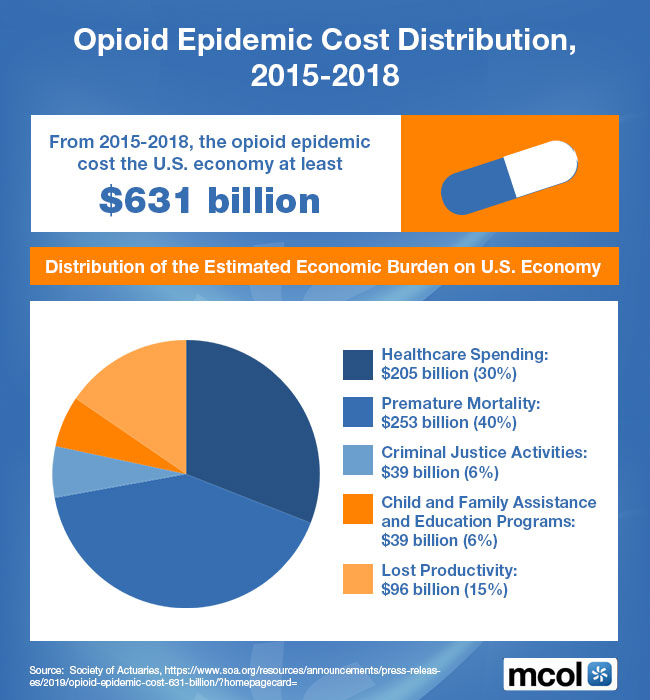
The Opioid Epidemic Cost Distribution?

FY: 2015 – 2018

By http://www.MCOL.com

***

***

***

Conclusion

Your thoughts and comments on this ME-P are appreciated. Feel free to review our top-left column, and top-right sidebar materials, links, URLs and related websites, too. Then, subscribe to the ME-P. It is fast, free and secure.

Link: http://feeds.feedburner.com/HealthcareFinancialsthePostForcxos

Speaker: If you need a moderator or speaker for an upcoming event, Dr. David E. Marcinko; MBA – Publisher-in-Chief of the Medical Executive-Post – is available for seminar or speaking engagements. Contact: MarcinkoAdvisors@msn.com

***

Product DetailsProduct Details

NARCAN in BALTIMORE?

NALOXONE SPRAY!

By Anonymous DEA Agent

Naloxone, sold under the brandname Narcan among others, is a medication used to block the effects of opioids, especially decreased breathing in overdose. Naloxone may be combined with an opioid (in the same pill) to decrease the risk of opioid misuse. When given intravenously, naloxone works within two minutes, and when injected into a muscle, it works within five minutes; it may also be sprayed into the nose. The effects of naloxone last about half an hour to an hour. Multiple doses may be required, as the duration of action of most opioids is greater than that of naloxone.

***

Conclusion

Your thoughts and comments on this ME-P are appreciated. Feel free to review our top-left column, and top-right sidebar materials, links, URLs and related websites, too. Then, subscribe to the ME-P. It is fast, free and secure.

Link: http://feeds.feedburner.com/HealthcareFinancialsthePostForcxos

Speaker: If you need a moderator or speaker for an upcoming event, Dr. David E. Marcinko; MBA – Publisher-in-Chief of the Medical Executive-Post – is available for seminar or speaking engagements. Contact: MarcinkoAdvisors@msn.com

***

Product DetailsProduct Details

***

A BLACK MARKET PODCAST VIEW OF THE OPIOID CRISIS

A BLACK MARKET PODCAST VIEW OF THE OPIOID CRISIS

Courtesy: www.CertifiedMedicalPlanner,org

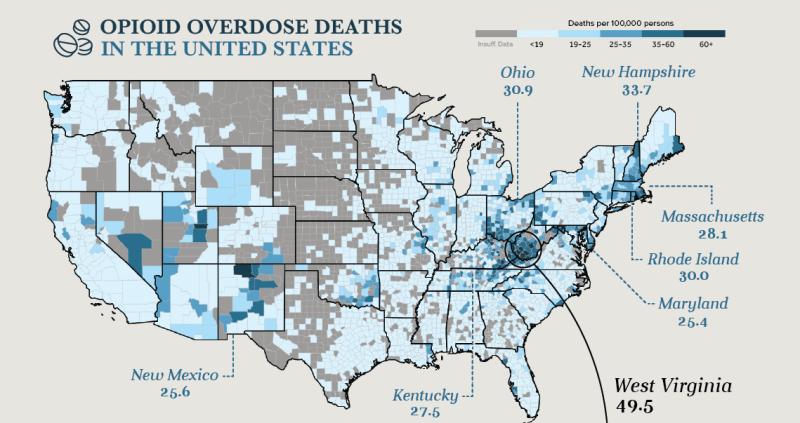
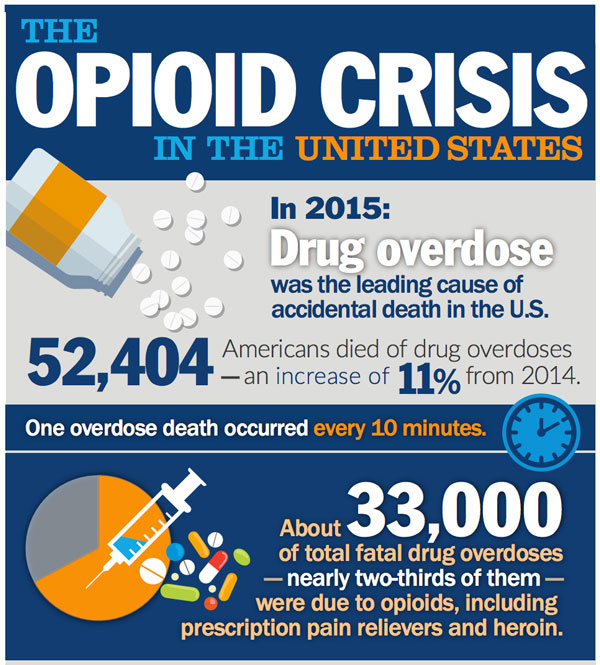
Opioid Overdose Crisis

Every day, more than 130 people in the United States die after overdosing on opioids.1 The misuse of and addiction to opioids—including prescription pain relievers, heroin, and synthetic opioids such as fentanyl used to help relieve severe ongoing pain —is a serious national crisis that affects public health as well as social and economic welfare.

***

***

The Podcast

And so, I was fascinated with this podcast because I often encountered narcotic seeking patients while in city center and urban practice. It was recorded by my neighbor and Austrian economist Peter Raymond over at “The Free Man Beyond the Wall” website.

Colleague Dr. Mark Thornton recently gave this talk at the Mises Institute Supporters Summit on the opioid crisis that is plaguing the US. Dr. Thornton lays out a short history of this tragic epidemic that is taking lives every day. He addresses how doctors prescribe these drugs, how government regulates them and explains what happens when people are forced into the “black market” to sustain their addiction.

PODCAST: http://freemanbeyondthewall.libsyn.com/episode-169-the-opioid-crisis

MORE: https://medicalexecutivepost.com/2019/08/22/the-opioid-crisis-rising-2000-2017/

MORE: https://medicalexecutivepost.com/2019/02/06/about-the-opioid-crisis/

Your thoughts are appreciated.

BUSINESS, FINANCE AND ECONOMICS TEXTBOOKS FOR DOCTORS:

1 – https://lnkd.in/ebWtzGg

2 – https://lnkd.in/ezkQMfR

3 – https://lnkd.in/ewJPTJs

THANK YOU

Product DetailsProduct Details

***

On Pre-Existing Medical Condition Pre-Valence

For FY 2018

By http://www.MCOL.com

***

***

Conclusion

Your thoughts and comments on this ME-P are appreciated. Feel free to review our top-left column, and top-right sidebar materials, links, URLs and related websites, too. Then, subscribe to the ME-P. It is fast, free and secure.

Link: http://feeds.feedburner.com/HealthcareFinancialsthePostForcxos

Speaker: If you need a moderator or speaker for an upcoming event, Dr. David E. Marcinko; MBA – Publisher-in-Chief of the Medical Executive-Post – is available for seminar or speaking engagements. Contact: MarcinkoAdvisors@msn.com

***

Product DetailsProduct Details

***

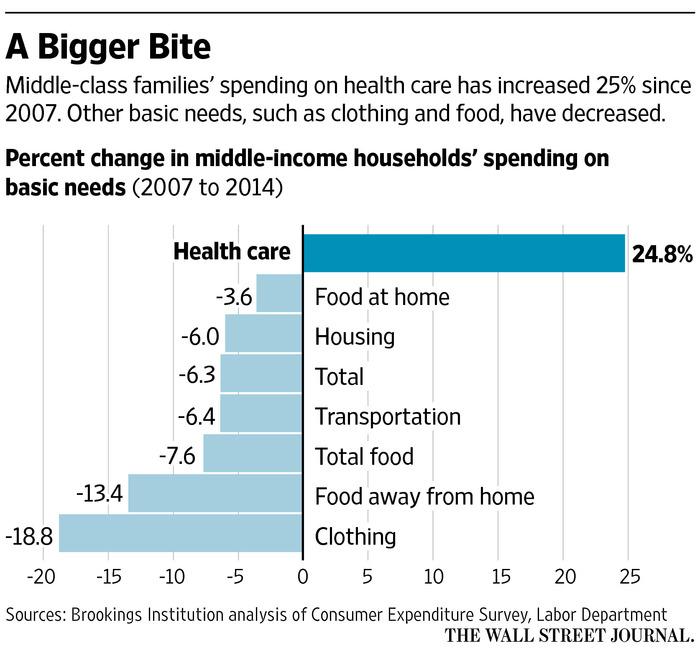
On Healthcare Spending

For the Middle Class

[By staff reporters]

***

***

Conclusion

Your thoughts and comments on this ME-P are appreciated. Feel free to review our top-left column, and top-right sidebar materials, links, URLs and related websites, too. Then, subscribe to the ME-P. It is fast, free and secure.

Link: http://feeds.feedburner.com/HealthcareFinancialsthePostForcxos

Speaker: If you need a moderator or speaker for an upcoming event, Dr. David E. Marcinko; MBA – Publisher-in-Chief of the Medical Executive-Post – is available for seminar or speaking engagements. Contact: MarcinkoAdvisors@msn.com

***

Product DetailsProduct Details

***

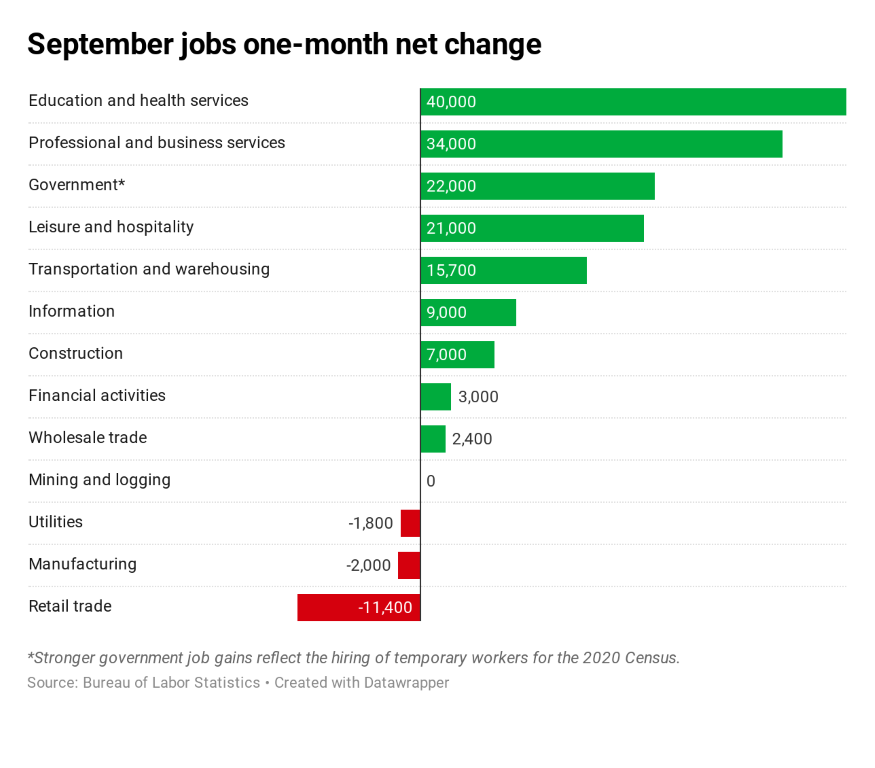
USA Job Creation 2019

At Nine [9] Months Out = Healthcare Leads

***

***

Conclusion

Your thoughts and comments on this ME-P are appreciated. Feel free to review our top-left column, and top-right sidebar materials, links, URLs and related websites, too. Then, subscribe to the ME-P. It is fast, free and secure.

Link: http://feeds.feedburner.com/HealthcareFinancialsthePostForcxos

Speaker: If you need a moderator or speaker for an upcoming event, Dr. David E. Marcinko; MBA – Publisher-in-Chief of the Medical Executive-Post – is available for seminar or speaking engagements. Contact: MarcinkoAdvisors@msn.com

Risk Management, Liability Insurance, and Asset Protection Strategies for Doctors and Advisors: Best Practices from Leading Consultants and Certified Medical Planners™8Comprehensive Financial Planning Strategies for Doctors and Advisors: Best Practices from Leading Consultants and Certified Medical Planners™

***

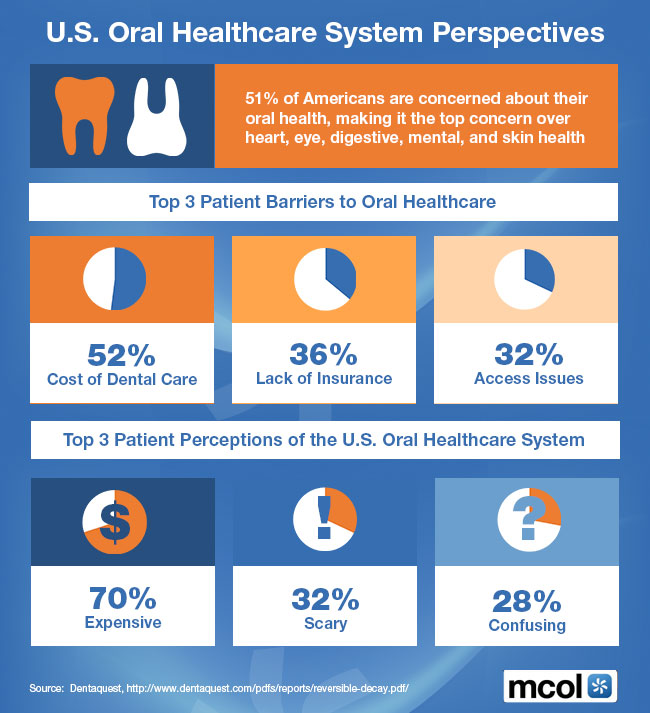
On the Domestic Oral Healthcare System

USA Perspectives

By http://www.MCOL.com

***

***

***

Conclusion

Your thoughts and comments on this ME-P are appreciated. Feel free to review our top-left column, and top-right sidebar materials, links, URLs and related websites, too. Then, subscribe to the ME-P. It is fast, free and secure.

Link: http://feeds.feedburner.com/HealthcareFinancialsthePostForcxos

Speaker: If you need a moderator or speaker for an upcoming event, Dr. David E. Marcinko; MBA – Publisher-in-Chief of the Medical Executive-Post – is available for seminar or speaking engagements. Contact: MarcinkoAdvisors@msn.com

***

Product DetailsProduct DetailsProduct Details

***

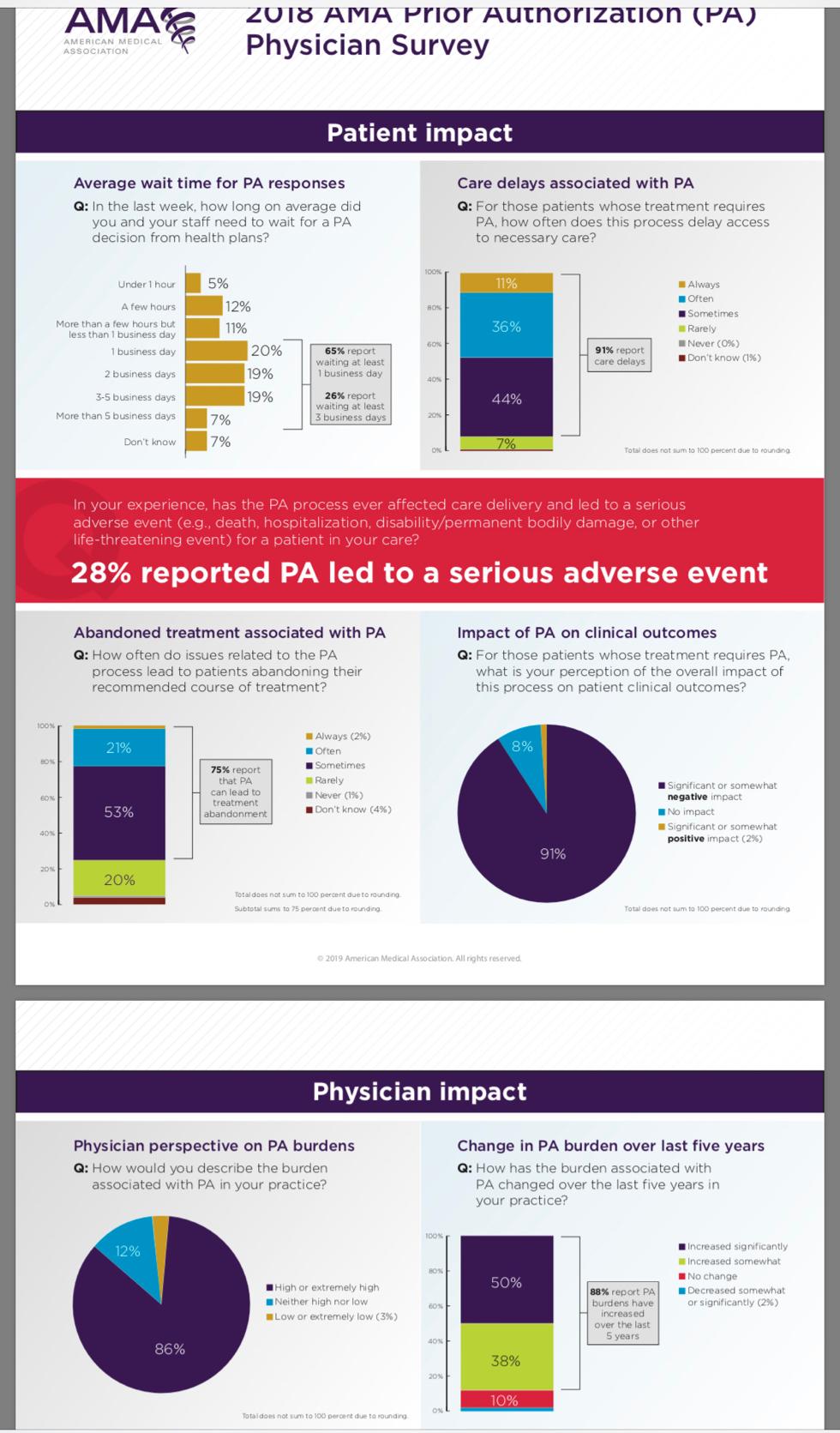
A Prior Medical Authorization Survey

A Physician Survery

By AMA

DEFINITION: Prior authorization is a utilization management process used by some health insurance companies in the United States to determine if they will cover a prescribed procedure, service, or medication. The process is intended to act as a safety and cost-saving measure although it has received criticism from physicians for being costly and time-consuming.

***

***

MORE: https://apple.news/ARVNHupiLTq6pqLFEmhvS5Q

Conclusion

Your thoughts and comments on this ME-P are appreciated. Feel free to review our top-left column, and top-right sidebar materials, links, URLs and related websites, too. Then, subscribe to the ME-P. It is fast, free and secure.

Link: http://feeds.feedburner.com/HealthcareFinancialsthePostForcxos

Speaker: If you need a moderator or speaker for an upcoming event, Dr. David E. Marcinko; MBA – Publisher-in-Chief of the Medical Executive-Post – is available for seminar or speaking engagements. Contact: MarcinkoAdvisors@msn.com

***

Product DetailsProduct DetailsProduct Details

***

Racial Biases And Health Disparities

400 Years Since Jamestown

Dear Dr. David,

This month AJPH has a collection of papers reviewing the lasting imprint of slavery in public health, 400 years since Jamestown, and presents articles that discuss equity, nutrition and human trafficking.

Visit ajph.org for our latest podcast and these and other articles from our October 2019 issue:

Please join AJPH at our session, “Reparations: The Public Health Perspective 400 YEARS Since Jamestown” at APHA’s Annual Meeting and Expo on Monday, Nov. 4 at 8:30 a.m. Mark it on your calendar and in the meeting app.

The mission of the journal is to advance public health research, policy, practice and education. Toward that goal, the journal also produces monthly podcasts in English, Spanish and Chinese.

Be on the lookout for more timely research from AJPH, and consider subscribing or becoming an APHA member for full access.

Sincerely,

Alfredo Morabia, MD, PhD

Editor-in-chief, AJPH

@AlfredoMorabia

@AMJPublicHealth

MY ADVISORY BUSINESS MODEL SYNOPSIS

HOW I EARN – AND YOU PROFIT!

By Dr. David E. Marcinko MBA

My fee is $250 per hour prorated, so you only pay for the time used. This fee covers almost any medical practice management, insurance and risk management, personal financial planning or investment-related topic, including document review, phone consultation, research, and written investment strategies.

I also offer a special program for first-time potential clients called a Physician Practice-Portfolio Second Opinion™.  This all-inclusive $450 program takes about two hours in total and includes a pre-call document review, 60-minute phone consultation, and summary with observations and recommendations.

Docotor colleagues find this to to be a good value because their questions are answered under one fee.

So, it does not matter if you are a new, mid-career or mature practitioner, or where your money is invested or how much you have invested. Simply, I serve along side you as a fiduciary by upholding a duty of loyalty, fairness and good faith in all decision making.

At your professional service!

THANK YOU
Dr. David Edward Marcinko MBA MEd CMP™
Certified Medical Planner
phone: 770-448-0769
MarcinkoAdvisors@msn.com

***

Risk Management, Liability Insurance, and Asset Protection Strategies for Doctors and Advisors: Best Practices from Leading Consultants and Certified Medical Planners™8Comprehensive Financial Planning Strategies for Doctors and Advisors: Best Practices from Leading Consultants and Certified Medical Planners™

***

InVesting Temperament and Tolerance Shenanigans

Financial Advisors Evaluating Malarkey

cropped-dem

By Dr. David E. Marcinko MBA

Courtesy: www.CertifiedMedicalPlanner.org

Evaluating “Sham” Risk Aversion Determination Methodologies

BACK STORY: You visit a local financial advisor as a prospective client. S/he gives you a form to complete that purports to discern your investing risk tolerance?

FORM: It says: “Please indicate by ranking the items below from 1 to 4, with 1 being the most descriptive and 4 being the least descriptive”.

LINK: https://medicalexecutivepost.com/2009/12/28/risk-aversion-and-investment-alternatives/

EPIPHANY: After reviewing the form, you realize it is a superfluous one-size-fits-all risk reduction mechanism for the advisor. You identify the sheer malarkey of the exercise and leave in disgust. You ruminate to yourself – “there must be a better way,”

MORE: https://medicalexecutivepost.com/2017/10/24/on-investing-risk-tolerance/

And so, colleague Rick Kahler MSFS CFP® suggests alternative methods.

MORE: https://medicalexecutivepost.com/2017/10/18/on-retirement-planning-risks/

Your thoughts are appreciated.

***

***

BUSINESS, FINANCE AND ECONOMICS TEXTBOOKS FOR DOCTORS:

1 – https://lnkd.in/ebWtzGg

2 – https://lnkd.in/ezkQMfR

3 – https://lnkd.in/ewJPTJs

THANK YOU

Risk Management, Liability Insurance, and Asset Protection Strategies for Doctors and Advisors: Best Practices from Leading Consultants and Certified Medical Planners™8Comprehensive Financial Planning Strategies for Doctors and Advisors: Best Practices from Leading Consultants and Certified Medical Planners™

***