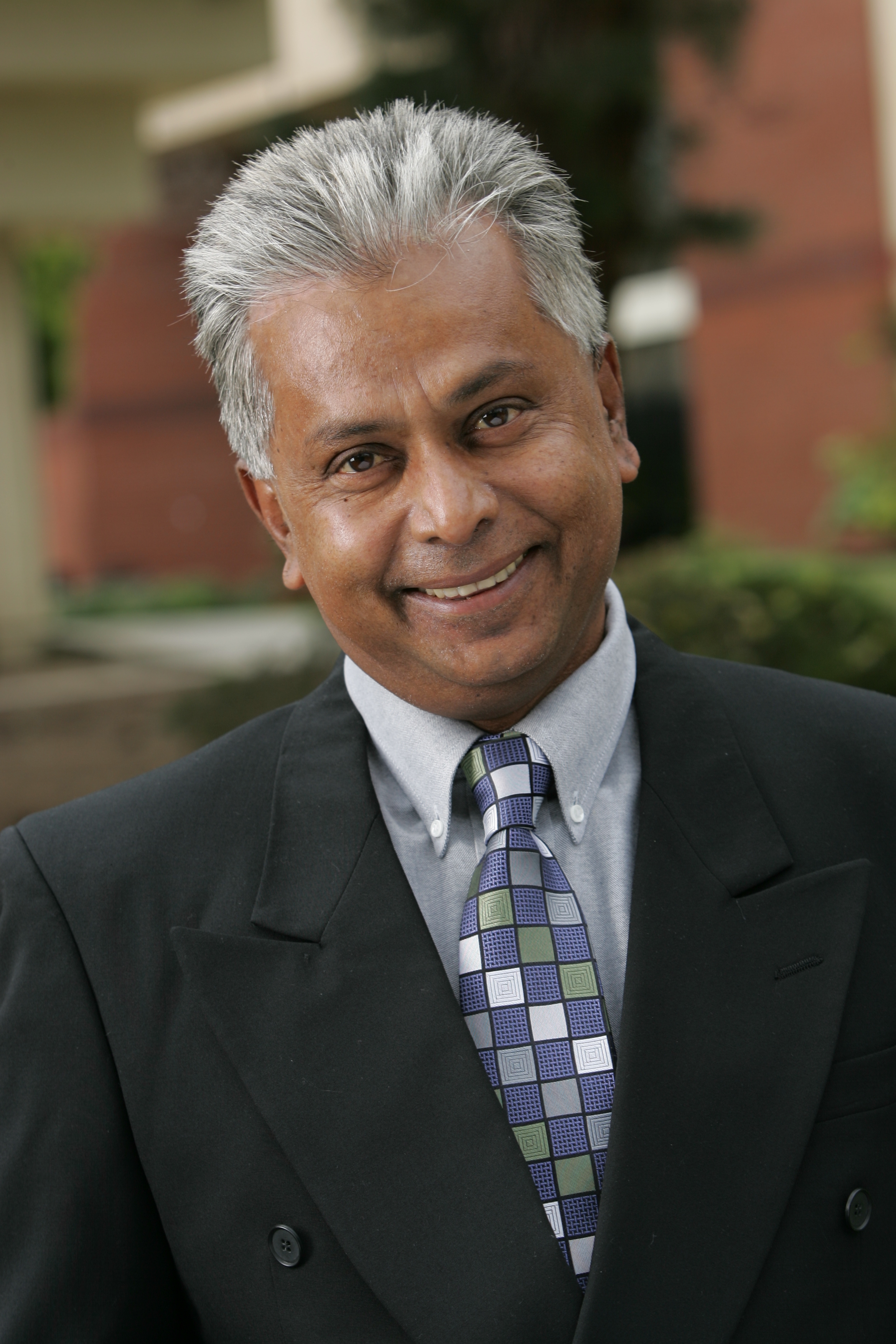
R.I.P. Richard Wagner JD CFP®

On the Life of “Dick” Wagner


By Rick Kahler CFP®

The financial planning profession lost one of its most significant figures this past week. Richard Wagner, my friend and mentor, died suddenly.

Dick, a longtime financial planner in Colorado, was one of the pioneers and thought leaders of personal financial planning. His visionary leadership and commentary were closely followed and highly respected by financial planners worldwide.

Dick’s influence on financial planning was profound. He was one of the early leaders to understand the emotional impact that money has on our lives and to believe that financial planning must include that emotional component in order to fully serve clients’ needs. We each have an individual relationship with money, which affects everyone in all facets of our lives. For this reason, Dick called money “the most powerful and pervasive secular force on the planet.”

He served as the President of the Institute of Certified Financial Planners and received the Financial Planning Association’s (FPA) highest honor, the P. Kemp Fain, Jr. He was a co-founder of the Nazrudin Project, a leaderless brain trust of 100 of the more forward-thinking planners, therapists, and coaches in financial planning. From this group emerged many FPA presidents, as well as scores of influential books and white papers. For its size, Nazrudin has had a disproportionate and continuing impact on the financial planning profession.

Dick also served on the founding board of the Financial Therapy Association. His keynote address at the group’s first conference eloquently laid the foundation for this embryonic movement of blending psychology and financial planning.

Dick’s life work, the beloved passion he carried for decades, was to see financial planning become a profession. In fact, he envisioned financial planning as the most important 21st century profession because of its focus on money. He challenged financial planners to give their best to their clients and their profession. Even further, he urged us to build an authentic profession—one he saw as dedicated to helping people manage intangible but essential functions, maintaining a responsibility to put clients’ interest first, and serving not only individuals but humanity and the greater good. One of Dick’s last contributions to the profession was the publication of the book he labored for 20 years to write, Financial Planning 3.0.

Anyone who knew Dick for more than a minute knew that he told it like it was—with gusto, clarity, and passion. He characteristically would sum up the essence of financial planning as:

“Save more, spend less, and don’t do anything stupid.”

Most importantly, I knew him as an immensely caring, passionate, wise, and conscientious soul. He was one of my valued mentors. The scope of his ideas and the depth of his creative vision challenged me to question my assumptions and expand my own views of what my chosen profession could become.

I had the privilege of spending many weekends with Dick as a member of a small group of financial planning pioneers who were trying to make sense of this union of emotions and money. I often equated listening to Dick’s visions of “what could be” to flying a commercial airliner at 45,000 feet. While he was soaring, I would spend most of my time trying to figure out if and where we could land the plane.

Wherever he may be now, I believe Dick is still soaring—once again, far higher and farther than those of us left behind. His passing leaves me shocked and saddened, with a sense of grief not yet eased by the gratitude I feel for having known him. The financial planning profession to which he devoted so much of his life was vastly enriched by his ideas and his work. 

Publisher’s Note:

Although I never personally met Dick, I do consider him a friend and colleague. We emailed and spoke on the phone, often. In fact, he contributed to the first edition of our book: Financial Planning Handbook For Physicians And Advisors; now in it’s fourth iteration: Comprehensive Financial Planning Strategies for Doctors

Rest in peace my friend. Robert Pine said it well when he noted,

“What we have done for ourselves is soon forgotten but what we have done for others remains and is immortal.”

-Dr. David Marcinko MBA

Conclusion

Your thoughts and comments on this ME-P are appreciated. Feel free to review our top-left column, and top-right sidebar materials, links, URLs and related websites, too. Then, subscribe to the ME-P. It is fast, free and secure.

Speaker: If you need a moderator or speaker for an upcoming event, Dr. David E. Marcinko; MBA – Publisher-in-Chief of the Medical Executive-Post – is available for seminar or speaking engagements. Contact: MarcinkoAdvisors@msn.com

OUR OTHER PRINT BOOKS AND RELATED INFORMATION SOURCES:

Risk Management, Liability Insurance, and Asset Protection Strategies for Doctors and Advisors: Best Practices from Leading Consultants and Certified Medical Planners™8Comprehensive Financial Planning Strategies for Doctors and Advisors: Best Practices from Leading Consultants and Certified Medical Planners™

***

Physicians and FAs Dealing with Debt Collaboratively

A Holistic Approach to Financial Health Planning

[By Somnath Basu; PhD, MBA]

Financial Advisers [FAs] often feel helpless in the face of fierce resistance from clients, especially doctors, to rein in their spending, stop living beyond their means and salt away more of their paychecks. Even worse, the financial services industry’s less discerning practitioners are enabling reckless behavior for fear of losing business.

Psychological MoJo

A huge part of the problem is psychological. Look no further than the emerging field of behavioral finance to explain why average Americans of all ages and walks of life feel pressure to keep up with their neighbor. The unfortunate result, of course, is that consumers max out their credit cards, tap equity lines of credit or consolidate loans in pursuit of the American Dream. But, in the process, they often fall victim to over-consumption and under-saving.

Bad Faith Lenders

Unscrupulous lenders are exploiting doctors and consumers with interest-only loans and variable-rate home buying without a down payment – the latter labeled in one recent headline as a car-dealer tactic on the new-home lot. Another gimmick ties a home equity loan to life insurance with the promise of zero premiums, albeit no escape from a lien on equity no matter how it’s sold to an unsuspecting public.

Debt Consolidation Issues

There’s also the issue of determining whether it’s prudent for physicians to consolidate their debt. Many online calculators use the current monthly payment figure as the basis for comparison against monthly payments after debt consolidation, which is erroneous since payments in subsequent periods aren’t compared. This flawed approach is enough to convince unwary people they should consolidate their loans, and in many cases, it justifies a resumption of conspicuous consumption – leading to a vicious cycle.

Need for Discipline

Before a Financial Advisor even gets through a doctor-client’s front door, chances are that the person they’re meeting with might require the services of a psychotherapist and/or credit counselor (or require such a recommendation) to examine the root causes of their propensity for reckless spending and suggest a need for financial discipline.

Wants versus Needs

There must be a clear understanding of the difference between needs (i.e., retiring with peace of mind) and desires (i.e., living the high life), and a willingness to change. It means not eating out five times a week or financing a $75,000 kitchen remodeling makeover, cutting back on entertainment, or making more than the minimum payment on credit card balances. It means not rushing out to buy a house or perhaps finding a local college for children to attend and spare the added expense of housing them in a dormitory. Only then can physician’s and all of us, earmark increasing amounts from each paycheck to build a comfortable savings cushion.

A New Collaborative Approach

What’s needed is a collaborative approach [much like emerging Health 2.0 participatory medicine], since Financial Advisers cannot be the sole catalyst for change. The media too, needs to do much more reporting on the dangers of debt. Politicians need to make difficult choices [a balanced budget, for example] and business leaders need to be more vigilant about adopting ethical practices when it comes to lending, advertising or marketing products and services that feed the vicious cycle of indebtedness.

Join Our Mailing List 

The Courage to Deliver Tough Love

Astute Financial Advisers can take on a real collaborative leadership role with regard to helping doctors and other clients avoid or dig out of debt; but the FAs who have the intestinal fortitude tend to have the most affluent clients. So the question becomes, do they have the courage to deliver tough love to their working or upper-middle class, or affluent middle-class clients and prospects?

The Faithful

For doctors to have faith in their FAs, they need to trust their expertise as a financial health practitioner and believe in the power of a diversified investment portfolio. But, they also need to be repeatedly told to stick with their long-term financial plan whenever there’s a downturn in financial markets and not be swayed by fear or the lure of short-term gain.

Financial Advisers who are willing to recognize and treat the symptoms of irrational decision-making, and educate their physician-clients on the follies of making emotion-based decisions, will be able to distinguish themselves in a competitive market. They need to understand investor psychology, as well as identify behavioral biases and offer counsel about the perils and consequences of irrational decisions. They need to know their target physician market-audience, too. This will enhance the results of their long-term planning.

Rethinking Mission

At the end of the day, it’s not just a matter of offering financial planning. It’s as much about life planning as helping get a client’s financial house in order. Just ask Richard Wagner or George Kinder, who describe the movement they created as “the human side of financial planning” and holds workshops that teach advisers client-relationship skills.

But, an even better objective would be to offer financial health planning as part of a more holistic, and arguably, effective approach.

Avoiding Unscrupulous Lending Practices

The best Financial Advisers know how to steer their clients away from unscrupulous lending practices, resist the urge to over-consume and learn financial discipline; but unfortunately they’re a rare breed. Unless the status quo changes, financial planning runs the risk of irrelevance.

How can people possibly expect to amass adequate savings for a home, child’s education and/or retirement if they can’t first dig out of debt? The only possible result will be legions of unhappy clients.

NPOs?

One way to help combat the nation’s difficulty in dealing with debt would be through the creation of a quasi-governmental, nonprofit organization whose educational mission is to better understand the basic issues surrounding the need to borrow money.

But, perhaps the time has come for the some 200 educational institutions that teach financial planning to pool their resources in hopes of becoming a credible watchdog of the nation’s financial health.

Lawmakers increasingly have come to the realization that financial literacy needs to become a higher priority. Advisers should never forget that sound financial health is a necessary condition for good physical and mental health, especially since most married couples argue about money more than anything else and financial distress is a leading cause of depression.

Link: http://www.fa-mag.com/issues.php?id_content=2&idArticle=1640#

Assessment

In the future, Financial Advisers could serve as financial health practitioners in partnership with counselors, behavioralists and psychologists. The very health of financial planning just might depend upon it.

Somnath Basu, Ph.D., is program director of the California Institute of Finance in the School of Business at California Lutheran University where he’s also a professor of finance. He can be reached at (805) 493 3980 or basu@callutheran.edu.

Conclusion

Your thoughts and comments on this ME-P are appreciated. Feel free to review our top-left column, and top-right sidebar materials, links, URLs and related websites, too. Then, subscribe to the ME-P. It is fast, free and secure.

Link: http://feeds.feedburner.com/HealthcareFinancialsthePostForcxos

Speaker: If you need a moderator or speaker for an upcoming event, Dr. David E. Marcinko; MBA – Publisher-in-Chief of the Medical Executive-Post – is available for seminar or speaking engagements. Contact: MarcinkoAdvisors@msn.com

OUR OTHER PRINT BOOKS AND RELATED INFORMATION SOURCES:

Product Details  Product Details

Understanding Behavioral Finance and Economics

Historical Review

By: Dr. David Edward Marcinko; MBA, MEd, CMP™

By: Eugene Schmuckler; PhD, MBA, CTS

By: Dr. Kenneth H. Shubin-Stein, CFA

By: Richard B. Wagner; JD, CFP®

***

Validating the emerging alliance between psychology (human behavior) and finance (economics) is the fact that two Americans won the Royal Swedish Academy of Science’s, 2002 Nobel Memorial Prize in Economic Science. Their research was nothing short of an explanation for the idiosyncrasies incumbent in human financial decision-making outcomes.

The Pioneers

Daniel Kahneman, PhD, professor of psychology at Princeton University, and Vernon L. Smith, PhD, professor of economics at George Mason University in Fairfax, Va., shared the prize for work that provided insight on everything from stock market bubbles, to regulating utilities, and countless other economic activities. In several cases, the winners tried to explain apparent financial paradoxes.

The Experiments

For example, Professor Kahneman made the economically puzzling discovery that most of his subjects would make a 20-minute trip to buy a calculator for $10 instead of $15, but would not make the same trip to buy a jacket for $120 instead of $125, saving the same $5.

Initially, in the 1960’s, Smith set out to demonstrate how economic theory worked in the laboratory (in vitro), while Kahneman was more interested in the ways economic theory mis-predicted people in real-life (in-vivo). He tested the limits of standard economic choice theory in predicting the actions of real people, and his work formalized laboratory techniques for studying economic decision making, with a focus on trading and bargaining.

Academe’

Later, Smith and Kahneman together were among the first economists to make experimental data a cornerstone of academic output. Their studies included people playing games of cooperation and trust, and simulating different types of markets in a laboratory setting. Their theories assumed that individuals make decisions systematically, based on preferences and available information, in a way that changes little over time, or in different contexts. By the late 1970’s, Richard H. Thaler, PhD, an economist at the University of Chicago also began to perform behavioral experiments further suggesting irrational wrinkles in standard financial theory and behavior, enhancing the still embryonic but increasingly popular theories of Kahneman and Smith.

Other Pioneers

Other economists’ laboratory experiments used ideas about competitive interactions pioneered by game theorists like John Forbes Nash Jr., PhD, who shared the Nobel in 1994, as points of reference. But, Kahneman and Smith often concentrated on cases where people’s actions depart from the systematic, rational strategies that Nash envisioned. Psychologically, this was all a precursor to the informal concept of life planning.

Enter the Financial Planners

Of course, comprehensive financial planners have always consulted with their clients regarding their goals and objectives, hopes and dreams, but typically from the point of view of money goals, rather than life ideals or business goals. The absence, or presence of biological and/or psychological reasons for them was never conceived, nor discussed. But, quantifying future subjective and objective goals, and doing a technical analysis of factors such as risk tolerance, age, insurance, tax, investing, retirement and estate planning needs, has certainly been the norm, especially for Certified Medical Planners (CMP).

Assessmentcmp-logo

Life planning and behavioral finance then, as proposed for physicians and integrated by the Institute of Medical Business Advisors (iMBA) is somewhat similar. Its uniqueness emanates from a holistic union of personal financial planning and medical practice management, solely for the healthcare space.  Unlike pure life planning, pure financial planning, or pure management theory, it is both a quantitative and qualitative “hard and soft” science. It has an ambitious economic, psychological and managerial niche value proposition never before proposed and codified, while still representing an evolving philosophy. Its’ zealous practitioners are called Certified Medical Planners (CMPs).

www.CertifiedMedicalPlanner.org

Conclusion

Your thoughts and comments on this ME-P are appreciated. Feel free to review our top-left column, and top-right sidebar materials, links, URLs and related websites, too. Then, subscribe to the ME-P. It is fast, free and secure.

Speaker: If you need a moderator or speaker for an upcoming event, Dr. David E. Marcinko; MBA – Publisher-in-Chief of the Medical Executive-Post – is available for seminar or speaking engagements. Contact: MarcinkoAdvisors@msn.com

OUR OTHER PRINT BOOKS AND RELATED INFORMATION SOURCES:

  ***

***