







 Support our online development, and advance our onground research initiatives in free market economics, as we seek to showcase the brightest Next-Gen minds.
THE ME-P DISCLAIMER: Posts, comments and opinions do not necessarily represent iMBA, Inc., but become our property after submission. Copyright © 2006 to-date. iMBA, Inc allows colleges, universities, medical and financial professionals and related clinics, hospitals and non-profit healthcare organizations to distribute our proprietary essays, photos, videos, audios and other documents; etc. However, please review copyright and usage information for each individual asset before submission to us, and/or placement on your publication or web site. Attestation references, citations and/or back-links are required. All other assets are property of the individual copyright holder.
Support our online development, and advance our onground research initiatives in free market economics, as we seek to showcase the brightest Next-Gen minds.
THE ME-P DISCLAIMER: Posts, comments and opinions do not necessarily represent iMBA, Inc., but become our property after submission. Copyright © 2006 to-date. iMBA, Inc allows colleges, universities, medical and financial professionals and related clinics, hospitals and non-profit healthcare organizations to distribute our proprietary essays, photos, videos, audios and other documents; etc. However, please review copyright and usage information for each individual asset before submission to us, and/or placement on your publication or web site. Attestation references, citations and/or back-links are required. All other assets are property of the individual copyright holder.


By A.I. and Staff Reporters
***
***
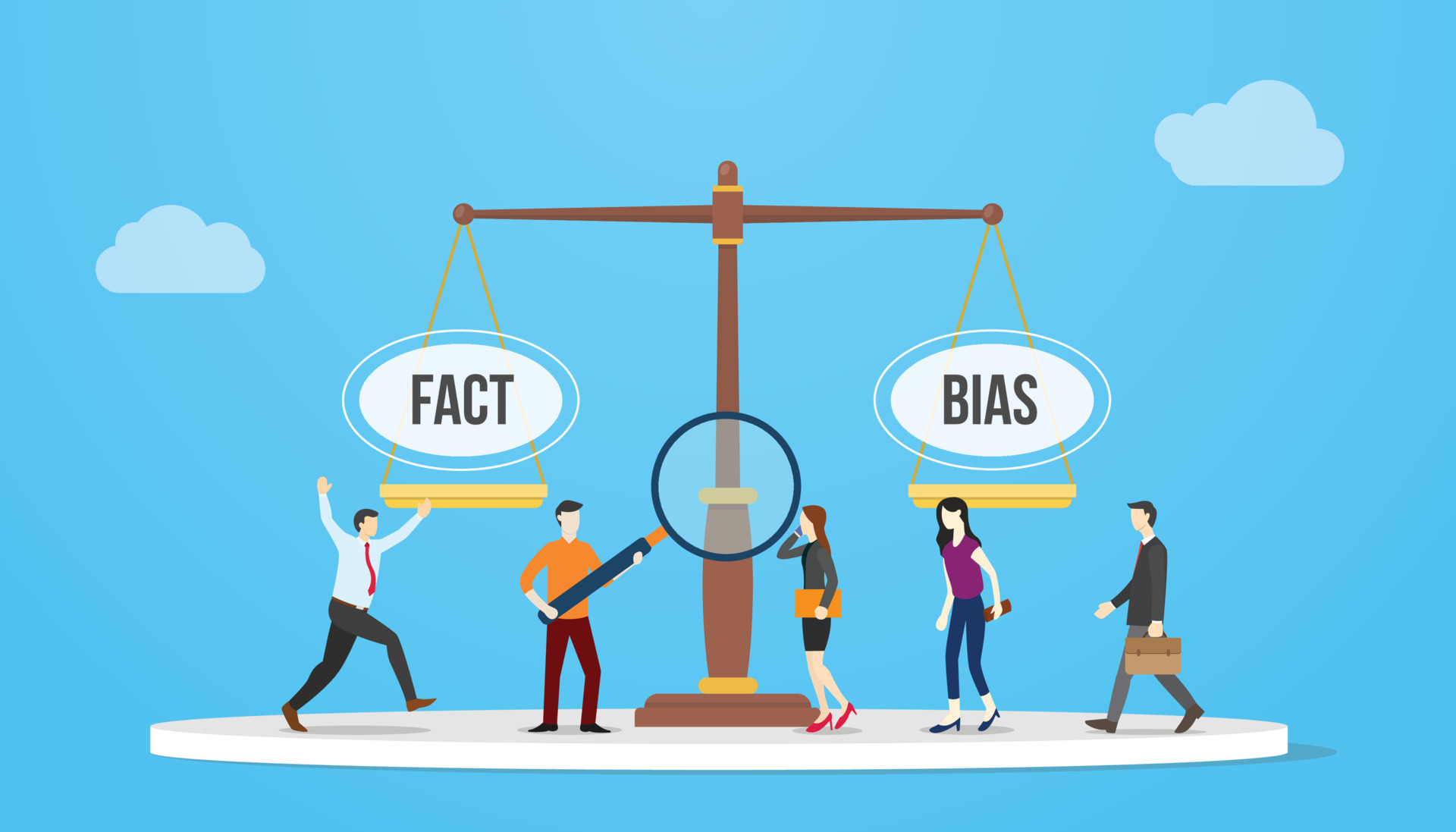
BIAS
Bias is a prejudice in favor of or against one thing, person, or group compared with another, usually in a way considered to be unfair.
MYOPIA
Myopia (nearsightedness) is a common condition that’s usually diagnosed before age 20. It affects your distance vision — you can see objects that are near, but you have trouble viewing objects that are farther away like grocery store aisle markers or road signs. Myopia treatments include glasses, contact lenses or surgery.
MYOPIA BIAS
Myopia Bias makes it hard for us to imagine what our lives might be like in the future.
Financial Example: When we are young, healthy and in our prime economic earning years it may be hard for us to picture what life will be like when our health depletes and we no longer have the earnings necessary to support our standard of living.
Irony: This short-sightedness makes it hard to save adequately when we are young … when saving does the most good.
COMMENTS APPRECIATED
Like, Refer and Subscribe
***
***
Share this:

Filed under: "Ask-an-Advisor", economics, finance, Funding Basics, Glossary Terms, Investing, Portfolio Management | Tagged: bias, economics, facts, finance, financial, myopia, myopia biasis, prejudice | Leave a comment »

 The Leading Business Education Network for Doctors, Financial Advisors and Health Industry Consultants