







 Support our online development, and advance our onground research initiatives in free market economics, as we seek to showcase the brightest Next-Gen minds.
THE ME-P DISCLAIMER: Posts, comments and opinions do not necessarily represent iMBA, Inc., but become our property after submission. Copyright © 2006 to-date. iMBA, Inc allows colleges, universities, medical and financial professionals and related clinics, hospitals and non-profit healthcare organizations to distribute our proprietary essays, photos, videos, audios and other documents; etc. However, please review copyright and usage information for each individual asset before submission to us, and/or placement on your publication or web site. Attestation references, citations and/or back-links are required. All other assets are property of the individual copyright holder.
Support our online development, and advance our onground research initiatives in free market economics, as we seek to showcase the brightest Next-Gen minds.
THE ME-P DISCLAIMER: Posts, comments and opinions do not necessarily represent iMBA, Inc., but become our property after submission. Copyright © 2006 to-date. iMBA, Inc allows colleges, universities, medical and financial professionals and related clinics, hospitals and non-profit healthcare organizations to distribute our proprietary essays, photos, videos, audios and other documents; etc. However, please review copyright and usage information for each individual asset before submission to us, and/or placement on your publication or web site. Attestation references, citations and/or back-links are required. All other assets are property of the individual copyright holder.


By Staff Reporters
***
***
Long-Term Liabilities
A secured debt is pledged by a specific property. This is a collateralized loan.
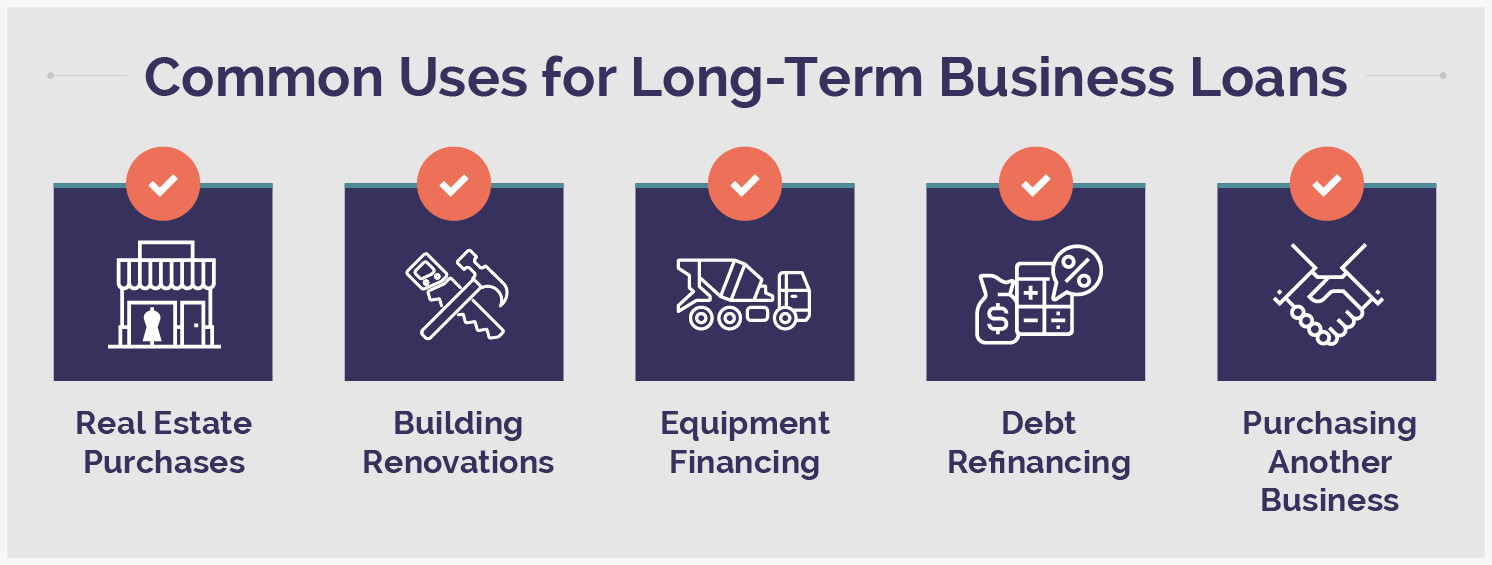
Generally, the purchased item is pledged with the proceeds of the loan. This would include long-term liabilities (more than 12 months) such as a mortgage, home equity loan, or a car loan. Although the creditor has the ability to take possession of your property in order to recover a bad debt, it is done very rarely. A creditor is more interested in recovering money. Sometimes, when borrowing money, there may be a requirement to pledge assets that are owned prior to the loan.
For example, a personal loan from a finance company requires that you pledge all personal property such as your car, furniture, and equipment. The same property may become subject to a judicial lien if you are sued and a judgment is made against you. In this case, you would not be able to sell or pledge these assets until the judgment is satisfied. A common example of a lien would be from unpaid federal, state or local taxes. Doctors can be found personally liable for unpaid payroll taxes of employees in their professional corporations.
***
Distinguishing from Short-Term Liabilities
The primary distinction between long-term and short-term liabilities lies in their repayment timing. Long-term liabilities are obligations due beyond one year, while short-term, or current, liabilities are financial obligations settled within one year of the balance sheet date or the company’s operating cycle, whichever is longer. This timing difference impacts how these obligations are viewed in financial analysis.
Examples of short-term liabilities include accounts payable, which are amounts owed to suppliers for goods or services purchased on credit, typically due within 30 to 60 days. Other common short-term obligations are short-term notes payable, accrued expenses like salaries or utilities, and the portion of long-term debt that becomes due within the next 12 months. These obligations are usually paid using current assets.
This distinction is important for financial analysis, as it helps assess a company’s financial health. Short-term liabilities are relevant for evaluating a company’s liquidity, its ability to meet immediate financial obligations. Conversely, long-term liabilities provide insights into a company’s solvency, indicating its ability to meet financial obligations over an extended period and its overall financial stability.
***
Finally, be aware that some assets and liabilities defy short or long-term definition. When this happens, simply be consistent in your comparison of financial statements, over time.
COMMENTS APPRECIATED
Refer, Like and Subscribe
***
***
Share this:

Filed under: Portfolio Management, Investing, "Ask-an-Advisor", Financial Planning, finance | Tagged: business, debt, finance, loans, long term debt, long term loans, mortgages, personal-finance, real-estate, short term debt |
 The Leading Business Education Network for Doctors, Financial Advisors and Health Industry Consultants
Leave a comment