CORPORATE DEBT: Restructuring

By Dr. David Edward Marcinko MBA MEd

***

***

Corporate debt restructuring is a critical financial strategy that enables distressed companies to regain stability, avoid insolvency, and preserve stakeholder value. It involves renegotiating debt terms with creditors to ensure sustainable repayment while maintaining business continuity.

Introduction

Corporate debt restructuring (CDR) refers to the reorganization of a company’s outstanding financial obligations when it faces severe distress or risks defaulting on loans. Instead of proceeding to bankruptcy, firms often negotiate with creditors to modify repayment schedules, reduce interest rates, or even partially write off debt. This process is designed to restore liquidity, protect jobs, and safeguard the interests of shareholders, lenders, and employees.

Causes of Debt Restructuring

Companies typically resort to restructuring due to:

  • Economic downturns that reduce revenues and profitability
  • Poor financial management or over-leveraging, leaving firms unable to meet obligations
  • Sectoral disruptions, such as technological shifts or regulatory changes
  • Unexpected crises, including pandemics or geopolitical shocks, which strain cash flows

Methods of Debt Restructuring

Several strategies are employed depending on the severity of distress:

  • Rescheduling debt: Extending repayment periods to ease short-term cash flow pressures
  • Lowering interest rates: Negotiating reduced borrowing costs to make debt more manageable
  • Debt-to-equity swaps: Creditors convert debt into equity, reducing liabilities while gaining ownership stakes
  • Haircuts on principal: Creditors agree to accept less than the full amount owed, preventing total default

Benefits of Debt Restructuring

  • Avoidance of bankruptcy, preserving business operations
  • Protection of stakeholders, including employees, creditors, and shareholders
  • Contribution to economic stability by preventing systemic crises
  • Improved financial health, allowing companies to refocus on growth and innovation

Challenges in Implementation

Despite its advantages, corporate debt restructuring is complex:

  • Balancing interests between creditors and companies requires delicate negotiation
  • Legal and regulatory hurdles complicate cross-border restructuring
  • Creditor resistance can prolong distress
  • Reputational risks may reduce investor confidence

Conclusion

Corporate debt restructuring is not merely a reactive measure but a proactive tool for ensuring long-term sustainability. By renegotiating obligations, firms can avoid insolvency, stabilize operations, and contribute to broader economic recovery. While challenges exist, successful restructuring requires transparent communication, fair creditor engagement, and sound financial planning. Ultimately, CDR serves as a bridge between financial distress and renewed corporate viability, making it indispensable in modern business practice.

COMMENTS APPRECIATED

EDUCATION: Books

SPEAKING: Dr. Marcinko will be speaking and lecturing, signing and opining, teaching and preaching, storming and performing at many locations throughout the USA this year! His tour of witty and serious pontifications may be scheduled on a planned or ad-hoc basis; for public or private meetings and gatherings; formally, informally, or over lunch or dinner. All medical societies, financial advisory firms or Broker-Dealers are encouraged to submit an RFP for speaking engagements: CONTACT: Ann Miller RN MHA at MarcinkoAdvisors@outlook.com -OR- http://www.MarcinkoAssociates.com

Like, Refer and Subscribe

***

***

PASSIVE-AGGRESSIVE: Patients

By Dr. David Edward Marcinko MBA MEd

Professor Eugene Schmuckler PhD MBA MEd CTS

***

***

Navigating the Challenges of Passive-Aggressive Patients in Healthcare

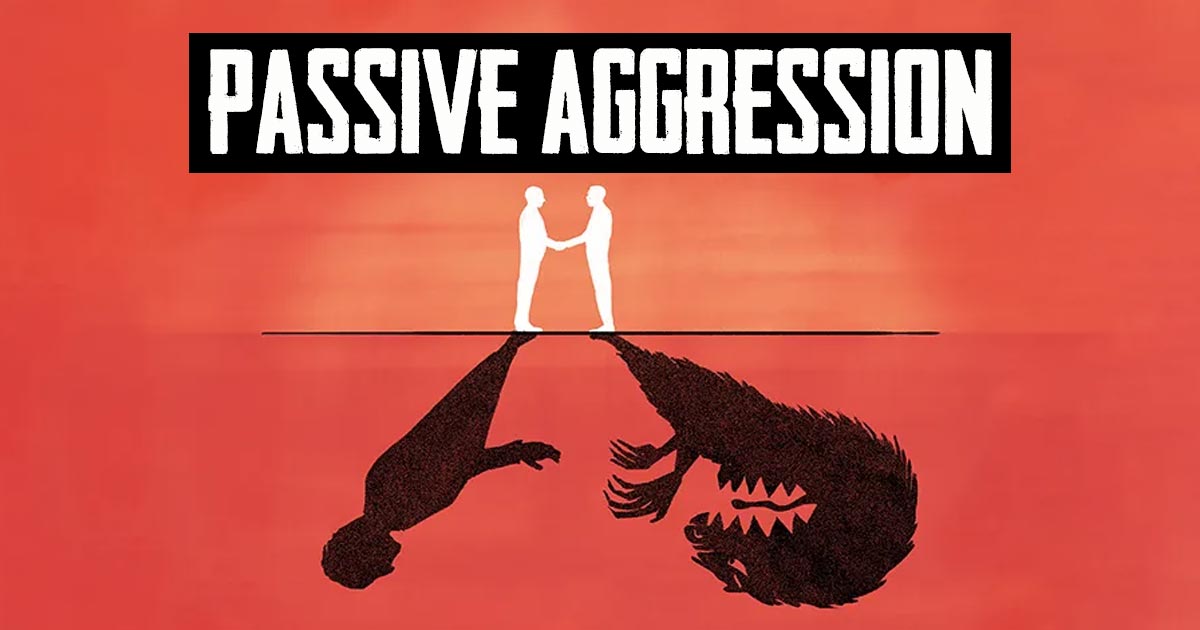
In the complex landscape of healthcare, effective communication between providers and patients is essential for accurate diagnosis, treatment adherence, and overall patient satisfaction. However, passive-aggressive behavior—characterized by indirect resistance, subtle obstruction, and veiled hostility—can significantly hinder this process. Passive-aggressive patients present unique challenges that require emotional intelligence, patience, and strategic communication skills from healthcare professionals.

Passive-aggressive behavior often stems from underlying feelings of fear, resentment, or a perceived lack of control. Patients may feel overwhelmed by their diagnosis, skeptical of medical advice, or frustrated by systemic issues such as long wait times or insurance complications. Rather than expressing these concerns openly, they may resort to behaviors such as missed appointments, vague complaints, sarcasm, or noncompliance with treatment plans. These actions, though subtle, can disrupt care continuity and erode trust between patient and provider.

One of the most difficult aspects of managing passive-aggressive patients is identifying the behavior early. Unlike overt aggression, passive-aggression is cloaked in ambiguity. A patient might nod in agreement during a consultation but later ignore medical instructions. They may offer compliments laced with sarcasm or express dissatisfaction through third parties rather than directly. These indirect signals can leave providers confused and uncertain about the patient’s true feelings or intentions.

***

***

Addressing passive-aggressive behavior requires a nuanced approach. First, providers must cultivate a nonjudgmental environment where patients feel safe expressing concerns. Active listening, empathy, and validation can encourage more direct communication. For example, acknowledging a patient’s frustration with wait times or side effects can open the door to honest dialogue. Providers should also be mindful of their own reactions, avoiding defensiveness or dismissiveness, which can exacerbate the behavior.

Setting clear boundaries and expectations is another key strategy. Passive-aggressive patients often test limits subtly, so it’s important to reinforce the importance of mutual respect and accountability. Documenting interactions, treatment plans, and patient responses can help track patterns and ensure consistency. In some cases, involving mental health professionals may be beneficial, especially if the behavior is rooted in deeper psychological issues.

Ultimately, the goal is to transform passive-aggressive dynamics into constructive partnerships. This requires time, effort, and a willingness to engage with patients beyond surface-level interactions. When successful, it can lead to improved outcomes, greater patient satisfaction, and a more harmonious clinical environment.

In conclusion, passive-aggressive patients pose a unique challenge in healthcare, but they also offer an opportunity for providers to refine their communication skills and deepen their understanding of patient psychology. By fostering openness, setting boundaries, and responding with empathy, healthcare professionals can navigate these interactions effectively and promote better health outcomes for all.

COMMENTS APPRECIATED

EDUCATION: Books

SPEAKING: Dr. Marcinko will be speaking and lecturing, signing and opining, teaching and preaching, storming and performing at many locations throughout the USA this year! His tour of witty and serious pontifications may be scheduled on a planned or ad-hoc basis; for public or private meetings and gatherings; formally, informally, or over lunch or dinner. All medical societies, financial advisory firms or Broker-Dealers are encouraged to submit an RFP for speaking engagements: CONTACT: Ann Miller RN MHA at MarcinkoAdvisors@outlook.com 

Like, Refer and Subscribe

***

***

BREAKING NEWS: U.S. Housing Market in November 2025

***

***

  • The average 30-year fixed-rate mortgage in November was 6.24%, down from 6.25% in October.
  • Existing-home sales increased by 0.5% month over month. 
  • Month-over-month U.S. home sales rose in the Northeast and South, but remained flat in the West and declined in the Midwest.
  • Sources: National Association of Realtors, Freddie Mac

COMMENTS APPRECIATED

EDUCATION: Books

STOCK MARKET PRACTICES: The Role of A.I.

SPONSOR: http://www.CertifiedMedicalPlanner.org

Dr. David Edward Marcinko; MBA MEd

***

***

Artificial intelligence has emerged as a transformative force across multiple domains, and the financial sector is no exception. Within the stock market, the integration of AI-driven tools has redefined how investors, analysts, and institutions approach decision-making. Microsoft Copilot, as an advanced AI companion, exemplifies this shift by offering a multifaceted platform that enhances data interpretation, risk management, and strategic planning. Its role in the stock market can be understood through several dimensions: information synthesis, analytical augmentation, behavioral regulation, and democratization of access.

Information Synthesis

The stock market is characterized by an overwhelming flow of information, ranging from corporate earnings reports and macroeconomic indicators to geopolitical developments and investor sentiment. Traditionally, investors have relied on manual research, financial news outlets, and analyst commentary to remain informed. Copilot introduces a paradigm shift by synthesizing this information in real time. It can process vast datasets, extract salient points, and present them in a structured format that reduces cognitive overload. This capacity for rapid synthesis ensures that investors are not only informed but also able to act with timeliness, a critical factor in markets where seconds can determine profitability.

Analytical Augmentation

Beyond information gathering, Copilot contributes to the analytical dimension of investing. Financial analysis often requires the comparison of companies, industries, and macroeconomic trends. Copilot’s ability to contextualize data allows investors to move beyond surface-level metrics and engage with deeper insights. For instance, when evaluating a technology firm, Copilot can highlight competitive positioning, regulatory challenges, and innovation trajectories. This analytical augmentation supports more comprehensive investment theses, enabling investors to balance quantitative indicators with qualitative considerations. In this sense, Copilot functions not merely as a data provider but as an intellectual partner in the construction of financial strategies.

Behavioral Regulation

One of the most persistent challenges in the stock market is the influence of human emotion on decision-making. Fear, greed, and overconfidence often lead to irrational trading behaviors that undermine long-term success. Copilot mitigates these tendencies by offering objective, balanced perspectives. By presenting counterarguments, highlighting risks, and encouraging critical reflection, it acts as a stabilizing force against impulsive actions. This behavioral regulation is particularly valuable in volatile markets, where emotional reactions can exacerbate losses. Copilot thus contributes to the cultivation of disciplined investment practices, aligning investor behavior with rational analysis rather than psychological bias.

***

***

Democratization of Access

Historically, sophisticated financial analysis has been the domain of institutional investors with access to specialized resources. Copilot challenges this exclusivity by making advanced insights accessible to a broader audience. Novice investors can engage with complex concepts such as portfolio diversification, valuation ratios, or market cycles through Copilot’s clear explanations.

This democratization of access lowers barriers to entry, fostering greater participation in financial markets. In doing so, Copilot not only empowers individual investors but also contributes to the broader goal of financial literacy and inclusion.

COMMENTS APPRECIATED

EDUCATION: Books

SPEAKING: Dr. Marcinko will be speaking and lecturing, signing and opining, teaching and preaching, storming and performing at many locations throughout the USA this year! His tour of witty and serious pontifications may be scheduled on a planned or ad-hoc basis; for public or private meetings and gatherings; formally, informally, or over lunch or dinner. All medical societies, financial advisory firms or Broker-Dealers are encouraged to submit an RFP for speaking engagements: CONTACT: Ann Miller RN MHA at MarcinkoAdvisors@outlook.com -OR- http://www.MarcinkoAssociates.com

Like, Refer and Subscribe

***

***

CHANGE MANAGEMENT: In Medical Practice and Healthcare

By Dr. David Edward Marcinko MBA MEd

***

***

Change is an inevitable force in healthcare, driven by evolving patient needs, technological innovation, regulatory requirements, and the pursuit of improved outcomes. Effective change management—the structured approach to transitioning individuals, teams, and organizations from a current state to a desired future state—is essential in medical practice. Without it, even the most promising reforms risk failure due to resistance, miscommunication, or lack of alignment.

🌐 Drivers of Change in Healthcare

Several factors necessitate change in medical practice:

  • Technological Advancements: Electronic health records (EHRs), telemedicine, and artificial intelligence are reshaping how care is delivered.
  • Policy and Regulation: Compliance with new laws, such as HIPAA updates or value-based care initiatives, requires adaptation.
  • Patient Expectations: Modern patients demand accessible, personalized, and efficient care.
  • Workforce Dynamics: Staffing shortages, burnout, and the need for interdisciplinary collaboration push organizations to rethink workflows.

🔑 Principles of Change Management

Successful change management in healthcare rests on a few core principles:

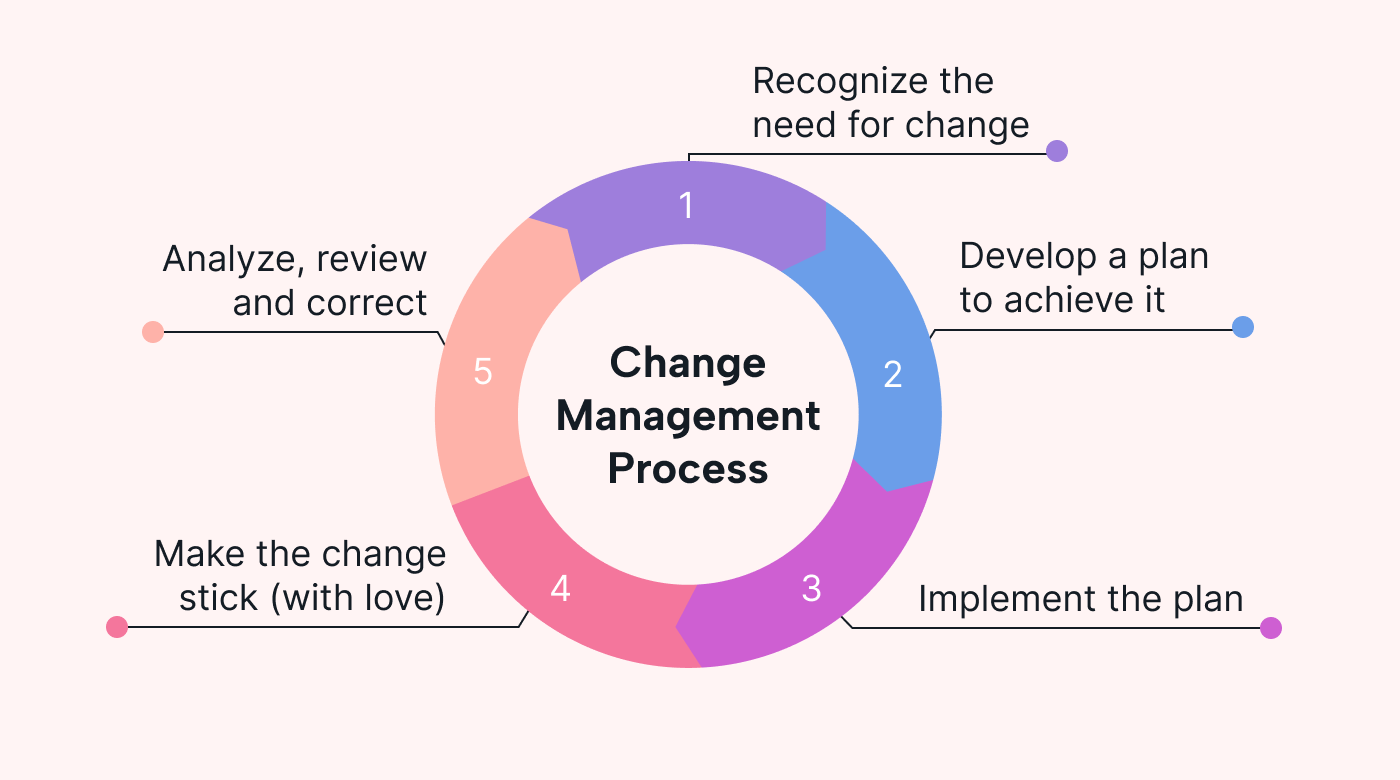
  1. Clear Vision and Leadership: Leaders must articulate why change is necessary and how it aligns with organizational goals.
  2. Stakeholder Engagement: Physicians, nurses, administrators, and patients should be involved early to foster buy-in.
  3. Communication: Transparent, consistent messaging reduces uncertainty and builds trust.
  4. Training and Support: Staff must be equipped with the skills and resources to adapt to new systems or processes.
  5. Measurement and Feedback: Continuous evaluation ensures that changes achieve intended outcomes and allows for course correction.

⚙️ Models of Change Management

Healthcare organizations often rely on established frameworks:

  • Kotter’s 8-Step Model: Emphasizes urgency, coalition-building, and embedding change into culture.
  • Lewin’s Change Theory: Focuses on unfreezing current practices, implementing change, and refreezing new behaviors.
  • ADKAR Model: Highlights individual adoption through awareness, desire, knowledge, ability, and reinforcement.

These models provide structured pathways to manage complex transitions, such as implementing new clinical guidelines or adopting digital health platforms.

💡 Challenges in Healthcare Change

Despite best efforts, change in medical practice faces obstacles:

  • Resistance from Staff: Clinicians may fear loss of autonomy or increased workload.
  • Resource Constraints: Financial limitations can hinder technology adoption or training programs.
  • Cultural Barriers: Long-standing traditions in medical practice can slow acceptance of new methods.
  • Patient Impact: Poorly managed change may disrupt continuity of care or erode trust.

Addressing these challenges requires empathy, flexibility, and strong leadership.

🌱 The Importance of Adaptability

Healthcare is uniquely sensitive because it directly affects human lives. Effective change management ensures that transitions improve patient safety, enhance efficiency, and support staff well-being. By fostering a culture of adaptability, medical practices can respond to crises—such as pandemics—while continuing to deliver high-quality care.

✅ Conclusion

Change management in healthcare is not merely about implementing new systems; it is about guiding people through transformation. When leaders communicate clearly, engage stakeholders, and provide support, change becomes an opportunity rather than a threat. In a field where innovation and patient-centered care are paramount, mastering change management is essential for sustainable success.

COMMENTS APPRECIATED

EDUCATION: Books

SPEAKING: Dr. Marcinko will be speaking and lecturing, signing and opining, teaching and preaching, storming and performing at many locations throughout the USA this year! His tour of witty and serious pontifications may be scheduled on a planned or ad-hoc basis; for public or private meetings and gatherings; formally, informally, or over lunch or dinner. All medical societies, financial advisory firms or Broker-Dealers are encouraged to submit an RFP for speaking engagements: CONTACT: Ann Miller RN MHA at MarcinkoAdvisors@outlook.com 

Like, Refer and Subscribe

***

***