







 Support our online development, and advance our onground research initiatives in free market economics, as we seek to showcase the brightest Next-Gen minds.
THE ME-P DISCLAIMER: Posts, comments and opinions do not necessarily represent iMBA, Inc., but become our property after submission. Copyright © 2006 to-date. iMBA, Inc allows colleges, universities, medical and financial professionals and related clinics, hospitals and non-profit healthcare organizations to distribute our proprietary essays, photos, videos, audios and other documents; etc. However, please review copyright and usage information for each individual asset before submission to us, and/or placement on your publication or web site. Attestation references, citations and/or back-links are required. All other assets are property of the individual copyright holder.
Support our online development, and advance our onground research initiatives in free market economics, as we seek to showcase the brightest Next-Gen minds.
THE ME-P DISCLAIMER: Posts, comments and opinions do not necessarily represent iMBA, Inc., but become our property after submission. Copyright © 2006 to-date. iMBA, Inc allows colleges, universities, medical and financial professionals and related clinics, hospitals and non-profit healthcare organizations to distribute our proprietary essays, photos, videos, audios and other documents; etc. However, please review copyright and usage information for each individual asset before submission to us, and/or placement on your publication or web site. Attestation references, citations and/or back-links are required. All other assets are property of the individual copyright holder.


By Dr. David Edward Marcinko MBA MEd
***
***
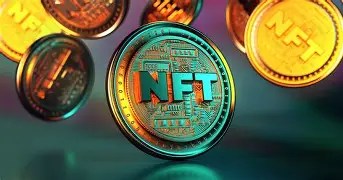
NFTs, or Non-Fungible Tokens, are unique digital assets stored on a blockchain that represent ownership of a specific item or piece of content. Unlike cryptocurrencies like Bitcoin or Ethereum, which are fungible and interchangeable, NFTs are one-of-a-kind and cannot be exchanged on a one-to-one basis.
In recent years, Non-Fungible Tokens (NFTs) have emerged as a groundbreaking innovation in the digital world, revolutionizing how we perceive ownership, art, and value online. At their core, NFTs are cryptographic tokens that represent a unique digital item or asset. These tokens are stored on a blockchain—a decentralized digital ledger—which ensures that each NFT is verifiable, traceable, and immutable.
***
***
***
The term “non-fungible” means that each token is distinct and cannot be replaced with another token of equal value. This contrasts with fungible assets like dollars or cryptocurrencies, where each unit is identical and interchangeable. For example, one Bitcoin is always equal to another Bitcoin. However, each NFT has its own metadata, ownership history, and attributes, making it unique and often valuable.
NFTs can represent a wide range of digital content, including artwork, music, videos, virtual real estate, gaming items, and even tweets. Artists and creators have embraced NFTs as a new way to monetize their work, bypassing traditional gatekeepers like galleries and record labels. By minting their creations as NFTs, they can sell them directly to collectors and fans, often earning royalties from future resales thanks to smart contracts embedded in the blockchain.
***
***
One of the most popular blockchains for NFTs is Ethereum, which supports smart contracts and has a robust ecosystem for digital assets. Platforms like OpenSea, Rarible, and Foundation have become marketplaces where users can buy, sell, and trade NFTs. These platforms often require users to have a digital wallet and use cryptocurrency to complete transactions.
The rise of NFTs has sparked debates about their environmental impact, speculative nature, and long-term value. Critics argue that the energy consumption of blockchain networks can be significant, especially those using proof-of-work mechanisms. Others worry that the NFT market is driven by hype and may not sustain its current levels of interest and investment. Nonetheless, proponents believe that NFTs offer a new paradigm for digital ownership and creativity, empowering artists and reshaping industries from gaming to fashion.
In conclusion, NFTs represent a fusion of technology, art, and commerce, offering a novel way to own and trade digital assets. As the technology matures and adoption grows, NFTs may become a standard part of our digital lives, influencing how we interact with content, creators, and each other in the virtual world.
COMMENTS APPRECIATED
SPEAKING: Dr. Marcinko will be speaking and lecturing, signing and opining, teaching and preaching, storming and performing at many locations throughout the USA this year! His tour of witty and serious pontifications may be scheduled on a planned or ad-hoc basis; for public or private meetings and gatherings; formally, informally, or over lunch or dinner. All medical societies, financial advisory firms or Broker-Dealers are encouraged to submit an RFP for speaking engagements: CONTACT: Ann Miller RN MHA at MarcinkoAdvisors@outlook.com
Like, Refer and Subscribe
***
***
Share this:

Filed under: "Ask-an-Advisor", Accounting, economics, Investing, Taxation | Tagged: Bitcoin, blockchain, crypto, cryptocurrency, david marcinko, digital asset, Etherium, foundation, metadata, NFT, NFTs, non-fungible tokens, OpenSea, Rarible | Leave a comment »


 The Leading Business Education Network for Doctors, Financial Advisors and Health Industry Consultants