







 Support our online development, and advance our onground research initiatives in free market economics, as we seek to showcase the brightest Next-Gen minds.
THE ME-P DISCLAIMER: Posts, comments and opinions do not necessarily represent iMBA, Inc., but become our property after submission. Copyright © 2006 to-date. iMBA, Inc allows colleges, universities, medical and financial professionals and related clinics, hospitals and non-profit healthcare organizations to distribute our proprietary essays, photos, videos, audios and other documents; etc. However, please review copyright and usage information for each individual asset before submission to us, and/or placement on your publication or web site. Attestation references, citations and/or back-links are required. All other assets are property of the individual copyright holder.
Support our online development, and advance our onground research initiatives in free market economics, as we seek to showcase the brightest Next-Gen minds.
THE ME-P DISCLAIMER: Posts, comments and opinions do not necessarily represent iMBA, Inc., but become our property after submission. Copyright © 2006 to-date. iMBA, Inc allows colleges, universities, medical and financial professionals and related clinics, hospitals and non-profit healthcare organizations to distribute our proprietary essays, photos, videos, audios and other documents; etc. However, please review copyright and usage information for each individual asset before submission to us, and/or placement on your publication or web site. Attestation references, citations and/or back-links are required. All other assets are property of the individual copyright holder.


By Dr. David Edward Marcinko MBA MEd
SPONSOR: http://www.MarcinkoAssociates.com
***
***
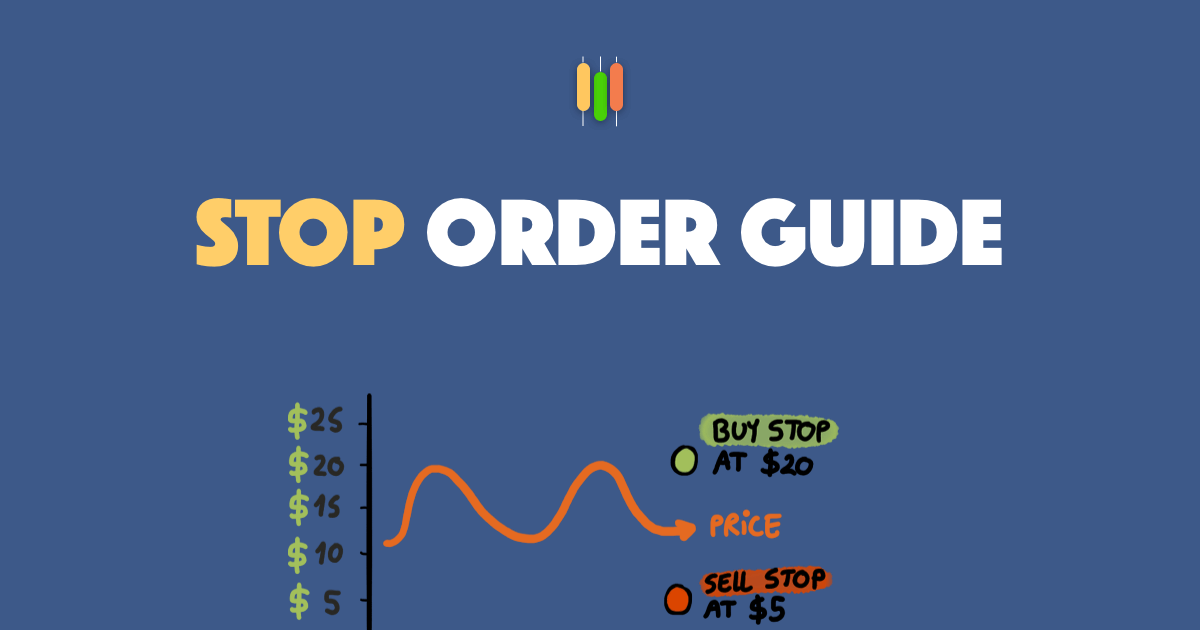
A Stop order, also known as a “stop-loss order,” a stop order is an order placed with a bank or brokerage firm to either buy or sell a security after it reaches a specified price. Once the price is reached, the stop order becomes a market order, meaning there is no guarantee that an order will be completely filled at the specified stop price.
MORE: https://medicalexecutivepost.com/2024/08/30/stock-orders-positions-doctors-should-know/
A Stop-limit order is order placed with a bank or brokerage firm to buy or sell a fixed amount of an investment after it reaches a specified or better price, combining the features of a stop order and a limit order.
MORE: https://medicalexecutivepost.com/2024/08/07/about-securities-order-and-position-types/
A stop-limit order requires investors to set two price points: the first initiates the stop (the order to buy or sell) and the second sets the limit, or price beyond which the investor would not like to buy or sell. The investor also sets a time frame for which the order is valid before being cancelled. If the investor’s price cannot be met during the specified time frame, the order will be cancelled.
CITE: https://www.r2library.com/Resource/Title/0826102549
COMMENTS APPRECIATED
Subscribe Today!
***
***
Share this:

Filed under: "Ask-an-Advisor", Experts Invited, Financial Planning, Funding Basics, Glossary Terms, iMBA, Inc., Investing, Marcinko Associates | Tagged: crypto, cryptocurrency, finance, iMBA, Investing, Marcinko, securities, stock market, stocks, stop limit order, stop loss order, stop order | Leave a comment »
 The Leading Business Education Network for Doctors, Financial Advisors and Health Industry Consultants