HEALTH CARE: Cyber Attack Costs

By Staff Reporters

***

***

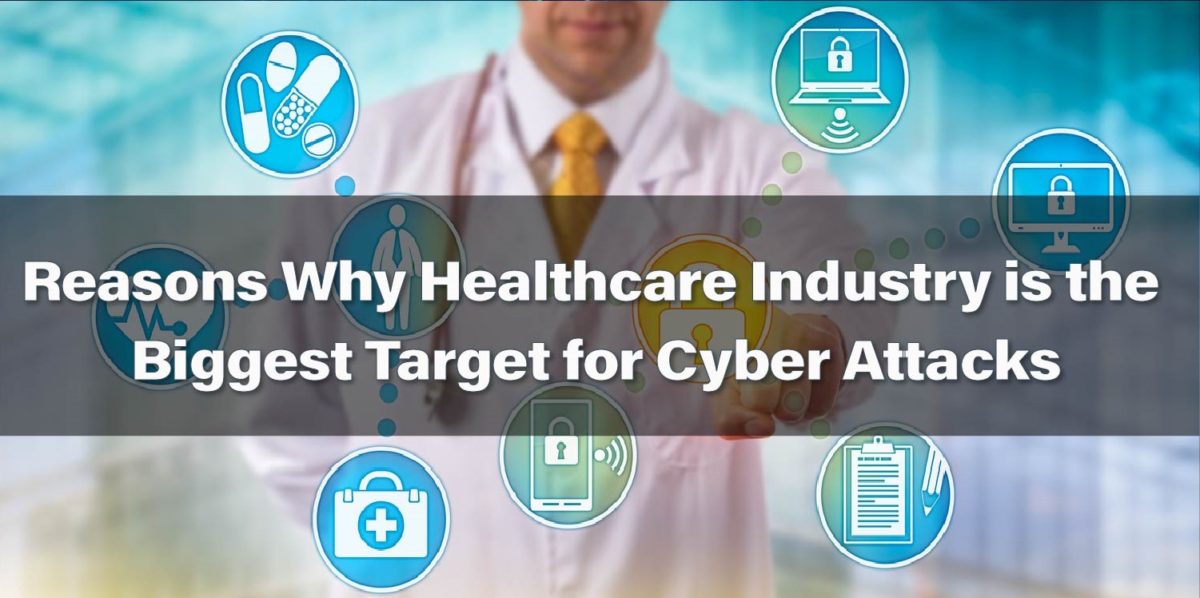
Cyberattacks are causing issues across all sorts of industries, from Microsoft to AT&T to Ascension. But it looks like the healthcare industry is getting hit the hardest—financially, at least.

The 2024 Cost of a Data Breach Report from IBM and think tank Ponemon Institute found that the global average cost of a data breach rose 10% between March 2023 and February 2024, reaching a total average cost of $4.88 million in that period. Costs for disruptions to business processes and post-breach customer support and remediation were the largest drivers behind the increase.

However, of the 17 industries studied, healthcare had the most expensive data breaches, with an average cost of $9.77 million during that same period. In fact, healthcare has held the No. 1 spot for costliest breaches since 2011, according to the study.

For comparison, the next highest average cost was in finance, at $6.08 million.

CITE: https://www.r2library.com/Resource

COMMENTS APPRECIATED

Thank You

***

***

More on Texting in Medicine and HIPAA

Join Our Mailing List

Clarifying the Confusion about HIPAA

Carol S. Miller

A Special ME-P Report

[By Carol S. Miller RN MBA PMP]

millerconsultgroup@gmail.com

© iMBA Inc. All rights reserved. USA.

Texting is Ubiquitous

Text Messing (or SMS) Messaging has become nearly ubiquitous on mobile devices. According to one survey, approximately 72 percent of mobile phone users send text messages. Clinical care is not immune from the trend, and in fact physicians appear to be embracing texting on par with the general population. Another survey found that 73 percent of physicians text other physicians about work.

(Source:  Journal of AHIMA, “HIPAA Compliance for Clinician Texting”, by Adam Green, April 2012)

Texting can offer providers numerous advantages for clinical care. It may be the fastest and most efficient means of sending information in a given situation, especially with factors such as background noise, spotty wireless network coverage, lack of access to a desktop or laptop, and a flood of e-mails clogging inboxes. Further, texting is device neutral—it will work on personal or provider-supplied devices of all shapes and sizes. Because of these advantages, physicians may utilize texting to communicate clinical information, whether authorized to do so or not.

Risk Levels

All forms of communication involve some level of risk. Text messaging merely represents a different set of risks that, like other communication technologies, needs to be managed appropriately to ensure both privacy and security of the information exchanged.

Text messages may reside on a mobile device indefinitely, where the information can be exposed to unauthorized third parties due to theft, loss, or recycling of the device. Text messages often can be accessed without any level of authentication, meaning that anyone who has access to the mobile phone may have access to all text messages on the device without the need to enter a password.

Texts also are generally not subject to central monitoring by the IT department. Although text messages communicated wirelessly are usually encrypted by the carrier, interception and decryption of such messages can be done with inexpensive equipment and freely available software (although a substantial level of sophistication is needed.  If text messages are used to make decisions about patient care, then they may be subject to the rights of access and amendment. There is a risk of noncompliance with the privacy rule if the covered entity cannot provide patients with access to or amend such text messages.

According to 2012 data from CTIA–The Wireless Association, U.S. citizens alone exchange nearly 200 billion text messages every month. So it’s not surprising that an increasing number of clinicians are using text messaging to exchange clinical information, along with a wide range of other modes — smartphones, pagers, computerized physician order entry, emails, etc. Electronic communication is certainly faster, can be more efficient, enhances clinical collaboration and enables clinicians to focus on patient care. But with these benefits comes an increased risk of security breaches.

(Source:  Clarifying the Confusion about HIPAA – Compliant Texting, by Megan Hardiman and Terry Edwards, May 2013)

***

cell

***

Hype over the Health Insurance Portability and Accountability Act

Unfortunately, vendor hype about the Health Insurance Portability and Accountability Act is causing many hospitals and health systems to implement stop-gap measures that address part — but not all — of a problem. To identify all vulnerabilities, health care leaders need to consider not only text messaging, but all mechanisms by which protected health information in electronic form is transmitted — as well as the security of those mechanisms.

Mobile device-to-mobile device SMS text messages are generally not secure because they lack encryption.  The sender does not know with certainty that his or her message is indeed received by the intended recipient.  In addition, telecommunications vendor/wireless carrier may store the text messages.  Recent HHS guidance indicates text messaging, as a means of communicating PHI, can be permissible under HIPAA depending in large part on the adequacy of the controls used.  A hospital or provider may be approved for texting after performing a risk analysis or implementing a third-party messaging solution that incorporates measures to establish a secure communication platform that will allow texting on approved mobile devices.

A study reported in Computer World in May 2013 by the Ponemon Institute with 577 healthcare and It professional in facilities that ranged from fewer than 100 beds to over 500 beds stated that fifty-one percent of the respondents felt HIPAA compliance requirements can be a barrier to providing effective patient care.  Specifically HIPAA reduces time available for patient care (85% of the respondents), makes access to electronic patient information difficult (79% of the respondents) and restricts the use of electronic mobile communications (56% of the respondents).

The study stated “respondents agreed that the deficient communications tools currently in use decrease productivity and limit the time doctors have to spend with patients. “ They also stated “they recognized the value of implementing smartphones, text messaging and other modern forms of communications, but cited overly restrictive security policies as a primary reason why these technologies were not used.”  Clinicians in the survey stated that only 45% of each workday is spent with patients; the remaining 55% is spent communicating and collaborating with other clinicians and using the electronic medical record and other clinical IT systems.

Several other statements:

  • Because of the need for security, hospitals and other healthcare organizations continue to use older, outdate technology such as pagers, email and facsimile machines. The use of older technology can also delay patient discharges – now taking an average of 102 minutes.
  • The Ponemon Institute estimated that the lengthy discharge process costs the U.S. hospital industry more than $3.189 billion a year in lost revenue, with another $5 billion lost through decrease doctor productivity and use of outdated technology. Secure text messaging could cut discharge time by 50 minutes.

(Source:  Computer World, “HIPAA rules, outdate tech cost U.S. hospitals $3.38 B a year”, by Lucas Mearian, May, 2013)

***

Mobile-Security

***

Suggestions

Several suggestions offered for these preferred mobile devises are:  1) ensure encryption and access to individuals who need to have access; 2) use secure texting applications; and 3) even consider alerting employees with warnings before they send an email or share files that lets them know they are liable for the information sent. 

More:

About 

Ms. Carol S. Miller has an extensive healthcare background in operations, business development and capture in both the public and private sector. Over the last 10 years she has provided management support to projects in the Department of Health and Human Services, Veterans Affairs, and Department of Defense medical programs. In most recent years, Carol has served as Vice President and Senior Account Executive for NCI Information Systems, Inc., Assistant Vice President at SAIC, and Program Manager at MITRE. She has led the successful capture of large IDIQ/GWAC programs, managed the operations of multiple government contracts, interacted with many government key executives, and increased the new account portfolios for each firm she supported. She earned her MBA from Marymount University; BS in Business from Saint Joseph’s College, and BS in Nursing from the University of Pittsburgh. She is a Certified PMI Project Management Professional (PMP) (PMI PMP) and a Certified HIPAA Professional (CHP), with Top Secret Security clearance issued by the DoD in 2006. Ms. Miller is also a HIMSS Fellow.

Conclusion

Your thoughts and comments on this ME-P are appreciated. Feel free to review our top-left column, and top-right sidebar materials, links, URLs and related websites, too. Then, subscribe to the ME-P. It is fast, free and secure.

Speaker: If you need a moderator or speaker for an upcoming event, Dr. David E. Marcinko; MBA – Publisher-in-Chief of the Medical Executive-Post – is available for seminar or speaking engagements. Contact: MarcinkoAdvisors@msn.com

OUR OTHER PRINT BOOKS AND RELATED INFORMATION SOURCES:

[PHYSICIAN FOCUSED FINANCIAL PLANNING AND RISK MANAGEMENT COMPANION TEXTBOOK SET]

  Risk Management, Liability Insurance, and Asset Protection Strategies for Doctors and Advisors: Best Practices from Leading Consultants and Certified Medical Planners™  Comprehensive Financial Planning Strategies for Doctors and Advisors: Best Practices from Leading Consultants and Certified Medical Planners™

***

On Physicians Texting [SMS]

Join Our Mailing List 

Some Technical Considerations

By Carol Miller BSN RN MBA PMP [Miller Consulting]

Carol S. Miller

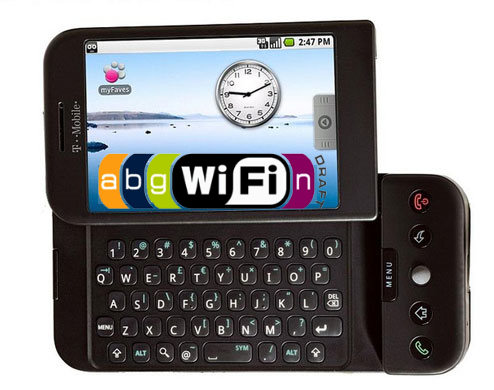
Text (SMS = Short Message Service) Messaging has become nearly ubiquitous on mobile devices. According to one survey, approximately 72 percent of mobile phone users send text messages (TMs).

Clinical medical care is not immune from the trend, and in fact physicians appear to be embracing texting on par with the general population. Another survey found that 73 percent of physicians text other physicians about work.

(Source:  Journal of AHIMA, “HIPAA Compliance for Clinician Texting”, by Adam Green, April 2012)

Advantages

Texting can offer providers numerous advantages for clinical care. It may be the fastest and most efficient means of sending information in a given situation, especially with factors such as background noise, spotty wireless network coverage, lack of access to a desktop or laptop, and a flood of e-mails clogging inboxes.

Further, texting is device neutral—it will work on personal or provider-supplied devices of all shapes and sizes. Because of these advantages, physicians may utilize texting to communicate clinical information, whether authorized to do so or not.

Risks

All forms of communication involve some level of risk. Text messaging merely represents a different set of risks that, like other communication technologies, needs to be managed appropriately to ensure both privacy and security of the information exchanged.

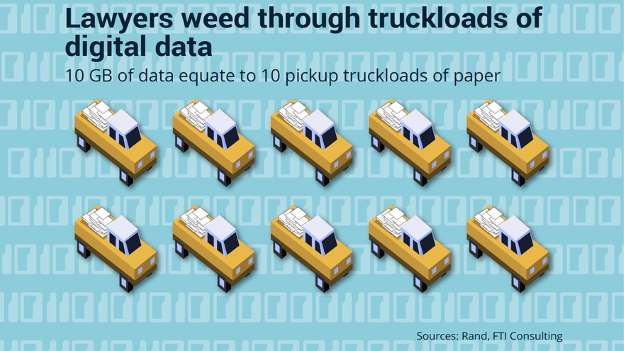
Text messages, like all digital data,  may reside on a mobile device indefinitely, where the information can be exposed to unauthorized third parties due to theft, loss, or recycling of the device. Text messages often can be accessed without any level of authentication, meaning that anyone who has access to the mobile phone may have access to all text messages on the device without the need to enter a password.

***
AA9tsnE

***

Texts also are generally not subject to central monitoring by the IT department. Although text messages communicated wirelessly are usually encrypted by the carrier, interception and decryption of such messages can be done with inexpensive equipment and freely available software (although a substantial level of sophistication is needed.

If text messages are used to make decisions about patient care, then they may be subject to the rights of access and amendment. There is a risk of noncompliance with the privacy rule if the covered entity cannot provide patients with access to or amend such text messages.

The Wireless Association

According to 2012 data from CTIA–The Wireless Association, U.S. citizens alone exchange nearly 200 billion text messages every month. So it’s not surprising that an increasing number of clinicians are using text messaging to exchange clinical information, along with a wide range of other modes — smartphones, pagers, computerized physician order entry, emails, etc. Electronic communication is certainly faster, can be more efficient, enhances clinical collaboration and enables clinicians to focus on patient care. But with these benefits comes an increased risk of security breaches.

(Source:  Clarifying the Confusion about HIPAA – Compliant Texting, by Megan Hardiman and Terry Edwards, May 2013)

Unfortunately, vendor hype about the Health Insurance Portability and Accountability Act [HIPAA] is causing many hospitals and health systems to implement stop-gap measures that address part — but not all — of a problem. To identify all vulnerabilities, health care leaders need to consider not only text messaging, but all mechanisms by which protected health information in electronic form is transmitted — as well as the security of those mechanisms.

Mobile device-to-mobile device SMS text messages are generally not secure because they lack encryption.  The sender does not know with certainty that his or her message is indeed received by the intended recipient.  In addition, telecommunications vendor/wireless carrier may store the text messages.

Recent HHS guidance indicates text messaging, as a means of communicating PHI, can be permissible under HIPAA depending in large part on the adequacy of the controls used.  A hospital or provider may be approved for texting after performing a risk analysis or implementing a third-party messaging solution that incorporates measures to establish a secure communication platform that will allow texting on approved mobile devices.

***
AA9tvIj

***

The Ponemon Institute

A study reported in Computer World in May 2013 by the Ponemon Institute with 577 healthcare and It professional in facilities that ranged from fewer than 100 beds to over 500 beds stated that fifty-one percent of the respondents felt HIPAA compliance requirements can be a barrier to providing effective patient care.

Specifically HIPAA reduces time available for patient care (85% of the respondents), makes access to electronic patient information difficult (79% of the respondents) and restricts the use of electronic mobile communications (56% of the respondents).

The study stated “respondents agreed that the deficient communications tools currently in use decrease productivity and limit the time doctors have to spend with patients. “ They also stated “they recognized the value of implementing smartphones, text messaging and other modern forms of communications, but cited overly restrictive security policies as a primary reason why these technologies were not used.”

Clinicians in the survey stated that only 45% of each workday is spent with patients; the remaining 55% is spent communicating and collaborating with other clinicians and using the electronic medical record and other clinical IT systems.

Several other statements made were:

  • Because of the need for security, hospitals and other healthcare organizations continue to use older, outdate technology such as pagers, email and facsimile machines. The use of older technology can also delay patient discharges – now taking an average of 102 minutes.
  • The Ponemon Institute estimated that the lengthy discharge process costs the U.S. hospital industry more than $3.189 billion a year in lost revenue, with another $5 billion lost through decrease doctor productivity and use of outdated technology. Secure text messaging could cut discharge time by 50 minutes.

(Source:  Computer World, “HIPAA rules, outdate tech cost U.S. hospitals $3.38 B a year”, by Lucas Mearian, May, 2013)

***
smart phone mobile ME-P

***

Assessment

Several suggestions offered for these preferred mobile devises are:  1) ensure encryption and access to individuals who need to have access; 2) use secure texting applications; and 3) even consider alerting employees with warnings before they send an email or share files that lets them know they are liable for the information sent

Channel Surfing the ME-P

Have you visited our other topic channels? Established to facilitate idea exchange and link our community together, the value of these topics is dependent upon your input. Please take a minute to visit. And, to prevent that annoying spam, we ask that you register. It is fast, free and secure.

ABOUT CAROL MILLER; BSN, MBA, PMP millerconsultgroup@gmail.com ACT IAC Executive Committee Vice Chairwoman at-Large HIMSS NCA Board Member [President – Miller Consulting Group] Phone: 703-407-4704 and Fax: 703-790-3257

Ms. Carol S. Miller has an extensive healthcare background in operations, business development and capture in both the public and private sector. Over the last 10 years she has provided management support to projects in the Department of Health and Human Services, Veterans Affairs, and Department of Defense medical programs. In most recent years, Carol has served as Vice President and Senior Account Executive for NCI Information Systems, Inc., Assistant Vice President at SAIC, and Program Manager at MITRE. She has led the successful capture of large IDIQ/GWAC programs, managed the operations of multiple government contracts, interacted with many government key executives, and increased the new account portfolios for each firm she supported. She earned her MBA from Marymount University; BS in Business from Saint Joseph’s College, and BS in Nursing from the University of Pittsburgh. She is a Certified PMI Project Management Professional (PMP) (PMI PMP) and a Certified HIPAA Professional (CHP), with Top Secret Security clearance issued by the DoD in 2006. Ms. Miller is also a HIMSS Fellow.

Conclusion

How does this relate to emails? Your thoughts and comments on this ME-P are appreciated. Feel free to review our top-left column, and top-right sidebar materials, links, URLs and related websites, too. Then, subscribe to the ME-P. It is fast, free and secure.

Speaker: If you need a moderator or speaker for an upcoming event, Dr. David E. Marcinko; MBA – Publisher-in-Chief of the Medical Executive-Post – is available for seminar or speaking engagements. Contact: MarcinkoAdvisors@msn.com

OUR OTHER PRINT BOOKS AND RELATED INFORMATION SOURCES:

Product DetailsProduct Details

On e-Claim Only Dental Plans

About their Hidden Costs – I’m Talking PHI Breaches

By D. Kellus Pruitt DDS

If the rumor is true about Bluebell Ice Cream’s “e-claim-only” dental benefit plan that is to go into effect in March, how many in the east-central Texas town of Brenham (pop. 16,000) will be properly warned about the danger to themselves, their families and Bluebell officials’ reputations because of reckless policy?

Transmissions Risks

Each time their dentists send an electronic dental claim (e-claim) over the internet to insurance employees in Chicago as a favor to a patient – and especially the insurer – the Bluebell employee’s digital medical identity which is worth fifty bucks on the black market, rides along to destinations unknown. It’s my guess that very few Bluebell employees are yet aware of the increasing risk of medical identity theft from dentists’ e-claims – much less given the opportunity to opt out of the risk by simply visiting a dentist who still uses the telephone, fax and US Mail.

Security Risks Growing

It certainly won’t improve my popularity with 9 out of 10 dentists for saying this, but risks of identity theft from HIPAA-covered dental offices are climbing daily. In the introduction to a recent interview with Larry Ponemon, chairman and founder of the Ponemon Institute, GovernmentIT.com editor Tom Sullivan ominously described the ever-increasing risk of a massive “data spill” of perhaps millions of patients’ protected health information (PHI):

 “The street value of health information is 50 times greater than that of other data types. Even worse, the healthcare industry is among the weakest at protecting such information. With organized criminals trying to steal medical IDs, sloppy mistakes becoming more commonplace, mobile devices serving as single sign-on gateways to records and even bioterrorism now a factor, healthcare is ripe for some a wake-up call – one that just might come in the form a damaging ‘data spill.’” (See: “Q&A: How a health ‘data spill’ could be more damaging than what BP did to the Gulf.”

Tom Sullivan – Editor [December 05, 2011]

http://govhealthit.com/news/qa-how-health-data-spill-could-be-worse-what-bp-did-gulf?page=0,0

According to Dr. Ponemon:

“The basic issue, when you think about data theft not data loss – because it’s hard to know whether that lost data ultimately ends up in the hands of the cybercriminal and all of these bad things occur – but in the case of identity theft, the end goal has been historically to steal a person’s identity, and just like getting a financial record, getting a health record probably has your credit card, debit card, and payment information contained in that record.”

Of Credit Cards … and More!

But that’s not all. Credit cards are just chump change. He continues:

“The financial records are actually lucrative for the bad guy, but the health record is actually much, much more valuable item because it not only gives you the financial information but it also contains the health credential, and it’s very hard to detect a medical identity theft. What we’ve found in our studies is that medical identity theft is likely to be on the rise and, of course, there’s an awareness within the healthcare organizations that participate in our study that they’re starting to see this as more of a medical identity theft crime. It’s not just about stealing credit cards and buying goodies, it’s about stealing who you are, possibly getting medical treatment and, therefore, messing up your medical record.”

Dr. Ponemon suggests that the victim may not know about the theft until he or she “stumbles on something that alerts them their medical identity was stolen.” Perhaps something like death following anaphylactic shock from a medication that was once digitally highlighted as “Allergic to.” Understandably, Ponemon adds that respondents recognized altered medical histories as an emerging threat they believed was affecting the patients in their organizations. Such danger for dental patients is almost non-existent if their dentists simply don’t put PHI on office computers.

Should a data breach of Bluebell Ice Cream employees’ identities occur in Brenham or Chicago, which is more likely than not, the fact that electronic dental records do nothing to improve the quality of dental care won’t make Brenham citizens any happier with local Bluebell officials. 

Conclusion       

And so, your thoughts and comments on this ME-P are appreciated. Please review our top-left column, and top-right sidebar materials, links, URLs and related websites, too. Then, subscribe to the ME-P. It is fast, free and secure.

Link: http://feeds.feedburner.com/HealthcareFinancialsthePostForcxos

Speaker: If you need a moderator or speaker for an upcoming event, Dr. David E. Marcinko; MBA – Publisher-in-Chief of the Medical Executive-Post – is available for seminar or speaking engagements. Contact: MarcinkoAdvisors@msn.com

Our Other Print Books and Related Information Sources:

Health Dictionary Series: http://www.springerpub.com/Search/marcinko

Practice Management: http://www.springerpub.com/product/9780826105752

Physician Financial Planning: http://www.jbpub.com/catalog/0763745790

Medical Risk Management: http://www.jbpub.com/catalog/9780763733421

Healthcare Organizations: www.HealthcareFinancials.com

Physician Advisors: www.CertifiedMedicalPlanner.com

Subscribe Now: Did you like this Medical Executive-Post, or find it helpful, interesting and informative? Want to get the latest ME-Ps delivered to your email box each morning? Just subscribe using the link below. You can unsubscribe at any time. Security is assured.

Link: http://feeds.feedburner.com/HealthcareFinancialsthePostForcxos

Sponsors Welcomed: And, credible sponsors and like-minded advertisers are always welcomed.

Link: https://healthcarefinancials.wordpress.com/2007/11/11/advertise


Product Details

On [H]IT Security

Reviewing the Tools of Prevention

By www.SEO.com

Join Our Mailing List

There are a number of tools to fight negligence, including education, executing best practices and vigilance. More challenging is increasing [health] data protection [PHI] amid the surge in malicious attacks coming from inside and outside the organization.

Assessment

What’s encouraging? The Ponemon Institute says more companies are being proactive about data protection.

The infographic above, produced by SEO.com for Dell, gives a bit more context for the threat environment.

Conclusion

Your thoughts and comments on this ME-P are appreciated. Feel free to review our top-left column, and top-right sidebar materials, links, URLs and related websites, too. Then, subscribe to the ME-P. It is fast, free and secure.

Speaker: If you need a moderator or speaker for an upcoming event, Dr. David E. Marcinko; MBA – Publisher-in-Chief of the Medical Executive-Post – is available for seminar or speaking engagements. Contact: MarcinkoAdvisors@msn.com

OUR OTHER PRINT BOOKS AND RELATED INFORMATION SOURCES:

   Product Details 

How Expensive are Healthcare Data Breaches?

Join Our Mailing List

Estimating Financial Damage Often Difficult 

By D. Kellus Pruitt DDS

Dom Nicastro just posted an article on HealthLeaders Media titled “HITRUST: HIPAA Breaches Near $1 Billion.”

http://www.healthleadersmedia.com/content/TEC-255015/HITRUST-HIPAA-Breaches-Near-1-Billion##

“Covered entities and business associates reporting breaches of unsecured personal health information (PHI) affecting 500 or more individuals to the Office for Civil Rights (OCR) together could spend nearly $1 billion because of those breaches.”  Nicastro continues:

“HITRUST used the 2009 Ponemon Institute study that found the average cost for a compromised record to be approximately $144 in indirect costs and $60 of direct costs, for a total cost of $204.”

Fort Worth Star-Telegram

Just days ago, Jan Jarvis described a data breach in the Fort Worth Star-Telegram titled “Fort Worth medical clinic spends $15,000 notifying patients of theft.”

http://www.star-telegram.com/2010/08/06/2389717/fort-worth-medical-clinic-spends.html#ixzz0wIaU5AQa

Jarvis writes,

“In June, employees at a Fort Worth allergy clinic discovered that the office door had been kicked in and four computers containing patients’ personal information including Social Security numbers and birth dates had been stolen.”

Jarvis reports that 25,000 records were involved, and it only cost $15,000 to notify them. That’s only 60 cents per record instead of 60 dollars each as estimated by the Ponemon Institute. Instead of it costing the clinic $1.5 million for direct costs, it only cost them $15,000. That’s a savings of 99%.

Assessment

So what’s the deal? Is the Ponemon Institute that far off in their estimates?

Conclusion

Your thoughts and comments on this ME-P are appreciated. Feel free to review our top-left column, and top-right sidebar materials, links, URLs and related websites, too. Then, subscribe to the ME-P. It is fast, free and secure.

Link: http://feeds.feedburner.com/HealthcareFinancialsthePostForcxos

Speaker: If you need a moderator or speaker for an upcoming event, Dr. David E. Marcinko; MBA – Publisher-in-Chief of the Medical Executive-Post – is available for seminar or speaking engagements. Contact: MarcinkoAdvisors@msn.com

OUR OTHER PRINT BOOKS AND RELATED INFORMATION SOURCES:

DICTIONARIES: http://www.springerpub.com/Search/marcinko
PHYSICIANS: www.MedicalBusinessAdvisors.com
PRACTICES: www.BusinessofMedicalPractice.com
HOSPITALS: http://www.crcpress.com/product/isbn/9781466558731
CLINICS: http://www.crcpress.com/product/isbn/9781439879900
BLOG: www.MedicalExecutivePost.com
FINANCE: Financial Planning for Physicians and Advisors
INSURANCE: Risk Management and Insurance Strategies for Physicians and Advisors

Product Details

Don’t Hide a Security Breach if You Can’t Do the Time

Join Our Mailing List

When Will Costs Outweigh Health Information Technololgy?

[By Darrell K. Pruitt; DDS]pruitt

At what point will security data breaches become so costly that dentists will abandon computerization and return to pegboards and ledger cards?

Senate Judiciary Committee

A week ago, the Senate Judiciary Committee approved two separate bills which would mandate that dentists who store digital PHI notify patients if their data is breached. Of course, that would be the ethical thing to do anyway, wouldn’t it?

Senate Bill 139, also known as the Data Breach Notification Act, was introduced by Dianne Feinstein of California and is similar to existing state notification bills – including California’s own landmark Bill 1386 which set the standard 7 years ago.

Two Hundred Ten Dollars Cost – Per Record – for Notification

Considering that in October, the Ponemon Institute reported that it costs an estimated $210 per record to notify patients of a breach, there are a lot of angry lawmakers who are missing the point. Mandated fines for a breach are meaningless. Simply notifying thousands of patients of a breach will bankrupt any dental practice, even if it is an insurance company employee who loses a laptop computer containing a dentists’ patients’ personal data – like a BCBS employee did recently with over 800,000 physicians’ personal information.

Personal Data Privacy and Security Act 

Even now, a dentist whose practice is a victim of a breach, whether it is from stolen computer, hacker or dishonest employee, might take a quick look at the notification path to certain bankruptcy and gamble that patients’ data won’t be used before hiding the incident. That is why Senator Patrick Leahy of Vermont has sponsored the other breach bill which reflects the prevailing attitude of frustrated constituents throughout the nation. It is known as the Personal Data Privacy and Security Act.

Leahy is more concerned with punishment than with breaches themselves. In addition to a fine, he would establish a jail term of up to five years for failing to disclose a breach when required.

http://frwebgate.access.gpo.gov/cgi-bin/getdoc.cgi?dbname=111_cong_bills&docid=f:s1490is.txt.pdf

§ 1041. Concealment of security breaches involving sensitive personally identifiable information 

‘‘Whoever, having knowledge of a security breach and of the obligation to provide notice of such breach to individuals under title III of the Personal Data Privacy and Security Act of 2009, and having not otherwise qualified for an exemption from providing notice under section 312 of such Act, intentionally and willfully conceals the fact of such security breach and which breach causes economic damage to 1 or more persons, shall be fined under this title or imprisoned not more than 5 years, or both.” 

If dentists want to continue to use computers in their practices, Leahy would have them put serious skin into the game. The bill was read twice and referred to the Committee on the Judiciary.

On the ADA Advocacy page, dental leaders still maintain that electronic dental records will lower the cost of dentistry. And as recently as last month, the ADA House of Delegates again publicly endorsed the adoption of eDRs, yet still neglect to adequately warn ADA members of their dangers, now including possible imprisonment.

Assessment

ADA President Dr. Ron Tankersley is already irrelevant.

Conclusion

Your thoughts and comments on this ME-P are appreciated. Feel free to review our top-left column, and top-right sidebar materials, links, URLs and related websites, too. Then, subscribe to the ME-P. It is fast, free and secure.

Speaker: If you need a moderator or speaker for an upcoming event, Dr. David E. Marcinko; MBA – Publisher-in-Chief of the Medical Executive-Post – is available for seminar or speaking engagements. Contact: MarcinkoAdvisors@msn.com

OUR OTHER PRINT BOOKS AND RELATED INFORMATION SOURCES:


Product DetailsProduct Details