







 Support our online development, and advance our onground research initiatives in free market economics, as we seek to showcase the brightest Next-Gen minds.
THE ME-P DISCLAIMER: Posts, comments and opinions do not necessarily represent iMBA, Inc., but become our property after submission. Copyright © 2006 to-date. iMBA, Inc allows colleges, universities, medical and financial professionals and related clinics, hospitals and non-profit healthcare organizations to distribute our proprietary essays, photos, videos, audios and other documents; etc. However, please review copyright and usage information for each individual asset before submission to us, and/or placement on your publication or web site. Attestation references, citations and/or back-links are required. All other assets are property of the individual copyright holder.
Support our online development, and advance our onground research initiatives in free market economics, as we seek to showcase the brightest Next-Gen minds.
THE ME-P DISCLAIMER: Posts, comments and opinions do not necessarily represent iMBA, Inc., but become our property after submission. Copyright © 2006 to-date. iMBA, Inc allows colleges, universities, medical and financial professionals and related clinics, hospitals and non-profit healthcare organizations to distribute our proprietary essays, photos, videos, audios and other documents; etc. However, please review copyright and usage information for each individual asset before submission to us, and/or placement on your publication or web site. Attestation references, citations and/or back-links are required. All other assets are property of the individual copyright holder.


By A.I. and Staff Reporters
SPONSOR: http://www.CertifiedMedicalPlanner.org
***
***
ACUTE CARE MEDICINE
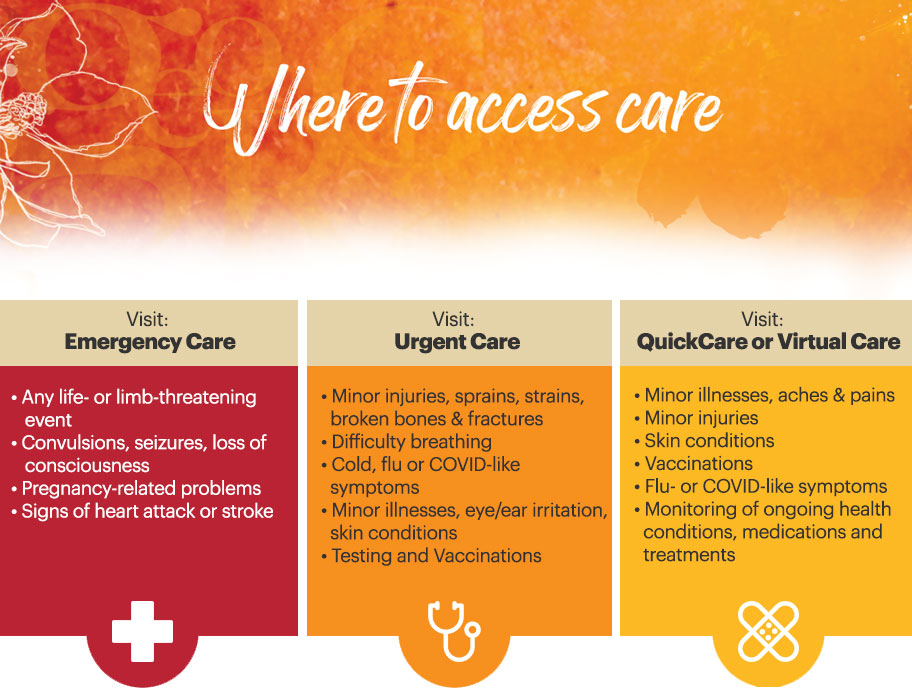
Classic: Acute care is a branch of secondary health care where a patient receives active but short-term treatment for a severe injury or episode of illness, an urgent medical condition, or during recovery from surgery. In medical terms, care for acute health conditions is the opposite from chronic care, or longer term care.
Modern: Acute care is active, short-term treatment for a severe injury or episode related to illness, an urgent medical condition or recovery from surgery.
HOSPITAL: https://medicalexecutivepost.com/2008/12/08/the-acute-care-inpatient-hospital/
***
***
Examples: The following are considered acute care facilities:
- Hospital (General Acute Care as well as Psychiatric, Specialized and Rehabilitation Hospitals; and Long Term Acute Care or LTAC)
- Ambulatory Care Facility.
- Home Health Agency.
- End Stage Renal Disease Facility (dialysis center)
- Hospice.
EMERGENT CARE: https://medicalexecutivepost.com/2025/05/03/medicine-emergent-care/
COMMENTS APPRECIATED
Like, Refer and Subscribe
***
***
Share this:

Filed under: Ask a Doctor, CMP Program, Glossary Terms, Health Insurance, Managed Care | Tagged: acute care medicine, acute care medicine ER, ambulatory care, ASC, CMP, DO, ED, ER, ESRD, Health Insurance, healthcare, hospice, illness, LTAC, medicine, sickness, surgery | Leave a comment »




 The Leading Business Education Network for Doctors, Financial Advisors and Health Industry Consultants