Support our online development, and advance our onground research initiatives in free market economics, as we seek to showcase the brightest Next-Gen minds.
THE ME-P DISCLAIMER: Posts, comments and opinions do not necessarily represent iMBA, Inc., but become our property after submission. Copyright © 2006 to-date. iMBA, Inc allows colleges, universities, medical and financial professionals and related clinics, hospitals and non-profit healthcare organizations to distribute our proprietary essays, photos, videos, audios and other documents; etc. However, please review copyright and usage information for each individual asset before submission to us, and/or placement on your publication or web site. Attestation references, citations and/or back-links are required. All other assets are property of the individual copyright holder.
Support our online development, and advance our onground research initiatives in free market economics, as we seek to showcase the brightest Next-Gen minds.
THE ME-P DISCLAIMER: Posts, comments and opinions do not necessarily represent iMBA, Inc., but become our property after submission. Copyright © 2006 to-date. iMBA, Inc allows colleges, universities, medical and financial professionals and related clinics, hospitals and non-profit healthcare organizations to distribute our proprietary essays, photos, videos, audios and other documents; etc. However, please review copyright and usage information for each individual asset before submission to us, and/or placement on your publication or web site. Attestation references, citations and/or back-links are required. All other assets are property of the individual copyright holder.


Advancing Medical Practice Success with Strategic Relationships
By Staff Reporters
To be efficient in healthcare delivery today, doctors must partner and understand the resources and affiliations that are available to them. Here is a brief list of several healthcare trade associations and leading industry vendors submitted for your review.
AHIMA
The American Health Information Management Association (AHIMA) is the premier association of health information management professionals. AHIMA’s 51,000 members are dedicated to the effective management of personal health information needed to deliver quality healthcare to the public. Founded in 1928 to improve the quality of medical records, AHIMA is committed to advancing the health information management profession in an increasingly electronic and global environment through leadership in advocacy, education, certification, and lifelong learning.
EHRA
HIMSS EHRA is a trade association of Electronic Health Record (EHR) vendors that addresses national efforts to create interoperable EHRs in hospital and ambulatory care settings. HIMSS EHRA operates on the premise that the rapid, widespread adoption of EHRs will help improve the quality of patient care and the productivity of the healthcare system. The primary mission of the association is to provide a forum for the EHR vendor community relative to standards development, the EHR certification process, interoperability, performance and quality measures, and other EHR issues that may become the subject of increasing government, insurance and physician association initiatives and requests.
HIMSS
HIMSS (Healthcare Information and Management Systems Society) is the healthcare industry’s membership organization exclusively focused on providing leadership for the optimal use of healthcare information technology and management systems for the betterment of human health. Founded in 1961 with offices in Chicago, Washington D.C., and other locations across the country, HIMSS represents approximately 17,000 individual members and some 275 member corporations that employ more than 1 million people. HIMSS frames and leads healthcare public policy and industry practices through its advocacy, educational and professional development initiatives designed to promote information and management systems’ contributions to ensuring quality patient care.
HITSP
The Healthcare Information Technology Standards Panel serves as a cooperative partnership between the public and private sectors for achieving a widely accepted and useful set of standards specifically to enable and support widespread interoperability among healthcare software applications, as they will interact in a local, regional, and national health information network for the United States. Comprised of a wide range of stakeholders, the Panel will assist in the development of the U.S. Nationwide Health Information Network (NHIN) by addressing issues such as privacy and security within a shared healthcare information system. The Panel is sponsored by the American National Standards Institute (ANSI) in cooperation with strategic partners such as the Healthcare Information and Management Systems Society (HIMSS), the Advanced Technology Institute (ATI), and Booz Allen Hamilton. Funding for the Panel is being provided via the ONCHIT contract award from the U.S. Department of Health and Human Services.
HL7
Health Level Seven is an American National Standards Institute (ANSI)-accredited Standards Developing Organization (SDO) operating in the healthcare clinical and administrative data arena. It is a not-for-profit volunteer organization made up of providers, vendors, payers, consultants, government groups, and others who develop clinical and administrative data standards for healthcare. Health Level Seven develops specifications; the most widely used being a messaging standard that enables disparate healthcare applications to exchange keys sets of clinical and administrative data.
MSHUG
Microsoft Healthcare Users Group (MS-HUG) unified with the Healthcare Information and Management Systems Society (HIMSS) as part of the HIMSS Users Group Alliance Program in October 2003. The unification strengthens the commitment of HIMSS and MS-HUG to better serve their members and the industry through a shared strategic vision to provide leadership and healthcare information technology solutions that improve the delivery of patient care.
WEDI
The Workgroup for Electronic Data Interchange [WEDI’s] goal is to improve the quality of healthcare through effective and efficient information exchange and management. They aim to provide leadership and guidance to the healthcare industry on how to use and leverage the industry’s collective knowledge, expertise, and information resources to improve the quality, affordability, and availability of healthcare.
Assessment
As the health information technology industry evolves, we will continue to contribute our expertise to foster ideas that shape the future of healthcare by offering more examples similar to the above.
Conclusion
And so, your thoughts and comments on this Medical Executive-Post are appreciated. Who did we miss? Feel free to review our top-left column, and top-right sidebar materials, links, URLs and related websites, too. Then, be sure to subscribe
Speaker: If you need a moderator or speaker for an upcoming event, Dr. David E. Marcinko; MBA – Publisher-in-Chief of the Medical Executive-Post – is available for seminar or speaking engagements. Contact: MarcinkoAdvisors@msn.com
OUR OTHER PRINT BOOKS AND RELATED INFORMATION SOURCES:
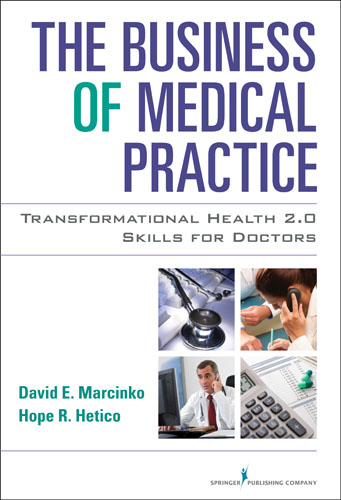
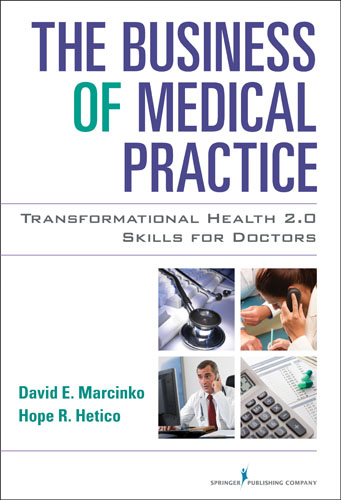
- PRACTICES: www.BusinessofMedicalPractice.com
- HOSPITALS: http://www.crcpress.com/product/isbn/9781466558731
- CLINICS: http://www.crcpress.com/product/isbn/9781439879900
- ADVISORS: www.CertifiedMedicalPlanner.org
- FINANCE: Financial Planning for Physicians and Advisors
- INSURANCE: Risk Management and Insurance Strategies for Physicians and Advisors
- Dictionary of Health Economics and Finance
- Dictionary of Health Information Technology and Security
- Dictionary of Health Insurance and Managed Care


Share this:

Filed under: Book Reviews, Glossary Terms, Information Technology | Tagged: Advanced Technology Institute, AHIMA, American Health Information Management Association, American National Standards Institute, ANSI, ARRA, ATI, Booz Allen Hamilton, CCHIT, david marcinko, DHHS, EHRA, EHRs, EMRs, health information technology, Health Level Seven, Healthcare Information and Management Systems Society, Healthcare Information Technology Standards Panel, HHS, HIMSS, HITECH, HITSP, HL7, IT, Microsoft Healthcare Users Group, MSHUG, Nationwide Health Information Network, NHIN, obama, ONCHIT, SDO, Standards Developing Organization, WEDI, Workgroup for Electronic Data Interchange, www.healthdictionaryseries.com | 4 Comments »





 The Leading Business Education Network for Doctors, Financial Advisors and Health Industry Consultants