







 Support our online development, and advance our onground research initiatives in free market economics, as we seek to showcase the brightest Next-Gen minds.
THE ME-P DISCLAIMER: Posts, comments and opinions do not necessarily represent iMBA, Inc., but become our property after submission. Copyright © 2006 to-date. iMBA, Inc allows colleges, universities, medical and financial professionals and related clinics, hospitals and non-profit healthcare organizations to distribute our proprietary essays, photos, videos, audios and other documents; etc. However, please review copyright and usage information for each individual asset before submission to us, and/or placement on your publication or web site. Attestation references, citations and/or back-links are required. All other assets are property of the individual copyright holder.
Support our online development, and advance our onground research initiatives in free market economics, as we seek to showcase the brightest Next-Gen minds.
THE ME-P DISCLAIMER: Posts, comments and opinions do not necessarily represent iMBA, Inc., but become our property after submission. Copyright © 2006 to-date. iMBA, Inc allows colleges, universities, medical and financial professionals and related clinics, hospitals and non-profit healthcare organizations to distribute our proprietary essays, photos, videos, audios and other documents; etc. However, please review copyright and usage information for each individual asset before submission to us, and/or placement on your publication or web site. Attestation references, citations and/or back-links are required. All other assets are property of the individual copyright holder.


Your Career as an Asset Class
By Rick Kahler MS CFP® http://www.KahlerFinancial.com
 Is your [medical] career part of your net worth? Should you include it as an asset class in a diversified investment portfolio? While we consider careers as essential aspects of financial and professional success, few of us think of or manage them as financial assets.
Emerging New Philosophy
Michael Haubrich, CFP®, of Financial Service Group, Inc., in Racine, Wisconsin, encourages clients to think of careers this way. Some of the following ideas come from his new book, Career Asset Management: Getting Ahead, Staying Ahead and Using Your Head to Maximize Your Career Value.
Career as Assset
If you consider your career an asset, then managing it means paying attention to the return you get from that asset. Here are a few things to consider in order in order to receive the most value from a career.
- Keep in mind that the most important return on investment from a career is not necessarily financial
The value of a career is much more than just the money you earn; it includes a host of less tangible but vital rewards like the satisfaction you get from your work and the fulfillment that comes from following your dreams and using the talents that make up your unique genius.
- Consciously set out to build a career rather than get a job
As with investing, this provides the most benefit when you start early. Settling long-term for “just a job” usually won’t provide as much value, in terms of both income and job satisfaction, as you will get from a meaningful career.
- If your career asset isn’t providing a good return, make changes
Just as you might sell an underperforming mutual fund, consider making changes to your career if you aren’t getting the earnings, fulfillment, or other value you want from it. You might look for a similar job with a different company, add skills and knowledge to help you move up, consider changing careers, or explore starting your own business.
One way to fund such changes is to budget for a reserve over and above the six months of living expenses that many financial advisors recommend. Mike calls this reserve an Asset Working Capital Fund. He suggests the amount to have in this fund depends on the “velocity” and “volatility” of your career asset—including how fast you’re likely to advance, the stability of your job and career field, and life changes like starting a family that will affect your income.
- Think of your career as a rental property
Mike recommends viewing your career as an asset that you own and rent to others for given periods of time. To get the highest “rent”—income and satisfaction—you need to keep that asset in top shape by keeping your skills and knowledge up to date, maintaining your passion for your work, and building a strong reputation and network of relationships within your profession.
- Make the most of your near-retirement years
Wanting to retire early because you’re dissatisfied with your work can be a sign that your career asset isn’t working for you. Yet staying employed for even a few more years can make a big difference in your retirement income. Mike suggests considering options like part-time or contract work, flexible scheduling, consulting, or freelancing to add value to your late-career years. This can help you move into retirement gradually, as well as provide more financial security.

Assessment
Chances are you won’t choose to list your career as an asset class in your investment portfolio. To make the most of both your aspirations and your earning power, however, keep in mind that a satisfying career is one of the most important assets you can own.
More:
- Is an MBA Worth It?
- Doctor Salary v. Others [Present Value of Career Wealth]
- MEDICAL PRACTICE AS A NEW ASSET CLASS [chapter]
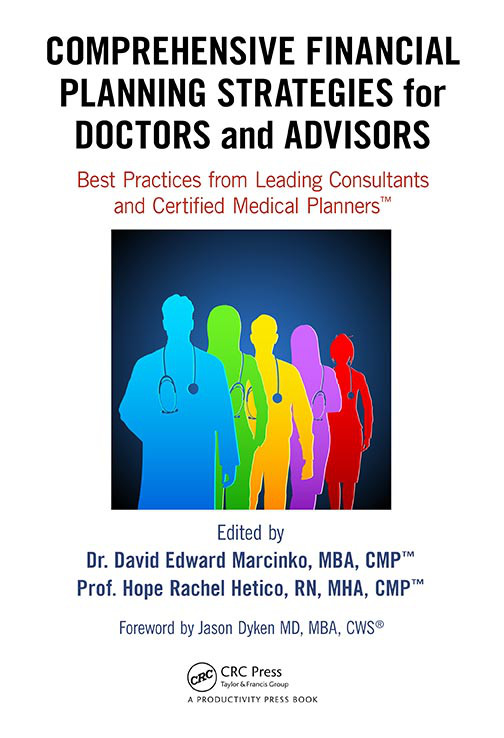
[Valuing the Quintessential Alternative Financial Investment] B Dr. David Edward Marcinko MBA CMP®: Comprehensive Financial Planning Strategies for Doctors and Advisors: Best Practices from Leading Consultants and Certified Medical Planners™
Conclusion
Your thoughts and comments on this ME-P are appreciated. Feel free to review our top-left column, and top-right sidebar materials, links, URLs and related websites, too. Then, subscribe to the ME-P. It is fast, free and secure.
Speaker: If you need a moderator or speaker for an upcoming event, Dr. David E. Marcinko; MBA – Publisher-in-Chief of the Medical Executive-Post – is available for seminar or speaking engagements. Contact: MarcinkoAdvisors@msn.com
OUR OTHER PRINT BOOKS AND RELATED INFORMATION SOURCES:
- DICTIONARIES: http://www.springerpub.com/Search/marcinko
- PHYSICIANS: www.MedicalBusinessAdvisors.com
- PRACTICES: www.BusinessofMedicalPractice.com
- HOSPITALS: http://www.crcpress.com/product/isbn/9781466558731
- CLINICS: http://www.crcpress.com/product/isbn/9781439879900
- ADVISORS: www.CertifiedMedicalPlanner.org
- BLOG: www.MedicalExecutivePost.com
- FINANCE: Financial Planning for Physicians and Advisors
- INSURANCE: Risk Management and Insurance Strategies for Physicians and Advisors
 BOOK:
BOOK:
Share this:

Filed under: Financial Planning, Portfolio Management | Tagged: asset class, Careers and Net Worth, Rick Kahler CFP® | 8 Comments »

 The Leading Business Education Network for Doctors, Financial Advisors and Health Industry Consultants