MEDICARE: What it Does Not Cover?

By Dr. David Edward Marcinko; MBA MEd

***
***

What Medicare Does Not Cover: Understanding the Gaps in Coverage

Medicare, the federal health insurance program primarily for individuals aged 65 and older, provides essential coverage through its various parts—Part A (hospital insurance), Part B (medical insurance), Part C (Medicare Advantage), and Part D (prescription drug coverage). While it offers substantial support for many healthcare needs, Medicare does not cover everything. Understanding these gaps is crucial for beneficiaries to avoid unexpected expenses and plan for supplemental coverage.

One of the most significant omissions in Original Medicare (Parts A and B) is routine dental care. Services such as cleanings, fillings, tooth extractions, and dentures are generally not covered. Although Medicare began covering limited dental exams related to specific medical procedures in 2023 and 2024, comprehensive dental care remains excluded.

Vision care is another area where Medicare falls short. Routine eye exams, eyeglasses, and contact lenses are not covered unless related to specific medical conditions like cataract surgery. Similarly, hearing services, including exams and hearing aids, are not covered under Original Medicare, despite their importance to seniors’ quality of life.

Long-term care, such as custodial care in nursing homes or assisted living facilities, is also excluded. Medicare may cover short-term stays in skilled nursing facilities following hospitalization, but it does not pay for extended stays or help with daily activities like bathing and dressing.

Alternative therapies such as acupuncture, massage therapy, and chiropractic care are generally not covered unless deemed medically necessary. For example, Medicare may cover limited chiropractic services for spinal subluxation but not for general wellness or pain relief.

Cosmetic surgery is excluded unless it is required for reconstructive purposes following an accident or disease. Similarly, routine foot care and podiatry services are not covered unless related to specific medical conditions like diabetes.

To address these gaps, many beneficiaries turn to Medicare Advantage plans (Part C) or Medigap policies, which may offer additional benefits such as dental, vision, and hearing coverage. However, these plans vary widely, and not all supplemental policies cover every excluded service.

In conclusion, while Medicare provides a strong foundation for healthcare coverage, it leaves out several essential services that can significantly impact seniors’ health and finances. Awareness of these exclusions empowers beneficiaries to seek supplemental insurance, budget for out-of-pocket costs, and make informed decisions about their healthcare needs.

COMMENTS APPRECIATED

EDUCATION: Books

SPEAKING: Dr. Marcinko will be speaking and lecturing, signing and opining, teaching and preaching, storming and performing at many locations throughout the USA this year! His tour of witty and serious pontifications may be scheduled on a planned or ad-hoc basis; for public or private meetings and gatherings; formally, informally, or over lunch or dinner. All medical societies, financial advisory firms or Broker-Dealers are encouraged to submit an RFP for speaking engagements: CONTACT: Ann Miller RN MHA at MarcinkoAdvisors@outlook.com -OR- http://www.MarcinkoAssociates.com

Like, Refer and Subscribe

***

***

Home Equity Agreements [HEAs]

Dr. David Edward Marcinko; MBA MEd

***

***

An Emerging Alternative in Housing Finance

Home equity agreements (HEAs), also known as home equity investments (HEIs), have emerged as a modern alternative to traditional borrowing methods for homeowners seeking to unlock the value of their property. Unlike home equity loans or lines of credit, which require monthly payments and add debt to a homeowner’s balance sheet, HEAs offer a fundamentally different structure. They provide access to cash today in exchange for a share of the home’s future value. As rising interest rates and tighter lending standards reshape the financial landscape, HEAs have gained attention as a flexible and innovative tool for homeowners who may not fit the mold of conventional borrowers.

At their core, HEAs operate on a simple premise: a homeowner receives a lump‑sum payment from an investor, and in return, the investor receives the right to a portion of the home’s future appreciation—or, in some cases, depreciation. The agreement typically lasts between ten and thirty years, during which the homeowner continues to live in the property without making monthly payments to the investor. When the term ends, or when the homeowner sells or refinances the home, the investor receives their original contribution plus their agreed‑upon share of the home’s value change. This structure aligns the interests of both parties, as the investor benefits when the home increases in value, and the homeowner gains financial flexibility without taking on additional debt.

One of the most compelling advantages of HEAs is their accessibility. Traditional lenders rely heavily on credit scores, income verification, and debt‑to‑income ratios. Homeowners who are asset‑rich but cash‑poor—such as retirees, self‑employed individuals, or those with irregular income—may struggle to qualify for conventional financing even if they have substantial equity. HEAs bypass many of these barriers by focusing primarily on the property itself rather than the borrower’s financial profile. This makes them an appealing option for individuals who need liquidity but want to avoid the burden of monthly payments or the risk of foreclosure associated with traditional loans.

HEAs also offer strategic benefits for homeowners who anticipate long‑term appreciation in their property. By sharing future gains with an investor, a homeowner can access funds today that might otherwise remain locked in their home for years. These funds can be used for a wide range of purposes, including home improvements, debt consolidation, education expenses, or emergency needs. For some, the ability to tap into equity without increasing monthly obligations can provide critical financial stability during periods of uncertainty.

However, HEAs are not without trade‑offs. Because investors assume risk by tying their return to the home’s future value, the cost of an HEA can be higher than that of a traditional loan, especially in markets with strong appreciation. Homeowners may ultimately give up a significant portion of their property’s future gains, which can feel costly in hindsight. Additionally, the terms of HEAs can be complex, requiring careful review to understand how value is calculated, what triggers repayment, and how improvements or market fluctuations affect the final settlement. Transparency and education are essential to ensure that homeowners make informed decisions.

COMMENTS APPRECIATED

EDUCATION: Books

SPEAKING: Dr. Marcinko will be speaking and lecturing, signing and opining, teaching and preaching, storming and performing at many locations throughout the USA this year! His tour of witty and serious pontifications may be scheduled on a planned or ad-hoc basis; for public or private meetings and gatherings; formally, informally, or over lunch or dinner. All medical societies, financial advisory firms or Broker-Dealers are encouraged to submit an RFP for speaking engagements: CONTACT: Ann Miller RN MHA at MarcinkoAdvisors@outlook.com -OR- http://www.MarcinkoAssociates.com

Like, Refer and Subscribe

***

***

PHYSICIANS: Gambling Addiction Causes

By Dr. David Edward Marcinko MBA MEd

By Professor Eugene Schmuckler PhD MBA MEd CTS

***

***

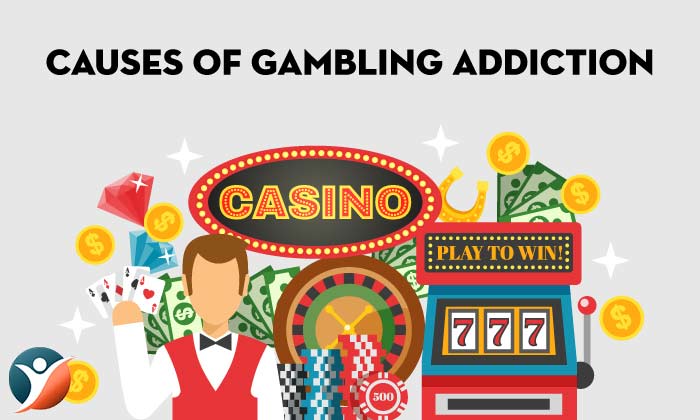
Physician gambling addiction is a growing concern that threatens both personal well-being and professional integrity. This essay explores its causes, consequences, and the urgent need for awareness and support.

Gambling addiction, or gambling disorder, is a recognized mental health condition characterized by an uncontrollable urge to gamble despite negative consequences. While it affects about 1% of the general population., its presence among physicians is particularly alarming due to the high stakes involved—both financially and ethically. Physicians are entrusted with lives, and addiction can impair judgment, compromise patient care, and lead to devastating personal and professional outcomes.

Several factors contribute to gambling addiction in physicians. The profession is inherently high-pressure, with long hours, emotional strain, and frequent exposure to trauma. These stressors can drive individuals to seek escape or excitement through gambling. Moreover, physicians often have access to substantial financial resources, making it easier to sustain gambling habits longer than others. The culture of perfectionism and stigma around mental health in medicine may also discourage seeking help, allowing addiction to fester in secrecy.

The consequences of gambling addiction for physicians are multifaceted. On a personal level, it can lead to financial ruin, strained relationships, and deteriorating mental health. Studies show that gambling activates the brain’s reward system similarly to drugs and alcohol, reinforcing compulsive behavior.

Professionally, addiction can result in medical errors, fraud, or even criminal activity—such as embezzling funds to cover gambling debts. These actions not only endanger patients but also erode public trust in the medical profession.

During the COVID-19 pandemic, gambling behavior intensified across many demographics, including healthcare workers. Increased isolation, stress, and access to online gambling platforms contributed to a surge in addiction cases. Physicians, already burdened by the pandemic’s demands, were particularly vulnerable. The rise of sports betting and fantasy leagues has further blurred the lines between entertainment and addiction, making it harder to recognize problematic behavior.

***

***

Addressing physician gambling addiction requires a multifaceted approach. First, medical institutions must foster a culture that encourages mental health support without stigma. Confidential counseling services, peer support groups, and educational programs can help physicians recognize and address addiction early. Licensing boards and hospitals should implement policies that balance accountability with rehabilitation, ensuring that affected physicians receive treatment rather than punishment alone.

Additionally, research into gambling disorder must continue to evolve. Institutions like Yale Medicine are leading efforts to understand the neurological and genetic underpinnings of addiction, which could inform more effective treatments. Public awareness campaigns can also help destigmatize gambling addiction and promote responsible behavior.

In conclusion, physician gambling addiction is a hidden crisis with far-reaching implications. It stems from a complex interplay of stress, access, and stigma, and its consequences can be catastrophic.

By promoting awareness, support, and research, the medical community can better protect its members and the patients they serve.

COMMENTS APPRECIATION

EDUCATION: Books

Like, Refer and Subscribe

***

***