BOARD CERTIFICATION EXAM STUDY GUIDES Lower Extremity Trauma
[Click on Image to Enlarge]
ME-P Free Advertising Consultation
The “Medical Executive-Post” is about connecting doctors, health care executives and modern consulting advisors. It’s about free-enterprise, business, practice, policy, personal financial planning and wealth building capitalism. We have an attitude that’s independent, outspoken, intelligent and so Next-Gen; often edgy, usually controversial. And, our consultants “got fly”, just like U. Read it! Write it! Post it! “Medical Executive-Post”. Call or email us for your FREE advertising and sales consultation TODAY [678.779.8597] Email: MarcinkoAdvisors@outlook.com
Medical & Surgical e-Consent Forms
ePodiatryConsentForms.com
iMBA Inc., OFFICES
Suite #5901 Wilbanks Drive, Norcross, Georgia, 30092 USA [1.678.779.8597]. Our location is real and we are now virtually enabled to assist new long distance clients and out-of-town colleagues.
ME-P Publishing
SEEKING INDUSTRY INFO PARTNERS?
If you want the opportunity to work with leading health care industry insiders, innovators and watchers, the “ME-P” may be right for you? We are unbiased and operate at the nexus of theoretical and applied R&D. Collaborate with us and you’ll put your brand in front of a smart & tightly focused demographic; one at the forefront of our emerging healthcare free marketplace of informed and professional “movers and shakers.” Our Ad Rate Card is available upon request [678-779-8597].
Posted on December 30, 2024 by Dr. David Edward Marcinko MBA MEd CMP™
By Staff Reporters
***
***
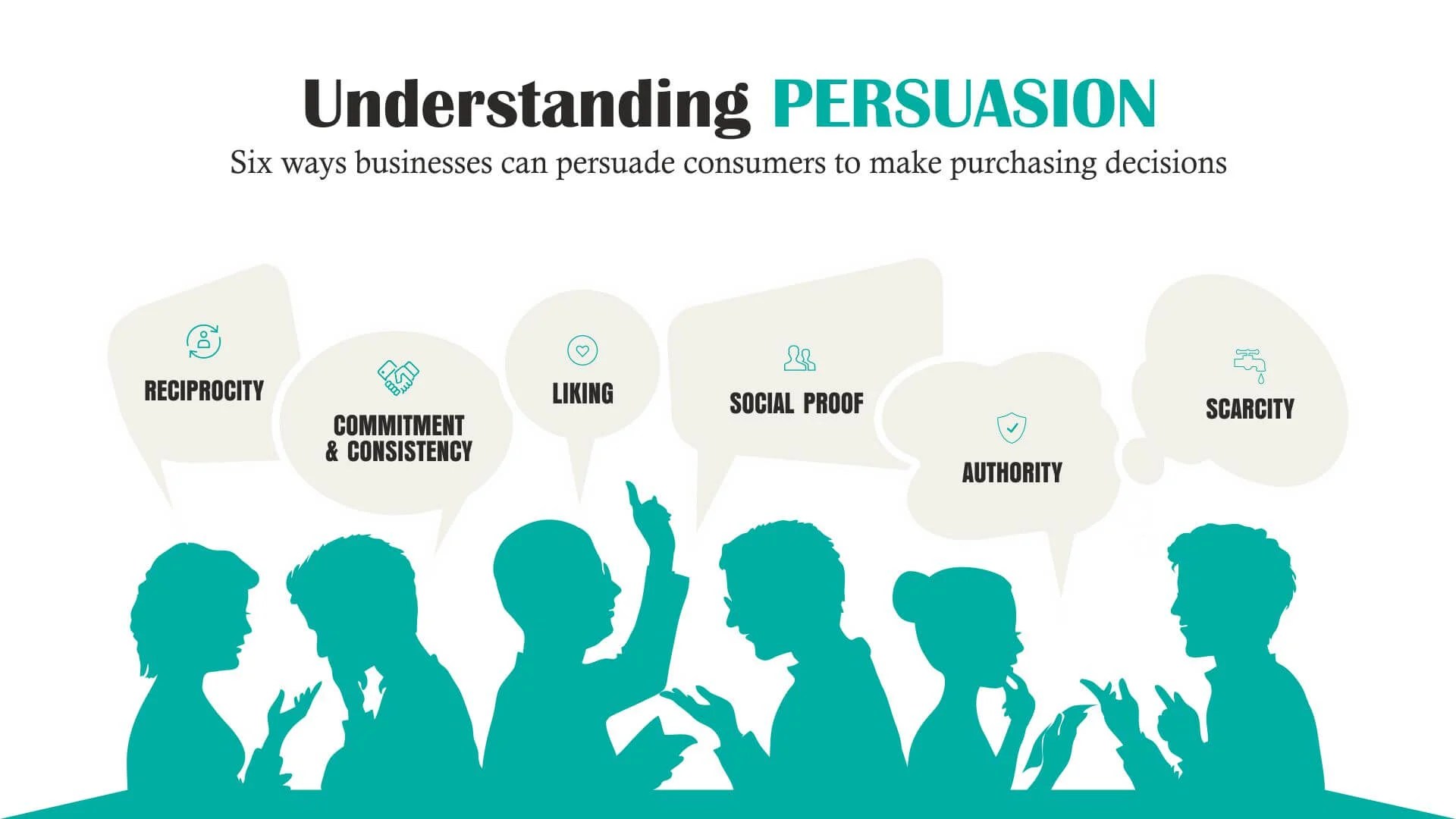
QUESTION: Ever tried convincing someone by arguing against your own point?
If so, that’s paradoxical persuasion. It’s like reverse psychology’s sophisticated cousin. By presenting the opposite argument, you make people defend your original point. It’s a mental judo move, using their own momentum against them. Next time you want someone to agree with you, try saying, “You’re right, maybe we shouldn’t get pizza.”
So, according to Dan Ariely PhD, watch as they passionately argue why pizza is, in fact, the best choice for dinner.
Posted on December 30, 2024 by Dr. David Edward Marcinko MBA MEd CMP™
By Staff Reporters
***
***
The stock market may close next month to honor Former President Jimmy Carter, who died yesterday at his home in Plains, Georgia, at the age of 100.
Carter, the 39th and longest-living U.S. president, was honored with a moment of silence earlier today at the New York Stock Exchange (ICE) and the NASDAQ (NDAQ).
When he is laid to rest in January, Wall Street will likely take a break.
Posted on December 30, 2024 by Dr. David Edward Marcinko MBA MEd CMP™
By Staff Reporters
***
***
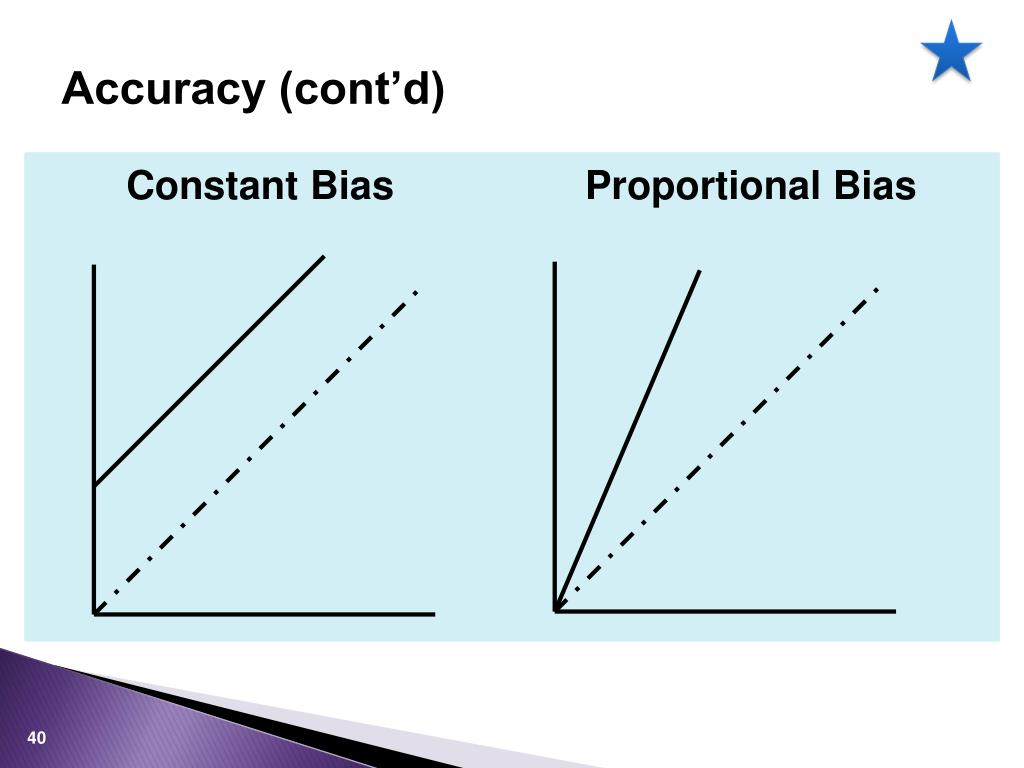
The proportionality bias, also known as major event/major cause heuristic, is the tendency to assume that big events have big causes. It is a type of cognitive bias and plays an important role in people’s tendency to accept conspiracy theories. Academic psychologist Rob Brotherton summarized it as “When something big happens, we tend to assume that something big must have caused it”.
IOW:Proportionality Bias is the inclination to believe that the magnitude of an event’s cause must be proportional to the event’s outcome. It’s like thinking a huge disaster must have a huge cause. This bias simplifies our understanding of complex situations but often leads to misconceptions. In reality, small causes can have large effects, and vice versa.
And so, to overcome proportionality bias according to colleague Dan Ariely Phd, consider all possible explanations, regardless of their size. Remember: sometimes big things happen for small reasons.
Posted on December 30, 2024 by Dr. David Edward Marcinko MBA MEd CMP™
By Staff Reporters
***
***
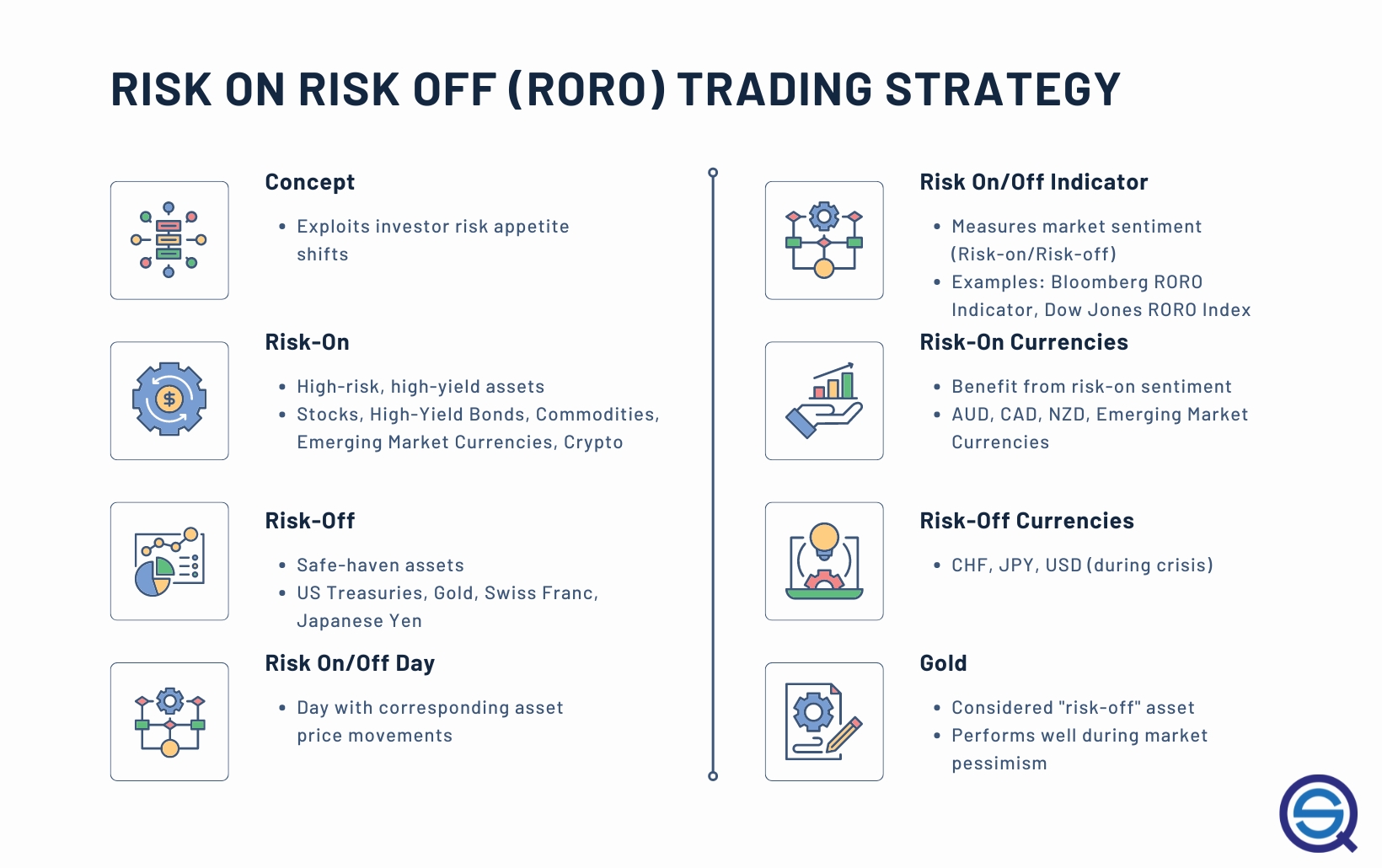
Risk-On
RO = Asset prices commonly follow the risk sentiment of the market. Investors look for changing sentiment through corporate earnings, macro-economic data, and global central bank action. An increase in the stock market or where stocks outperform bonds is said to be a risk-on environment.
Risk-on environments can be carried by expanding corporate earnings, optimistic economic outlook, accommodative central bank policies, and speculation. As the market displays strong influential fundamentals, investors perceive less risk about the market and its outlook.
Risk-Off
ROff = When stocks are selling off, and investors run for shelter to bonds or gold, the environment is said to be risk-off. Risk-off environments can be caused by widespread corporate earnings downgrades, contracting or slowing economic data, and uncertain central bank policy.
Just like the stock market rises in a risk-on environment, a drop in the stock market equals a risk-off environment. Investors jump from risky assets and pile into high grade bonds, U.S. Treasury bonds, gold, cash, and other safe havens
Risk-On Risk-Off?
Risk-on-risk-off investing relies on and is driven by changes in investor risk tolerance. Risk-on-risk-off (RORO) can also sway changes in investment activity in response to economic patterns. When risk is low, investors tend to engage in higher-risk investments. Investors tend to gravitate toward lower-risk investments when risk is perceived to be high.







 Support our online development, and advance our onground research initiatives in free market economics, as we seek to showcase the brightest Next-Gen minds.
THE ME-P DISCLAIMER: Posts, comments and opinions do not necessarily represent iMBA, Inc., but become our property after submission. Copyright © 2006 to-date. iMBA, Inc allows colleges, universities, medical and financial professionals and related clinics, hospitals and non-profit healthcare organizations to distribute our proprietary essays, photos, videos, audios and other documents; etc. However, please review copyright and usage information for each individual asset before submission to us, and/or placement on your publication or web site. Attestation references, citations and/or back-links are required. All other assets are property of the individual copyright holder.
Support our online development, and advance our onground research initiatives in free market economics, as we seek to showcase the brightest Next-Gen minds.
THE ME-P DISCLAIMER: Posts, comments and opinions do not necessarily represent iMBA, Inc., but become our property after submission. Copyright © 2006 to-date. iMBA, Inc allows colleges, universities, medical and financial professionals and related clinics, hospitals and non-profit healthcare organizations to distribute our proprietary essays, photos, videos, audios and other documents; etc. However, please review copyright and usage information for each individual asset before submission to us, and/or placement on your publication or web site. Attestation references, citations and/or back-links are required. All other assets are property of the individual copyright holder.







 The Leading Business Education Network for Doctors, Financial Advisors and Health Industry Consultants