Equity Price Influencers

How Economic and Business Cycles Influence Equity Prices 

Julia O’Neal; MA, CPA with Staff Writers


The equity markets react to the business cycle as it moves through standard phases.

For example, coming out of a recession, when gross domestic product (GDP) is increasing, cyclicals do best, since consumers are fulfilling “pent-up demand” for big ticket items that could be deferred during tough economic times.  Conversely, as the economy turns down – so do cyclicals – often slightly ahead of the overall economy.

As inflation heats up in a rising economy, companies can raise prices and profit at first as expenses stay constant.  But ultimately inflation raises interest rates and capital becomes more expensive, so companies have to spend more to borrow capital to finance growth. Gentle interest rate increases do not always make the stock market fall, but it will rise more slowly.  

However, high interest rates and high inflation ultimately are negatives for the stock market. 

A bull market in stocks generally consists of three consecutive phases:

Monetary: Interest rates are falling, either naturally as inflation eases or with the help of a central bank, like the Federal Reserve, which can artificially lower short-term interest rates.

• Earnings-Driven: Companies have been able to borrow capital cheaply and have spent the down-market time practicing efficiencies, so now they are geared up for growth. Consumers are buying, so earnings are beginning to flow through to the “bottom line.” 

Speculative blowout: The markets are responding to the good earnings reports—sometimes beyond what is justified. P/E ratios begin to get very high relative to a normal market, and markets are “overbought.” Wary physicians and canny medical investors may want to sell stocks to take profits. 

According to Goldman Sachs Research, the stock market may peak while the overall economy is still in a growth phase. Since 1952, the S&P 500 peak has led the overall economy’s peak by about seven months. During down markets, high-dividend-paying stocks and stocks of companies that sell necessary goods or services, like utilities and food companies tend to hold their value. These are called defensive stocks.  

Conclusion

Fundamental analysis takes into consideration economic factors such as consumers’ ability to buy a company’s goods or services or the company’s borrowing needs at current rates.

How has the recent economic and medical business cycle affected your investments?

Auto Ownership Costs for Docs

Join Our Mailing List

What are the Costs of Physician Automobile Ownership?

[By Staff Writers]

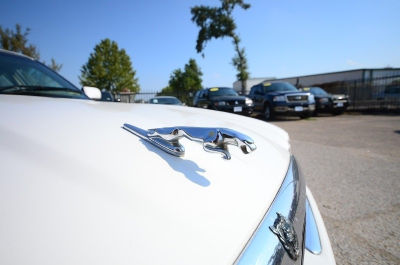
XJ-V8-LWB Jaguar touring sedan

Automobiles are generally the fourth largest expense of a physician’s household; right behind student loans and/or practice start up costs; and home ownership loans.

The largest automobile-related expense is purchase of the car, either in the form of a monthly payment or cash.  

Other expenses include gas [especially when over $3/gal], maintenance, repairs, taxes, and insurance. Insurance is generally the next largest expenses in the automobile category unless a large repair is necessary, a factor mostly dependent on the age and type of the car.

For some cars, repairs may be the second largest expense. Maintenance costs vary depending on such factors as the age and mechanical complexity of a vehicle. Generally, money spent on regular maintenance will reduce future repair costs. 

Like the cars themselves, auto leases are generally poor deals and are not investments; merely interest payments on a depreciating consumer asset.

Assessment

What do you think about the fascination of doctor’s with “luxury” automobiles? 

Channel Surfing the ME-P

Have you visited our other topic channels? Established to facilitate idea exchange and link our community together, the value of these topics is dependent upon your input. Please take a minute to visit. And, to prevent that annoying spam, we ask that you register. It is fast, free and secure.

Waxed Jaguar

Conclusion

Your thoughts and comments on this ME-P are appreciated. Feel free to review our top-left column, and top-right sidebar materials, links, URLs and related websites, too. Then, subscribe to the ME-P. It is fast, free and secure.

Speaker: If you need a moderator or speaker for an upcoming event, Dr. David E. Marcinko; MBA – Publisher-in-Chief of the Medical Executive-Post – is available for seminar or speaking engagements. Contact: MarcinkoAdvisors@msn.com

OUR OTHER PRINT BOOKS AND RELATED INFORMATION SOURCES:

Product Details  Product Details

Physician Homestead Affordability

Join Our Mailing List

What are the Costs of Physician Home Ownership?

[By Staff Writers]

Home ownership for the physician or other medical professional can be a very rewarding experience that gives the owner a real sense of security, especially when the home is free and clear of a mortgage.  Home ownership can also be very expensive, and is generally the largest expense of a household; sans the physician’s medical practice itself. And, there are many costs to home ownership. 

First, to acquire a home, the physician home owner must make a down payment and pay closing costs on the mortgage. The down payment is usually a minimum of 5% of the purchase price, although some mortgage programs allow as little as 3% down or even nothing with interest-only deals available. The closing costs can run as high as 3% with no buy-down on the interest rate. 

Second, the physician home owner must service the mortgage with the usual monthly payments of principal and interest. This is usually the largest expense associated with home ownership. 

Third, the physician home owner must pay all of the utilities associated with the property. The mandatory utilities are water/sewer/garbage, electricity and/or gas, and local telephone. These expenses can be substantial. Water/sewer/garbage services can total over $150 per month. Electricity and gas bills usually total a minimum of $250 per month for an average-sized four-bedroom, three-bath home. 

Fourth, the physician home owner must pay property taxes, a substantial expense. As an example, property taxes average approximately 1-2% of fair market value computed on appraised value rather than the fair market value. This translates into thousands of dollars per year. 

Fifth, the physician home owner must maintain the home. These expenses include small and large home repairs and maintenance, landscaping, gardening, and remodeling. Large home repairs can include replacing a roof, painting the interior and exterior, replacing carpeting, and repairing water damage. Small home repairs and maintenance often include repairing leaky faucets, damaged flooring, broken windows, and walls that children thought would make a great coloring board. 

Sixth, the physician home owner must insure the home for property damage and liability damage related to the home. This expense varies widely but will be a minimum of several hundred dollars per year. 

The following is an example of the monthly costs of home ownership for a new doctor who owns a house worth $200,000 and has a $160,000 mortgage with an 8% rate and a 30-year term. So, a lower rate today looks even better, right? 

  • Mortgage payment: $1,174       
  • Property taxes: $166     
  • Utilities: $450
  • Insurance: $30
  • Maintenance: $300

Total $2,120

These numbers do not include large repair and maintenance expenses. When these expenses occur, they are usually paid for in a lump sum, rather than being amortized over the years of their useful life. The lump-sum cost does not include the amount of earnings lost on the money used for the expenditure.

In order to amortize these items, the physician home owner would have to borrow the money to pay for them, but this would result in additional interest expense.  

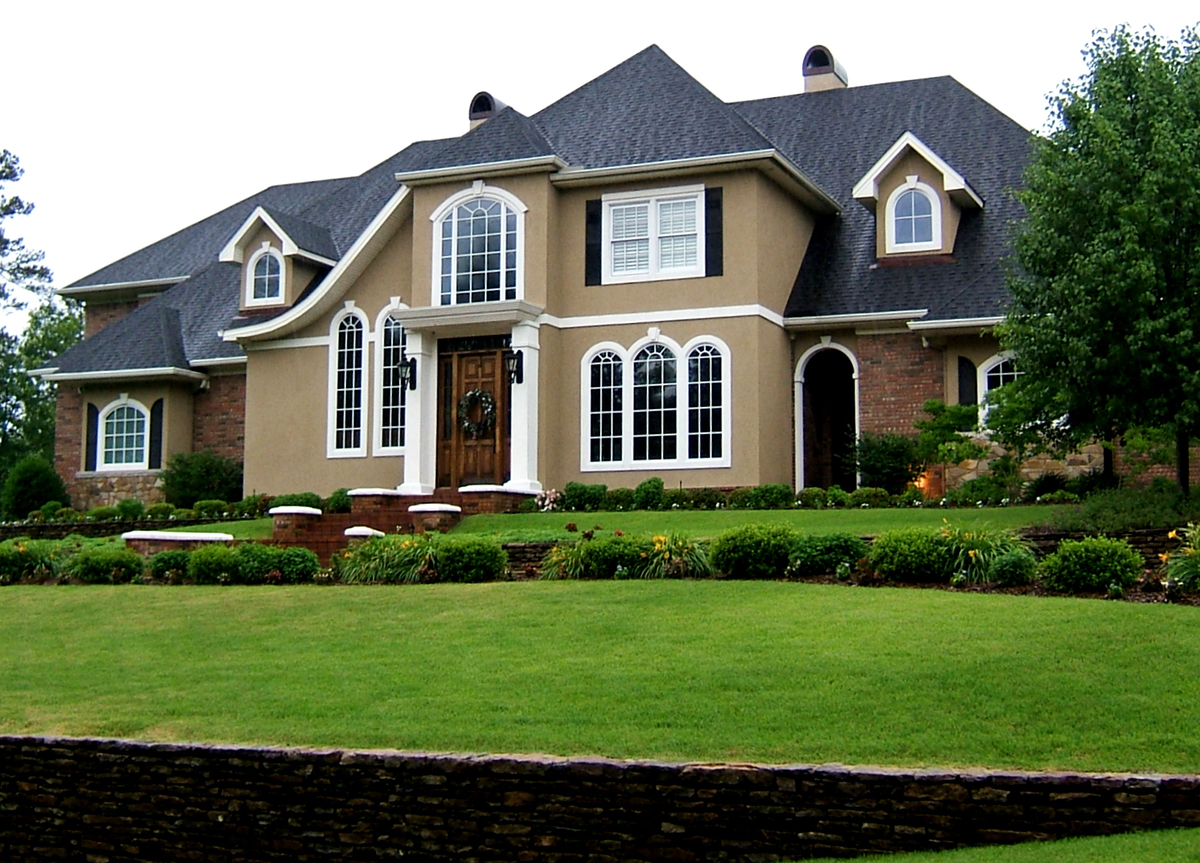
Drs. Home

There are also exit costs to home ownership. When a doctor wants to sell a home, he or she must pay a sales commission of approximately 6% and an excise tax that varies state to state. Of course, FSBO is also a sales option. 

Q: What is the biggest impediment to a home loan down payment?

A: A student loan and/or an existing automobile loan.

Q: What is the biggest impediment to a practice start-up loan; office down payment, or medical group buy-in situation?

A: A home loan; school loan and/or automobile loan.

Note, the vicious consumer debt-cycle which differentiates wants from needs!

Rents on the Upswing for 2008

On the other hand, apartment asking-rents posted their biggest increase of 2007 in the third quarter, jumping 4.2% from a year ago, to an average of $1,015 per unit, according to industry sources. And vacancy, which had edged up slightly earlier in the year because of apartment construction, tightened up in the last quarter to an average of 5.6% from 5.7% the same time a year ago. Thus, the outlook is rosy for landlords in 2008, but not necessarily the same for homeowners.

Conclusion

Now, how does the above traditional philosophy seem in light of the recent mortgage debt debacle? 

Risk Management, Liability Insurance, and Asset Protection Strategies for Doctors and Advisors: Best Practices from Leading Consultants and Certified Medical Planners™8Comprehensive Financial Planning Strategies for Doctors and Advisors: Best Practices from Leading Consultants and Certified Medical Planners™