







 Support our online development, and advance our onground research initiatives in free market economics, as we seek to showcase the brightest Next-Gen minds.
THE ME-P DISCLAIMER: Posts, comments and opinions do not necessarily represent iMBA, Inc., but become our property after submission. Copyright © 2006 to-date. iMBA, Inc allows colleges, universities, medical and financial professionals and related clinics, hospitals and non-profit healthcare organizations to distribute our proprietary essays, photos, videos, audios and other documents; etc. However, please review copyright and usage information for each individual asset before submission to us, and/or placement on your publication or web site. Attestation references, citations and/or back-links are required. All other assets are property of the individual copyright holder.
Support our online development, and advance our onground research initiatives in free market economics, as we seek to showcase the brightest Next-Gen minds.
THE ME-P DISCLAIMER: Posts, comments and opinions do not necessarily represent iMBA, Inc., but become our property after submission. Copyright © 2006 to-date. iMBA, Inc allows colleges, universities, medical and financial professionals and related clinics, hospitals and non-profit healthcare organizations to distribute our proprietary essays, photos, videos, audios and other documents; etc. However, please review copyright and usage information for each individual asset before submission to us, and/or placement on your publication or web site. Attestation references, citations and/or back-links are required. All other assets are property of the individual copyright holder.


***
***
By Steve Selengut
December values may not be what they seem
NOTE: Mr. Selengut is a private investor and a contributing editor to LIFE & Health Advisor. He is the author of the book ‘The Brainwashing of the American Investor: The book that Wall Street does not want you to read.’
***
As [physician] investors, and we all are investors these days, it is important that we understand the idiosyncrasies of year-end Stock Market activity. On Wall Street, investing can be a minefield for those who don’t appreciate the non-economic, non-business-model, factors contributing to the market value numbers in fourth quarter brokerage account summaries.
Year end market values may not be what they seem ….
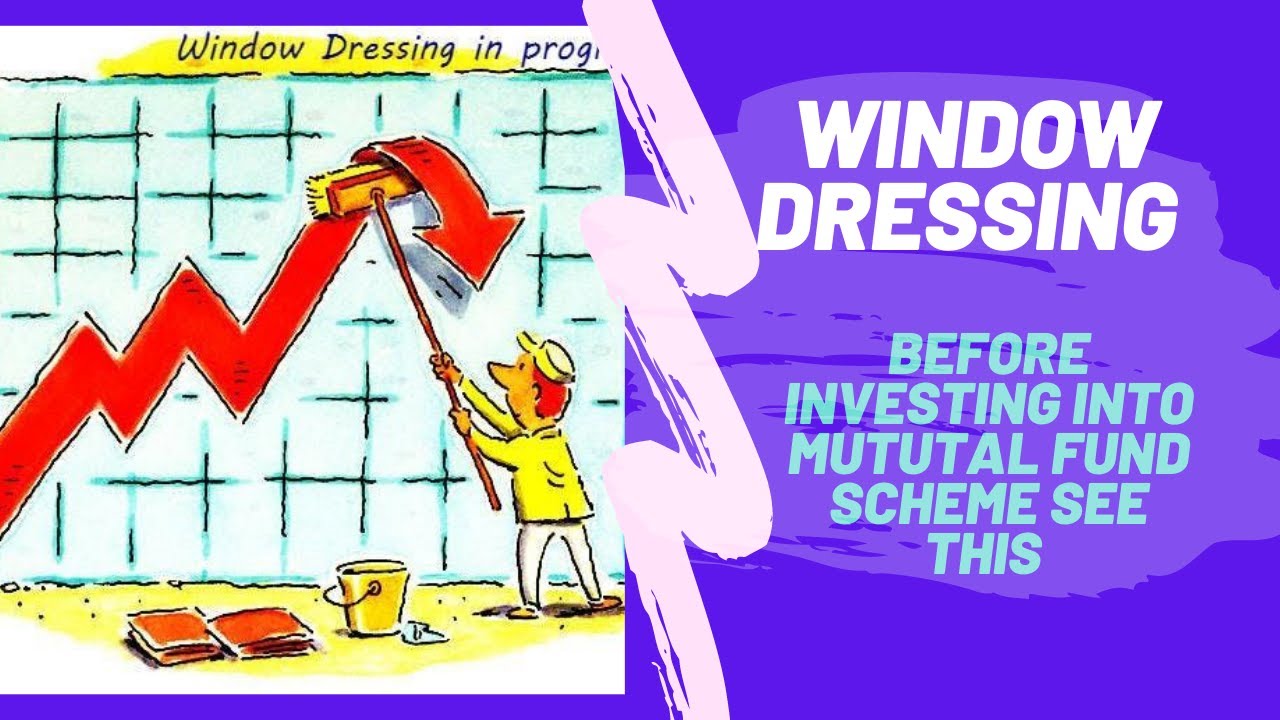
“Portfolio Window Dressing” (PWD) produces security pricing that is more a function of next year’s institutional marketing programs than a reflection of the economic forces that we would like to think are their primary determining factors. Not even close…
Toward the end of every calendar quarter, we hear the financial media report that “institutional PWD activities” are in full swing. But that is as deep as the stories ever go. What are they talking about, and just what does it mean to you as an investor?
***
READ MORE: https://www.lifehealth.com/year-end-portfolio-window-dressing/
***
***
YOUR COMMENTS ARE APPRECIATED.
Thank You
***
Share this:

Filed under: Ethics, Experts Invited, Financial Planning, Funding Basics, Glossary Terms, Investing, Portfolio Management | Tagged: end of year window dressing, Investing, portfolio windiow dressing, portfolio window dressing, PWD, santa claus rally, Steve Selengut, window dressing | Leave a comment »





 The Leading Business Education Network for Doctors, Financial Advisors and Health Industry Consultants