







 Support our online development, and advance our onground research initiatives in free market economics, as we seek to showcase the brightest Next-Gen minds.
THE ME-P DISCLAIMER: Posts, comments and opinions do not necessarily represent iMBA, Inc., but become our property after submission. Copyright © 2006 to-date. iMBA, Inc allows colleges, universities, medical and financial professionals and related clinics, hospitals and non-profit healthcare organizations to distribute our proprietary essays, photos, videos, audios and other documents; etc. However, please review copyright and usage information for each individual asset before submission to us, and/or placement on your publication or web site. Attestation references, citations and/or back-links are required. All other assets are property of the individual copyright holder.
Support our online development, and advance our onground research initiatives in free market economics, as we seek to showcase the brightest Next-Gen minds.
THE ME-P DISCLAIMER: Posts, comments and opinions do not necessarily represent iMBA, Inc., but become our property after submission. Copyright © 2006 to-date. iMBA, Inc allows colleges, universities, medical and financial professionals and related clinics, hospitals and non-profit healthcare organizations to distribute our proprietary essays, photos, videos, audios and other documents; etc. However, please review copyright and usage information for each individual asset before submission to us, and/or placement on your publication or web site. Attestation references, citations and/or back-links are required. All other assets are property of the individual copyright holder.


What if You Are Behind Your Target Goals?
By: Alexander M. Kimura; MBA, CFP®
By: Robert J. Greenberg; CFP®
By: Richard P. Moran; CFP®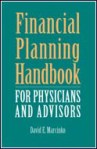
The stock market has been in a terrible place for your money and retirement planning, since October 2007. Perhaps even the last decade or so for some physicians. But, if none of your assumptions have changed and you feel that you can make up the difference in the next year, you probably can use the same retirement cash flow plan. As a rule of thumb, if you’re less than 10 percent off of your goal, you may not need to do anything. This is rare in the investing climate today!
So, if you have fallen so far behind that each year’s target seems unachievable, you will probably need to make some changes. However, before you change your planning and investing, you need to see why you’re behind.
Examine Expenses
If you haven’t saved as much as you expected, take a look at your expenses [personal and office] and see where you can cut down. Remember, you need to pay yourself first before you spend on luxuries. Contribute as much as possible to your qualified retirement plan at work, too.
Examine Returns
Next, you need to look at your investment returns. Since the stock market has been in one of its inevitable “corrections” for several years, this can significantly impact your balances. Remember, your return assumptions are based on averages that should include the bad and good years. If you’re close to retirement and have a large shortfall, then you may need to increase the risk in your investment portfolio in order to meet your goals. If the market falls more, or stays down for some time, increasing risk by buying more stocks forces you to “buy low” which should pay off over time.
Assessment

As a doctor, you can always delay retirement and work a few more years. Fortunately, medicine is one profession where experience earns an economic premium.
Conclusion
And so, your thoughts and comments on this Medical Executive-Post are appreciated. How will you make up any retirement shortfall? Feel free to review our top-left column, and top-right sidebar materials, links, URLs and related websites, too. Then, be sure to subscribe to the ME-P. It is fast, free and secure.
Link: http://feeds.feedburner.com/HealthcareFinancialsthePostForcxos
Speaker: If you need a moderator or speaker for an upcoming event, Dr. David E. Marcinko; MBA – Publisher-in-Chief of the Executive-Post – is available for seminar or speaking engagements. Contact: MarcinkoAdvisors@msn.com
Get our Widget: Get this widget!
Our Other Print Books and Related Information Sources:
Practice Management: http://www.springerpub.com/prod.aspx?prod_id=23759
Physician Financial Planning: http://www.jbpub.com/catalog/0763745790
Medical Risk Management: http://www.jbpub.com/catalog/9780763733421
Healthcare Organizations: www.HealthcareFinancials.com
Health Administration Terms: www.HealthDictionarySeries.com
Physician Advisors: www.CertifiedMedicalPlanner.com
Subscribe Now: Did you like this Medical Executive-Post, or find it helpful, interesting and informative? Want to get the latest ME-Ps delivered to your email box each morning? Just subscribe using the link below. You can unsubscribe at any time. Security is assured.
Link: http://feeds.feedburner.com/HealthcareFinancialsthePostForcxos
Sponsors Welcomed
And, credible sponsors and like-minded advertisers are always welcomed.
Link: https://healthcarefinancials.wordpress.com/2007/11/11/advertise
Share this:

Filed under: Recommended Books, Retirement and Benefits | Tagged: Alexander M. Kimura, David E. Marcinko, retirement benefits, retirement planning, Richard P. Moran, Robert J. Greenberg | 4 Comments »

 The Leading Business Education Network for Doctors, Financial Advisors and Health Industry Consultants