







 Support our online development, and advance our onground research initiatives in free market economics, as we seek to showcase the brightest Next-Gen minds.
THE ME-P DISCLAIMER: Posts, comments and opinions do not necessarily represent iMBA, Inc., but become our property after submission. Copyright © 2006 to-date. iMBA, Inc allows colleges, universities, medical and financial professionals and related clinics, hospitals and non-profit healthcare organizations to distribute our proprietary essays, photos, videos, audios and other documents; etc. However, please review copyright and usage information for each individual asset before submission to us, and/or placement on your publication or web site. Attestation references, citations and/or back-links are required. All other assets are property of the individual copyright holder.
Support our online development, and advance our onground research initiatives in free market economics, as we seek to showcase the brightest Next-Gen minds.
THE ME-P DISCLAIMER: Posts, comments and opinions do not necessarily represent iMBA, Inc., but become our property after submission. Copyright © 2006 to-date. iMBA, Inc allows colleges, universities, medical and financial professionals and related clinics, hospitals and non-profit healthcare organizations to distribute our proprietary essays, photos, videos, audios and other documents; etc. However, please review copyright and usage information for each individual asset before submission to us, and/or placement on your publication or web site. Attestation references, citations and/or back-links are required. All other assets are property of the individual copyright holder.


DEFINITIONS
A.I. and Staff Reporters
SPONSOR: http://www.CertifiedMedicalPlanner.org
***
***
OB-GYN
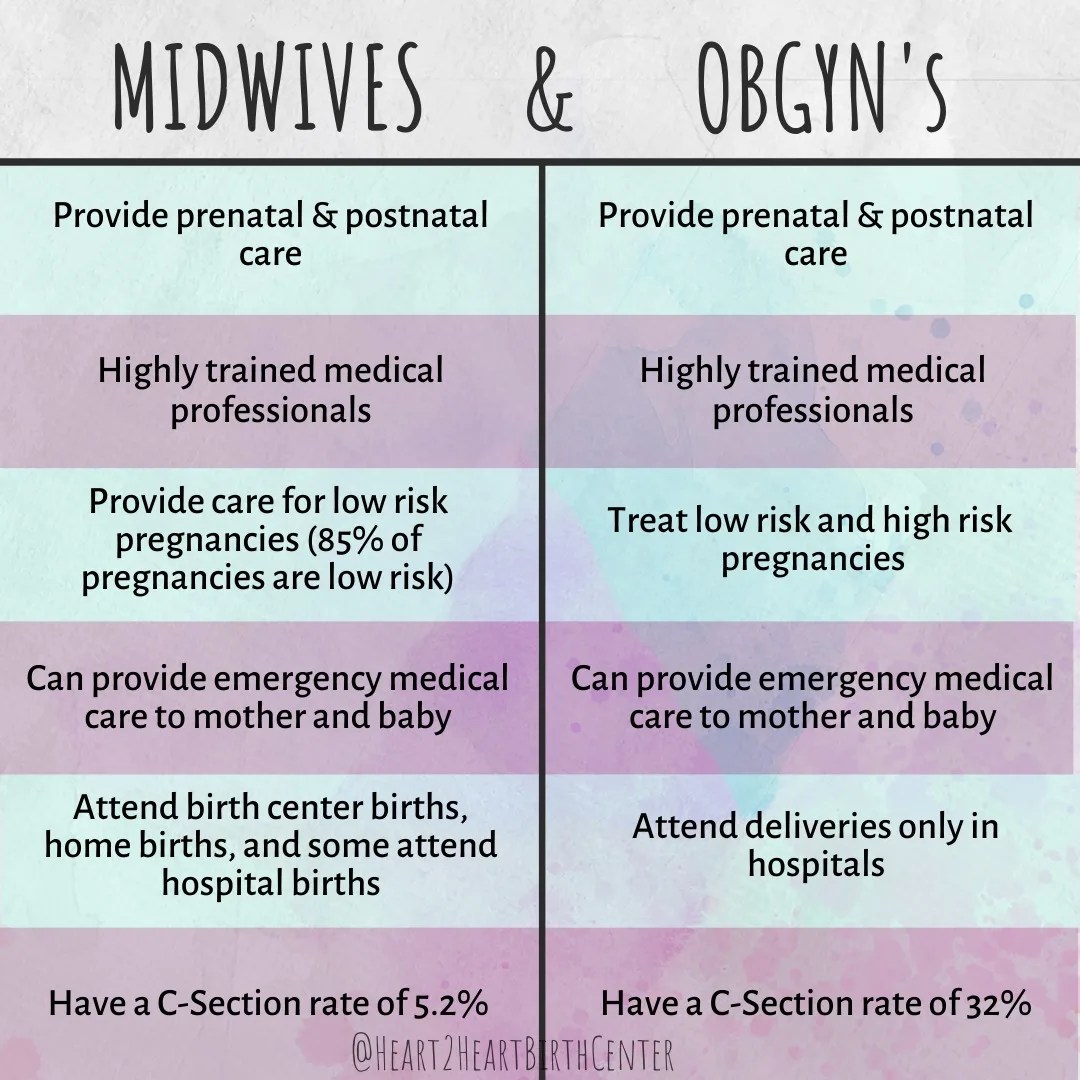
An obstetrician-gynecologist, or OB-GYN, has expertise in female reproductive health, pregnancy, and childbirth. Some OB-GYNs offer a wide range of general health services similar to a primary care doctor. Others focus on the medical care of the female reproductive system. OB-GYNs also provide routine medical services and preventive screenings. This type of doctor has studied obstetrics and gynecology. The term “OB-GYN” can refer to the doctor, an obstetrician-gynecologist, or to the sciences that the doctor specializes in, which are obstetrics and gynecology.
Obstetrician
Obstetrics is the branch of medicine related to medical and surgical care before, during, and after a woman gives birth. Obstetrics focuses on caring for and maintaining a woman’s overall health during maternity. This includes:
- pregnancy
- labor
- childbirth
- the postpartum period
OB-GYNs can conduct office visits, perform surgery, and assist with labor and delivery. Some OB-GYNs provide services through a solo or private practice. Others do so as part of a larger medical group or hospital.
***
***
Gynecologist
Gynecology is the branch of medicine that focuses on women’s bodies and their reproductive health. It includes the diagnosis, treatment, and care of women’s reproductive system. This includes the:
- vagina
- uterus
- ovaries
- fallopian tubes
This branch of medicine also includes screening for and treating issues associated with women’s breasts. Gynecology is the overarching field of women’s health from puberty through adulthood. It represents most of the reproductive care received during a lifetime. If pregnant, one goes to an obstetrician.
Mid-Wife
Midwives are registered nurses who specialize in midwifery. As such, they’re trained healthcare providers who can oversee low-risk pregnancies, labor, and birth. They can provide other obstetric and gynecological services too. They can do exams and help with basic gynecological concerns like sexually transmitted infections, urinary tract infections, or yeast infections. They help support during labor and in the postpartum period with breastfeeding and birth control.
Doula
Doulas aren’t clinical professionals and can’t give medical advice. They can’t prescribe medicines, and they can’t deliver a baby. But they can offer physical and emotional support during labor—and sometimes during and after pregnancy. Doulas can help with breathing techniques, positional changes, and relaxation strategies during labor. Studies show doulas are associated with fewer C-sections and more vaginal births.
COMMENTS APPRECIATED
Like and Subscribe
***
***
Share this:

Filed under: Ask a Doctor, Career Development, CMP Program, Ethics, Glossary Terms, Health Economics, Health Insurance, Health Law & Policy, Healthcare Finance | Tagged: births, child birth, CMP, DO, doula, Gynecologist, gyno, health, MD, mid-wife, motherhood, ob-gyn, Obstetrician, physician, pregnancy, RN | Leave a comment »
 The Leading Business Education Network for Doctors, Financial Advisors and Health Industry Consultants