Is Primary Care Medicine Toxic?

Join Our Mailing List

Requesting Real-Life Examples of Professional Despair

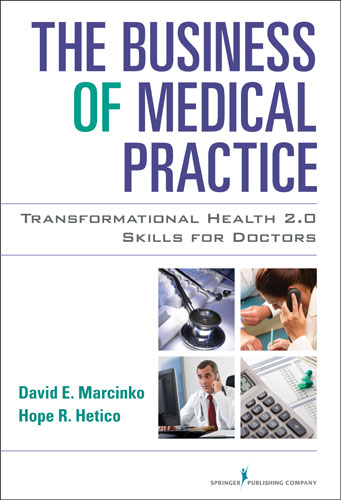
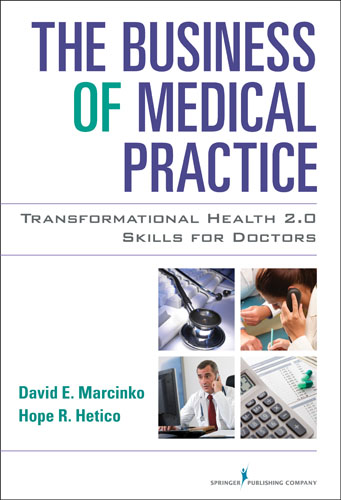
By Dr. David Edward Marcinko MBA CMP™

www.BusinessofMedicalPractice.com

[Editor-in-Chief]

As you’ve probably heard – and experienced or know from our books, journal and this ME-P – there’s a primary care medical shortage out-there!  Maybe you’ve even read or heard about the Physician’s Foundation study describing the overwhelming number of PCPs who want out of this toxic environment. On one hand, we have patients desperately searching for a PCP, while on the other hand we have good caring doctors being forced out of the profession. Of course, NPs, ANPs, DNPs and other ancillaries are part of the solution; but not entirely.

Link: http://www.physiciansfoundation.org/

Human Anguish

And humanely, as stated by our medical colleague L. Gordon Moore MD, these statistics miss the very real pain and anguish of people who entered primary care to help patients when they find the environment for primary care toxic to the ethical practice of medicine. Even to the point of suicide!

Assessment

These voices need to be heard. And so, we are asking doctors and providers of all stripes to post in the comments section below personal examples of medical practitioners leaving primary, solo or small group practice because they just can’t stand the toxic environment any longer.

Conclusion

Your thoughts and comments on this ME-P are appreciated. Feel free to review our top-left column, and top-right sidebar materials, links, URLs and related websites, too. Then, subscribe to the ME-P. It is fast, free and secure.

Speaker: If you need a moderator or speaker for an upcoming event, Dr. David E. Marcinko; MBA – Publisher-in-Chief of the Medical Executive-Post – is available for seminar or speaking engagements. Contact: MarcinkoAdvisors@msn.com

OUR OTHER PRINT BOOKS AND RELATED INFORMATION SOURCES:


Product Details 

Understanding Healthcare Conflicts of Interest

A Modern Ethical Dilemma

By Render Davis

www.BusinessofMedicalPractice.com

Conflicts of interest are not a new phenomenon in medicine. In the fee-for-service system, physicians controlled access to medical facilities and technology, and they benefited financially from nearly every order or prescription they wrote.  Consequently, there was an inherent temptation to over-treat patients.  Even marginal diagnostic or therapeutic procedures were justified on the grounds of both clinical necessity and legal protection against threats of negligence. 

Traditional Medical Care

While it can be construed that this represented a direct conflict of interest, it could also be argued that most patients were well served in this system because the emphasis was on thorough, comprehensive treatment – where cost was rarely a consideration.  It was a well known adage that physicians “could do well, by doing good.” 

Managed Medical Care

In managed care, the potential conflicts between patients and physicians took on a completely different dimension.  By design, in health plans where medical care was financed through prepayment arrangements, the physician’s income was enhanced not by doing more for his or her patients, but by doing less.  Patients, confronted with the realization that their doctor would be rewarded for the use of fewer resources, could no longer rely with certainty on the motives underlying a physician’s treatment plans.  One inevitable outcome was the continuing decline in patients’ trust in their physicians.  This has been exacerbated to some degree by revelations of significant financial remuneration to physicians by pharmaceutical and medical products firms for their services as researchers or active participants on corporate-funded advisory panels, calling into question the physician’s objectivity in promoting the use of company products to their peers or patients.

Higher Concerns

Conflicts of interest may also create concerns at a much higher level, as evidenced by the issues raised in 2008 litigation against Ingenix, a company that for more than a decade, provided information to the insurance industry on payments to out-of-network physicians for their “usual and customary rates (UCR).” As noted in court documents, Ingenix was a wholly-owned subsidiary of United Healthcare and the UCR information sold by the company to insurers may have been fundamentally biased in favor of the insurers, causing patients to pay larger out-of-pocket fees.  As a result, New York attorney general Andrew Cuomo filed suit against Ingenix.  This action was followed by suits brought against major insurers by the American Medical Association and several state medical groups for systematic underpayment to members, based on the biased data. 

Assessment

To date, there have been monetary settlements, but the issue continues to raise growing concerns regarding conflicts of interest among the key payers for health care.

Conclusion

And so, your thoughts and comments on this ME-P are appreciated. Feel free to review our top-left column, and top-right sidebar materials, links, URLs and related websites, too. Then, subscribe to the ME-P. It is fast, free and secure.

Speaker: If you need a moderator or speaker for an upcoming event, Dr. David E. Marcinko; MBA – Publisher-in-Chief of the Medical Executive-Post – is available for seminar or speaking engagements. Contact: MarcinkoAdvisors@msn.com

Get our Widget: Get this widget!

Our Other Print Books and Related Information Sources:

Practice Management: http://www.springerpub.com/prod.aspx?prod_id=23759

Physician Financial Planning: http://www.jbpub.com/catalog/0763745790

Medical Risk Management: http://www.jbpub.com/catalog/9780763733421

Healthcare Organizations: www.HealthcareFinancials.com

Physician Advisors: www.CertifiedMedicalPlanner.com

Subscribe Now: Did you like this Medical Executive-Post, or find it helpful, interesting and informative? Want to get the latest ME-Ps delivered to your email box each morning? Just subscribe using the link below. You can unsubscribe at any time. Security is assured.

Link: http://feeds.feedburner.com/HealthcareFinancialsthePostForcxos

Sponsors Welcomed: And, credible sponsors and like-minded advertisers are always welcomed.

Link: https://healthcarefinancials.wordpress.com/2007/11/11/advertise

Product DetailsProduct DetailsProduct Details       

On e-Confidentiality Conflicts in Medicine

Understanding the Potential Role of eMR Compromise

By Render Davis MHA CHE

www.BusinessofMedicalPractice.com

Whether it is an employer interested in the results of an employee’s health screening; an insurer attempting to learn more about an enrollee’s prior health history; the media in search of a story; or health planners examining the potential value of national health databases, the confidential nature of the traditional doctor-patient relationship may be compromised through demands for clinical information by parties other than the patient and treating caregivers. 

Impact of eMRs

In addition, without clear safeguards the growth in use of electronic medical records may put personal health information at risk of tampering or unauthorized access.  Clearly, employers and insurers are interested in the status of an individual’s health and ability to work; but does this desire to know, combined with their role as payers for health care, constitute a right to know?  The patient’s right to privacy remains a volatile and unresolved issue.

Assessment

Counter to this concern is the recognition that electronic records may dramatically improve communications by offering greater accessibility of information to clinicians in the hospital or office potentially reducing medical errors through elimination of handwritten notes, increased use of built in prompts and clinically-derived triggers for orders and treatments, and development of pathways for optimal treatments based on clinically valid and tested best practices.

Conclusion

And so, your thoughts and comments on this ME-P are appreciated. What do you think about this confidentiality conflict and the role of eMRs? Feel free to review our top-left column, and top-right sidebar materials, links, URLs and related websites, too. Then, subscribe to the ME-P. It is fast, free and secure.

Speaker: If you need a moderator or speaker for an upcoming event, Dr. David E. Marcinko; MBA – Publisher-in-Chief of the Medical Executive-Post – is available for seminar or speaking engagements. Contact: MarcinkoAdvisors@msn.com

Get our Widget: Get this widget!

Our Other Print Books and Related Information Sources:

Practice Management: http://www.springerpub.com/prod.aspx?prod_id=23759

Physician Financial Planning: http://www.jbpub.com/catalog/0763745790

Medical Risk Management: http://www.jbpub.com/catalog/9780763733421

Healthcare Organizations: www.HealthcareFinancials.com

Physician Advisors: www.CertifiedMedicalPlanner.com

Subscribe Now: Did you like this Medical Executive-Post, or find it helpful, interesting and informative? Want to get the latest ME-Ps delivered to your email box each morning? Just subscribe using the link below. You can unsubscribe at any time. Security is assured.

Link: http://feeds.feedburner.com/HealthcareFinancialsthePostForcxos

Sponsors Welcomed: And, credible sponsors and like-minded advertisers are always welcomed.

Link: https://healthcarefinancials.wordpress.com/2007/11/11/advertise