BOARD CERTIFICATION EXAM STUDY GUIDES Lower Extremity Trauma
[Click on Image to Enlarge]
ME-P Free Advertising Consultation
The “Medical Executive-Post” is about connecting doctors, health care executives and modern consulting advisors. It’s about free-enterprise, business, practice, policy, personal financial planning and wealth building capitalism. We have an attitude that’s independent, outspoken, intelligent and so Next-Gen; often edgy, usually controversial. And, our consultants “got fly”, just like U. Read it! Write it! Post it! “Medical Executive-Post”. Call or email us for your FREE advertising and sales consultation TODAY [678.779.8597] Email: MarcinkoAdvisors@outlook.com
Medical & Surgical e-Consent Forms
ePodiatryConsentForms.com
iMBA Inc., OFFICES
Suite #5901 Wilbanks Drive, Norcross, Georgia, 30092 USA [1.678.779.8597]. Our location is real and we are now virtually enabled to assist new long distance clients and out-of-town colleagues.
ME-P Publishing
SEEKING INDUSTRY INFO PARTNERS?
If you want the opportunity to work with leading health care industry insiders, innovators and watchers, the “ME-P” may be right for you? We are unbiased and operate at the nexus of theoretical and applied R&D. Collaborate with us and you’ll put your brand in front of a smart & tightly focused demographic; one at the forefront of our emerging healthcare free marketplace of informed and professional “movers and shakers.” Our Ad Rate Card is available upon request [678-779-8597].
Posted on March 16, 2024 by Dr. David Edward Marcinko MBA MEd CMP™
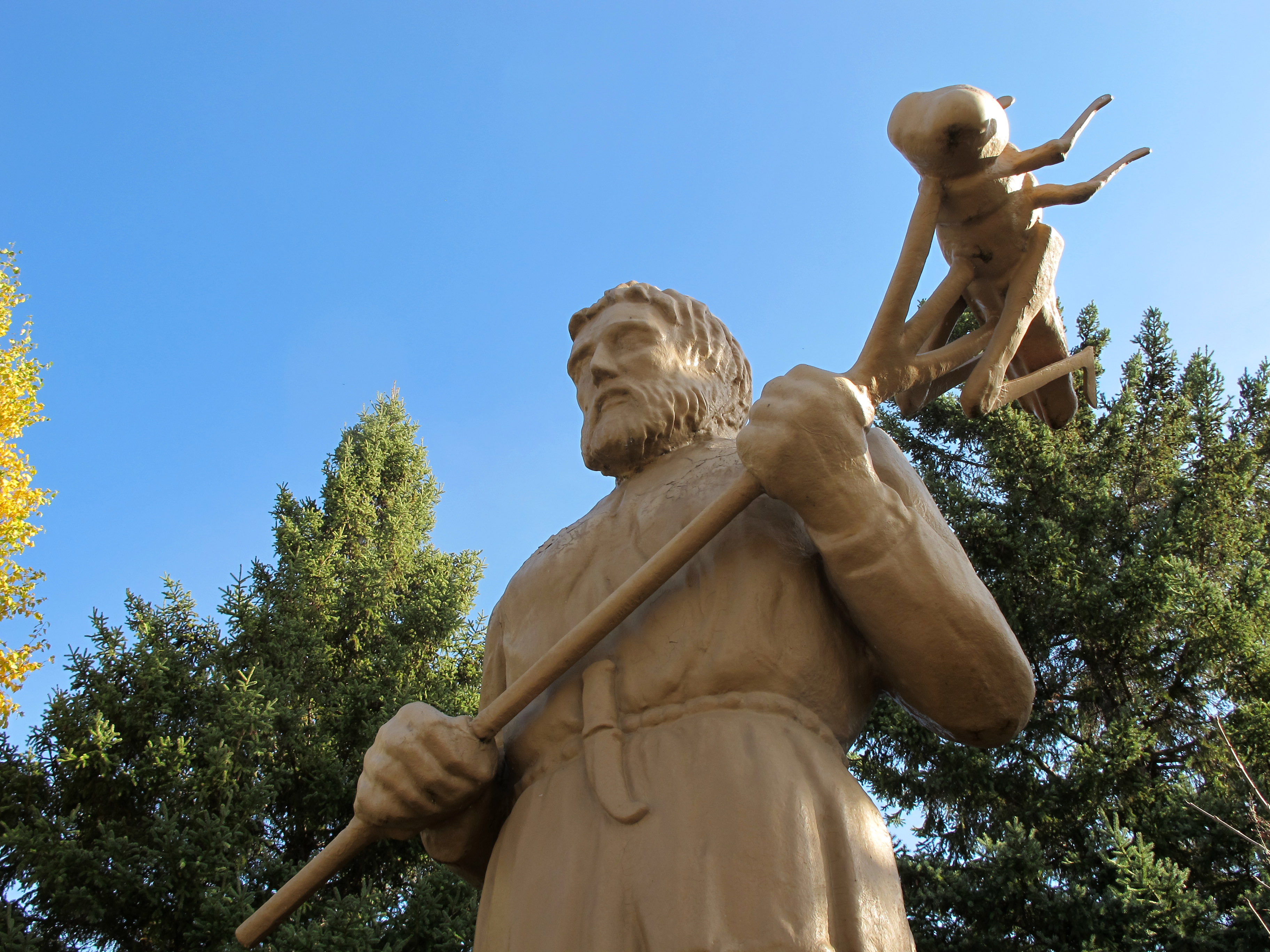
Happy Saint Urho’s Day on March 16th!
[By Staff reporters]
***
Saint Urho is a fictional saint of Finland, created and elaborated by Finnish Americans.
***
***
Finnish Americans comprise Americans with ancestral roots from Finland or Finnish people who emigrated to and reside in the United States. The Finnish American population numbered about 600,000 in the 1950s. To celebrate their heritage and pre-empted and extend celebrations of St. Patrick’s Day the day before.
***
***
NOTE: Blue grapes denoted Finnish wine. Just as a green 4-leaf clover represented “good luck” on St. Patrick’s Day.
Posted on March 16, 2024 by Dr. David Edward Marcinko MBA MEd CMP™
By Staff Reporters
***
***
Stocks fell yesterday after this week’s inflation data made investors worried about high prices. Tech companies took a hosing, especially Adobe, which dropped after releasing a weak sales forecast.
Here’s where the major benchmarks ended:
The S&P 500 index fell 33.39 points (0.7%) to 5,117.09, down 0.1% for the week; the Dow Jones Industrial Average lost 190.89 points (0.5%) to 38,714.77, down 0.02% for the week; the NASDAQ Composite fell 155.36 points (1.0%) to 15,973.17, down 0.7% for the week.
The 10-year Treasury note yield (TNX) rose about 1 basis point to 4.308%.
The CBOE Volatility Index® (VIX) rose 0.01 to 14.41.
Tech weakness sent the NASDAQ-100® (NDX), which includes the NASDAQ’s biggest non-financial companies, down 1.2% to its lowest level in over three weeks. The small-cap-focused Russell 2000® Index (RUT) bounced Friday but still ended the week with a 2.1% loss, breaking a two-week winning streak. Energy companies extended a recent rally behind climbing crude oil prices, pushing the Philadelphia Oil Services Index (OSX) up almost 5% for the week to its highest level since early November.
In other markets, the U.S. dollar strengthened behind expectations the Fed will keep interest rates high. The U.S. dollar index ($DXY) posted a gain of 0.7% for the week.
Posted on March 16, 2024 by Dr. David Edward Marcinko MBA MEd CMP™
By Staff Reporters
***
Zeno of Elea was a pre-Socratic Greek philosopher of Magna Graecia and a member of the Eleatic School founded by Parmenides. Aristotle called him the inventor of the dialectic. He is best known for his paradoxes, which Bertrand Russell described as “immeasurably subtle and profound”
Now, Zeno’s paradoxes are a set of philosophical problems generally thought to have been devised to support Parmenides’ doctrine that contrary to the evidence of one’s senses, the belief in plurality and change is mistaken, and in particular that motion is nothingbut an illusion.
Posted on March 16, 2024 by Dr. David Edward Marcinko MBA MEd CMP™
By Staff Reporters
***
***
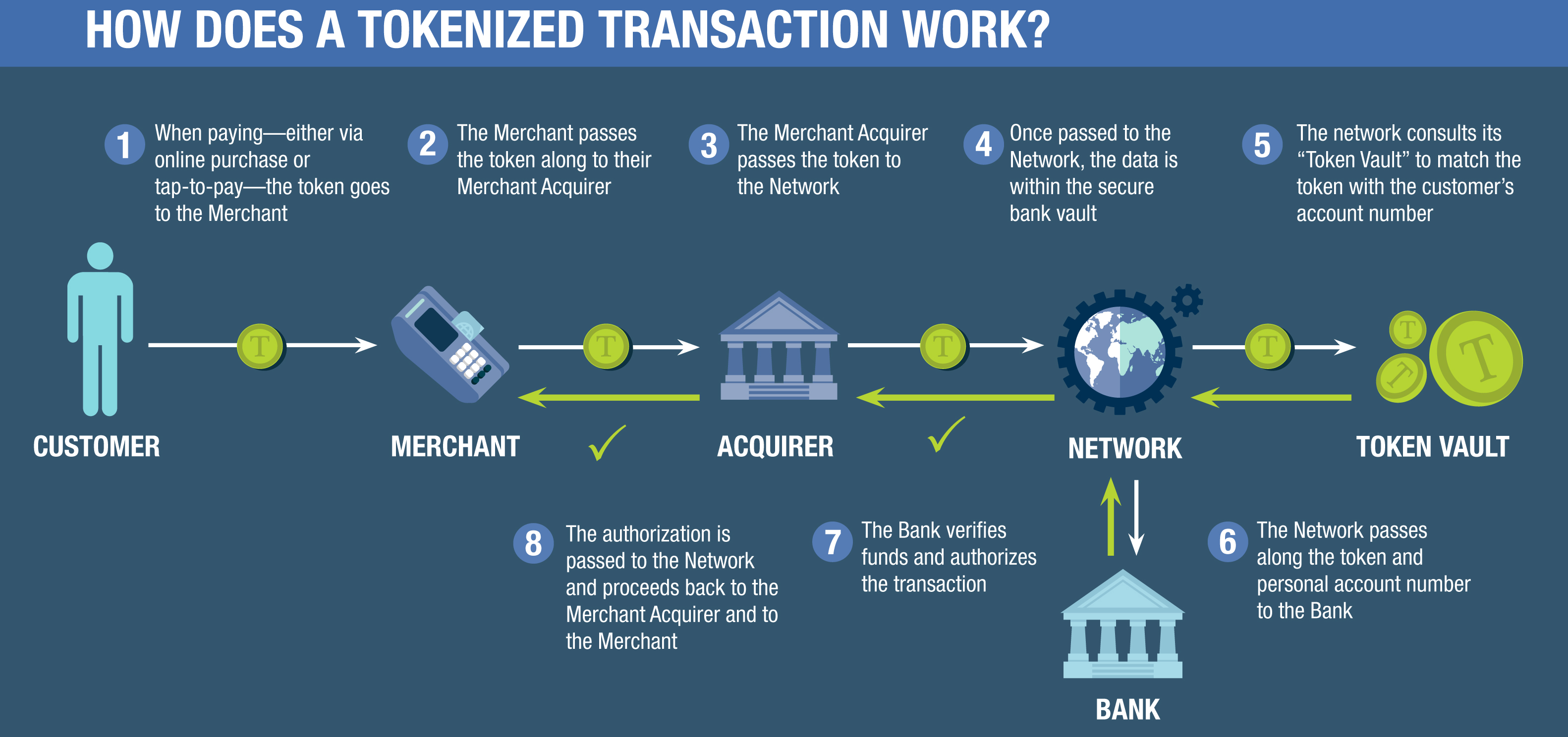
Tokenization is the process of converting an asset or the ownership rights of an asset to a unique unit called tokens. Tokens are commonly referred to when discussing blockchain technology, where they are used to indicate the ownership of a valuable asset.
Tokens can indicate ownership of tangible assets, like art, or they can indicate ownership of intangible assets, such as shares in a company or voting rights. Tokenization can occur for any item that is deemed valuable.
Tokens can then be used to transfer ownership of an asset, make payments and complete other financial tasks. An example of tokenization would be Bitcoin. It is a popular cryptocurrency that uses tokens to represent how much BTC a person owns.
Tokenization began as a type of data security for businesses that replaces sensitive information with unique, non-sensitive data. Tokens don’t contain the original data, but they usually share similar characters or formatting.
A user would need access to the tokens that are connected to the separately-stored originals in order to restore the tokens and view the secured data. Otherwise, a user would not be able to decipher the token to view the data. Therefore, they can be useful for securing personal information, financial transaction data and other sensitive data.
***
***
There are multiple types of blockchain tokenization and non-blockchain tokenization.
Blockchain Tokenization
Types of blockchain tokenization include:
Fungible tokenization. These are standard blockchain tokens. They have identical values, so they can easily replace one another — think of swapping one dollar for another dollar.
Non-fungible tokenization. These are less common blockchain tokens that do not have a set value. Instead, they represent ownership of an asset, such as digital art or real estate, that determines the value of the token.
Governance tokenization. These tokens represent voting rights and can be used to vote and collaborate on a blockchain system.
Utility tokenization. These tokens are used to give access to certain products and services on a specific blockchain, so they can be used to complete actions like paying transaction fees or operating a decentralized market system.
Non-blockchain Tokenization
Types of non-blockchain tokenization include:
Vault tokenization. This is the standard type of tokenization to protect payment information, where the token is used to process payments without providing card numbers or other data.
Vaultless tokenization. This is a type of tokenization used for payment processing that doesn’t require a token vault for storage. Instead, it uses cryptographic devices and algorithms to convert data to a token.
Natural language processing tokenization. This type of tokenization breaks information down into simpler terms to make it more easily understood by computers. It includes word, sub word and character tokenization.
While tokenization began with the idea of protecting data assets using non-blockchain tokenization, it has developed into a way to protect the ownership of many other types of assets by using blockchain technology.







 Support our online development, and advance our onground research initiatives in free market economics, as we seek to showcase the brightest Next-Gen minds.
THE ME-P DISCLAIMER: Posts, comments and opinions do not necessarily represent iMBA, Inc., but become our property after submission. Copyright © 2006 to-date. iMBA, Inc allows colleges, universities, medical and financial professionals and related clinics, hospitals and non-profit healthcare organizations to distribute our proprietary essays, photos, videos, audios and other documents; etc. However, please review copyright and usage information for each individual asset before submission to us, and/or placement on your publication or web site. Attestation references, citations and/or back-links are required. All other assets are property of the individual copyright holder.
Support our online development, and advance our onground research initiatives in free market economics, as we seek to showcase the brightest Next-Gen minds.
THE ME-P DISCLAIMER: Posts, comments and opinions do not necessarily represent iMBA, Inc., but become our property after submission. Copyright © 2006 to-date. iMBA, Inc allows colleges, universities, medical and financial professionals and related clinics, hospitals and non-profit healthcare organizations to distribute our proprietary essays, photos, videos, audios and other documents; etc. However, please review copyright and usage information for each individual asset before submission to us, and/or placement on your publication or web site. Attestation references, citations and/or back-links are required. All other assets are property of the individual copyright holder.





 The Leading Business Education Network for Doctors, Financial Advisors and Health Industry Consultants