







 Support our online development, and advance our onground research initiatives in free market economics, as we seek to showcase the brightest Next-Gen minds.
THE ME-P DISCLAIMER: Posts, comments and opinions do not necessarily represent iMBA, Inc., but become our property after submission. Copyright © 2006 to-date. iMBA, Inc allows colleges, universities, medical and financial professionals and related clinics, hospitals and non-profit healthcare organizations to distribute our proprietary essays, photos, videos, audios and other documents; etc. However, please review copyright and usage information for each individual asset before submission to us, and/or placement on your publication or web site. Attestation references, citations and/or back-links are required. All other assets are property of the individual copyright holder.
Support our online development, and advance our onground research initiatives in free market economics, as we seek to showcase the brightest Next-Gen minds.
THE ME-P DISCLAIMER: Posts, comments and opinions do not necessarily represent iMBA, Inc., but become our property after submission. Copyright © 2006 to-date. iMBA, Inc allows colleges, universities, medical and financial professionals and related clinics, hospitals and non-profit healthcare organizations to distribute our proprietary essays, photos, videos, audios and other documents; etc. However, please review copyright and usage information for each individual asset before submission to us, and/or placement on your publication or web site. Attestation references, citations and/or back-links are required. All other assets are property of the individual copyright holder.


Domestic Personal Savings Rate Increasing?
By Somnath Basu PhD, MBA [www.clunet.edu/cif]
[Director California Institute of Finance]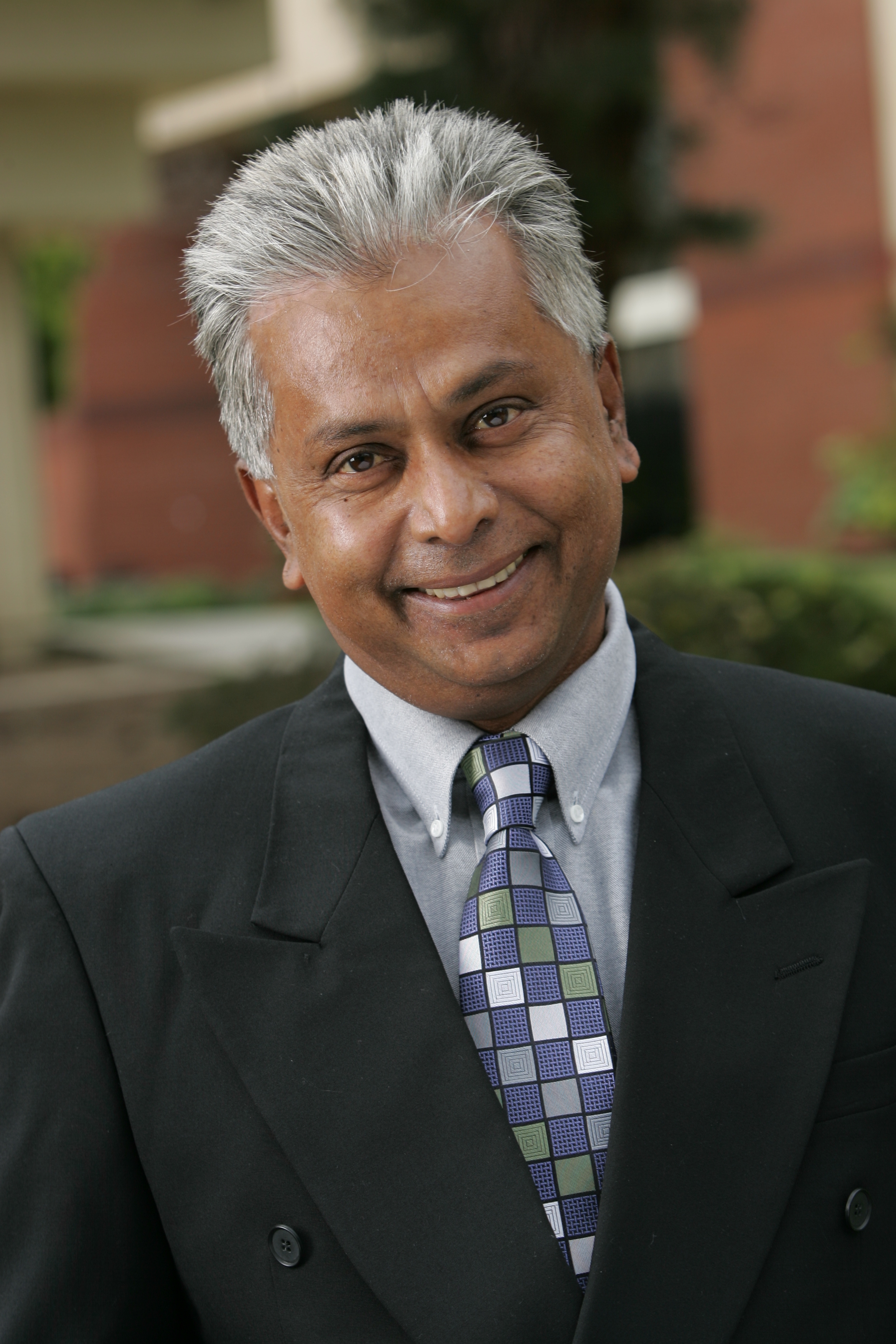
There is a heartening change that we are observing today, an event that is truly national in character. At the bottom of the financial abyss we single-handedly turned around our personal savings for the first time in 12 years. The chart (Department of Commerce publications data) below expresses this turnaround emphatically.
Graph: Personal Savings Rate
It is the timing of this turnaround that is so heartening. The realization that this crisis may truly be worse than any other enabled us as a nation to halt this decline. We have our emergency “nest eggs’ rebuilt again. Amazing still is that this feat was achieved with a determined effort to curtail our consumption levels to ensure that our emergency funds were rebuilt. Again, a similar chart expresses this aspect much better.
Graph: Change in Consumption
What next then? With our emergency nest eggs rebuilt, we must now ponder the question as to continue to increase our savings or not. For lay and senior physicians, the object would be to ensure they did not outlive their funds. For those medical professionals, and the rest of us, between the ages of 45-65 in general, retirement must loom somewhere, and retirement is sweet. Similarly, for those between ages 25 to 45, thoughts would turn towards families, home purchase and children’s education; all worthwhile savings objectives.
Assessment
Thus, the central question is whether we should increase our current consumption or postpone consumption to attain our future objectives. Only time will tell whether we continue the trend of increasing savings and moderating consumption or whether we go back to drawing down on our savings to increase current consumption.

Conclusion
And so, your thoughts and comments on this ME-P are appreciated. What is your propensity to save or consume? Is it more or less for medical professionals? Feel free to review our top-left column, and top-right sidebar materials, links, URLs and related websites, too. Then, be sure to subscribe. It is fast, free and secure.

Editor’s Note: Somnath Basu PhD is program director of the California Institute of Finance in the School of Business at California Lutheran University where he’s also a professor of finance. He can be reached at (805) 493 3980 or basu@callutheran.edu. See the agebander at work at www.agebander.com
Speaker: If you need a moderator or speaker for an upcoming event, Dr. David E. Marcinko; MBA – Publisher-in-Chief of the Medical Executive-Post – is available for seminar or speaking engagements. Contact: MarcinkoAdvisors@msn.com
OUR OTHER PRINT BOOKS AND RELATED INFORMATION SOURCES:
- PHYSICIANS: www.MedicalBusinessAdvisors.com
- PRACTICES: www.BusinessofMedicalPractice.com
- HOSPITALS: http://www.crcpress.com/product/isbn/9781466558731
- CLINICS: http://www.crcpress.com/product/isbn/9781439879900
- ADVISORS: www.CertifiedMedicalPlanner.org
- BLOG: www.MedicalExecutivePost.com
- FINANCE: Financial Planning for Physicians and Advisors
- INSURANCE: Risk Management and Insurance Strategies for Physicians and Advisors


Share this:

Filed under: Financial Planning, Funding Basics, Investing, Op-Editorials | Tagged: California Institute of Finance, california lutheran university, consumption function, financial emergencies, Financial Planning, personal savings rate, propensity to consume, Somnath Basu |
 The Leading Business Education Network for Doctors, Financial Advisors and Health Industry Consultants
Dr. Basu
I always enjoy and look forward to your thoughtful posts. And, I note this post on increased savings follows the one yesterday on the economics of stock market fear.
So, as a clinical psychologist, please allow me to suggest that there is a correlation here; no coincidence at all in the opposing themes. Why?
When we are insecure [fearful and pessimistic], we tend to save. But, when we feel positive [bold and secure], we tend to spend. This is nothing more than the “human condition.”
Fraternally,
Drake J. Edwards, PhD
LikeLike
Emergency Prep
Preparing for an unanticipated and unforeseen financial disaster may seem like an oxymoron. How can you possibly prepare for something that is unknown?
You can, as long as you remember that the only thing really “unknown” about most potential financial calamities is their timing. We know perfectly well we’re likely to have emergencies; we just don’t know exactly what or when. They may take the form of expensive car repairs, trips to the emergency room, the loss of a job, or a significant investment loss. The question really isn’t “if;” it’s “when.”
The Tips
Here are four tips on preparing for the inevitability of a financial calamity.
1. Get out of debt, now. Since most financial disasters have a lack of cash flow at their core, existing debt payments will only multiply your financial distress. The double whammy of a financial catastrophe is not being able to make your debt payments and adding the trauma of a home foreclosure, a vehicle repossession, or ruining your credit rating when you can least afford to. In addition, one option in a financial calamity is borrowing the needed funds to get you through to the other side. If you are already heavily in debt going into the crisis, it’s highly unlikely you can borrow more just at the time you may really need to.
2. Build an emergency reserve and leave it alone. Based on the high unemployment of the last three years, I shouldn’t have to build a case for having six to 12 months of household expenses in a reserve account. No matter how secure you think your job is or how much you hate having money sitting in a money market account earning next to nothing, you need an emergency reserve. This is not an investment, it is insurance against inevitable financial calamities. Also, never raid your emergency reserve for unplanned lifestyle expenses. Vacations, Christmas, taxes, and new vehicles are not emergencies. You need a separate savings account for these anticipated expenses.
3. Insure yourself against the unknown. Insurance is one of the most efficient tools you can use to protect yourself from financial calamity. Adequate auto, renters or homeowners insurance is always a must. If you have young children you need a minimum of $500,000 of life insurance on both working and stay-at-home parents. Younger people also have a greater chance of becoming disabled than dying, so adequate long term disability covering two to three years of income is important. Having the right insurance is important as well. I don’t recommend cancer, flight, or credit life insurance. They are expensive and largely unneeded if you have your base insurance needs covered.
4. Diversify your investments among asset classes. The best insurance you can have against inevitable economic plunges is to own some of what’s going down and some of what is inevitably going up. While getting out of the market prior to a downturn and buying back in at the bottom sounds logical, believing you can execute that strategy is insane. Diversification doesn’t just mean owning different types of stock funds or buying from different investment brokers, either. It means having lots of asset classes in your portfolio like global stocks and bonds, real estate, commodities, TIPs bonds, and alternative investments. The easiest way start building a diversified portfolio is to find a diversified mutual fund that will do this for you. A couple of examples are First Eagle Global and American Capital Income Builder.
Conclusion
Protecting yourself with these four strategies can ease your fears about what financial calamities might happen. You’ll know that whenever they do, you will be prepared.
Rick Kahler CFP® MS ChFC CCIM
http://www.KahlerFinancial.com
LikeLike
Yellen Speaks
The Great Recession showed that a large number of American families are “extraordinarily vulnerable” to financial setbacks because they have few assets to fall back on, according to Federal Reserve Chair Janet Yellen.
http://news.msn.com/us/yellen-says-us-families-need-to-boost-savings
Any thoughts?
Branch
LikeLike