Developing New Medical Practice 2.0 “People” Skills

Join Our Mailing List 

The Times are Changing in …. 2015 and Beyond

[By Render S. Davis MHA CHE]

[By Dr. David Edward Marcinko MBA CMP™]
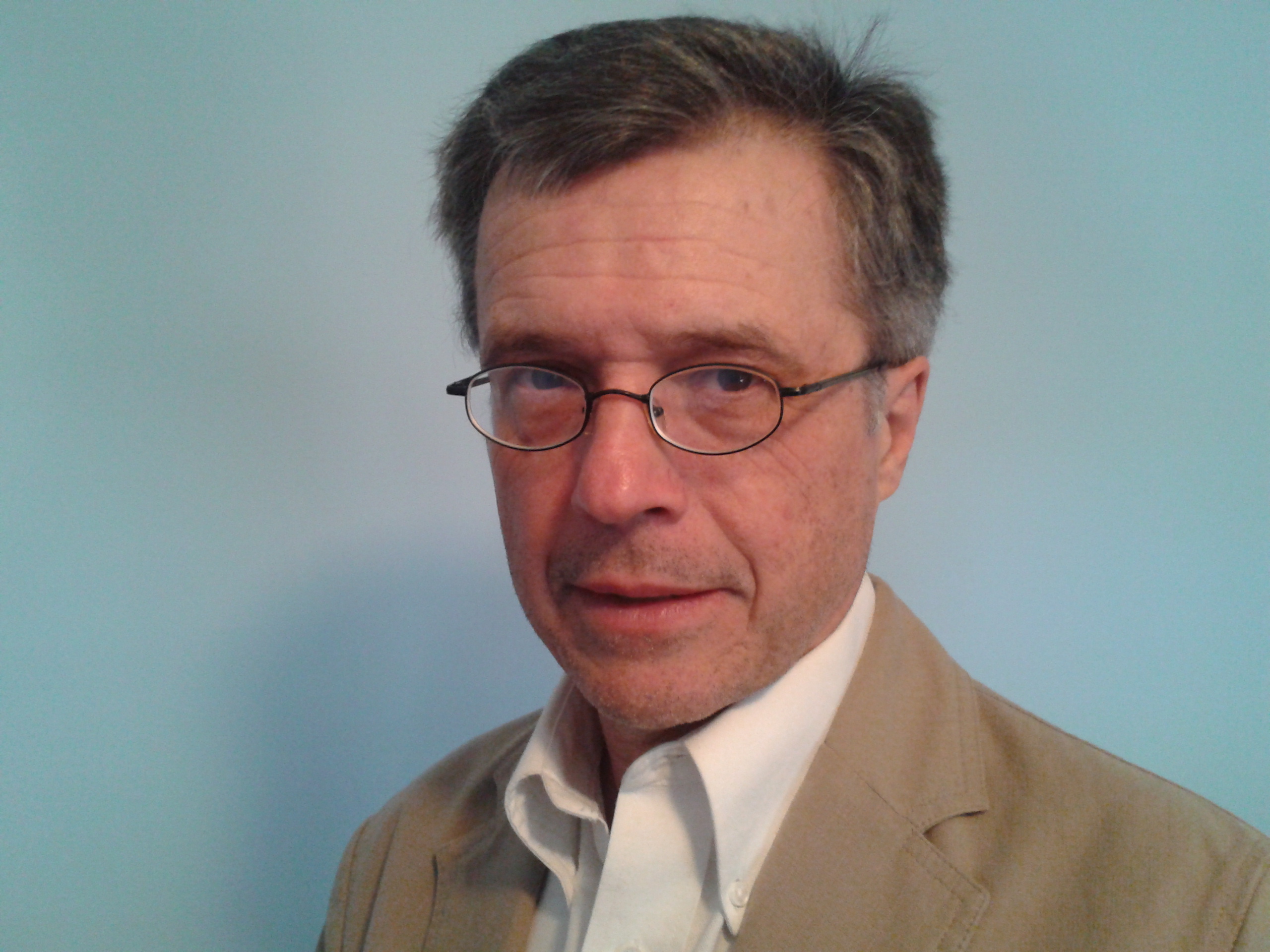
DEM white  shirtMedical practice today is vastly different from a generation ago, and physicians need new skills to be successful, and reduce liability risks while improving care delivery at lower costs.

In order to balance their obligations to both individual patients and to larger groups, physicians now must become more than competent clinicians.

Bedside Manner?

Traditionally, the physician was viewed as the “captain of the ship,” in charge of nearly all the medical decisions, but this changed with the dynamics of managed care and the health reform of the PP-ACA.

Today, the physician’s role may be more akin to the ship’s navigator, utilizing his or her clinical skills and knowledge of the health care environment to chart the patient’s course through a confusing morass of insurance requirements, care choices, and regulations to achieve the best attainable outcome.

Some of these new 2.0 “People” skills include:

  1. Negotiation – working to optimize the patient’s access to appropriate services and facilities;
  2. Being a team player – working in concert with other care givers, from generalist and specialist physicians, to nurses and therapists, to coordinate care delivery within a clinically appropriate and cost-effective framework;
  3. Working within the limits of professional competence – avoiding the pitfalls of payer arrangements that may restrict access to specialty physicians and facilities, by clearly acknowledging when the symptoms or manifestations of a patient’s illness require this higher degree of service; then working on behalf of the patient to seek access to them;
  4. Respecting different cultures and values – inherent in the support of the Principle of Autonomy is acceptance of values that may differ from one’s own. As the United States becomes a more culturally heterogeneous nation, health care providers are called upon to work within and respect the socio-cultural and/or spiritual framework of patients and their families;
  5. Seeking clarity on what constitutes marginal care – within a system of finite resources, physicians will be called upon to carefully and openly communicate with patients regarding access to marginal and/or futile treatments. Addressing the many needs of patients and families at the end of life will be an increasingly important challenge in both communications and delivery of appropriate, yet compassionate care;
  6. Supporting evidence-based practice – physicians should utilize outcomes data to reduce variation in treatments and achieve higher efficiencies and effectiveness of care delivery;
  7. Fostering transparency and openness in communications – physicians should be willing and prepared to discuss all aspects of care and treatment, especially when disclosing problems or issues that may arise;
  8. Exercising decision-making flexibility – treatment algorithms and clinical pathways are extremely useful tools when used within their scope, but physicians must follow the case managed patient closely and have the authority to adjust the plan if clinical circumstances warrant;
  9. Fostering “patient and family centered care – whenever possible, medical treatments should be undertaken in a way that respects the patient’s values and preferences, and recognizes the important role to be played by family in supporting the patient’s care and well-being. For details on engaging families in this process, visit the website for the Institute for Family-Centered Care at www.familycenteredcare.org.;
  10. Becoming skilled in the art of listening and interpreting — In her ground-breaking book, Narrative Ethics: Honoring the Stories of Illness, Rita Charon, MD Ph.D., a professor of Clinical Medicine at Columbia University’s College of Physicians and Surgeons, writes of the extraordinary value of utilizing the patient’s narrative, or personal story, in the care and treatment process. She notes that, “medicine practiced with narrative competence will more ably recognize patients and diseases, convey knowledge and regard, join humbly with colleagues, and accompany patients and their families through ordeals of illness.” In many ways, attention to narrative returns medicine full circle to the compassionate and caring foundations of the patient-physician relationship.

***

Masks

[The Masks of Change]

Courtesy SplitShire

*** 

Assessment

These represent only a handful of examples to illustrate the myriad of new skills that today’s savvy physicians must master in order to meet their timeless professional obligation of compassionate patient care; coupled with risk avoidance, assumption, transference and reduction mechanisms.

*NOTE: Health 2.0 is information exchange plus technology. It employs user-generated content, social networks and decision support tools to address the problems of inaccessible, fragmentary or unusable health care information. Healthcare 2.0 connects users to new kinds of information, fundamentally changing the consumer experience (e.g., buying insurance or deciding on/managing treatment), clinical decision-making (e.g., risk identification or use of best practices) and business processes (e.g., supply-chain management or business analytics.

About the Author

Render Davis was a Certified Healthcare Executive, now retired from Crawford Long Hospital at Emory University, in Atlanta, GA He served as Assistant Administrator for General Services, Policy Development, and Regulatory Affairs from 1977-95.  He is a founding board member of the Health Care Ethics Consortium of Georgia and served on the consortium’s Executive Committee, Advisory Board, Futility Task Force, Strategic Planning Committee, and chaired the Annual Conference Planning Committee, for many years.

MORE:

Channel Surfing the ME-P

Have you visited our other topic channels? Established to facilitate idea exchange and link our community together, the value of these topics is dependent upon your input. Please take a minute to visit. And, to prevent that annoying spam, we ask that you register. It is fast, free and secure.

Conclusion

Your thoughts and comments on this ME-P are appreciated. Feel free to review our top-left column, and top-right sidebar materials, links, URLs and related websites, too. Then, subscribe to the ME-P. It is fast, free and secure.

Speaker: If you need a moderator or speaker for an upcoming event, Dr. David E. Marcinko; MBA – Publisher-in-Chief of the Medical Executive-Post – is available for seminar or speaking engagements. Contact: MarcinkoAdvisors@msn.com

OUR OTHER PRINT BOOKS AND RELATED INFORMATION SOURCES:

Comprehensive Financial Planning Strategies for Doctors and Advisors: Best Practices from Leading Consultants and Certified Medical Planners(TM)* 8

The 2.0 Healthcare Marketing Culture

Determining your Medical Practice-Niche Focus

By: Dr. David Edward Marcinko; MBA, CMP™

Courtesy: http://www.CertifiedMedicalPlanner.org

cropped-dem

[Publisher-in-Chief]

It is believed that small to medium sized independent medical practices will have limited appeal to patients and buyers of medical services in the nascent Healthcare 2.0 future. Here’s why?

Healthcare 2.0 Defined

According to Matthew Holt, and other sources, Healthcare 2.0 may be defined as:

 “a rapidly developing and powerful new business approach in the health care industry that uses the Web to collect, refine and share information. It is transforming how patients, professionals, and organizations interact with each other and the larger health system. The foundation of healthcare 2.0 is information exchange plus technology. It employs user-generated content, social networks and decision support tools to address the problems of inaccessible, fragmentary or unusable health care information. Healthcare 2.0 connects users to new kinds of information, fundamentally changing the consumer experience (e.g., buying insurance or deciding on/managing treatment), clinical decision-making (e.g., risk identification or use of best practices) and business processes (e.g., supply-chain management or business analytics)”.

Marketing and Advertising

Thus, the marketing and advertising of medical services through traditional channels [patient word-of-mouth, physician referrals, newspapers and magazines, insurance handbooks, internet, etc] is diminishing and will be soon gone forever. In its place, as a surviving healthcare 2.0 medical-executive, you must philosophically decide to become either a discount, service or value provider, and then aggressively pursue this cultural strategy in your medical practice, clinic or healthcare organization. And, as we see it, there will be three types of cultures to investigate:

1. The Service Provider

A medical provider committed to a service philosophy must be willing to do whatever it takes to satisfy the patient.  For example, this may mean providing weekend, weeknight, or holiday office hours, instead of a routine 9-5 schedule. House calls, hospital visits, prison calls and nursing home rounds would be included in this operational model.  Children, elderly patients or those with mental, physical or chemically induced challenges are all fertile niches of a core service philosophy. Managed care contracts are eschewed, as concierge practices exemplify this culture.   

2. The Discount Provider

A discount provider is one who has made a conscious effort to practice low cost, but high volume medicine.  For example, discount providers must depend on economics of scale to purchase bulk supplies, since this model is ideal for multi-doctor practices.  Otherwise, several practitioners must establish a network, or synergy, to create a virtual organization to do so. In this manner, malpractice insurance, major equipment and other recurring purchases can be negotiated for the best price.  Another major commitment must be made to computerized office automation devices, eMRs, RHOs, etc. By necessity, such as offices are small, neatly but sparsely furnished, with functional and utilitarian assets.  Most all managed care contracts just be aggressively sought since patient flow and volume is the key to success in this organizational type.

3. The Value-Added Provider

A value-added medical provider is committed to practicing at the highest and riskiest levels of medical and surgical care and has the credentials and personality to do so.  Value differentiation is based on such factors as; healthcare 2.0 fluency, board certification, hospital privileges, subspecialty identification or other unique attributes such as fluency in a second language or acceptance into an ethnocentric locale. This brand identification must be enunciated in your marketing activities, and genre, as you answer the question: What can I offer that no one else can?  

Assessment

One sound marketing approach for the future of Healthcare 2.0 is to rely on a leader in the hospital, medical clinic and healthcare administration publication industry. 

For example, this complimentary Executive-Post forum and our subscription companion 2-volume 24 chapter premium quarterly guide, is relevant to the entire fluctuating healthcare space and can be a valuable navigation tool in these troubling economic times. It will help you survive in the era of Healthcare 2.0

Disclaimer: I am the Editor-in-Chief of: Healthcare Organizations: [Journal of Financial Management Strategies].

Link: http://feeds.feedburner.com/HealthcareFinancialsthePostForcxos 

Channel Surfing the ME-P

Have you visited our other topic channels? Established to facilitate idea exchange and link our community together, the value of these topics is dependent upon your input. Please take a minute to visit. And, to prevent that annoying spam, we ask that you register. It is fast, free and secure.

Conclusion

Your thoughts and comments on this ME-P are appreciated. Feel free to review our top-left column, and top-right sidebar materials, links, URLs and related websites, too. Then, subscribe to the ME-P. It is fast, free and secure.

Speaker: If you need a moderator or speaker for an upcoming event, Dr. David E. Marcinko; MBA – Publisher-in-Chief of the Medical Executive-Post – is available for seminar or speaking engagements. Contact: MarcinkoAdvisors@msn.com

***

Product Details

***

Patient Focused Health Care 2.0

An Emerging Competitive Trend

Dr. David Edward Marcinko; MBA, CMP™

Publisher-in-Chief

One emerging competitive trend in medicine today is patient-focused healthcare. This concept focuses on patient needs and attempts to humanize patient care.

A Multi-Dimensional Approach

According to Professor Gregory O. Ginn; PhD, MBA, CPA of the UNLV department of healthcare administration, patient focused health care [PFHC] 2.0 is protean and multidimensional, and therefore incorporates the following:

  • patient education;
  • active participation of the patient;
  • involvement of the family;
  • nutrition; art; and music, etc.

Benefits

These issues are thought to improve patient outcomes. Furthermore, some think that patients will benefit from learning how to cope with healthcare processes before they enter into those processes and that this knowledge will result in better outcomes.

Example:

A case model example by Professor Ginn, as seen in www.HealthcareFinancials.com, would be classes to prepare couples for childbirth.

“These classes teach prospective parents the different stages of labor and strategies for dealing with the challenges associated with each stage. They cover options for pain management such as breathing and relaxation techniques and/or analgesics. The classes also provide education about clinical options such as induced labor and caesarian sections, and they cover practical issues such as what to wear and what kind of car seat to buy to transport the newborn home.”

Other Trends

According to the October 2008 issue of Managed Healthcare Executive, other emerging competitive healthcare trends include:

  • Consumer engage care choices,
  • Payment reform,
  • Industry quality and economic benchmarks,
  • Medical home models,
  • Evidence-based medicine,
  • Disease Management, and
  • Comparative effectiveness studies.

Assessment

PFHC 2.0, medical and health education is enormously beneficial in reducing stress and improving the decision-making ability of patients who are involved in healthcare processes. Related disease management [DM] examples include: asthma, diabetes, hypertension, CHF, COPD, CAD, obesity, arthritis and a host of others.  

Conclusion

Please subscribe and contribute your own thoughts, experiences, questions, knowledge and comments on this topic for the benefit of all our Executive-Post readers.

Related Information Sources:

Practice Management: http://www.springerpub.com/prod.aspx?prod_id=23759

Physician Financial Planning: http://www.jbpub.com/catalog/0763745790

Medical Risk Management: http://www.jbpub.com/catalog/9780763733421

Healthcare Organizations: www.HealthcareFinancials.com

Health Administration Terms: www.HealthDictionarySeries.com

Physician Advisors: www.CertifiedMedicalPlanner.com

Speaker: If you need a moderator or speaker for an upcoming event, Dr. David E. Marcinko; MBA – Publisher-in-Chief of the Executive-Post – is available for seminar or speaking engagements. Contact: MarcinkoAdvisors@msn.com  or Bio: www.stpub.com/pubs/authors/MARCINKO.htm

Emerging Healthcare 2.0 Initiatives

Join Our Mailing List

Questions to Consider

Dr. David Edward Marcinko; MBA, CMP™

[Publisher-in-Chief]

Hope Rachel Hetico; RN, MHA, CMP™

[Managing-Editor]dave-and-hope4

Although not always prone to professional introspection, we nevertheless had the recent occasion to ponder the future of the emerging initiative [healthcare business model or philosophy] known as healthcare 2.0.

But, of course, before any discussion begins we must operatively define our terms.

Definitions

Ever since the term “web 2.0” was used in 2004, there has been an inordinate amount of chatter about what web 2.0 really is and its true impact. No one’s really defined it clearly, but we think the web evolution essentially falls into 3 generations:

Web 1.0 – information is communicated from a company [medical practice or hospital] to its customers [individuals or patients]. This is your basic B2C or [business-to consumer] website. The web becomes one big encyclopedia of information by aggregating all these information repositories.

Web 2.0 – information is communicated between company and individuals AND collaboratively between and among individuals. And so, if web 1.0 was a book, web 2.0 is a live discussion.

Healthcare 2.0 – Scott Shreeve MD of Cross Over Health defines healthcare 2.O as:

 “A New concept of healthcare wherein all the constituents (patients, physicians, providers, and payers) focus on healthcare value (outcomes/price) and use competition at the medical condition level over the full cycle of care as the catalyst for improving the safety, efficiency, and quality of health care.”

Questions to Consider:

And so, we offer these questions to consider about Healthcare 2.0:

  • How are Web 2.0 technologies like social networks, wikis, podcasts, blogs and micro-blogs, mash-ups and online communities like this Executive-Post changing the face of the healthcare industry?
  • How are hospital systems, ASCs, medical clinics and physician practices evolving as a result of rapid technological change? 
  • How can health plans evolve in the face of emerging challenges with the help of new technologies and new thinking?
  • What will come of the recent controversies over genetic testing, the human genome project and 23andMe for example, and the privacy of patient data?
  • How does transparent financial and reimbursement data impact the competitive scene?
  • How does transparent physician and hospital quality information affect the competitive scene?
  • Where does the hype over social networks and user-generated content end and the reality begin?
  • Does the initiative enhance or detract from traditional medical care delivery models?
  • Does the initiative enhance or detract from new-wave concierge or retail medical modes?
  • Is this positive or negative for patients, providers, payers and venues?

Healthcare 3.0

Soon it will not be information anymore; it will be intelligence – artificial or virtual intelligence. You’d interact with it almost like another person. The web won’t just blindly do what we tell it do to, it’ll think for you.

Web 3.0 presents some amazing opportunities in healthcare. For example, imagine being able to be diagnosed by your computer or have your toilet run a SMAC 10 or SMAC 20 on you? Imagine going to Costco®, scanning a barcode with your web-enabled phone, and being instantly notified that your purchase is HSA-eligible.

One day, you’ll type into some (probably Google-like Chrome) search engine or MSFT interface:

“I want to find a podiatric surgeon who’s done at least 100 ankle fusions, who operates on Saturdays near my house, who takes my insurance at XYZ surgery center, who has never been sued, and enjoys playing the flute.”

Voi-la! – Your results would be back with an offer to set up an appointment.

Assessment

Anyway, we digress and don’t have to worry about healthcare 3.0 just yet. Let’s get back to 2008 and see where healthcare is with 2.0.

The primary question really is: where on the web do you go to interact with others about healthcare-related topics? And,is the digital workforce leading, or lagging, in the adoption of social and AI computing for healthcare?

Conclusion

Your thoughts and comments on this ME-P are appreciated. Feel free to review our top-left column, and top-right sidebar materials, links, URLs and related websites, too. Then, subscribe to the ME-P. It is fast, free and secure.

Speaker: If you need a moderator or speaker for an upcoming event, Dr. David E. Marcinko; MBA – Publisher-in-Chief of the Medical Executive-Post – is available for seminar or speaking engagements. Contact: MarcinkoAdvisors@msn.com

OUR OTHER PRINT BOOKS AND RELATED INFORMATION SOURCES:


Product DetailsProduct DetailsProduct Details

Culture Change in Nursing Homes

Join Our Mailing List

Commonwealth Fund Survey of Nursing Homes

[Staff Reporters]

The “medical culture change” movement is working to radically transform nursing home care, and help facilities transition from institutions to home.

Survey Highlights

The following highlights just a few of the findings from the Commonwealth Fund 2007 National Survey of Nursing Homes report, released in May 2008:. 

  • Fifty-eight percent of culture change adopters allow residents to determine their own schedules, compared with only 22 percent of traditional nursing homes.
  • Nearly two-thirds (64%) of culture change adopters implement bathing practices that are more resident-centered, while only 37 percent of traditional nursing homes do so.
  • Seven of 10 culture change adopters reported that residents are involved in decisions about their facility, but only one-quarter of traditional nursing homes (27%) involve residents in such decisions. 

Source: M. M. Doty, M. J. Koren, and E. L. Sturla: Culture Change in Nursing Homes: How Far Have We Come? Findings From The Commonwealth Fund 2007 National Survey of Nursing Homes, The Commonwealth Fund, May 2008 http://www.commonwealthfund.org

Conclusion

In any case, early planning is the key to supporting both your kids’ futures and your retirement. Making logical college funding decisions, rather than emotional ones, creates a win/win for everyone.

Your thoughts and comments on this ME-P are appreciated. Feel free to review our top-left column, and top-right sidebar materials, links, URLs and related websites, too. Then, subscribe to the ME-P. It is fast, free and secure.

Link: http://feeds.feedburner.com/HealthcareFinancialsthePostForcxos

Speaker: If you need a moderator or speaker for an upcoming event, Dr. David E. Marcinko; MBA – Publisher-in-Chief of the Medical Executive-Post – is available for seminar or speaking engagements. Contact: MarcinkoAdvisors@msn.com

Product DetailsProduct DetailsProduct Details

Faux Healthcare 2.0 Collaboration for Terminal Patients?

Join Our Mailing List 

American Society of Clinical Oncology Study

[By Staff Writers]

Only one-third of terminally ill cancer patients said their doctors had discussed end-of-life care, according to a recent federally funded study presented at the American Society of Clinical Oncology conference in Chicago.

Study Results

According to the study, patients who had these talks were no more likely to become depressed than those who did not. Moreover, they were less likely to spend their final days in hospitals tethered to machines, avoided costly futile care, and with loved ones more at peace after they died, reported the Associated Press on June 15, 2008.

Assessment

The study was the first to look at what happens to patients if they are, or are not, asked what kind of care they’d like to receive if they were dying, according to lead researcher Dr. Alexi Wright of the Dana-Farber Cancer Institute in Boston. The study involved 603 people in Massachusetts, New Hampshire, Connecticut and Texas. All had failed chemotherapy for advanced cancer and had life expectancies of less than a year.

And so, is the emerging new concept of collaborative or participatory medicine – known as Healthcare 2.0 – fact, fiction or just plain hype?

social-371649_640

Channel Surfing the ME-P

Have you visited our other topic channels? Established to facilitate idea exchange and link our community together, the value of these topics is dependent upon your input. Please take a minute to visit. And, to prevent that annoying spam, we ask that you register. It is fast, free and secure.

Conclusion

Your thoughts and comments on this ME-P are appreciated. Feel free to review our top-left column, and top-right sidebar materials, links, URLs and related websites, too. Then, subscribe to the ME-P. It is fast, free and secure.

Speaker: If you need a moderator or speaker for an upcoming event, Dr. David E. Marcinko; MBA – Publisher-in-Chief of the Medical Executive-Post – is available for seminar or speaking engagements. Contact: MarcinkoAdvisors@msn.com

OUR OTHER PRINT BOOKS AND RELATED INFORMATION SOURCES:

Product DetailsProduct DetailsProduct Details