
One Clinical Area Where Electronic Benefits May Exceed Paper’s Molecules
By Dr. David Edward Marcinko [Publisher-in-Chief]
www.BusinessofMedicalPractice.com
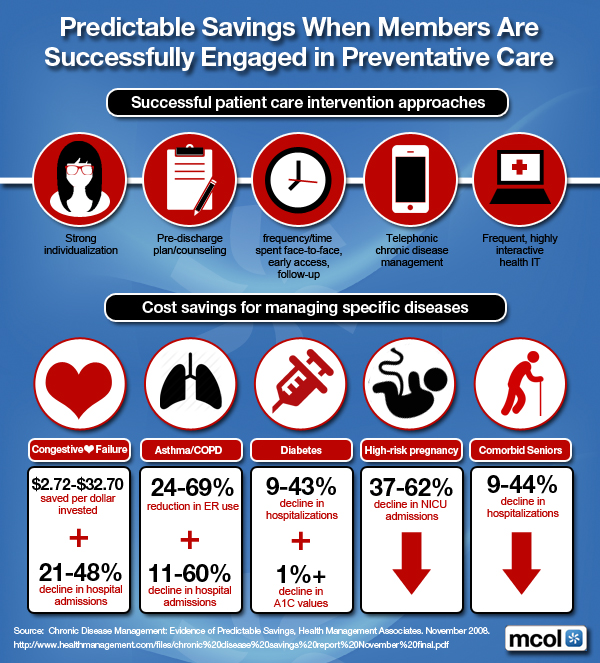
One area where technology assessments, clinical guidelines, and especially eMR aggregated data can make a true difference in patient care is in disease management.
The DMAA
The Disease Management Association of America (DMAA) defines disease management as “a system of coordinated health care interventions and communications for populations with conditions in which patient self-care efforts are significant”.
Disease management supports the physician-patient relationship and places particular significance on the prevention of exacerbations and complications of chronic diseases using evidence-based clinical guidelines and integrating those recommendations into initiatives to empower patients to be active partners with their physicians in managing their conditions.
Disease Targets
Typically, targets for disease management efforts include chronic conditions such as asthma, diabetes, chronic obstructive pulmonary disease, coronary artery disease, and heart failure, where patients can be active in self-care and where appropriate lifestyle changes can have a significant favorable impact on illness progression.
Link: Front Matter BoMP – 3
Outcomes Measurement
The DMAA also emphasizes the importance of process and outcomes measurement and evaluation, along with using the data to influence management of the condition.
Assessment
Although claims and administrative data can be used to measure and evaluate selected processes and outcomes, eMRs will be needed to capture the full spectrum of data for analyzing illness response to disease management programs and to support necessary changes in care plans to improve both intermediate outcomes (such as lab values), and long-range goals (such as the prevention of illness exacerbations, managing co-orbidities, and halting the progression of complications).
Is this where eMRs can shine far and above traditional ink and paper medical records?
Channel Surfing the ME-P
Have you visited our other topic channels? Established to facilitate idea exchange and link our community together, the value of these topics is dependent upon your input. Please take a minute to visit. And, to prevent that annoying spam, we ask that you register. It is fast, free and secure.
Conclusion
Your thoughts and comments on this ME-P are appreciated. Feel free to review our top-left column, and top-right sidebar materials, links, URLs and related websites, too. Then, subscribe to the ME-P. It is fast, free and secure.
Speaker: If you need a moderator or speaker for an upcoming event, Dr. David E. Marcinko; MBA – Publisher-in-Chief of the Medical Executive-Post – is available for seminar or speaking engagements. Contact: MarcinkoAdvisors@msn.com
OUR OTHER PRINT BOOKS AND RELATED INFORMATION SOURCES:

Filed under: Information Technology, Quality Initiatives, Research & Development | Tagged: david marcinko, Disease Management, Disease Management Association of America, EMRs, evidence based medicine, evidence-based clinical guidelines, www.BusinessofMedicalPractice.com | 1 Comment »





 Support our online development, and advance our onground research initiatives in free market economics, as we seek to showcase the brightest Next-Gen minds.
THE ME-P DISCLAIMER: Posts, comments and opinions do not necessarily represent iMBA, Inc., but become our property after submission. Copyright © 2006 to-date. iMBA, Inc allows colleges, universities, medical and financial professionals and related clinics, hospitals and non-profit healthcare organizations to distribute our proprietary essays, photos, videos, audios and other documents; etc. However, please review copyright and usage information for each individual asset before submission to us, and/or placement on your publication or web site. Attestation references, citations and/or back-links are required. All other assets are property of the individual copyright holder.
Support our online development, and advance our onground research initiatives in free market economics, as we seek to showcase the brightest Next-Gen minds.
THE ME-P DISCLAIMER: Posts, comments and opinions do not necessarily represent iMBA, Inc., but become our property after submission. Copyright © 2006 to-date. iMBA, Inc allows colleges, universities, medical and financial professionals and related clinics, hospitals and non-profit healthcare organizations to distribute our proprietary essays, photos, videos, audios and other documents; etc. However, please review copyright and usage information for each individual asset before submission to us, and/or placement on your publication or web site. Attestation references, citations and/or back-links are required. All other assets are property of the individual copyright holder.






 The Leading Business Education Network for Doctors, Financial Advisors and Health Industry Consultants