







 Support our online development, and advance our onground research initiatives in free market economics, as we seek to showcase the brightest Next-Gen minds.
THE ME-P DISCLAIMER: Posts, comments and opinions do not necessarily represent iMBA, Inc., but become our property after submission. Copyright © 2006 to-date. iMBA, Inc allows colleges, universities, medical and financial professionals and related clinics, hospitals and non-profit healthcare organizations to distribute our proprietary essays, photos, videos, audios and other documents; etc. However, please review copyright and usage information for each individual asset before submission to us, and/or placement on your publication or web site. Attestation references, citations and/or back-links are required. All other assets are property of the individual copyright holder.
Support our online development, and advance our onground research initiatives in free market economics, as we seek to showcase the brightest Next-Gen minds.
THE ME-P DISCLAIMER: Posts, comments and opinions do not necessarily represent iMBA, Inc., but become our property after submission. Copyright © 2006 to-date. iMBA, Inc allows colleges, universities, medical and financial professionals and related clinics, hospitals and non-profit healthcare organizations to distribute our proprietary essays, photos, videos, audios and other documents; etc. However, please review copyright and usage information for each individual asset before submission to us, and/or placement on your publication or web site. Attestation references, citations and/or back-links are required. All other assets are property of the individual copyright holder.


A Note to Diane Rehm
[By Darrell K. Pruitt; DDS]
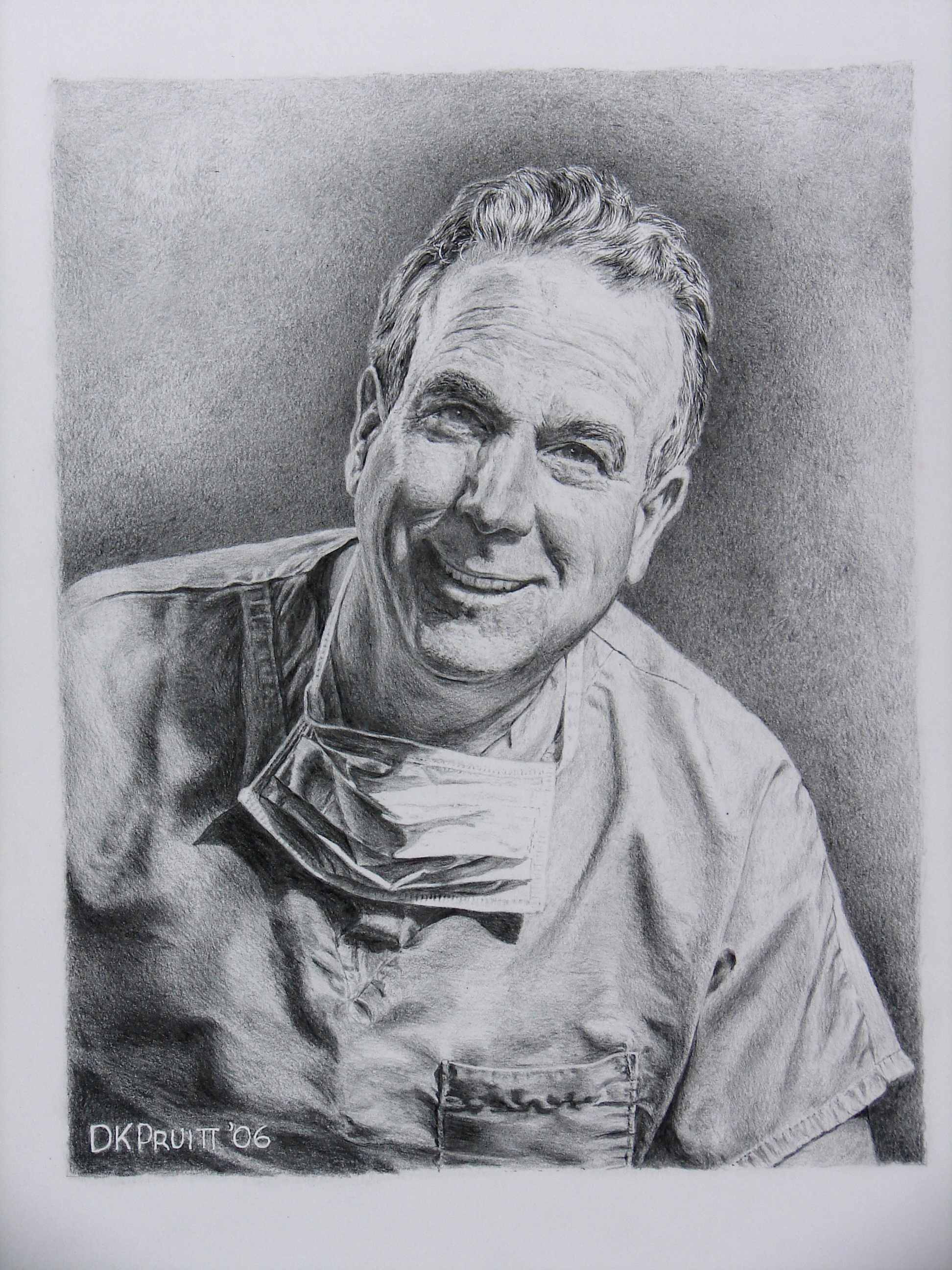 Dear Diane Rehm,
I always enjoy your show.
You add value to my drive to work.
As a dentist, I was especially interested in your March 10 show “Electronic Medical Records.”
In all the excitement that surrounds the 19 billion dollars our grandchildren have unwittingly granted to physicians and hospitals for “meaningful” adoption of certified eMRs, you probably haven’t noticed that nobody is talking about including dentistry in the conversion from paper to digital. Do you find that odd?
Small and Mid Sized Practices
Like small and mid sized physicians’ practices, small dental practices are intended to be part of the federal mandate for interoperable eMR adoption – even without the help from stimulus money that physicians receive. You probably weren’t aware that the stimulus money will run out before HHS gets around to defining “meaningful use” of eMRs in dental office. That would be impossible, but nevertheless, I anticipate that the attempts will be entertaining. Physicians in small practices typically have tens of thousands of paper charts as thick as phone books. On the other hand, a busy solo dental practice, like the majority of practices in the US, might have 5,000 files that are very thin in comparison to files that involve the whole body instead of just the bottom third of the face. That makes sense, doesn’t it?
Marginal Benefits May Not Exceed Marginal Costs
I listened to your guest Dr. Carol Horn, who practices internal medicine in private practice, as well as others involved in the actual delivery of healthcare. They list not only the benefits of eMR adoption, but in fairness, they also described the expense and liability of digital records that continue long after the tedious and dangerous conversion from paper to digital. In other words, it appears that the benefits for physicians barely make the effort worth the price, even with 19 billion dollars in help.
Editor’s Note: In economics, we say that the marginal benefits may not exceed the marginal costs; all things being equal.
Assessment
And so, it occurs to me that if dentists are to be included in the plans for digital interoperability, we will be very, very slow adopters for natural reasons: like eMRs in physicians’ offices, eMRs in dentists’ offices are more expense and trouble than they are worth – even before considering the bankruptcy-level liability of a data breach.
Most of those who champion eMRs for the entire healthcare system in the nation don’t realize that the bottleneck in dental offices isn’t the front desk. It’s the dentist who is hopefully taking his or her time providing care with those hands instead of working a keyboard.
Conclusion
Your thoughts and comments on this ME-P are appreciated. Feel free to review our top-left column, and top-right sidebar materials, links, URLs and related websites, too. Then, subscribe to the ME-P. It is fast, free and secure.
Link: http://feeds.feedburner.com/HealthcareFinancialsthePostForcxos
Speaker: If you need a moderator or speaker for an upcoming event, Dr. David E. Marcinko; MBA – Publisher-in-Chief of the Medical Executive-Post – is available for seminar or speaking engagements. Contact: MarcinkoAdvisors@msn.com
OUR OTHER PRINT BOOKS AND RELATED INFORMATION SOURCES:
- DICTIONARIES: http://www.springerpub.com/Search/marcinko
- PHYSICIANS: www.MedicalBusinessAdvisors.com
- PRACTICES: www.BusinessofMedicalPractice.com
- HOSPITALS: http://www.crcpress.com/product/isbn/9781466558731
- CLINICS: http://www.crcpress.com/product/isbn/9781439879900
- ADVISORS: www.CertifiedMedicalPlanner.org
- BLOG: www.MedicalExecutivePost.com
- FINANCE:Financial Planning for Physicians and Advisors
- INSURANCE:Risk Management and Insurance Strategies for Physicians and Advisors


Share this:

Filed under: Information Technology, Pruitt's Platform | Tagged: ADA, ARRA, carol horn, CCHIT, Darrell Pruitt, DDS, dentists, diane rehm, eDRs, electronic dental records, electronic medical records, EMRs, HHS, HIMSS, HITECH Act, meaningful use | 11 Comments »
 The Leading Business Education Network for Doctors, Financial Advisors and Health Industry Consultants