






 Support our online development, and advance our onground research initiatives in free market economics, as we seek to showcase the brightest Next-Gen minds.
THE ME-P DISCLAIMER: Posts, comments and opinions do not necessarily represent iMBA, Inc., but become our property after submission. Copyright © 2006 to-date. iMBA, Inc allows colleges, universities, medical and financial professionals and related clinics, hospitals and non-profit healthcare organizations to distribute our proprietary essays, photos, videos, audios and other documents; etc. However, please review copyright and usage information for each individual asset before submission to us, and/or placement on your publication or web site. Attestation references, citations and/or back-links are required. All other assets are property of the individual copyright holder.
Support our online development, and advance our onground research initiatives in free market economics, as we seek to showcase the brightest Next-Gen minds.
THE ME-P DISCLAIMER: Posts, comments and opinions do not necessarily represent iMBA, Inc., but become our property after submission. Copyright © 2006 to-date. iMBA, Inc allows colleges, universities, medical and financial professionals and related clinics, hospitals and non-profit healthcare organizations to distribute our proprietary essays, photos, videos, audios and other documents; etc. However, please review copyright and usage information for each individual asset before submission to us, and/or placement on your publication or web site. Attestation references, citations and/or back-links are required. All other assets are property of the individual copyright holder.


In My Dual Experience
[By Dr. David Edward Marcinko MBA CMP™]
[By Nalley Lexus, Roswell GA]
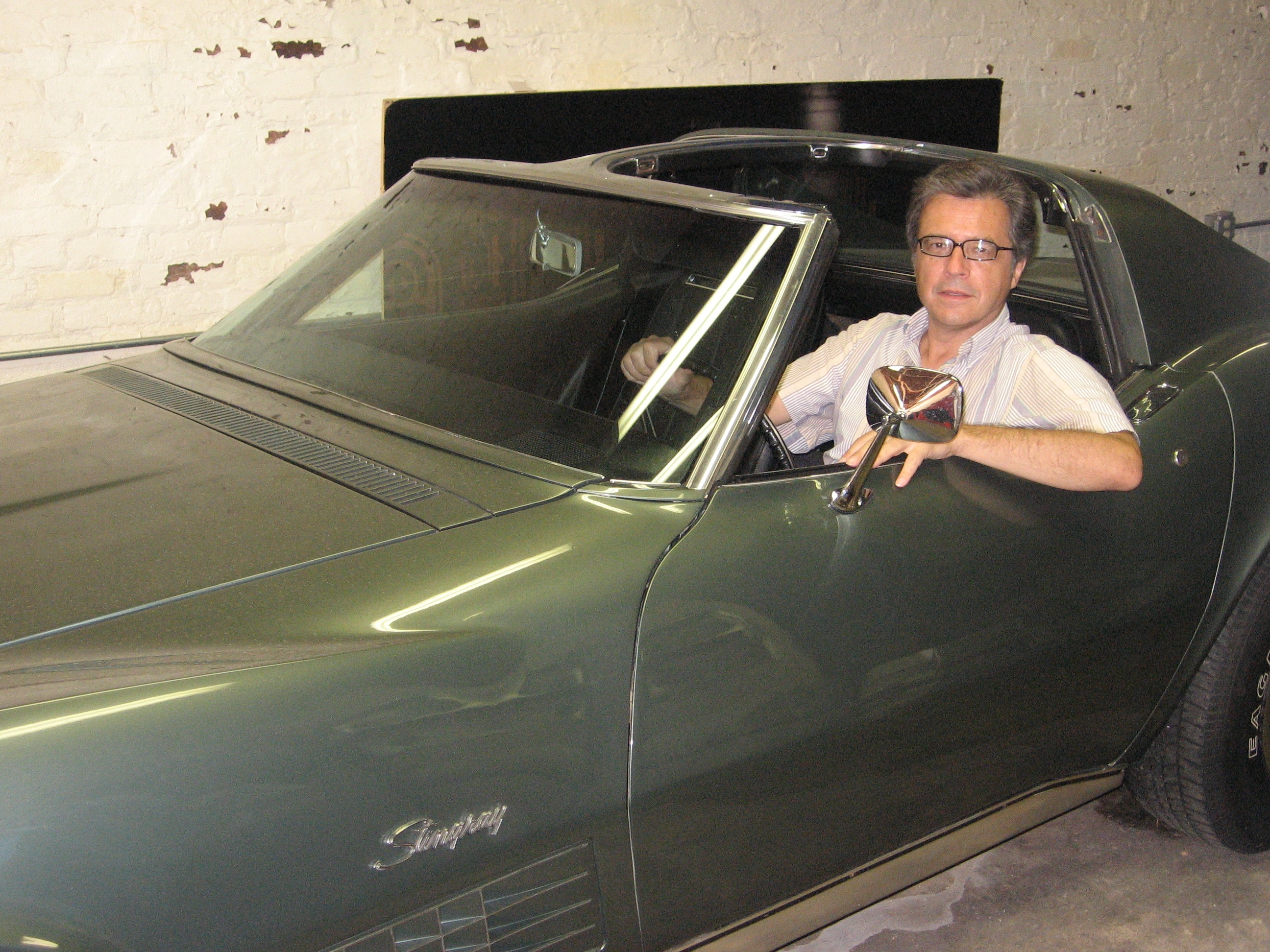 You can’t be sure how you will react in a car accident until you have experienced one.
I should know – I’ve been in accidents, am a doctor who covered the ER, and was a licensed property-casualty insurance agent for a decade.
The Event
Even if you aren’t physically hurt, the trauma during any accident can cause shock or fuzzy thinking at a time when you need to keep your wits. If you ever find yourself in an accident, insurance protection is vital, but it’s also important to remember these five tips:
The Five Tips:
- Assess for accident injuries
If possible, assess yourself and any passengers for injuries and immediately call for medical assistance if necessary. Should anyone be seriously injured or unable to move, try not to move them unless there is threat of a fire or they are on the road where they could be hit by another car. Act as a physician, if needed. OR, recall good Samaritan laws in your state?
- Safety first
For minor accidents, move both vehicles off the road for protection against moving traffic. If the damage to your vehicle is severe, keep it where it is until the police arrive. Turn on your emergency flashers to alert oncoming traffic.
- Stay calm and ask questions
This should not be difficult for physicians. No matter who is at fault during an accident, this is not the time to freak out or become overly emotional. Remain calm and with a clear head assess what happened and be ready to ask questions. Know exactly where your insurance information is located and other identification you’ll need to meet your legal requirements. Write down the names and contact information for all witnesses. If you are not at fault, and the accident wasn’t serious enough to involve a police report, do not let the other driver talk you into letting them mail you a check for the damage to your car. If they claim they don’t have insurance, ask questions about their car registration, name, and contact information, and give them your insurance information. Tell them you will be contacting your own agent to report the accident. If possible, take a photo of both cars showing the damage and license plates.
- Admit no fault
Answer no questions about fault with anyone except a police officer or your insurance company. Give no statements to the other driver’s insurance company or your words might be twisted and used against you. You also shouldn’t sign any legal documents from the other insurance company, especially if you feel they are pressuring you for an early settlement that you feel isn’t sufficient to cover your damage.
- Immediately report the accident to your insurance company
This is the moment when you’ll finally understand why you pay monthly premiums for insurance protection. Carry your agent’s name and phone number in our car and make the call as soon as possible. The sooner you contact them, the sooner they can help you with your claim. Keep a folder in your car with all your insurance contact information and this tip list. This way you’ll have all the information you need to help you think more clearly if you’re stressed during an accident.
***
***
***
More:
Assessment
The summer of 2014 is almost over – be careful out there.
Conclusion
Your thoughts and comments on this ME-P are appreciated. Feel free to review our top-left column, and top-right sidebar materials, links, URLs and related websites, too. Then, subscribe to the ME-P. It is fast, free and secure.
Speaker: If you need a moderator or speaker for an upcoming event, Dr. David E. Marcinko; MBA – Publisher-in-Chief of the Medical Executive-Post – is available for seminar or speaking engagements. Contact: MarcinkoAdvisors@msn.com
OUR OTHER PRINT BOOKS AND RELATED INFORMATION SOURCES:
- DICTIONARIES: http://www.springerpub.com/Search/marcinko
- PHYSICIANS: www.MedicalBusinessAdvisors.com
- PRACTICES: www.BusinessofMedicalPractice.com
- HOSPITALS: http://www.crcpress.com/product/isbn/9781466558731
- CLINICS: http://www.crcpress.com/product/isbn/9781439879900
- ADVISORS: www.CertifiedMedicalPlanner.org
- BLOG: www.MedicalExecutivePost.com
- FINANCE: Financial Planning for Physicians and Advisors
- INSURANCE: Risk Management and Insurance Strategies for Physicians and Advisors


Share this:

Filed under: Insurance Matters, LifeStyle, Risk Management, Touring with Marcinko | Tagged: an Auto Accidents, auto accidents, MVA accidents, property casualty insurance |


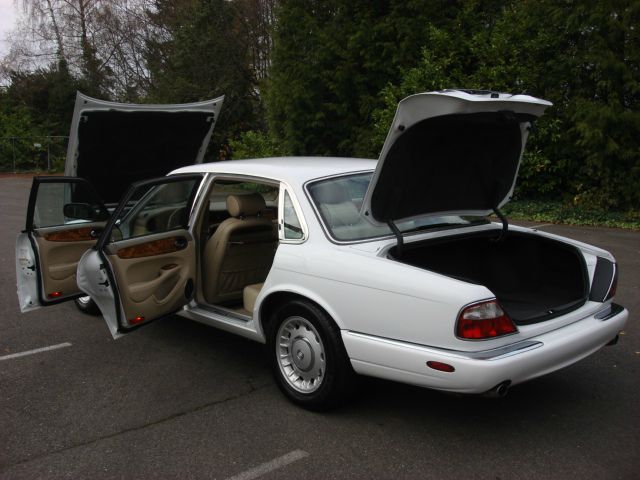
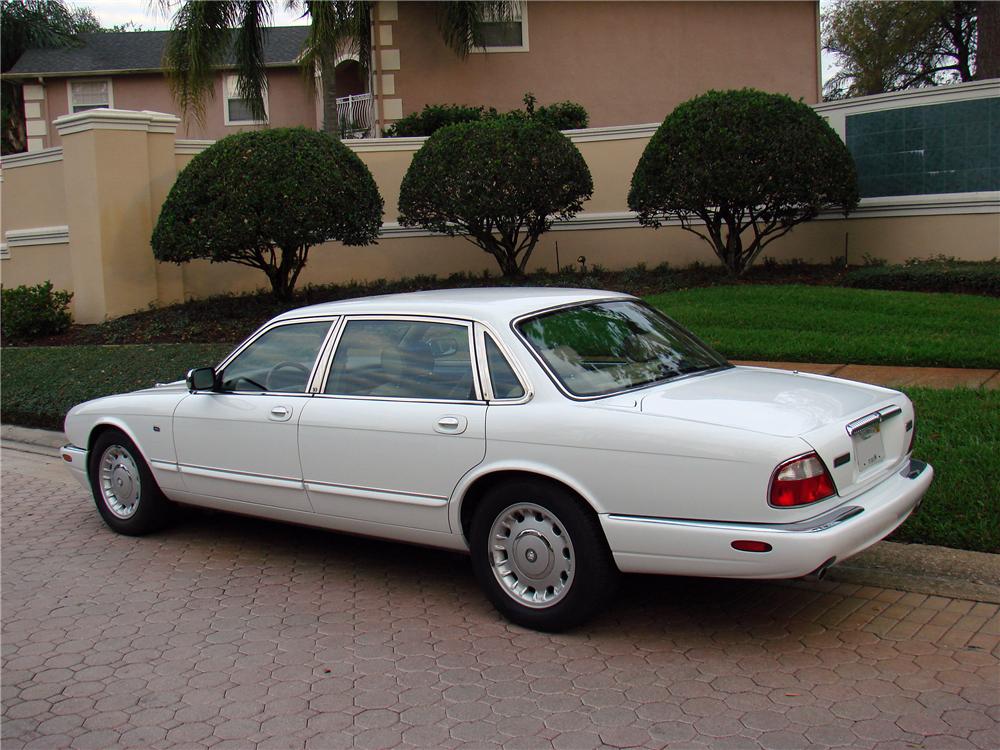
Go Jaguar
Quality and reliability rising.
http://content.usatoday.com/communities/driveon/post/2012/06/power-quality-study-lexus-1st-jag-leaps-gm-best-us/1?siteID=je6NUbpObpQ-nHME2FKYFDlEzDNbM0ERtw#.VAcBi7N0z5o
http://www.thedetroitbureau.com/2014/06/auto-quality-problems-on-the-rise-according-to-latest-j-d-power-iqs/
http://www.thedetroitbureau.com/2014/06/auto-quality-problems-on-the-rise-according-to-latest-j-d-power-iqs/
We Jaguar enthusiasts are again on the prowl… roar!
Reginald
LikeLike
Accidents
Knowing what to do after an automobile accident is easier said than done, especially when you’re standing on the side of the road in bad weather with injured passengers and an angry driver pointing the finger at you.
Here’s an accident checklist for you to follow, especially when a stressful situation makes it difficult to think clearly:
Start With Safety — Get to a safe location and switch on your hazard lights before doing anything else. If you have a roadside safety kit, set up warning triangles, light sticks or emergency cones to direct other drivers around the accident scene.
Assess Injuries — Determine if anyone has sustained any injuries so you can make an accurate report to the police and, if necessary, call for medical help as soon as possible. If you have a first aid kit, do what you can to tend to injuries while you wait for help.
Contact the Police — If there’s a dispute or the other party isn’t cooperating, contact the police. Even for minor accidents, many states require that you call the police if there are any injuries or if the damage exceeds a certain amount. Check your state’s laws for more information.
Exchange Information — Obtain contact and insurance information from the other driver. This should include full name, contact details, insurance company and policy number, driver’s license and plate number, and vehicle model and description.
Document the Details — Take a moment to record your recollection of events. It’s a good idea to use your phone’s camera to take pictures of the damage, the accident scene and injuries in case a future dispute should arise.
Report It to Your Insurance Company — Contact your insurance company and have the proper damage assessment done right away.
David Boyers MBA CLU ChFC
LikeLike