





 Support our online development, and advance our onground research initiatives in free market economics, as we seek to showcase the brightest Next-Gen minds.
THE ME-P DISCLAIMER: Posts, comments and opinions do not necessarily represent iMBA, Inc., but become our property after submission. Copyright © 2006 to-date. iMBA, Inc allows colleges, universities, medical and financial professionals and related clinics, hospitals and non-profit healthcare organizations to distribute our proprietary essays, photos, videos, audios and other documents; etc. However, please review copyright and usage information for each individual asset before submission to us, and/or placement on your publication or web site. Attestation references, citations and/or back-links are required. All other assets are property of the individual copyright holder.
Support our online development, and advance our onground research initiatives in free market economics, as we seek to showcase the brightest Next-Gen minds.
THE ME-P DISCLAIMER: Posts, comments and opinions do not necessarily represent iMBA, Inc., but become our property after submission. Copyright © 2006 to-date. iMBA, Inc allows colleges, universities, medical and financial professionals and related clinics, hospitals and non-profit healthcare organizations to distribute our proprietary essays, photos, videos, audios and other documents; etc. However, please review copyright and usage information for each individual asset before submission to us, and/or placement on your publication or web site. Attestation references, citations and/or back-links are required. All other assets are property of the individual copyright holder.


Keeping your luxury vehicle running smoothly with these Hot-Weather “tips and pearls”
[By Dr. David Edward Marcinko MBA CMP™]
[By Nalley Collision Center]

You and your car survived the harsh winter. Thanks to your preparation and careful driving, you stayed on the road and emerged from the thaw without incident. But, before breathing that sigh of relief and going on your way, make sure you know how to maintain your vehicle in the warmer temperatures with these tips and pearls.
Why? Warm weather can stress cars as much as the cold, so take steps now to prepare you and your car for the spring and summer by following these important tips.
Check the Climate Control System
Many doctors forget about their air conditioner while relying on the heater during the winter months. During that time, air conditioners can leak refrigerant and experience other mechanical failures without notice. Before getting caught without relief in the heat, take your car to your dealer for an AC checkup.
Inspect Windshield Wipers
During the winter, windshield wipers can stick to the windshield and tear before breaking free. Don’t let damaged wipers catch you off guard when the spring rains hit. Inspect your wipers and replace them if they look damaged or worn. If you need help with this, stop by your dealer for assessment, parts, and installation.
***
***
Inspect Tires
Your tires were fine before winter. Several months and possibly thousands of miles later, your tires may not be in such good shape now. Cold temperatures make the air inside tires shrink; that’s why you inflated your tires for winter driving. As the air warms, however, the air expands, often causing overinflated tires that can wear unevenly and prematurely. Check the tires on your car for proper air pressure and adjust them if necessary.
According to the National Highway Traffic Safety Administration, more than 3,000 deaths and 116,000 injuries between 2005 and 2009 resulted from tire-related problems. Don’t become part of those statistics.
Replace Air Filter
During the winter weather, salt and sand that are used to keep roads safe affect your car’s air filter. So, check it yourself or ask your dealer to check your air filter for signs of problems. By restoring free airflow into your engine, you can boost the fuel efficiency of your car by one-tenth or more. You will also improve acceleration, so take it easy on the gas.
Time for a Carwash
The melting snow, salt, and sand on winter roads covers your car and its undercarriage with a corrosive mixture, setting the stage for rust and marred paint. With winter weather past, take your car to the car wash for a thorough cleaning to prevent lasting damage from the winter. Better yet; wash it yourself. With some intentional care, you can keep your car looking great for a long time to come.
***
***
General Inspection
The break between winter and summer is a great time to give your car a good once-over. Verify your registration and inspection stickers are up-to-date and that your insurance cards and all your paperwork are in order.
Also, check fluid levels for the oil, transmission, brakes, power steering, and windshield wash. If your car is due for scheduled maintenance, take it to your dealer now to have it done. Routine maintenance and prompt repairs will help your car beat the challenges of the heat.
More:
Conclusion
Your thoughts and comments on this ME-P are appreciated. Feel free to review our top-left column, and top-right sidebar materials, links, URLs and related websites, too. Then, subscribe to the ME-P. It is fast, free and secure.
Speaker: If you need a moderator or speaker for an upcoming event, Dr. David E. Marcinko; MBA – Publisher-in-Chief of the Medical Executive-Post – is available for seminar or speaking engagements. Contact: MarcinkoAdvisors@msn.com
OUR OTHER PRINT BOOKS AND RELATED INFORMATION SOURCES:
- DICTIONARIES: http://www.springerpub.com/Search/marcinko
- PHYSICIANS: www.MedicalBusinessAdvisors.com
- PRACTICES: www.BusinessofMedicalPractice.com
- HOSPITALS: http://www.crcpress.com/product/isbn/9781466558731
- CLINICS: http://www.crcpress.com/product/isbn/9781439879900
- ADVISORS: www.CertifiedMedicalPlanner.org
- BLOG: www.MedicalExecutivePost.com
- FINANCE:Financial Planning for Physicians and Advisors
- INSURANCE:Risk Management and Insurance Strategies for Physicians and Advisors



Share this:

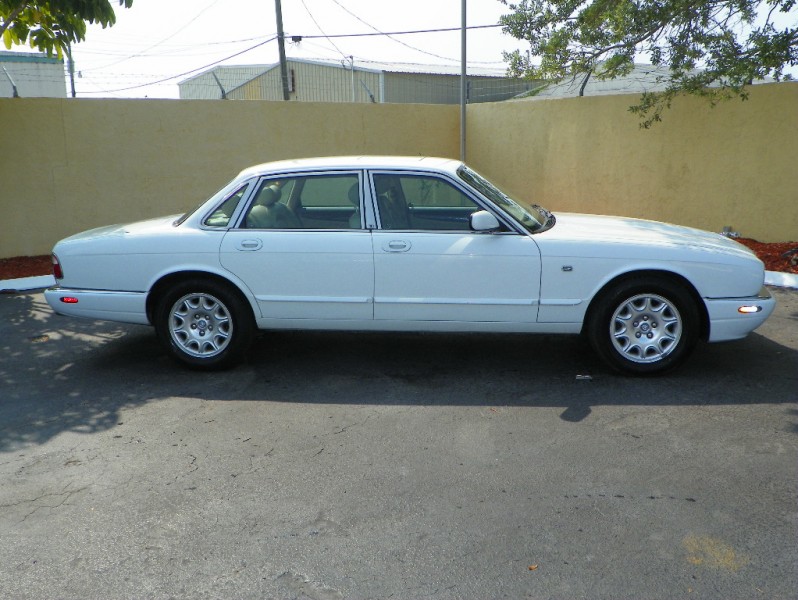
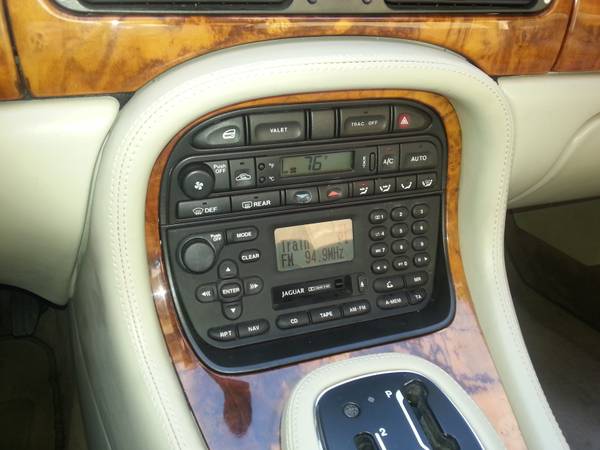
Filed under: LifeStyle, Touring with Marcinko | Tagged: Hot-Weather auto care, jaguar XJ-V8-L, Maintain Your Vehicle |


Nice Article
Do not freaking out about buying a used car with 110,000 miles on it? On many models, once the mileage starts going north of 100,000, the price starts dropping through the floor. By saying no to these high-mileage cars, you’re saying no to a lot of good deals.
Not every high-mileage car is a good buy. But, if you find a reliable make and model, you can get good quality at a low price. Forbes has a list of 10 cars that should easily hit the 250,000-mile mark.
Glen
LikeLike
Wash, polish and wax
Agreed – Summer sun and heat are particularly harsh on your car’s paint. Sweltering temperatures, road grime and intensive ultraviolet rays combine to do a number on metal and paint. While a good car wash is a solid place to start, most experts recommend a good polishing four times a year to clear contaminants and reduce the chance of oxidation.
Follow the polish with a high-quality automotive wax to help seal any microscopic cracks in the paint and protect the finish from the summer heat. Doing so does more than simply make your vehicle look as good as new; it can help keep the paint in tip-top shape in case you ever decide to sell the vehicle. Wash at least twice a month and wax every 3 months.
Dr. Fariah
LikeLike