







 Support our online development, and advance our onground research initiatives in free market economics, as we seek to showcase the brightest Next-Gen minds.
THE ME-P DISCLAIMER: Posts, comments and opinions do not necessarily represent iMBA, Inc., but become our property after submission. Copyright © 2006 to-date. iMBA, Inc allows colleges, universities, medical and financial professionals and related clinics, hospitals and non-profit healthcare organizations to distribute our proprietary essays, photos, videos, audios and other documents; etc. However, please review copyright and usage information for each individual asset before submission to us, and/or placement on your publication or web site. Attestation references, citations and/or back-links are required. All other assets are property of the individual copyright holder.
Support our online development, and advance our onground research initiatives in free market economics, as we seek to showcase the brightest Next-Gen minds.
THE ME-P DISCLAIMER: Posts, comments and opinions do not necessarily represent iMBA, Inc., but become our property after submission. Copyright © 2006 to-date. iMBA, Inc allows colleges, universities, medical and financial professionals and related clinics, hospitals and non-profit healthcare organizations to distribute our proprietary essays, photos, videos, audios and other documents; etc. However, please review copyright and usage information for each individual asset before submission to us, and/or placement on your publication or web site. Attestation references, citations and/or back-links are required. All other assets are property of the individual copyright holder.


By Staff Reporters
***
***
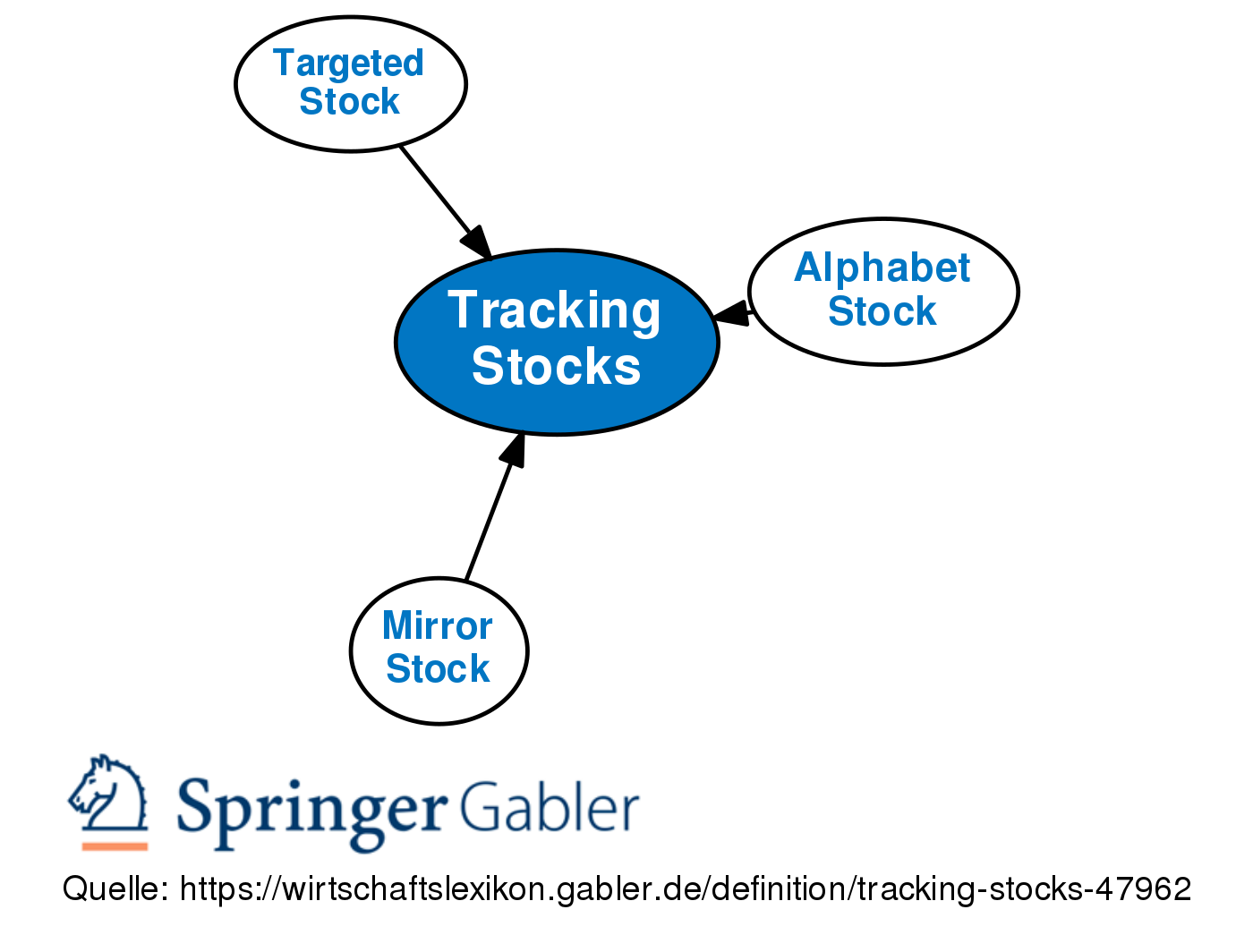
A tracking stock, also known as letter stock and/or targeted stock is a specialized equity offering issued by a company that is based on the operations of a defined business within the larger organization (such as, for instance, a wholly owned subsidiary of a diversified firm). Therefore, the tracking stock will be traded at a price related to the operations of the specific division of the company being “tracked”.
Tracking stock is typically limited, or has no voting rights. Often, tracking stock is issued to separate a high-growth (but initially, unprofitable) division from its parent company, while the parent company and its shareholders remain in control of the subsidiary’s operations.
CITE: https://www.r2library.com/Resource
Breaking New Example
The Atlanta Braves professional baseball team is set to be spun-off into an independent company along with their related properties (Battery) in two weeks. Along with this change, an as-of-yet unknown amount of equity in the company is set to be publicly traded on the stock market. The easiest explanation of this transition is to get a more accurate (Liberty Media’s Ownership) valuation of the franchise as a precursor to a sale. The Braves already have a pretty unique business structure, being owned by a publicly traded media conglomerate as a semi-autonomous entity within the conglomerate and a tracking stock, but this formalizes the franchises independence much more.
In the view of some, there is significantly more downside as a fan than upside to a sale, as the absolute upside involves more spending on the team payroll, but the team already is near the top of the league in payrolls and the team performance on the field is clearly top tier in the league. The downside is that the new ownership meddles more in the operations of the club in a negative way and/or slashes budgets, etc.
***
COMMENTS APPRECIATED
Thank You
***
***
Share this:

Filed under: "Ask-an-Advisor", Experts Invited, Funding Basics, Investing | Tagged: atlanta braves, battery, letter stock, liberty Media, Springer, targeted stock, tracking stock | Leave a comment »
 The Leading Business Education Network for Doctors, Financial Advisors and Health Industry Consultants