A Brief Review
[By Staff Reporters]
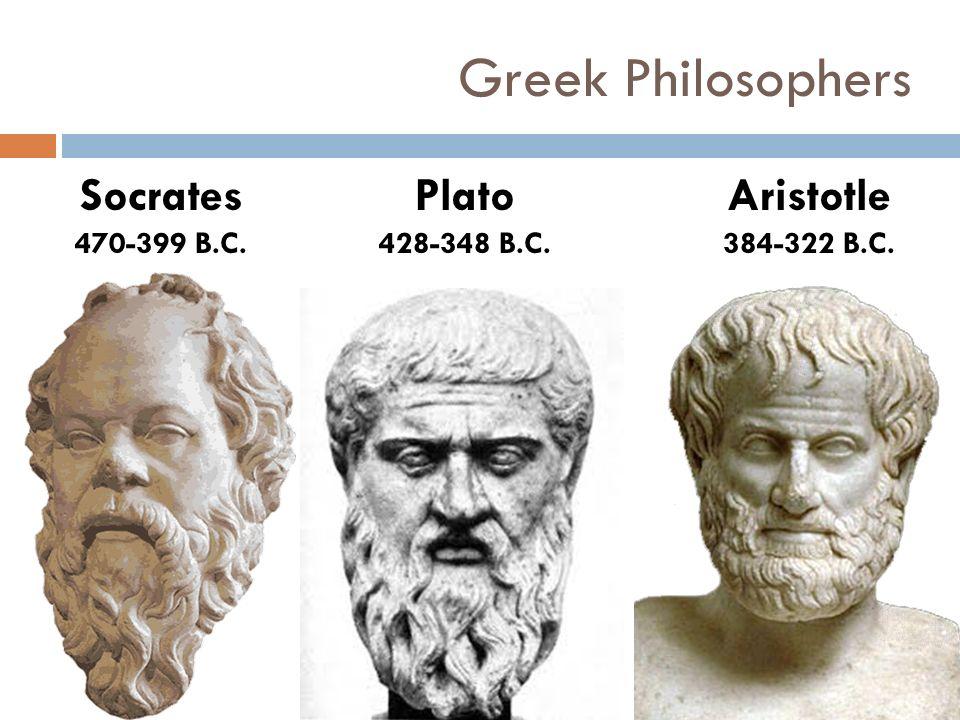
We do not have enough space to cover the subject fully. And, “important” does not necessarily indicate good or bad. But, we will try to review these three Greek Philosophers.
PLATO
Plato is important because his philosophy underpins autocratic political philosophies such as Kant, Nazism and Communism. Metaphysically he fights a war against reality claiming only a superior mind, like his, can be trusted. He had a pessimistic view of human beings.
ARISTOTLE
Aristotle is responsible for the explosion of progress since the Renaissance. His focus on identification (A is A), and reason, as the key to human knowledge and happiness has been a force for good. His heirs like Aquinas and Rand have sought to round out his discoveries. He was the optimist. If you look at the the cultural climate in the USA today, you will see a resurgence of Platonism (socialism).
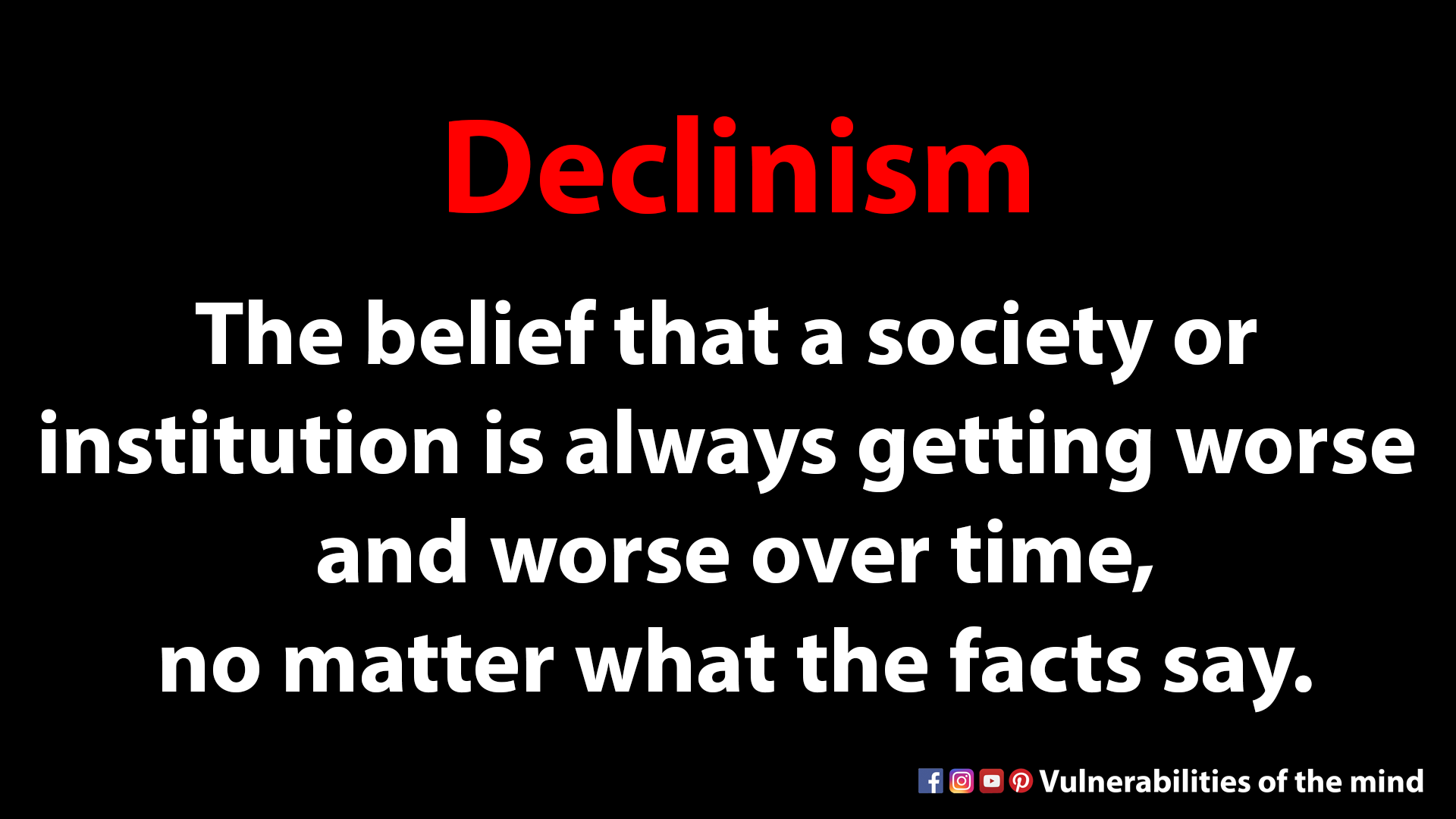
And, in the face of unparalleled quality of life and prosperity, harbingers of doom capitalize in the unwillingness of many to do the work required for freedom. Identity is ignored in the attempt to avoid the requirements for happiness: Effort and thought. Hopefully the pendulum will swing back to an Aristotelian era.
SOCRATES
Socrates was the bridge between the two great minds of Plato and Aristotle, and a story teller whose skills and abundance ensured the survival of his own.
Assessment
Much as Socrates’ thought systems – so we put our coin on Plato as the premier Greek Philosopher. Without Plato, Socrates’ thought would not have survived a century past his execution; still less a millennia.
Aristotle certainly influenced Alexander, but it’s hard to credit Aristotle for Alexander’s legacy, which was largely military in nature.
***
***
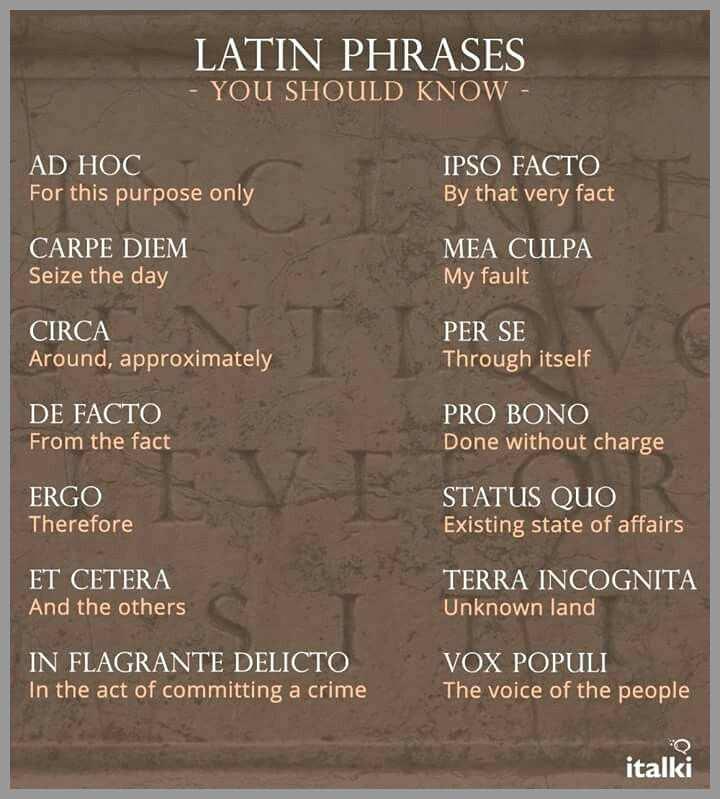
LATIN PHRASES
***
Conclusion
Your thoughts and comments on this ME-P are appreciated. Feel free to review our top-left column, and top-right sidebar materials, links, URLs and related websites, too. Then, subscribe to the ME-P. It is fast, free and secure.
Speaker: If you need a moderator or speaker for an upcoming event, Dr. David E. Marcinko; MBA – Publisher-in-Chief of the Medical Executive-Post – is available for seminar or speaking engagements.
Book Marcinko: https://medicalexecutivepost.com/dr-david-marcinkos-bookings/
Subscribe: MEDICAL EXECUTIVE POST for curated news, essays, opinions and analysis from the public health, economics, finance, marketing, IT, business and policy management ecosystem.
HOSPITALS:
“Financial Management Strategies for Hospitals” https://tinyurl.com/yagu567d
“Operational Strategies for Clinics and Hospitals” https://tinyurl.com/y9avbrq5

Filed under: iMBA, Inc. | Tagged: ARISTOTLE, Greek Philosophers, Plato, Socrates | Leave a comment »






 Support our online development, and advance our onground research initiatives in free market economics, as we seek to showcase the brightest Next-Gen minds.
THE ME-P DISCLAIMER: Posts, comments and opinions do not necessarily represent iMBA, Inc., but become our property after submission. Copyright © 2006 to-date. iMBA, Inc allows colleges, universities, medical and financial professionals and related clinics, hospitals and non-profit healthcare organizations to distribute our proprietary essays, photos, videos, audios and other documents; etc. However, please review copyright and usage information for each individual asset before submission to us, and/or placement on your publication or web site. Attestation references, citations and/or back-links are required. All other assets are property of the individual copyright holder.
Support our online development, and advance our onground research initiatives in free market economics, as we seek to showcase the brightest Next-Gen minds.
THE ME-P DISCLAIMER: Posts, comments and opinions do not necessarily represent iMBA, Inc., but become our property after submission. Copyright © 2006 to-date. iMBA, Inc allows colleges, universities, medical and financial professionals and related clinics, hospitals and non-profit healthcare organizations to distribute our proprietary essays, photos, videos, audios and other documents; etc. However, please review copyright and usage information for each individual asset before submission to us, and/or placement on your publication or web site. Attestation references, citations and/or back-links are required. All other assets are property of the individual copyright holder.






 The Leading Business Education Network for Doctors, Financial Advisors and Health Industry Consultants