







 Support our online development, and advance our onground research initiatives in free market economics, as we seek to showcase the brightest Next-Gen minds.
THE ME-P DISCLAIMER: Posts, comments and opinions do not necessarily represent iMBA, Inc., but become our property after submission. Copyright © 2006 to-date. iMBA, Inc allows colleges, universities, medical and financial professionals and related clinics, hospitals and non-profit healthcare organizations to distribute our proprietary essays, photos, videos, audios and other documents; etc. However, please review copyright and usage information for each individual asset before submission to us, and/or placement on your publication or web site. Attestation references, citations and/or back-links are required. All other assets are property of the individual copyright holder.
Support our online development, and advance our onground research initiatives in free market economics, as we seek to showcase the brightest Next-Gen minds.
THE ME-P DISCLAIMER: Posts, comments and opinions do not necessarily represent iMBA, Inc., but become our property after submission. Copyright © 2006 to-date. iMBA, Inc allows colleges, universities, medical and financial professionals and related clinics, hospitals and non-profit healthcare organizations to distribute our proprietary essays, photos, videos, audios and other documents; etc. However, please review copyright and usage information for each individual asset before submission to us, and/or placement on your publication or web site. Attestation references, citations and/or back-links are required. All other assets are property of the individual copyright holder.


DEFINED
By CoPilot AI
***
***
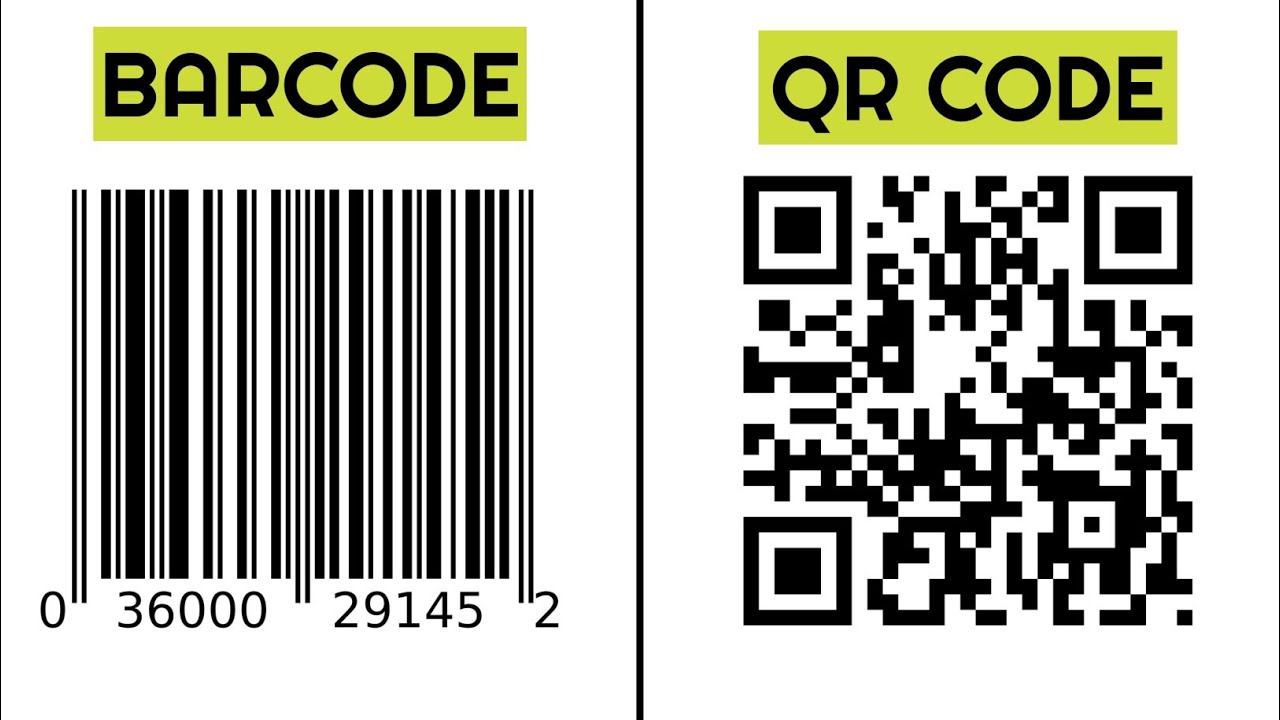
Barcodes and QR codes are basically two forms of machine-readable codes that contain data and are useful in various sectors such as retail, logistics, and marketing. While both appear to fulfill the function of storing information, they have differences based on structure and storage size as well as the function they perform. This makes it easier for businesses to distinguish what is relevant in barcodes and what is relevant in QR codes so that they can be in a position to adopt the right technology that will suit their needs well.
DENTAL CYBER HACKS: https://medicalexecutivepost.com/2024/09/10/dental-office-cyber-hacks/
What is a Barcode?
Barcode provides us with a way to store numbers in a computer-understandable format. This is used to store information in a 1D or 2D format that can be scanned for data retrieval. It is used by stores’ back-off sweaters for keeping track of the patients just in case of rental car services to track where the car is in cases of airline luggage.
Advantages of Barcodes
- Simplicity: Barcodes are easy to implement and can be put into use within a short span of time and with comparatively less investment.
- Low Cost: The equipment and technology required in the generation as well as the scanning of the bar codes are relatively cheap.
- Quick Scanning: As has already been discussed, barcodes are easy to scan and this makes them suitable for_numeric environments such as the retail sector.
Disadvantages of Barcodes
- Limited Data Capacity: Barcodes also have a limited data processing capability with limited numerical values, of between 8-20 characters per barcode.
- One-Dimensional: Barcode is more vast than OWLT and cannot contain complex information since it is one-dimensional.
- Prone to Damage: That is why they can be barely scratched or damaged in such a manner that they will not scan properly.
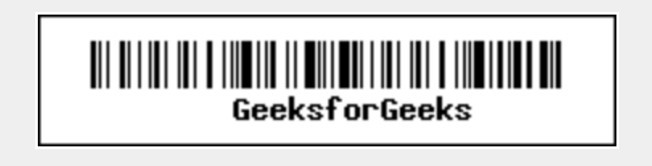
What is QR code?
QR codes are a way of storing data in the form of computer understandable format, that can be scanned by using QR code scanner to retrieve the data. These are widely used nowadays for cashless and UPI payment services. They can be used in case of identifications and are also used for sharing photos, videos and other files.
MEDICAL CYBER-SECURITY: https://medicalexecutivepost.com/2022/01/16/understanding-medical-practice-cyber-security-risks-2/
Advantages of QR Codes
- High Data Capacity: QR codes contain the ability to enclose thousands of characters that include numbers, letters and even the binary data.
- Small Physical Footprint: In fact, most QR codes are small in size even though they have a high storage capacity thereby making it possible to print them despite the limited amount of space.
- Error Correction: QR codes are also created with erasure correction, so the code can still be scanned even if SOME of the dots are scratched out.
- Versatile Applications: According to the functional aspect QR codes can be used in marketing, payments, wither links, multimedia information storage etc.
Disadvantages of QR Codes
- Requires Specific Software: Unlike barcodes that can be scanned by an ordinary laser scan gun, QR code must be scanned with a QR code scanner or simply an advanced telephone or tablet with a QR code scanner application.
- Overuse in Marketing: The use of QR codes has been popularized mainly in the marketing sector, hence consumers are used to seeing it and may opt to look the other way.
QR Code that scans to http://www.geeksforgeeks.org
COMMENTS APPRECIATED
Like and Refer
***
***
Share this:

Filed under: "Ask-an-Advisor", Information Technology | Tagged: 1D, 2D, AI, artificial intelligence, barcode, cybersecurity, QR code, quick scan, security, Technology, UPI | Leave a comment »

 The Leading Business Education Network for Doctors, Financial Advisors and Health Industry Consultants