







 Support our online development, and advance our onground research initiatives in free market economics, as we seek to showcase the brightest Next-Gen minds.
THE ME-P DISCLAIMER: Posts, comments and opinions do not necessarily represent iMBA, Inc., but become our property after submission. Copyright © 2006 to-date. iMBA, Inc allows colleges, universities, medical and financial professionals and related clinics, hospitals and non-profit healthcare organizations to distribute our proprietary essays, photos, videos, audios and other documents; etc. However, please review copyright and usage information for each individual asset before submission to us, and/or placement on your publication or web site. Attestation references, citations and/or back-links are required. All other assets are property of the individual copyright holder.
Support our online development, and advance our onground research initiatives in free market economics, as we seek to showcase the brightest Next-Gen minds.
THE ME-P DISCLAIMER: Posts, comments and opinions do not necessarily represent iMBA, Inc., but become our property after submission. Copyright © 2006 to-date. iMBA, Inc allows colleges, universities, medical and financial professionals and related clinics, hospitals and non-profit healthcare organizations to distribute our proprietary essays, photos, videos, audios and other documents; etc. However, please review copyright and usage information for each individual asset before submission to us, and/or placement on your publication or web site. Attestation references, citations and/or back-links are required. All other assets are property of the individual copyright holder.


By Staff Reporters
***
***
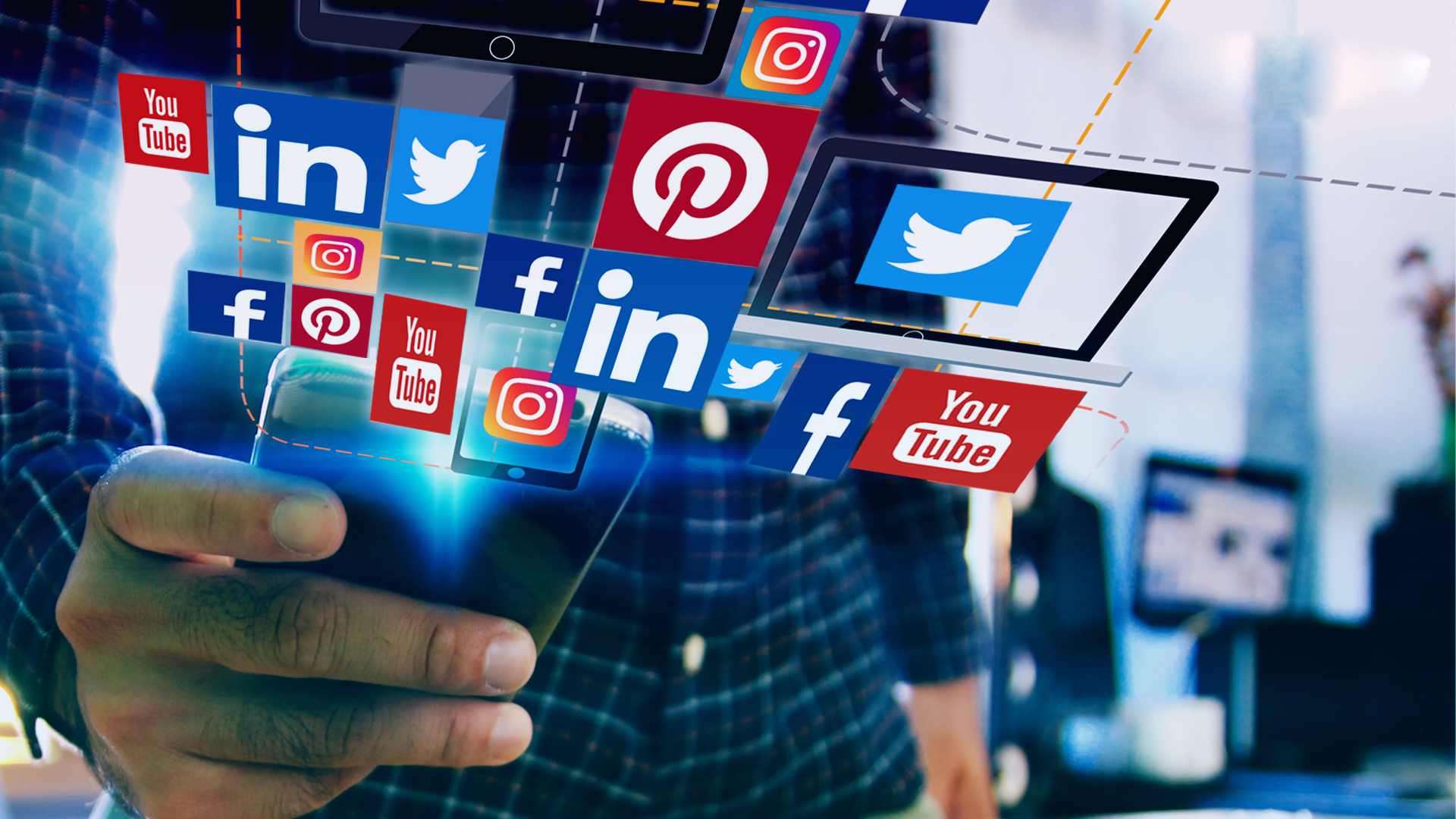
According to BetterHealth.com, billions of people worldwide use social media platforms today. While social media can be a helpful tool for connection in the digital age, it also has the power to contribute to loneliness and isolation. This is the essence of the social media paradox.
***
What is the social media paradox?
The Merriam-Webster dictionary defines a paradox as “a statement that is seemingly contradictory or opposed to common sense and yet is perhaps true.” The social media paradox is a term coined to point out how, despite “social” being in the very name of it, social media has the potential to make people feel disconnected and lonely.
As a Public Health Post article published by Boston University puts it, “The more time people spend actively engaging on social media—whether through posting, commenting, or messaging—the lonelier they may feel,” calling it “a double-edged sword.” This simple statement summarizes the core of the social media paradox.
So how could something “social” be so closely tied to isolation?
The effects of social media are complex. On the one hand, it has brought many positives to the lives of many people. It can help individuals stay connected, learn about themselves, and receive important information.
On the other hand, excessive social media use in particular also has the potential to separate and contribute to negative mental health outcomes.
COMMENTS APPRECIATED
Like and Subscribe
***
***
Share this:

Filed under: Ask a Doctor, Glossary Terms, LifeStyle, Marketing & Advertising, Media Mentions and PR, mental health | Tagged: betterhealth, Boston University, mental health, merrim webster, paradox, psychiatry, psychology, Public Health Post, social media, social media paradox | Leave a comment »
 The Leading Business Education Network for Doctors, Financial Advisors and Health Industry Consultants