







 Support our online development, and advance our onground research initiatives in free market economics, as we seek to showcase the brightest Next-Gen minds.
THE ME-P DISCLAIMER: Posts, comments and opinions do not necessarily represent iMBA, Inc., but become our property after submission. Copyright © 2006 to-date. iMBA, Inc allows colleges, universities, medical and financial professionals and related clinics, hospitals and non-profit healthcare organizations to distribute our proprietary essays, photos, videos, audios and other documents; etc. However, please review copyright and usage information for each individual asset before submission to us, and/or placement on your publication or web site. Attestation references, citations and/or back-links are required. All other assets are property of the individual copyright holder.
Support our online development, and advance our onground research initiatives in free market economics, as we seek to showcase the brightest Next-Gen minds.
THE ME-P DISCLAIMER: Posts, comments and opinions do not necessarily represent iMBA, Inc., but become our property after submission. Copyright © 2006 to-date. iMBA, Inc allows colleges, universities, medical and financial professionals and related clinics, hospitals and non-profit healthcare organizations to distribute our proprietary essays, photos, videos, audios and other documents; etc. However, please review copyright and usage information for each individual asset before submission to us, and/or placement on your publication or web site. Attestation references, citations and/or back-links are required. All other assets are property of the individual copyright holder.


By Staff Reporters
***
***
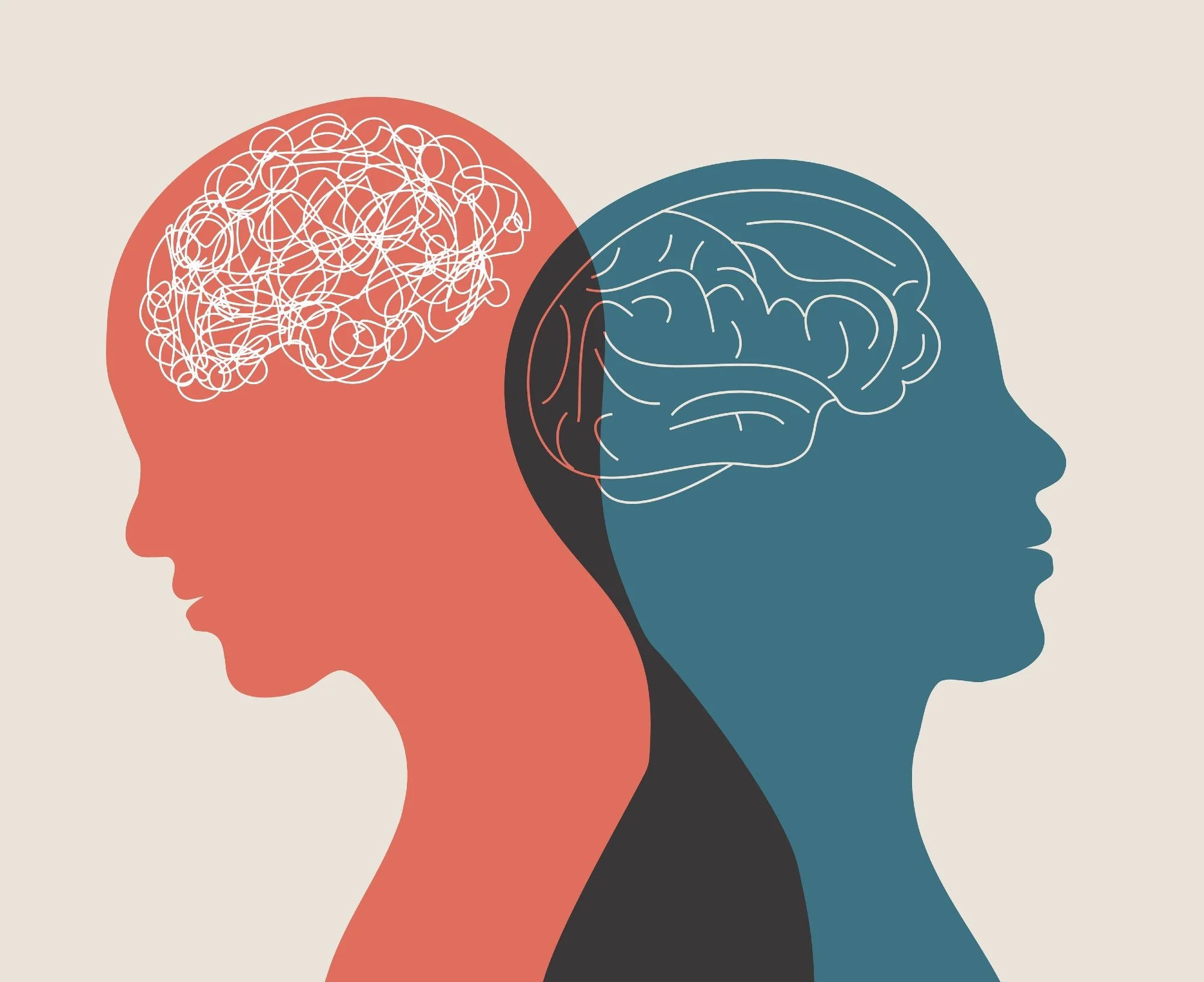
EBRI: % of Population Under 65 With Mental Health Disorders
• Anxiety disorders: 8.1%
• Major depressive disorders: 5.3%
• Attention deficit hyperactivity disorder: 2.8%
• Other behavioral/mental health disorders: 2.2%
• Bipolar and manic disorders: 0.7%
• Post-traumatic stress disorder: 0.5%
• Phobic anxiety disorders: 0.4%
• Autistic disorder: 0.3%
• Obsessive-compulsive disorder: 0.2%
• Eating disorders: 0.2%
• Schizophrenic disorders: 0.1%
• Dissociative disorders: 0.04%
• Delusional disorders: 0.02%
Source: EBRI, “How Do High-Deductible Health Plans Affect Use of Health Care Services and Spending Among Enrollees With Mental Health Disorders?” March 10, 2022
***
COMMENTS APPRECIATED
Thank You
***
***
***
***
Share this:

Filed under: Glossary Terms, LifeStyle, mental health | Tagged: bipolar, eating disorders, EBRI, mental disorders, mental health, mental health disorders, OCD | Leave a comment »

 The Leading Business Education Network for Doctors, Financial Advisors and Health Industry Consultants