







 Support our online development, and advance our onground research initiatives in free market economics, as we seek to showcase the brightest Next-Gen minds.
THE ME-P DISCLAIMER: Posts, comments and opinions do not necessarily represent iMBA, Inc., but become our property after submission. Copyright © 2006 to-date. iMBA, Inc allows colleges, universities, medical and financial professionals and related clinics, hospitals and non-profit healthcare organizations to distribute our proprietary essays, photos, videos, audios and other documents; etc. However, please review copyright and usage information for each individual asset before submission to us, and/or placement on your publication or web site. Attestation references, citations and/or back-links are required. All other assets are property of the individual copyright holder.
Support our online development, and advance our onground research initiatives in free market economics, as we seek to showcase the brightest Next-Gen minds.
THE ME-P DISCLAIMER: Posts, comments and opinions do not necessarily represent iMBA, Inc., but become our property after submission. Copyright © 2006 to-date. iMBA, Inc allows colleges, universities, medical and financial professionals and related clinics, hospitals and non-profit healthcare organizations to distribute our proprietary essays, photos, videos, audios and other documents; etc. However, please review copyright and usage information for each individual asset before submission to us, and/or placement on your publication or web site. Attestation references, citations and/or back-links are required. All other assets are property of the individual copyright holder.


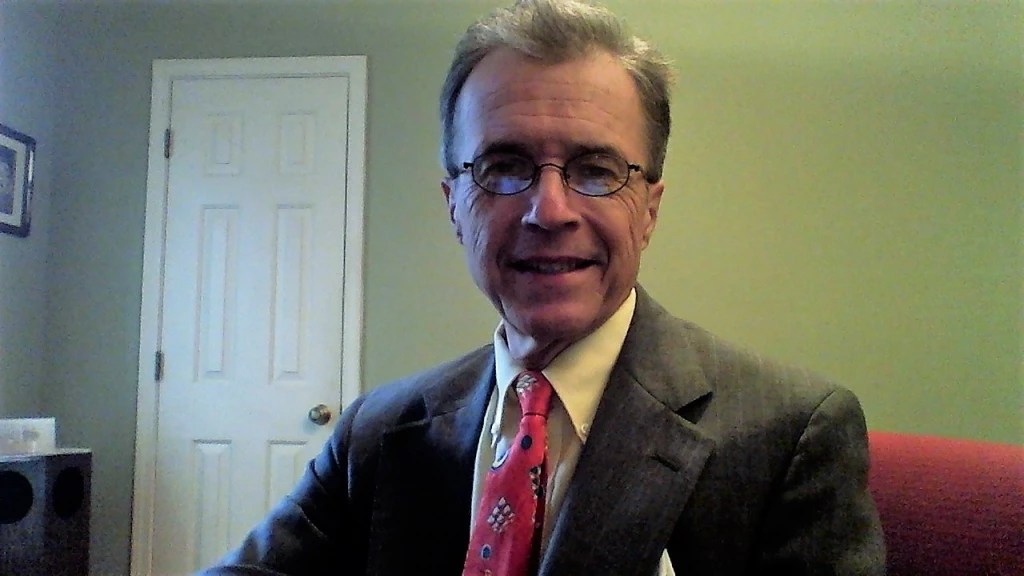
Dr. David Edward Marcinko; MBA MEd
SPONSOR: http://www.MarcinkoAssociates.com
***
***
An Overlooked Crisis in a High‑Skill Profession
Bankruptcy is often associated with volatile industries—restaurants, retail, real estate—but rarely with dentistry, a profession widely perceived as stable, lucrative, and insulated from economic turbulence. Yet a surprising number of dentists find themselves facing severe financial distress, and in some cases, full bankruptcy. The phenomenon is more common than the public realizes, and it reveals a complex intersection of educational debt, business pressures, shifting patient expectations, and the emotional toll of running a healthcare practice in a competitive marketplace.
One of the most significant contributors to dentist bankruptcy is the extraordinary cost of dental education. Many new dentists graduate with debt loads that can exceed the price of a house. These loans often come with high interest rates, and repayment begins just as new graduates are trying to establish themselves professionally. Unlike physicians, who often join large hospital systems, dentists typically enter private practice or small group practices where they shoulder the financial risk themselves. The combination of large monthly loan payments and the need to invest in equipment, office space, and staff creates a precarious financial foundation from day one.
Running a dental practice is, in many ways, running a small business. Dentists must navigate payroll, insurance reimbursements, marketing, regulatory compliance, and the rising cost of materials and technology. Many dental procedures require expensive equipment—imaging machines, sterilization systems, digital scanners—and these tools must be updated regularly to remain competitive. A dentist who falls behind technologically risks losing patients to more modern practices. Yet the cost of staying current can strain even a well‑managed budget. When revenue dips, whether due to seasonal fluctuations or broader economic downturns, the financial pressure can quickly escalate.
Insurance dynamics also play a major role. Dental insurance has not kept pace with inflation, and reimbursement rates have stagnated or even declined in some regions. Dentists often find themselves performing procedures that are reimbursed at rates far below their actual cost. To compensate, many practices attempt to increase patient volume, but this can lead to burnout, reduced quality of care, and a sense of losing control over the practice’s mission. Others attempt to shift toward cosmetic or elective procedures, which can be more profitable but are also more sensitive to economic cycles. When consumer spending tightens, these services are often the first to be cut from household budgets.
***
***
Competition has intensified as well. Corporate dental chains have expanded rapidly, offering extended hours, aggressive marketing, and economies of scale that independent dentists struggle to match. These chains can negotiate better supply prices, invest heavily in advertising, and absorb financial losses more easily. Independent dentists, by contrast, may find themselves squeezed between rising costs and shrinking margins. For some, the pressure becomes unsustainable.
The emotional dimension of dentist bankruptcy is often overlooked. Dentistry is a profession built on trust, precision, and personal connection. Dentists spend years developing their skills and building relationships with patients. When financial trouble arises, many feel a deep sense of shame or failure. They may delay seeking help, hoping that the situation will improve on its own. By the time they confront the problem directly, the debt may have grown too large to manage. Bankruptcy, while sometimes the only viable option, can feel like a personal and professional defeat.
Yet the story does not end there. Many dentists who go through bankruptcy rebuild their careers successfully. Some join group practices where administrative burdens are shared. Others pivot into teaching, consulting, or public health roles. A few even start new practices with a more sustainable business model, informed by the hard lessons of their earlier struggles. Bankruptcy, while painful, can also be a turning point that leads to healthier financial habits and a renewed sense of purpose.
The issue of bankrupt dentists highlights a broader truth: even highly skilled professionals are not immune to economic pressures. Dentistry, despite its reputation for stability, is a demanding blend of healthcare and entrepreneurship. When the balance between the two falters, the consequences can be severe. Understanding this reality is essential not only for dentists themselves but for policymakers, educators, and patients who rely on the profession. The financial health of dentists ultimately affects the accessibility and quality of dental care for everyone.
COMMENTS APPRECIATED
SPEAKING: Dr. Marcinko will be speaking and lecturing, signing and opining, teaching and preaching, storming and performing at many locations throughout the USA this year! His tour of witty and serious pontifications may be scheduled on a planned or ad-hoc basis; for public or private meetings and gatherings; formally, informally, or over lunch or dinner. All medical societies, financial advisory firms or Broker-Dealers are encouraged to submit an RFP for speaking engagements: CONTACT: Ann Miller RN MHA at MarcinkoAdvisors@outlook.com -OR- http://www.MarcinkoAssociates.com
Like, Refer and Subscribe
***
***
Share this:

Filed under: iMBA, Inc. | Tagged: david marcinko |
 The Leading Business Education Network for Doctors, Financial Advisors and Health Industry Consultants
Leave a comment